

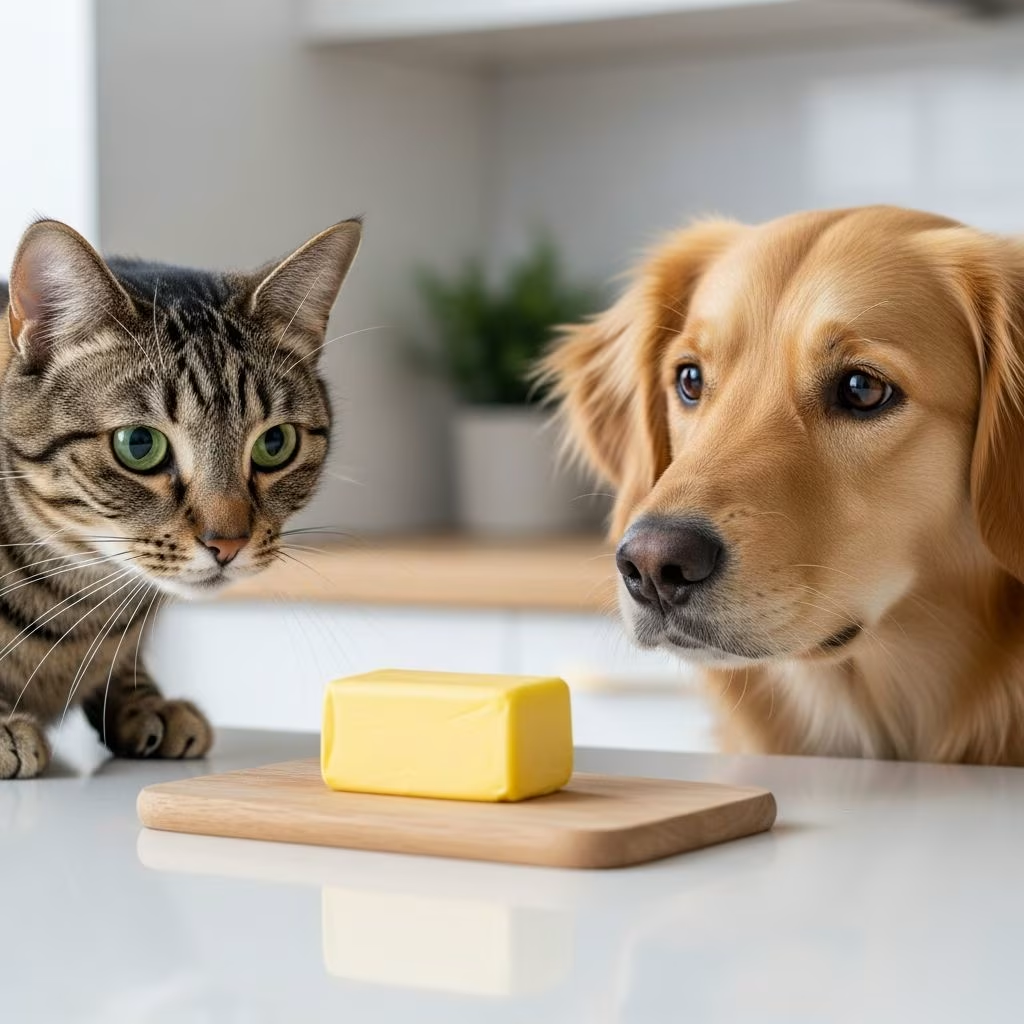
Butter might seem like a harmless treat to share with your furry companions, but it carries substantial risks for both dogs and cats. High in fat and often containing lactose, butter can lead to serious health complications rather than providing any meaningful benefits.
Understanding Butter’s Composition and Pet Physiology
Butter is predominantly fat—about 80-90%—with saturated fats making up a large portion, alongside small amounts of protein, carbohydrates, and lactose from its dairy origin. Dogs and cats are obligate carnivores or have digestive systems adapted for meat-based diets, lacking the enzymes to efficiently process large quantities of dairy or excess fats.
For cats, their heightened sensitivity to fats stems from specialized taste receptors that make butter appealing, yet this allure masks nutritional mismatches. Dogs, similarly, may enjoy the flavor but suffer from lactose intolerance post-weaning, leading to poor dairy digestion.
Health Dangers of Butter for Dogs
Dogs face multiple threats from butter consumption. The high saturated fat content exceeds daily requirements; for instance, just one tablespoon packs 12 grams of fat, matching the full daily allowance for a 30-pound dog.
- Pancreatitis: Inflammation of the pancreas from fat overload, potentially life-threatening with symptoms like severe vomiting, abdominal pain, and lethargy. Breeds like miniature schnauzers are especially vulnerable.
- Digestive Distress: Lactose intolerance causes diarrhea, bloating, gas, and cramps.
- Obesity Risk: Empty calories contribute to weight gain, joint issues, and reduced lifespan.
- Salted Varieties: Excess sodium can dehydrate dogs, worsening outcomes.
Even small amounts occasionally might not harm, but regular exposure amplifies dangers.
Why Cats Should Avoid Butter Too
Cats encounter parallel issues, compounded by their stricter carnivorous needs. Butter’s fat profile doesn’t align with essential fatty acids like omega-3s from fish sources.
| Risk | Effects on Cats | Severity |
|---|---|---|
| High Fat Content | Gastroenteritis, pancreatitis | High – can be severe |
| Lactose | Diarrhea, vomiting | Moderate to high |
| Caloric Density | Obesity, coat issues | Medium-term |
A few licks may pass uneventfully, but larger ingestions demand vigilance.
Symptoms to Watch For After Butter Ingestion
Monitor pets closely if they’ve consumed butter. Mild cases resolve in a day, but escalation requires vet intervention.
- Vomiting or diarrhea persisting beyond 24 hours
- Abdominal pain, restlessness, or bloating
- Lethargy, appetite loss, or weight decline
- Dehydration signs, especially from salted butter
Contact a veterinarian immediately for substantial amounts or vulnerable pets.
Nutritional Shortcomings: What Butter Lacks
Unlike balanced pet foods supplying precise omega-3 and omega-6 fatty acids for skin and coat health, butter offers negligible benefits. It provides energy but no vitamins, minerals, or proteins in usable forms for pets.
Pet diets are formulated to meet AAFCO standards, rendering human foods like butter redundant and hazardous.
Healthier Alternatives to Butter for Pets
Opt for vet-approved treats mimicking fat appeal without risks.
- For Dogs: Small pieces of plain cooked chicken, carrots, or commercial low-fat treats.
- For Cats: Tuna flakes in water or specialized feline treats with fish oils.
- Omega Boosters: Fish oil supplements for coat benefits, dosed per vet advice.
- Nut Butter Options: Unsalted, xylitol-free almond butter in tiny amounts for dogs; avoid for cats.
These maintain enjoyment while supporting health.
Expert Recommendations on Pet Treats
Veterinarians from sources like PetMD emphasize treats should comprise no more than 10% of caloric intake. Prioritize products designed for species-specific nutrition to prevent imbalances.
Behaviorists note pets beg for butter due to aroma and fat detection, not nutritional need—train with appropriate rewards instead.
Preventing Accidental Butter Exposure
Secure countertops, use pet gates during meals, and educate family on risks. Store butter inaccessible to prevent scavenging.
FAQs
Can dogs eat a little butter?
A tiny lick is usually fine but not recommended due to fat and lactose risks.
Is butter toxic to cats?
Not toxic, but high fat can cause pancreatitis and GI upset.
What if my pet ate a lot of butter?
Watch for symptoms; call vet if vomiting, pain, or diarrhea persists.
Are there benefits to butter for pets?
Minimal; better sources exist for fats and calories.
Can puppies or kittens have butter?
No, their systems are even less tolerant—stick to milk replacers if needed.
By choosing pet-safe options, you ensure long-term vitality without butter’s pitfalls.
References
- Butter and Cats: Is It Safe? Effects & Risks — Bailey’s CBD. 2023. https://baileyscbd.com/blogs/cat-nutrition/butter-and-cats-exploring-the-effects
- Can Cats Eat Butter? — PetMD. 2024-01-15. https://www.petmd.com/cat/nutrition/can-cats-eat-butter
- Can Dogs and Cats Eat Butter? — Hill’s Pet Nutrition. 2023-05-10. https://www.hillspet.com/pet-care/nutrition-feeding/can-dogs-and-cats-eat-butter
- Can Dogs Have Butter? What Every Pet Owner Should Know — WeFeedRaw. 2024. https://wefeedraw.com/blog/can-dogs-have-butter
- Can Dogs Eat Butter? — PetMD. 2024-02-20. https://www.petmd.com/dog/nutrition/can-dogs-eat-butter
- Can Dogs Eat Butter? Unveiling the Truth — MyWoof. 2023-11-05. https://mywoof.com/blogs/articles/can-dogs-eat-butter-unveiling-the-truth-about-butter-and-your-dogs-health



