

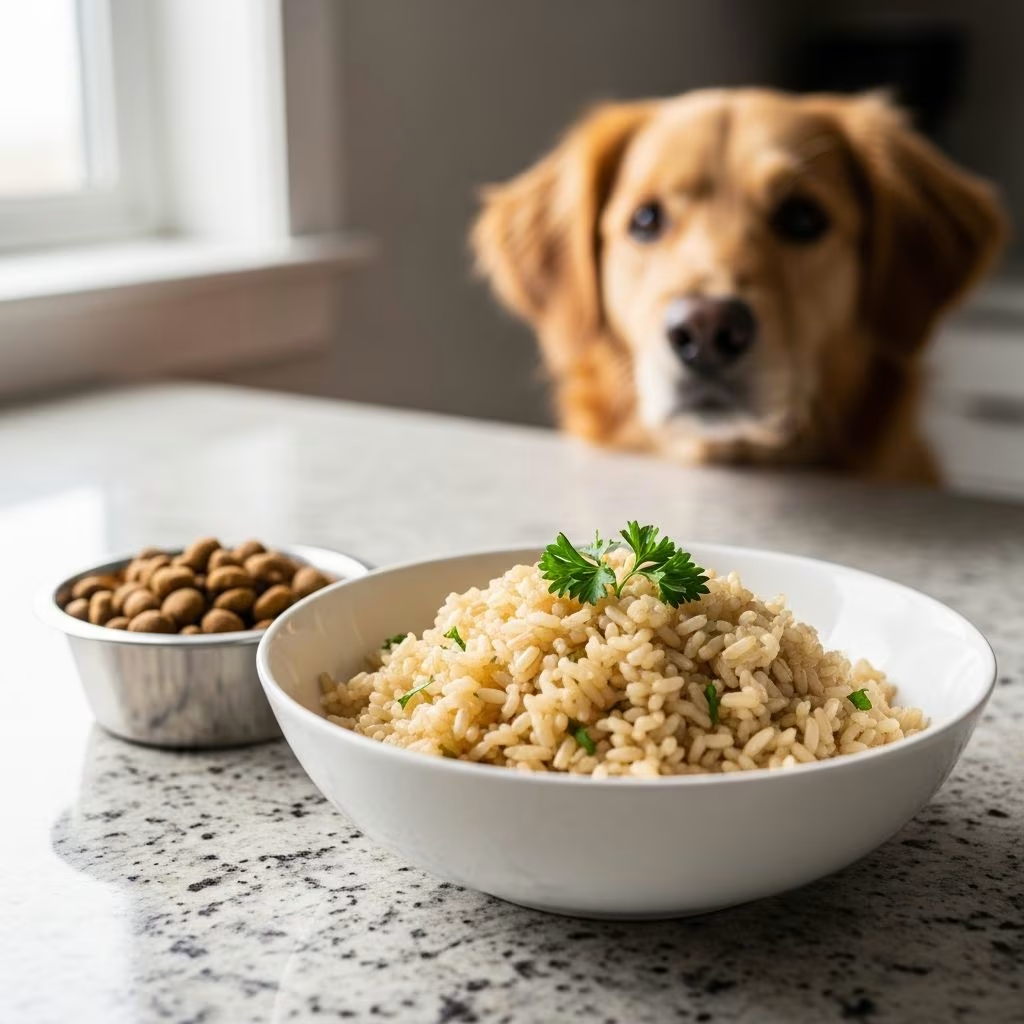
Brown rice serves as a nutritious whole grain option that most dogs can safely consume when incorporated thoughtfully into their meals. Retaining its bran and germ layers, it delivers fiber, essential vitamins, and minerals that support various aspects of canine health, from digestion to sustained energy levels.
Nutritional Powerhouse: What Brown Rice Brings to Your Dog’s Bowl
Brown rice stands out due to its minimally processed nature, preserving key components stripped away in refined grains. This whole grain packs complex carbohydrates for steady energy release, preventing the rapid blood sugar fluctuations associated with simpler carbs.
Its high fiber content promotes regular bowel movements and fosters a balanced gut environment by nourishing beneficial bacteria. Additionally, brown rice supplies vital B vitamins such as thiamine, riboflavin, niacin, and folate, which aid energy production, skin health, and metabolic processes.
- Fiber for Gut Health: Helps prevent constipation and supports microbiome diversity.
- Minerals like Manganese and Magnesium: Essential for bone strength, muscle function, and nerve signaling.
- Antioxidants including Selenium: Protects cells from oxidative damage and supports thyroid function.
- Vitamin D and Calcium Support: Contributes to bone health and calcium retention.
These elements make brown rice a valuable ingredient in balanced canine diets, particularly for active or working dogs needing consistent fuel.
Key Health Advantages of Feeding Brown Rice to Dogs
Beyond basic nutrition, brown rice offers targeted benefits that enhance overall well-being. Its low-fat profile suits weight management, while the fiber helps overweight dogs feel satiated without excess calories—around 216 per cup.
| Benefit | How It Helps Dogs | Key Nutrients Involved |
|---|---|---|
| Digestive Regulation | Promotes smooth bowel movements and eases GI discomfort | Fiber, Prebiotics |
| Stable Energy | Sustained release for active lifestyles, lower glycemic impact | Complex Carbs, B Vitamins |
| Weight Control | Low calorie, high satiety for obesity-prone breeds | Fiber, Low Fat |
| Blood Sugar Management | Useful for diabetic dogs via steady glucose levels | Manganese, Fiber |
| Immune and Skin Support | Antioxidants and vitamins for coat shine and defense | Selenium, Niacin, B6 |
For seniors or less active pets, it provides gentle nutrition without overloading calories, but portions must align with activity levels.
Brown Rice Versus White Rice: A Clear Comparison for Canine Diets
While both rices are digestible for dogs, brown rice edges out white due to superior nutrient retention. White rice, often recommended for upset stomachs, is easier on sensitive digestion but lacks the bran layer’s fiber and vitamins.
Brown rice’s lower glycemic index supports better blood sugar control, ideal for long-term health, whereas white rice offers quick energy recovery post-illness.
- Brown: Higher protein, fiber; better for daily nutrition.
- White: Lower fiber, starchier; bland diet staple.
Opt for brown rice in routine meals for comprehensive benefits, reserving white for acute digestive issues.
Who Might Benefit Most from Brown Rice in Their Diet?
Active breeds like Labs or working dogs thrive on its energy profile. Puppies in growth phases gain from bone-supporting minerals, while adults with joint concerns appreciate anti-inflammatory antioxidants.
Dogs with gluten sensitivities find it safe as a gluten-free grain, and those prone to constipation benefit from the fiber boost.
Potential Drawbacks and Dogs That Should Skip Brown Rice
Not all dogs tolerate brown rice equally. Grain-sensitive pups or those with allergies may experience itching or digestive upset. Its phytic acid content can bind minerals, potentially hindering absorption if overfed.
- Obesity Risks: High-carb nature suits moderation for sedentary dogs.
- Diabetes Caution: Monitor portions despite stabilizing effects.
- Sensitive Stomachs: Start small to test tolerance.
Pregnant or lactating females need vet-guided amounts to avoid excess carbs. Always prioritize protein-rich diets over grain-heavy ones.
Perfect Portions: Serving Sizes by Dog Size and Activity
Portion control prevents weight gain. Base amounts on total daily calories, aiming for grains as 10-20% of meals when supplementing.
| Dog Size | Weight Range | Suggested Amount per Meal |
|---|---|---|
| Small | Under 20 lbs | 1-2 tablespoons |
| Medium | 20-50 lbs | 1/4 to 1/2 cup |
| Large | 50+ lbs | Up to 1 cup |
Adjust for activity: Increase for high-energy dogs, reduce for couch potatoes. Mix with lean proteins like chicken for balance.
How to Prepare and Incorporate Brown Rice Safely
Cook plainly—boil in water or low-sodium broth without seasonings, onions, or garlic, which are toxic. Cool before serving to avoid burns.
- Rinse rice to remove excess starch.
- Use 2:1 water ratio; simmer 40-45 minutes until tender.
- Combine 50/50 with protein sources like turkey or fish.
- Introduce gradually over a week.
Home-cooked blends should complement, not replace, complete foods. Consult vets for custom recipes.
Recipe Ideas: Tasty Brown Rice Meals for Your Pup
Turkey and Veggie Rice Bowl
Ingredients: 1/2 cup cooked brown rice, 4 oz ground turkey, 1/4 cup carrots/peas, splash of olive oil. Cook turkey, steam veggies, mix with rice. Serves medium dogs; scale as needed.
Beef Brown Rice Medley
Lean beef, brown rice, spinach, and pumpkin for fiber. Brown beef, add rice and veggies; simmer until soft.
These provide balanced macros while highlighting rice’s role.
Frequently Asked Questions About Brown Rice and Dogs
Can puppies eat brown rice?
Yes, in small amounts post-weaning for gentle carbs and growth nutrients, but prioritize puppy formulas.
Is brown rice better than oats for dogs?
Both offer fiber; rice digests slower for energy, oats excel in beta-glucans for heart health—variety is key.
How much brown rice daily for a 30-lb dog?
About 1/3 cup split across meals, adjusted for total diet.
Does brown rice cause gas in dogs?
Fiber may initially, but acclimation reduces it; probiotics help.
Can diabetic dogs have brown rice?
In moderation, its low GI aids stability; vet monitoring essential.
Enhancing Your Dog’s Diet Holistically
While brown rice adds value, a premium complete diet ensures AAFCO standards. Raw or fresh options minimize grains if ancestral diets appeal. Regular vet check-ups tailor nutrition to life stage and health.
Monitor weight, stool, and energy post-introduction. Transition slowly to avoid upset.
References
- Can Dogs Eat Brown Rice? Health Benefits & Serving Size — Spot & Tango. 2023. https://www.spotandtango.com/blog/can-dogs-eat-brown-rice
- Can Dogs Eat Brown Rice? — JustFoodForDogs. 2023. https://blog.justfoodfordogs.com/can-dogs-eat-brown-rice.html
- 10 Benefits of Brown Rice in Dog Food — Health Extension. 2023. https://www.healthextension.com/blogs/blog/10-benefits-of-brown-rice-in-dog-food
- Can dogs eat brown rice? White or Brown rice – Which is better? — Native Pet. 2023. https://nativepet.com/blogs/health/can-dogs-eat-brown-rice
- Can Dogs Eat Brown Rice? — Hill’s Pet Nutrition. 2023. https://www.hillspet.com/dog-care/nutrition-feeding/can-dogs-eat-brown-rice
- Brown Rice vs. White Rice for Dogs — We Feed Raw. 2023. https://wefeedraw.com/blog/brown-rice-vs-white-rice-for-dogs
- Can Dogs Eat Rice? — PetMD. 2023. https://www.petmd.com/dog/nutrition/can-dogs-eat-rice



