

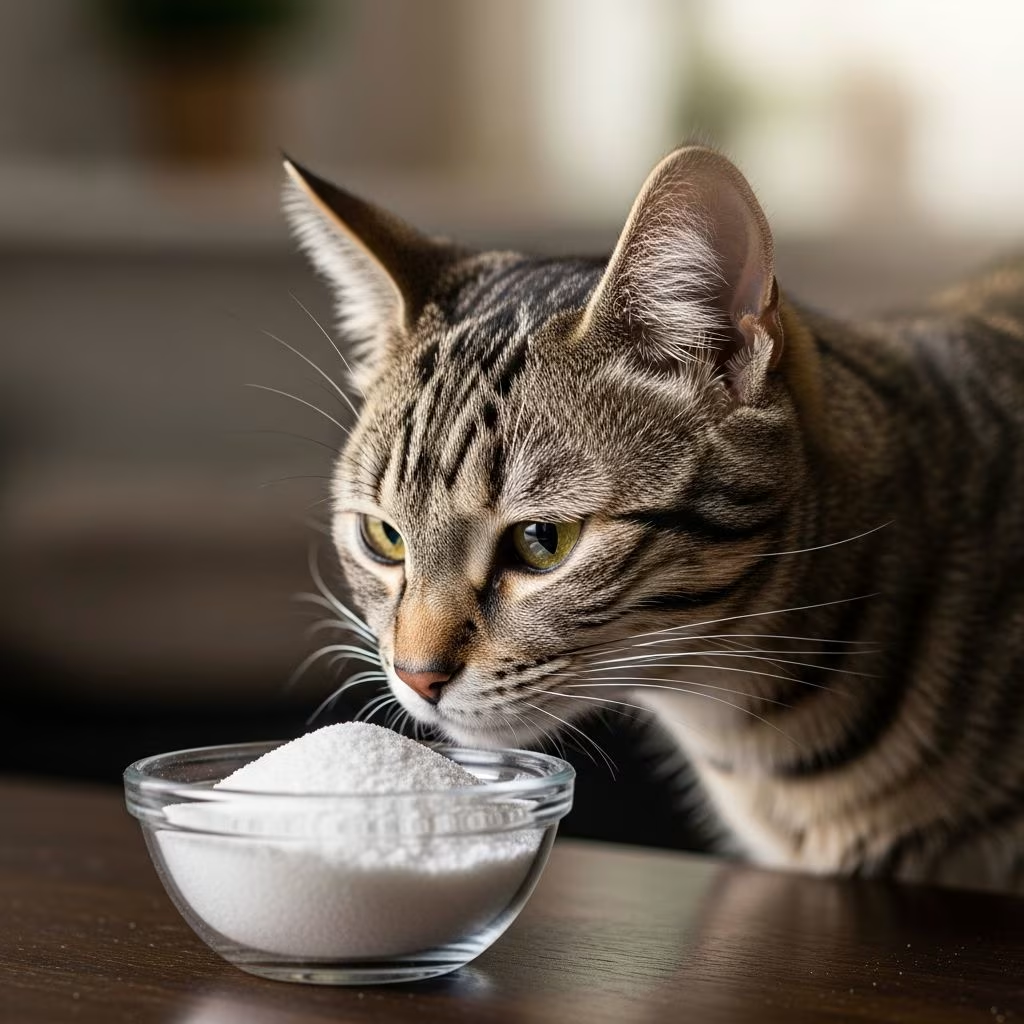
Borax, a common household cleaner and pest control agent, poses significant risks to cats. The short answer is no, borax is not safe for cats. It is toxic depending on the exposure amount, and its use should be strictly avoided or heavily supervised in homes with feline companions.
Cats are particularly vulnerable due to their grooming habits, which can lead to ingestion or inhalation. This comprehensive guide explores borax’s dangers, symptoms of toxicity, its misuse as a flea treatment, and safer alternatives endorsed by veterinary experts.
What Is Borax?
Borax, chemically known as sodium tetraborate decahydrate, is a naturally occurring mineral salt used in cleaning products, laundry boosters, and DIY pest remedies. It’s popular for killing ants, mold removal, and even homemade slime. However, its powdery form and solubility make it hazardous around pets.
While marketed as a ‘natural’ solution, borax’s toxicity profile—especially for small animals like cats—makes it unsuitable for households with pets. Veterinary sources emphasize that only EPA-registered products should be used near animals.
Is Borax Toxic to Cats?
Yes, borax is toxic to cats based on the dose ingested, inhaled, or absorbed through the skin. The Safety Data Sheet from the American Borate Company classifies it as a respiratory irritant, eye irritant, and potential reproductive toxin in high doses. Animal studies confirm developmental issues from ingestion.
Never apply borax directly to a cat’s skin, fur, carpets, or floors. Cats groom extensively, licking off residues, which leads to internal exposure. Even indirect contact from spills can cause harm.
Symptoms of Borax Poisoning in Cats
Exposure manifests quickly, with symptoms varying by dose:
- Gastrointestinal: Vomiting, drooling, diarrhea, oral pain, stomach pains
- Neurological: Lethargy, shivering, tremors, lack of coordination (ataxia)
- Respiratory: Coughing, difficulty breathing from inhalation
- Skin/Eye: Irritation, redness, swelling
- Severe Cases: Kidney damage, liver failure (rare but possible with high doses)
If you suspect exposure—especially after using borax for cleaning or pests—contact a veterinarian immediately. They may induce vomiting, administer IV fluids, or monitor kidney function. Online services like PangoVet offer 24/7 vet consultations for prompt advice.
Boric Acid vs. Borax: Key Differences and Risks
Boric acid (orthoboric acid) is derived from borax and used in insecticides. While related, they share toxicity concerns for cats. Boric acid kills pests by disrupting their exoskeletons and dehydrating them but is not safe for direct pet use.
| Aspect | Borax | Boric Acid |
|---|---|---|
| Primary Use | Cleaning, laundry, ant killer | Insecticide, flea powders |
| Toxicity to Cats | High (ingestion, inhalation) | High (larvae killer, but risky for pets) |
| Symptoms | Vomiting, kidney issues | GI upset, skin irritation |
| Safe Use? | No around cats | Only EPA-approved, pets excluded |
Both can bleach fabrics and irritate human skin/eyes. Always wear PPE and exclude pets.
Boric Acid as a Flea Treatment: Does It Work?
Boric acid is sometimes touted for fleas, targeting larvae by ingestion and dehydration. However, it is not recommended for cats. Cats may inhale or lick it during grooming, leading to poisoning.
Effectiveness is limited to environmental control (carpets, floors), not direct application. Studies show it reduces flea populations but requires thorough vacuuming and pet exclusion. Risks outweigh benefits:
- Ingestion causes GI distress
- Inhalation irritates airways
- Bleaching of surfaces
- Human/pet exposure hazards
Vet-approved flea treatments (spot-ons, collars) are safer and more effective.
Safe Alternatives for Flea Control and Cleaning
Opt for cat-specific products:
- Flea Control: EPA/FDA-approved topicals (e.g., fipronil, selamectin), oral meds, vet-prescribed collars
- Cleaning: Pet-safe enzymatic cleaners, vinegar solutions (diluted)
- Pest Control: Diatomaceous earth (food-grade, supervised), professional exterminators
Consult your vet for tailored recommendations. Integrated pest management (IPM) combines sanitation, vacuums, and targeted treatments.
What to Do If Your Cat Is Exposed to Borax
- Assess Exposure: Note amount, form (powder, solution), and time since contact.
- Remove Residue: Wipe surfaces; bathe cat if external (use mild shampoo).
- Monitor Symptoms: Watch for 24-48 hours.
- Seek Help: Call vet or poison hotline (e.g., Pet Poison Helpline). Treatments include decontamination, fluids, anti-nausea meds.
Prevention is key: Store in sealed containers, high shelves.
Human Safety and Household Precautions
Borax irritates eyes, skin, lungs. Wear gloves, masks; ventilate areas. Keep children/pets away during use and post-application.
Wrapping It Up
Borax and boric acid offer no safe benefits around cats. Stick to vet-approved, EPA-registered products for health and efficacy. Prioritize your cat’s safety over unproven ‘natural’ remedies.
Frequently Asked Questions (FAQs)
Q: Can I use borax to kill fleas on my cat?
A: No. Borax is toxic if licked or inhaled. Use vet-recommended flea treatments instead.
Q: What if my cat ate borax?
A: Contact a vet immediately. Symptoms like vomiting require prompt treatment.
Q: Is boric acid safe for carpets with cats?
A: Only EPA-approved versions, with cats excluded until vacuumed thoroughly.
Q: Are there natural flea remedies safer than borax?
A: Yes, like essential oil diffusers (supervised) or diatomaceous earth, but vet approval first.
Q: How do I store borax safely?
A: In child-proof, pet-proof containers on high shelves.
References
- Is Borax Safe for Cats? Vet-Approved Safety and Usage Advice — Catster (Veterinary Reviewed). 2023. https://www.catster.com/cat-health-care/is-borax-safe-for-cats/
- Is Borax Toxic to Dogs and Cats? — Trusted Housesitters. 2023. https://www.trustedhousesitters.com/blog/pets/is-borax-toxic-to-dogs-and-cats/
- Borax Safety Data Sheet — American Borate Company (U.S. EPA Registered). 2024-01-15. https://www.borax.com/products/borax-safety-data-sheet
- Pet Poison Helpline: Boric Acid and Borax — Pet Poison Helpline (Veterinary Toxicology Experts). 2025-06-10. https://www.petpoisonhelpline.com/poison/borax/
- Acute Boron Toxicity in Cats — ASPCA Animal Poison Control Center. 2024. https://www.aspca.org/pet-care/animal-poison-control/toxic-and-non-toxic-plants/boron-compounds



