

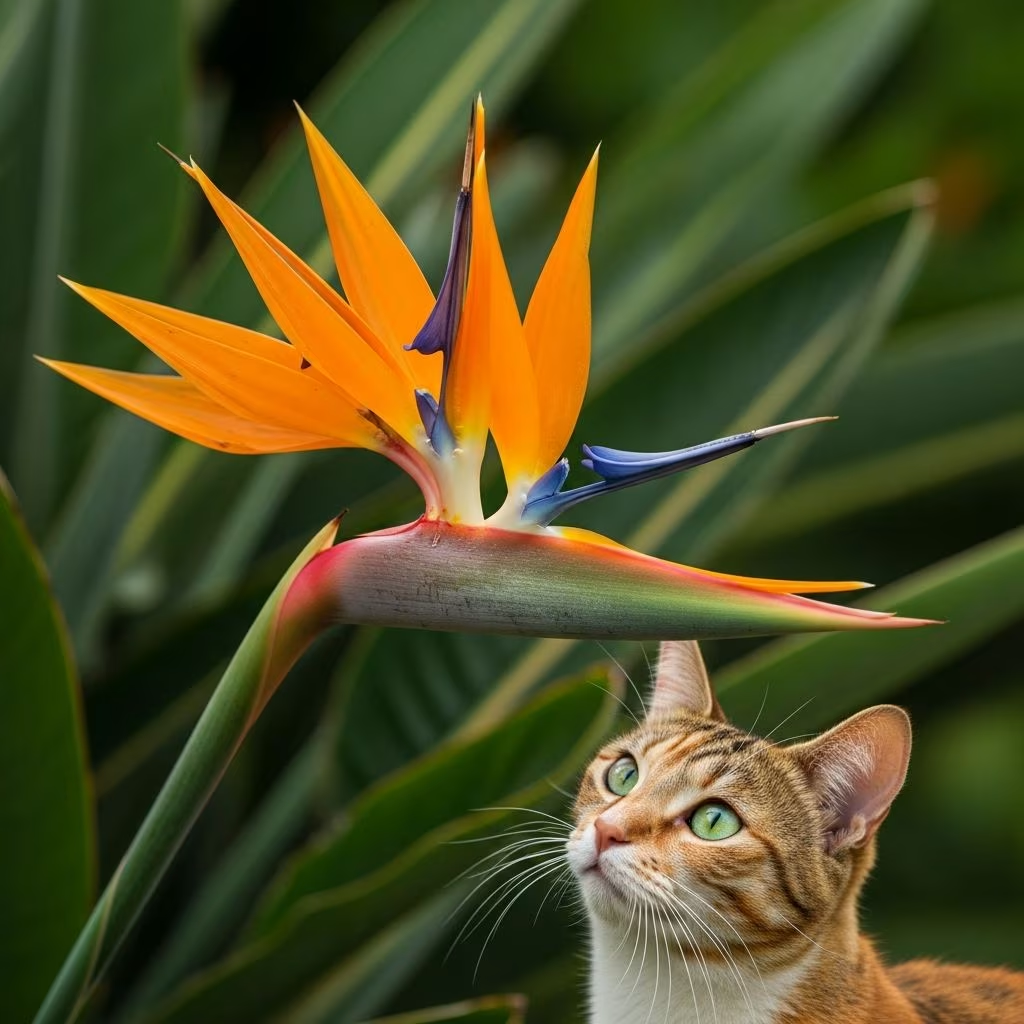
The Bird of Paradise (Strelitzia reginae), with its striking orange and blue flowers and lush green leaves, is a popular houseplant admired for its tropical appeal. However, cat owners often wonder: is this beauty safe around curious felines? Birds of Paradise are mildly toxic to cats, primarily causing gastrointestinal irritation if ingested. While not life-threatening in small amounts, symptoms like nausea, vomiting, and drowsiness can occur, especially from the fruit and seeds. This vet-reviewed guide covers everything you need to know about the risks, symptoms, response steps, safe alternatives, and prevention strategies to keep your cat healthy.
What Is the Bird of Paradise Plant?
The Bird of Paradise, also known as Crane Flower or Bird’s Tongue Flower, belongs to the Strelitziaceae family. Native to South Africa’s eastern coast, it thrives indoors as a large, dramatic houseplant reaching up to 6 feet tall. Its broad, banana-like leaves and exotic bird-like blooms make it a favorite in home decor, particularly during summer when flowers peak. Despite its allure, the plant contains gastrointestinal irritants that can upset a cat’s sensitive stomach. The fruit and seeds are the most concerning parts, though leaves and stems can also provoke reactions.
Cats are natural explorers, often nibbling on plants out of curiosity, boredom, or teething. The dangling, strand-like splits in mature Bird of Paradise leaves are especially tempting for play, increasing ingestion risks. While human-safe in moderation, this plant warrants caution in pet households.
Is the Bird of Paradise Plant Poisonous to Cats?
Yes, Bird of Paradise is poisonous to cats, but the toxicity level is mild. According to the ASPCA, it affects cats, dogs, and horses via GI irritants, leading to mild nausea, vomiting, and drowsiness, mainly from fruit and seeds. The LSU School of Veterinary Medicine confirms this, noting the same clinical signs and emphasizing that Strelitzia reginae is the culprit species.
Some sources highlight additional compounds: seeds contain tannins (tannic acid), which impair protein digestion and energy metabolism in animals, per studies in the National Library of Medicine. Leaves may harbor hydrocyanic acid, potentially causing digestive issues, breathing difficulties, or eye discharge—seek immediate vet care if observed. The Animal Poisons Helpline describes it as minimally toxic, with reports of vomiting, diarrhea, reduced appetite, lethargy, and ataxia in pets.
Importantly, do not confuse it with the more toxic shrub Bird of Paradise (Caesalpinia gilliesii or Poinciana gilliesii), also called Barbados Pride, Peacock Flower, or Pride of Barbados. This outdoor variety poses greater risks and is less common indoors. Overall, while severe poisoning is rare, any ingestion merits monitoring.
What Happens If a Cat Eats Bird of Paradise?
If your cat chews on Bird of Paradise, expect mild symptoms appearing within hours:
- Nausea and drooling: Early signs of oral irritation.
- Vomiting: Common due to GI upset, often with plant material.
- Diarrhea: Loose stools from digestive irritation.
- Drowsiness or lethargy: Reduced energy from mild systemic effects.
- Ataxia: Unsteadiness, less common.
Symptoms typically resolve in 24-48 hours without intervention, but severity depends on ingested amount and plant part. Seeds and fruit amplify risks due to higher irritant concentrations. Rare cases from leaf hydrocyanic acid might include respiratory distress or eye issues—treat as emergencies.
What to Do if Your Cat Eats Birds of Paradise
Act swiftly but calmly. First, prevent further access by isolating the plant. Note the ingestion time, amount, and plant part for your vet. Do not induce vomiting unless instructed, as it can worsen irritation.
- Contact a professional immediately: Call your vet, ASPCA Poison Control (888-426-4435), or an online service like PangoVet for guidance.
- Monitor closely: Watch for worsening symptoms like persistent vomiting, blood in stool, seizures, or breathing issues.
- Supportive care at home: Offer fresh water to prevent dehydration. Withhold food for 12-24 hours if vomiting occurs, then introduce a bland diet (boiled chicken and rice) gradually.
- Vet visit if needed: Bring a plant sample. Treatment may include anti-nausea meds, fluids, or activated charcoal.
Most cats recover fully with prompt care. Early intervention minimizes discomfort and complications.
Keeping Your Pet Safe from Houseplants
Proactive steps ensure a greenery-filled home without risks. Start by researching via ASPCA’s Toxic and Non-Toxic Plants List before buying.
Deterrents for Existing Plants
- Relocate to cat-free zones like high shelves or closed rooms.
- Apply sticky tape or aluminum foil around pots—cats dislike the texture.
- Use citrus scents: Place orange/lemon peels or spray diluted citrus oil (refresh regularly to avoid mold).
- DIY repellent: Mix water, cayenne, and Tabasco; spray leaves sparingly.
- Provide alternatives: Cat grass, catnip toys, or scratching posts redirect chewing urges.
Cat-Safe Plant Alternatives
Opt for non-toxic beauties that mimic tropical vibes. Here’s a comparison:
| Plant Name | Toxicity | Care Level | Appeal |
|---|---|---|---|
| African Violet | Safe | Easy | Colorful blooms |
| Spider Plant | Safe | Low-maintenance | Arching leaves |
| Boston Fern | Safe | Moderate | Lush fronds |
| Parlor Palm | Safe | Easy | Tropical look |
| Venus Flytrap | Safe (use distilled water) | Moderate | Unique carnivorous |
These thrive in similar conditions to Bird of Paradise—bright indirect light, moderate watering—and are resilient to curious paws.
Other Toxic Houseplants to Avoid
Beyond Bird of Paradise, steer clear of these common dangers:
- Lilies: Highly toxic; even pollen can cause kidney failure.
- Pothos & Philodendron: Oral irritation, swelling.
- Ficus: Sap causes dermatitis, GI upset.
- Daffodil: Vomiting, cardiac issues from bulbs.
- Jade Plant: Depression, incoordination.
Always verify new plants. Education empowers safe choices.
Frequently Asked Questions (FAQs)
Are Birds of Paradise flowers safe in bouquets?
No, avoid them if seeds are present; they heighten toxicity risks.
How quickly do symptoms appear after ingestion?
Usually within 1-4 hours, resolving in 1-2 days for mild cases.
Can I keep Bird of Paradise if my cat ignores plants?
Better not—cats’ interests change. Prioritize safety with alternatives.
Is the shrub Bird of Paradise the same?
No, Caesalpinia gilliesii is more toxic; both are unsafe.
What if symptoms persist beyond 48 hours?
Seek vet care immediately for potential complications.
In summary, while Bird of Paradise offers stunning aesthetics, its mild toxicity makes it unsuitable for cat homes. Choose safe plants, use deterrents, and act fast on ingestions for peace of mind. Your feline’s health is worth the swap.
References
- Are Bird of Paradise Toxic to Cats? — Green Matters. 2023. https://www.greenmatters.com/pets/bird-of-paradise-toxic-to-cats
- Is Bird of Paradise Toxic to Cats? Vet-Reviewed Houseplants — Catster. 2024-01-15. https://www.catster.com/cat-health-care/is-bird-of-paradise-toxic-to-cats/
- Toxic and Non-toxic Plants: Bird of Paradise Flower — ASPCA. 2023-05-10. https://www.aspca.org/pet-care/aspca-poison-control/toxic-and-non-toxic-plants/bird-paradise-flower
- Bird of Paradise — LSU School of Veterinary Medicine. 2022. https://www.lsu.edu/vetmed/toxic_plants/bird_of_paradise.php
- Bird of Paradise Plants & Pet Safety — Animal Poisons Helpline. 2023-11-20. https://www.animalpoisons.com.au/news/birds-of-paradise/



