

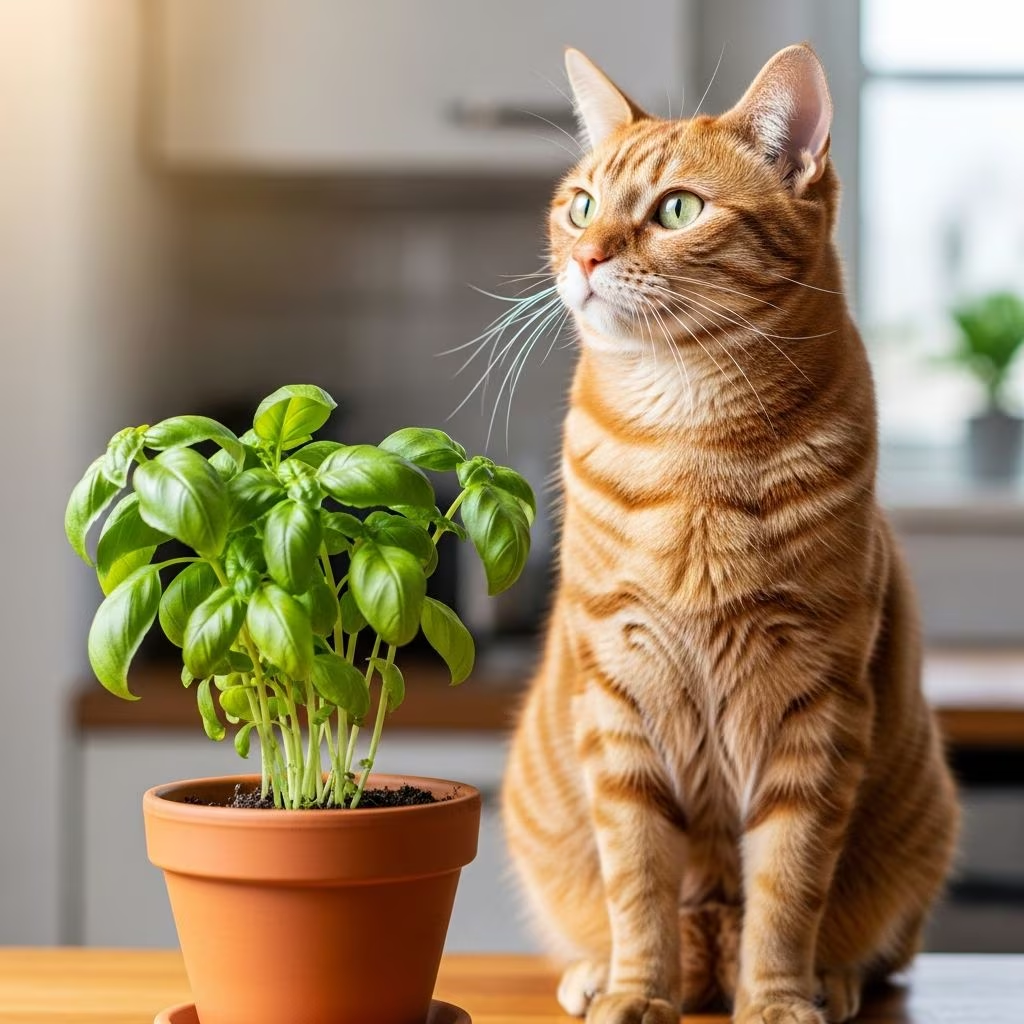
Is Basil Safe for Cats? Vet-Verified Safety Guide
As a cat owner, you may wonder about the safety of common household herbs, especially if your feline friend has a habit of investigating plants in your home or garden. One herb that frequently raises questions is basil, a popular culinary ingredient found in many kitchens. If you’re concerned about whether your cat can safely interact with basil plants or consume small amounts of this herb, you’ve come to the right place. This comprehensive guide explores the safety of basil for cats, its nutritional value, and other herbs you should know about.
What Is Basil?
Basil (Ocimum basilicum), commonly known as sweet basil, is a member of the mint family and is native to India. Today, it is grown worldwide and serves as a staple culinary herb, particularly in Italian cuisine. This aromatic herb is the foundation of pesto, a beloved sauce made from basil leaves, garlic, pine nuts, and olive oil. Basil is regularly used to enhance the flavor of pizzas, pasta dishes, fish, and meat preparations.
Beyond its culinary uses, basil contains valuable compounds including antioxidants such as lutein and beta-carotene, which help protect cells from damage. While basil is widely recognized as a healthy ingredient for human consumption, the question remains: is this herb equally safe and beneficial for our feline companions?
Is Basil Safe for Cats?
Basil is not considered poisonous or toxic for cats. According to the ASPCA, an excellent resource for identifying toxic plants, basil is non-toxic for both cats and dogs. This means you don’t need to panic if your cat knocks over your basil plant, takes a few nibbles from your plate, or brushes past it in your herb garden.
However, there’s an important distinction to make: while basil is safe for cats to consume, it doesn’t offer significant nutritional benefits to felines. Since cats are obligate carnivores, meaning they require a meat-based diet to thrive, plant-based foods like basil provide minimal nutritional value.
Can Cats Eat Basil?
Technically, yes—cats can eat basil without experiencing poisoning or toxicity. However, whether they should eat basil is a different matter. Most cats find basil unappealing due to its strong flavor and aroma, characteristic of the mint family. Your cat is unlikely to show much interest in basil on their own.
Since basil offers no significant health benefits to cats, there is no reason to deliberately feed it to your pet. The herb is safe enough that you shouldn’t worry if your cat steals a small amount from your plate or accidentally ingests a leaf or two, but intentionally giving basil to your cat is unnecessary.
Nutritional Value of Basil for Cats
While basil contains beneficial compounds for humans, the nutritional profile differs significantly for cats. The herb does contain some micronutrients, including folic acid, which cats need in small amounts. However, these micronutrients are present in such minimal quantities that basil cannot be considered a significant dietary source for your feline.
Cats obtain their nutritional requirements most efficiently through meat-based proteins and specially formulated cat foods. Plant-based herbs and vegetables should never form the foundation of a cat’s diet and are best treated as occasional treats at most.
Other Herbs That Are Safe for Cats
While basil is safe, not many herbs offer substantial benefits to cats due to their obligate carnivore nature. However, several herbs are considered safe for feline consumption and may provide some advantages:
- Catnip (Nepeta cataria): Many cats love catnip and may roll around when exposed to it. This herb can serve as an effective attractant to encourage your cat to use scratching posts or litter boxes. Catnip can be grown indoors or outdoors and may offer protective benefits against mosquitoes.
- Valerian Root (Valeriana officinalis): This herb is safe for cats and has a wide margin of safety. Like its effects in humans, valerian root possesses calming properties and is commonly found in feline anxiety and stress-relief products.
- Parsley: A digestive herb that can aid in your cat’s digestion while freshening their breath naturally.
- Lemon Balm: Another digestive aid that supports healthy digestion and breath freshness in cats.
- Cat Grass: Specifically cultivated for feline consumption, cat grass helps with hairball remedies and digestion.
- Silver Vine: Similar to catnip, silver vine attracts many cats and provides enrichment and stimulation.
- Oat Straw: A safe herb that can be beneficial for feline health.
If you’re planning to introduce any herbal supplement to your cat’s routine, consult with your veterinarian first to ensure it’s appropriate for your individual pet.
What Herbs Are Dangerous for Cats?
Not all herbs are safe for cats, and some can cause serious health complications. If your cat tends to investigate plants by eating them, you should avoid growing the following herbs in your home:
1. Garlic and Allium Family Plants
Garlic is one of the better-known toxins for both cats and dogs. Members of the Allium family—which includes garlic, onions, chives, and leeks—are all toxic to cats. If ingested, these plants can cause digestive upset, damage red blood cells, lead to anemia, and in severe cases, even result in death. It’s crucial to keep all members of this plant family away from your feline companions.
2. Chamomile
While chamomile is often promoted as a safe, natural relaxant for cats, this information is misleading and potentially dangerous. Roman chamomile (Chamaemelum nobile) is toxic to cats and can cause contact dermatitis when your cat’s skin comes into contact with the plant. Additionally, ingesting chamomile may lead to gastrointestinal upset in felines. Be cautious about using chamomile products intended for cats without veterinary guidance.
Other Toxic Herbs to Avoid
Additional herbs that should be avoided include:
- Lilies (particularly toxic and life-threatening)
- Essential oil extracts of various plants
- Certain plant preparations that concentrate toxic compounds
Basil Varieties: Which Types Are Safe?
Basil comes in several varieties, each with its own flavor profile and characteristics. The most common varieties include:
- Sweet Basil (Ocimum basilicum): The most common culinary variety, safe for cats
- Thai Basil (Ocimum basilicum var. thyrsiflora): Used in Southeast Asian cuisine, safe for cats
- Lemon Basil (Ocimum americanum): A citrus-flavored variety, safe for cats
- Holy Basil or Tulsi (Ocimum tenuiflorum): Used in traditional medicine, safe for cats
- Cinnamon Basil (Ocimum gratissimum): A warm-flavored variety, safe for cats
- African Basil (Ocimum gratissimum): Another variety, safe for cats
All common basil varieties are safe for cats to be around or consume in small amounts, though none offer significant nutritional benefits to felines.
Growing Basil Safely in Homes with Cats
If you enjoy growing basil for your culinary needs, you can do so safely in a home with cats. Basil is a popular culinary herb that is completely safe for cats, though it remains unlikely that your feline will show much interest in nibbling on it. Basil is easy to grow in pots or garden beds and thrives in full sun, though it can also tolerate partial sunlight.
To prevent potential digestive upset from excessive plant consumption, it’s best practice to keep all plants—even non-toxic ones—out of your cat’s primary reach when possible. While basil won’t poison your cat, consuming too much of any plant material may cause mild digestive disturbances.
Is Basil Toxic to Cats?
No, basil is not toxic to cats. As a member of the mint family, basil is very popular as a culinary herb for humans and offers health benefits for people. While basil isn’t toxic for cats, it also offers minimal nutritional benefit to obligate carnivores. You don’t need to stop growing basil in your herb garden and shouldn’t worry if your cat has eaten basil from your plate or garden.
It is highly unlikely that your cat will enjoy or even appreciate the flavor of basil. The strong herbal taste characteristic of the mint family tends to be unappealing to most felines, making accidental ingestion the most probable scenario should your cat interact with the plant.
Frequently Asked Questions About Basil and Cats
Q: What should I do if my cat eats basil?
A: If your cat consumes a small amount of basil, there’s no need to panic. Basil is not toxic to cats, and a few nibbles won’t cause poisoning. However, if your cat consumes a large quantity and shows signs of digestive upset, contact your veterinarian.
Q: Will basil freshen my cat’s breath?
A: While anecdotal reports suggest basil may help with cat breath odor due to its mint family connection, there is no scientific evidence supporting this use. If your cat has persistent bad breath, consult your veterinarian, as this may indicate underlying dental or health issues.
Q: Can I give my cat basil supplements?
A: Always consult with your veterinarian before giving any herbal supplements to your cat, including basil-based products. Your vet can determine whether such supplements are appropriate for your individual pet’s health status.
Q: Are all mint family herbs safe for cats?
A: Not all mint family members are equally beneficial, though basil and catnip are safe. Always research specific herbs before introducing them to your cat’s environment.
Q: What’s the difference between herbs that are safe and herbs that are beneficial?
A: Safe herbs won’t poison your cat but may not offer nutritional benefits. Beneficial herbs may provide health advantages such as digestive support or stress relief. Just because an herb is safe doesn’t mean your cat needs it in their diet.
References
- Is Basil Safe for Cats? Vet-Verified Nutritional Facts & Safety Guide — Catster. 2025. https://www.catster.com/cat-health-care/is-basil-safe-for-cats/
- 10 Herbs That Are Safe for Cats (& Ones to Avoid) Our Vet Answers — Catster. 2025. https://www.catster.com/ask-the-vet/herbs-that-are-safe-for-cats/
- Grow a Herb Garden That’s Safe for Your Cat — Catster. 2025. https://www.catster.com/cat-health-care/grow-a-herb-garden-thats-safe-for-your-cat/
- 21 Plants That Are Safe for Cats (Vet Approved) — Catster. 2025. https://www.catster.com/cat-health-care/plants-safe-for-cats/
- 16 Herbs for Cats That Improve Health & Are Feline Friendly (Vet Reviewed) — Catster. 2025. https://www.catster.com/ask-the-vet/herbs-for-cats/



