

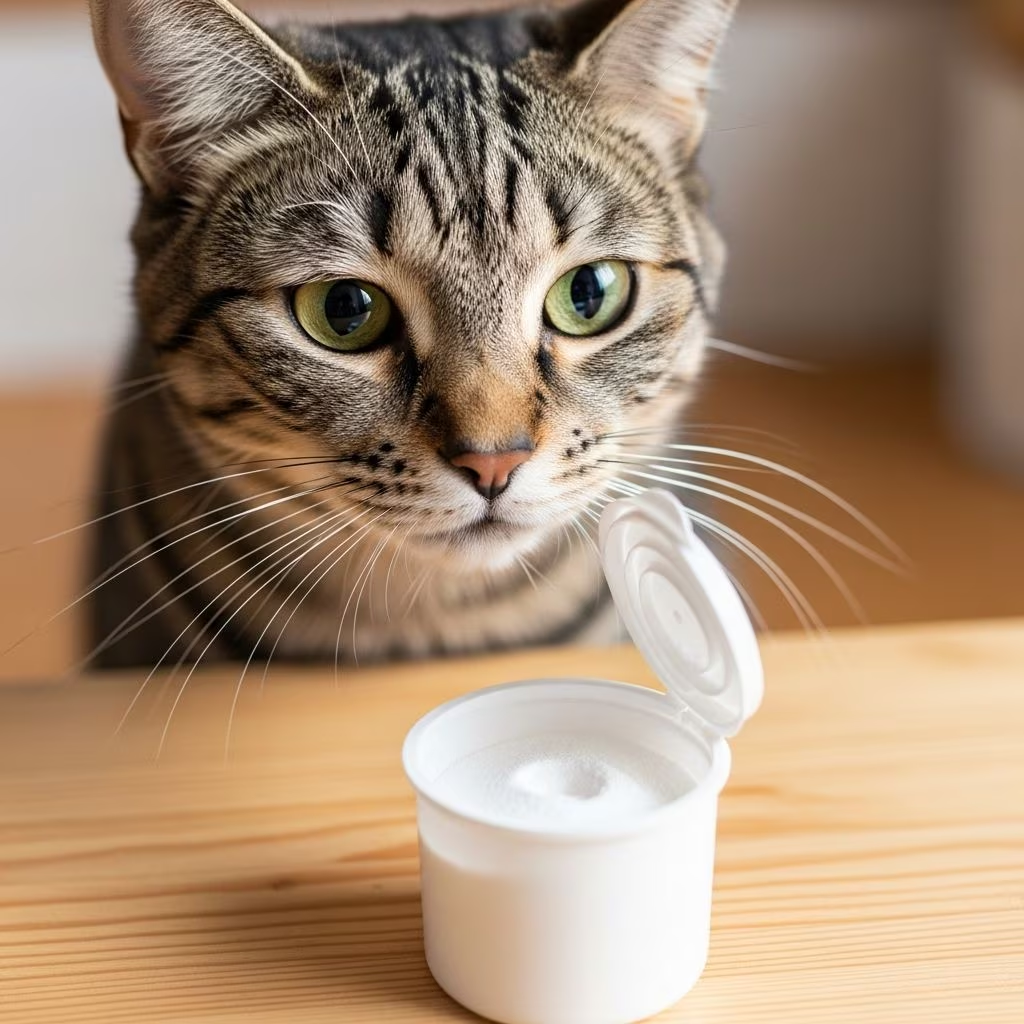
Baking soda, or sodium bicarbonate, is a common household item used for cleaning, deodorizing, and cooking. While safe for humans in moderation, it poses significant risks to cats if ingested. Cats’ smaller size, sensitive metabolism, and grooming habits make even small amounts potentially toxic, leading to vomiting, electrolyte imbalances, and severe health issues. This article examines the dangers, safe usage guidelines, symptoms of toxicity, and safer alternatives.
What Is Baking Soda?
Baking soda is sodium bicarbonate (NaHCO₃), a white crystalline powder with alkaline properties. It reacts with acids to produce carbon dioxide gas, making it useful in baking, cleaning, and odor neutralization. In households with cats, it’s often sprinkled in litter boxes, on carpets, or used for DIY remedies. However, cats may ingest it through licking treated surfaces or grooming residue from their fur. Unlike humans, cats lack the ability to process high sodium loads efficiently, increasing toxicity risks.
Is Baking Soda Toxic to Cats?
Yes, baking soda is toxic to cats when ingested in sufficient quantities. Small accidental exposures may not cause harm in healthy adults, but doses exceeding 0.5–1.0 g/kg body weight can trigger serious symptoms. For a typical 4.5 kg (10 lb) cat, this equates to about 2.25–4.5 grams, or roughly half a teaspoon. Kittens, seniors, or cats with pre-existing conditions like kidney disease face lower thresholds. Toxicity arises from sodium overload (hypernatremia), metabolic alkalosis, and electrolyte disruptions, differing from human or canine tolerances due to cats’ obligate carnivore physiology.
Symptoms of Baking Soda Toxicity in Cats
Signs appear rapidly, often within 3 hours of ingestion. Monitor for:
- Vomiting: Most common initial symptom, sometimes profuse.
- Diarrhea: Loose stools due to gastrointestinal irritation.
- Lethargy and depression: Generalized weakness and disinterest in surroundings.
- Tremors or seizures: From electrolyte imbalances like low potassium or calcium.
- Shortness of breath: Respiratory distress from metabolic alkalosis.
- Disorientation: Neurologic effects from hypernatremia.
Severe cases can lead to congestive heart failure or muscle spasms. If symptoms occur, contact a veterinarian or pet poison hotline immediately—do not induce vomiting without professional guidance.
How Much Baking Soda Is Toxic to Cats?
Toxicity thresholds vary by cat size and health. The table below outlines approximate dangerous doses based on veterinary pharmacology data:
| Cat Weight | Potentially Toxic Dose (g) | Equivalent (Approx. Teaspoon) |
|---|---|---|
| 1–10 lbs (0.45–4.6 kg) | >0.3 Tbsp | >1.5 g |
| 11–25 lbs (5–11.4 kg) | >3 Tbsp | >15 g |
For most household cats (4–5 kg), over 2 grams (half teaspoon) risks severe effects. Factors amplifying danger include dehydration, renal issues, or concurrent medications.
Why Do Cats Ingest Baking Soda?
Curiosity drives many incidents: cats may lick salty, bitter residues from curiosity or texture. Common exposure routes include:
- Litter boxes with added baking soda.
- Carpets or furniture sprinkled for odors, then groomed.
- Bedding or fur treated for fleas.
- Countertops or floors during cleaning.
Prevent by storing securely, vacuuming thoroughly, and avoiding direct application.
Using Baking Soda in the Litter Box: Safe or Not?
Lightly mixing minimal amounts into litter (not sprinkling on top) may neutralize odors without high risk, but many vets advise against it. Residue can cling to paws and be ingested during grooming. Safer to choose baking soda-free litters with natural deodorizers. Always monitor for paw irritation or ingestion signs.
Baking Soda on Carpets and Furniture Around Cats
Sprinkling on carpets for deodorizing is common but risky. Vacuum completely before cats access the area to remove residue. Never use on bedding or areas where cats sleep/groom. Alternatives like enzyme cleaners are pet-safe.
Can Baking Soda Be Used for Cat Dental Care?
In minimal amounts within vet-formulated dental products (e.g., wipes), baking soda aids cleaning and plaque reduction without direct ingestion. Avoid DIY pastes or brushing, as swallowing occurs. Its antimicrobial and abrasive properties benefit oral health, but toxicity outweighs benefits for home use.
Baking Soda for Flea Control on Cats: Risks vs. Benefits
Not recommended. Applying to fur leads to grooming ingestion. Safer flea treatments include vet-prescribed topicals or collars. Baking soda lacks proven efficacy against fleas and heightens toxicity risk.
What to Do If Your Cat Ingests Baking Soda
- Assess amount: Estimate ingested quantity.
- Call professionals: Contact vet, ASPCA Poison Control (888-426-4435), or Pet Poison Helpline (855-764-7661).
- Monitor closely: Watch for symptoms 1–3 hours post-ingestion.
- Seek emergency care: For any symptoms or large doses—IV fluids may be needed to correct electrolytes.
- Do not: Force vomiting or give home remedies without advice.
Early intervention improves outcomes dramatically.
Safe Alternatives to Baking Soda for Cat Owners
Opt for these vet-approved options:
- Litter deodorizers: Zeolite or carbon-based litters.
- Odor eliminators: Enzymatic sprays (e.g., Nature’s Miracle).
- Carpet cleaners: Pet-safe steam cleaning or vinegar solutions (diluted).
- Dental care: Enzymatic toothpastes or professional cleanings.
- Flea control: Prescription preventives like Revolution or Frontline.
These avoid sodium risks while effectively managing home hygiene.
Special Considerations for Kittens, Seniors, and Sick Cats
Vulnerable cats tolerate even trace amounts poorly. Kittens’ immature kidneys, seniors’ reduced function, and diseased cats (e.g., CKD) amplify risks. Use zero-tolerance approaches: no household baking soda exposure.
Frequently Asked Questions (FAQs)
Can baking soda cause kidney disease in cats?
Large or repeated ingestions can exacerbate existing kidney issues via electrolyte imbalance but do not directly cause chronic disease.
Is it safe to sprinkle baking soda in the litter box?
Only if minimally mixed in, not on top, to avoid ingestion. Better to avoid altogether.
What if my cat eats a small amount of baking soda?
Healthy cats may show mild GI upset; monitor and call vet if concerned. No symptoms often mean no treatment needed.
Can I use baking soda on carpets with cats?
Yes, if vacuumed thoroughly first to remove all residue.
Why are cats more sensitive than dogs or humans?
Smaller size, unique metabolism, and grooming habits increase effective dose relative to body weight.
Conclusion
Baking soda offers household utility but demands caution around cats. Prioritize prevention through alternatives and vigilance. When in doubt, consult your veterinarian for tailored advice. Keeping baking soda inaccessible ensures your cat’s safety without sacrificing cleanliness.
References
- Is Baking Soda Harmful to Cats? What Every Pet Owner Should Know — Fully Healthy. 2023. https://fullyhealthy.com/blogs/news/is-baking-soda-harmful-to-cats-what-every-pet-owner-should-know
- Is Baking Soda Safe for Dogs and Cats? — HICC Pet. 2023. https://hiccpet.com/blogs/dogs/is-baking-soda-safe-for-dogs-and-cats
- Foods Poisonous to Cats: Baking Powder and Baking Soda — PetPlace.com. 2023. https://www.petplace.com/article/cats/pet-health/cat-health/cat-diet-nutrition/the-ultimate-guide-to-what-cats-cant-eat
- Can I Use Baking Soda in Cat Litter Box? A Comprehensive Guide — UAH Pet. 2023. https://www.uahpet.com/blogs/post/can-i-use-baking-soda-in-cat-litter-box-a-comprehensive-guide
- Baking Soda Toxicity in Pets — American College of Veterinary Pharmacists (vetmeds.org). 2023. https://vetmeds.org/pet-poison-control-list/baking-soda/



