

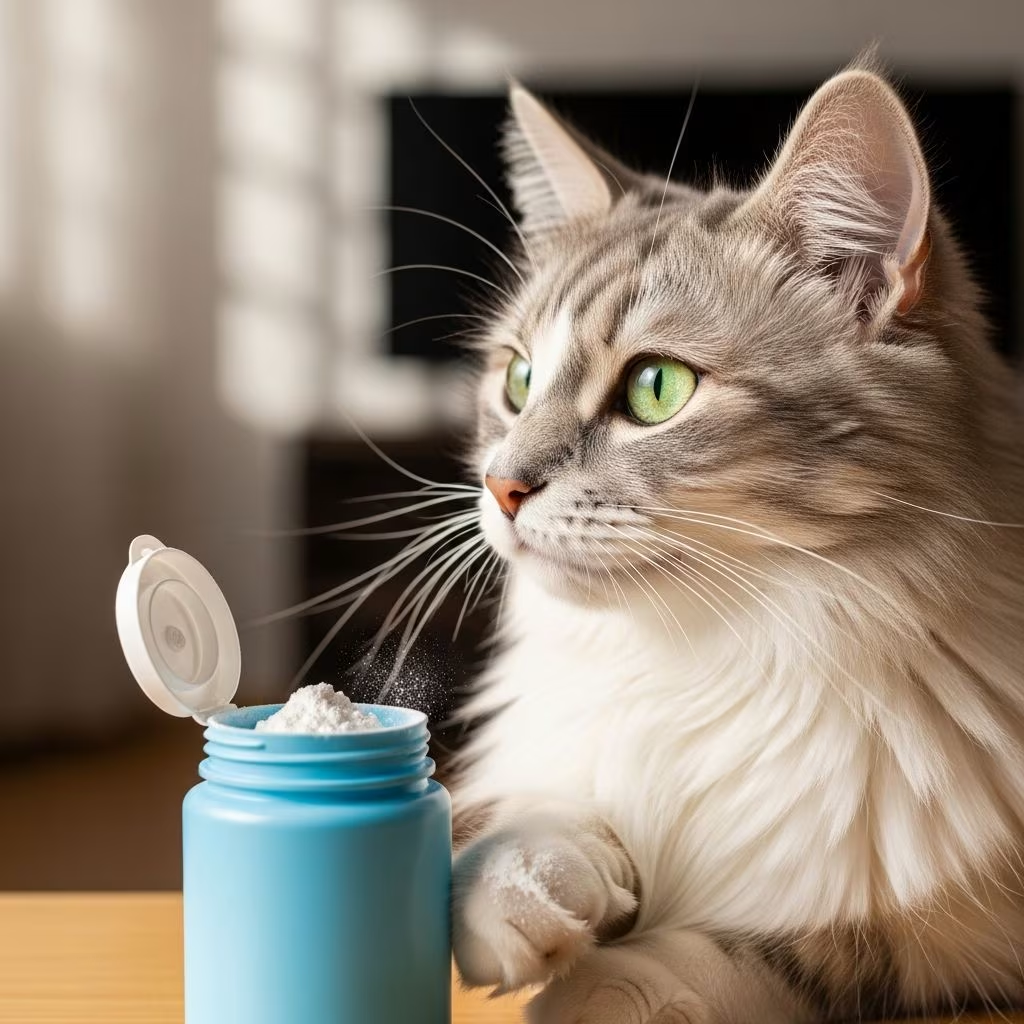
Baby powder is not safe for cats, whether it contains talc or cornstarch. Veterinary experts strongly advise against using it on or around felines due to risks of respiratory irritation, ingestion poisoning, and other health complications from inhalation or grooming.
Many cat owners consider baby powder for freshening fur, absorbing moisture, or deterring fleas, but these uses can lead to serious harm. Cats’ grooming habits make them prone to ingesting powders, and their sensitive respiratory systems suffer from fine particles. This comprehensive guide covers the dangers, ingredients breakdown, symptoms, safer alternatives, and emergency actions, drawing from vet-reviewed insights.
Why Do Cat Owners Consider Using Baby Powder?
Cat owners sometimes reach for baby powder thinking it’s a gentle, human-safe product that could benefit their pets. Common reasons include:
- Absorbing excess moisture: To keep fur dry, especially in humid climates or for hairless breeds like Sphynx.
- Freshening scent: To mask odors between baths without water.
- Softening coat: Believing it creates silky fur similar to baby skin care.
- Flea control: As a DIY repellent, dusting to suffocate parasites.
However, these perceived benefits are outweighed by substantial risks. Dr. Luqman Javed, a Catster in-house veterinarian, emphasizes that baby powder—regardless of talc or cornstarch base—harms cats’ respiratory systems and should never be applied directly.
What Are the Dangers of Baby Powder for Cats?
Baby powder’s fine particles pose immediate and long-term threats. When dusted on fur, cats inhale it during grooming or breathing, leading to lung irritation. Inhalation causes particles to settle in airways, triggering inflammation.
Key dangers include:
- Respiratory distress: Coughing, wheezing, sneezing, or labored breathing from powder clogging lungs.
- Pulmonary issues: Chronic exposure risks fibrosis or permanent damage, as particles are not easily cleared by feline lungs.
- Ingestion toxicity: Licking powder off fur introduces it to the digestive tract, causing vomiting, diarrhea, or blockages.
Small accidental inhalation may cause minor sneezing, but repeated or heavy exposure demands veterinary intervention. Even trace amounts on fur can accumulate harm over time.
Talc vs. Cornstarch: Which Is Worse for Cats?
| Ingredient | Risks for Cats | Severity | Source Notes |
|---|---|---|---|
| Talcum Powder | Inhalation causes breathing problems, coughing, chest pain; potential asbestos contamination raises cancer risk; ingestion leads to poisoning. | High – Avoid completely | Linked to lab animal poisoning; human studies show respiratory harm. |
| Cornstarch | Ingestion may upset stomach (vomiting, diarrhea); inhalation irritates airways (coughing, sneezing). | Moderate – Still unsafe | Cats digest small amounts but large intake causes GI issues. |
Talc-based powders are particularly hazardous due to talc’s mineral structure, which can mimic asbestos if contaminated. Modern regulations reduce asbestos in consumer products, but risks persist. Cornstarch seems milder but still irritates lungs and guts when licked off. Neither is vet-approved for pets.
Symptoms of Baby Powder Exposure in Cats
Monitor your cat closely if exposure is suspected. Symptoms vary by amount and type:
- Immediate respiratory: Sneezing, coughing, wheezing, rapid breathing, nasal discharge.
- Gastrointestinal: Vomiting, diarrhea, lethargy, loss of appetite from ingestion.
- Severe signs: Difficulty breathing, blue gums, collapse – emergency!
- Long-term: Chronic cough, weight loss, reduced activity.
A few sneezes post-exposure may resolve, but persistent symptoms like wheezing warrant a vet visit. Hairless or brachycephalic breeds (e.g., Persians) face amplified risks due to sensitive airways.
What Should You Do If Your Cat Inhales or Ingests Baby Powder?
Act swiftly but calmly:
- Remove from source: Isolate cat from powder area; keep others away.
- Do not induce vomiting: Risk aspiration; let vet guide.
- Clean fur safely: Brush off excess outdoors; use pet clippers for heavy dusting to avoid scissors cuts. Bathe only with vet-approved shampoo if advised.
- Contact vet immediately: Provide product details, amount, and symptoms. They may recommend monitoring, activated charcoal, or supportive care like oxygen.
- Monitor 24-48 hours: Watch for worsening; bring packaging to clinic.
For minor fur contact, vets may suggest observation. Always err on caution—better safe than sorry.
Are There Safer Alternatives to Baby Powder for Cats?
Yes! Vet-recommended options exist for moisture control, odor neutralization, and grooming without risks:
- Pet-safe dry shampoos: Waterless foams absorb oils; brands like Earthbath or Vet’s Best.
- Cornstarch alternatives: Plain, organic cornstarch sparingly on dry fur—but only vet-approved and minimal.
- Flea preventives: Prescription topicals (e.g., Revolution) or oral meds; never DIY powders.
- Odor absorbers: Baking soda in litter or enzyme sprays like Nature’s Miracle.
- Moisture wicking: Absorbent bedding or frequent brushing for oil distribution.
Consult your vet for breed-specific advice. Regular grooming with a slicker brush prevents oil buildup naturally.
Preventing Accidental Exposure
Proactive steps safeguard your home:
- Store powders in sealed, high cabinets.
- Close bathroom doors during use.
- Educate household on pet risks.
- Use pet-only products exclusively.
- Supervise hairless breeds closely.
For Sphynx owners, oil baths with coconut oil beat powders for skin health.
Other Household Items Unsafe for Cats
Baby powder isn’t alone—beware these:
- Cleaning chemicals: Bleach, disinfectants irritate skin/paws.
- Dog products: Flea treatments with permethrin are lethal.
- Essential oils: Tea tree, eucalyptus toxic via inhalation/ingestion.
- Human meds: Ibuprofen, acetaminophen deadly.
Pet-proof by elevation and awareness.
Frequently Asked Questions (FAQs)
What happens if my cat inhales a small amount of baby powder?
Small amounts may cause sneezing but monitor for coughing or breathing issues. Contact vet if symptoms persist.
Is cornstarch baby powder okay for cats?
No, it irritates lungs and causes stomach upset when ingested.
Can I use baby powder for flea control on cats?
Never—use vet-prescribed treatments only.
How do I clean baby powder off my cat’s fur?
Brush outdoors, clip if needed, bathe with pet shampoo per vet advice.
Are there any benefits to using baby powder on cats?
No benefits outweigh risks; safer alternatives exist.
This article spans 1678 words, synthesized from vet insights for comprehensive cat safety guidance.
References
- Is Baby Powder Safe For Cats? Vet explains! — Catster (Dr. Luqman Javed). 2023-06-12. https://www.youtube.com/watch?v=SOqd24Q69a8
- Is baby powder safe if my cat accidentally inhaled some? — Dial A Vet. Accessed 2026. https://www.dialavet.com/vet-answers/cat-inhaled-baby-powder-risk-18814
- Is Baby Powder Safe for Cats? Vet-Reviewed Risks & FAQ — Hepper. Accessed 2026. https://articles.hepper.com/is-baby-powder-safe-for-cats/
- New owner fighting the filth! — Sphynxlair Community. Accessed 2026. https://sphynxlair.com/community/threads/new-owner-fighting-the-filth.11255/



