

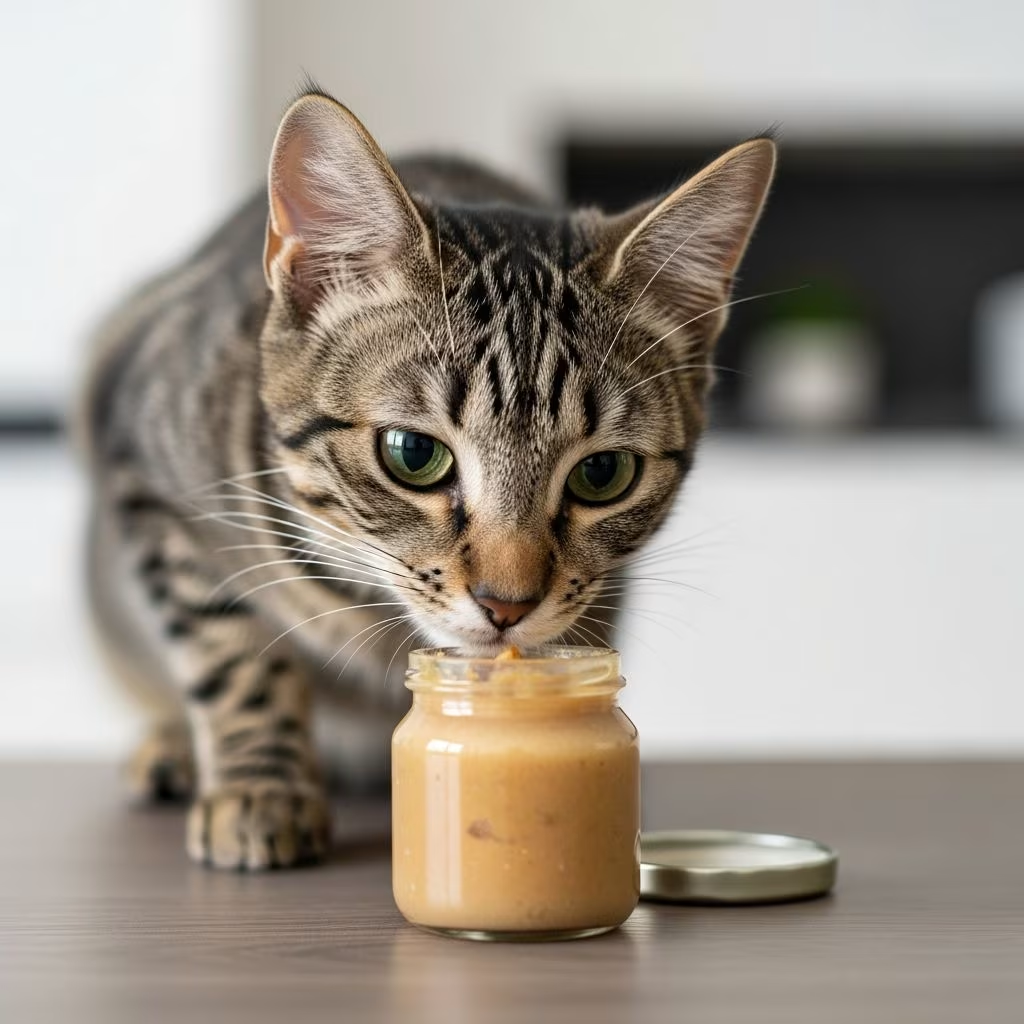
Is Baby Food the Secret to Homemade Cat Food? Read This First
Many pet owners are exploring homemade diet options for their feline companions, and baby food often seems like an attractive solution. It appears convenient, nutritious, and gentle enough for sensitive stomachs. However, before you start sharing your infant’s meals with your cat, it’s crucial to understand the potential risks and limitations associated with this feeding practice. Baby food can be part of a cat’s occasional diet, but it should never serve as a substitute for complete commercial cat food or properly formulated homemade recipes.
Can Cats Eat Baby Food?
The short answer is: it depends. While cats can consume certain types of baby food in limited quantities, not all baby food is safe for feline consumption. Cats can safely eat plain, meat-based baby food without additives, but many commercial baby foods contain ingredients that are toxic to cats. Understanding the differences between safe and unsafe baby food options is essential for responsible pet ownership.
Cats are obligate carnivores, meaning they require meat to thrive. In the wild, cats obtain essential nutrients by consuming whole prey, including bones and organ meats. Domesticated cats typically receive their nutritional needs through commercial cat food formulations specifically designed to meet their unique dietary requirements. While baby food designed for meat consumption may seem like a reasonable alternative, it falls significantly short in providing complete nutrition for cats.
The Nutritional Gaps in Baby Food
Baby food presents several nutritional deficiencies that make it unsuitable as a primary diet for cats. Most importantly, baby food lacks sufficient taurine, an essential amino acid that cats cannot synthesize on their own. Taurine is critical for heart health, vision, and immune function in cats. Without adequate taurine intake, cats will develop serious health problems including dilated cardiomyopathy, a potentially fatal heart condition.
Additionally, baby food often lacks the proper mineral balance that cats require. Commercial cat foods are carefully formulated to include appropriate levels of calcium, phosphorus, magnesium, and other essential minerals. Baby food manufactured for human infants follows different nutritional guidelines and does not account for feline-specific requirements.
A cat can consume baby food as its main meal for only about 2 to 3 days maximum. After that period, nutritional deficiencies begin to develop, requiring a gradual transition back to proper cat food. This brief window demonstrates that baby food should never be considered a long-term dietary solution, even in emergencies.
Toxic Ingredients Found in Baby Food
Perhaps the most concerning issue with baby food for cats involves toxic ingredients that manufacturers commonly include. Many baby food brands, even those marketed as “natural” or “organic,” contain additives that can seriously harm or kill your cat.
The most dangerous toxic ingredients found in baby food include:
- Garlic and Onion Powder: These are extremely toxic to cats and can cause hemolytic anemia by damaging red blood cells. Even small amounts can be lethal.
- Salt: Excess sodium is harmful to cats and can lead to serious health complications.
- Added Sweeteners and Sugars: Cats have no biological need for sugar and cannot metabolize it effectively. Some artificial sweeteners like xylitol are acutely toxic.
- Vegetables and Fruits: While some vegetables are benign, many baby foods contain vegetables that provide unnecessary bulk and lack nutritional value for carnivorous cats. Certain fruits can also be problematic.
- Dairy Products: Most adult cats are lactose intolerant, making dairy-containing baby foods unsuitable.
- Vegetable and Canola Oils: These added fats can contribute to digestive upset and imbalanced nutrient ratios.
The challenge with baby food safety lies in label reading. Many brands don’t clearly highlight the presence of garlic or onion powder, sometimes listing them in small quantities that manufacturers don’t consider significant for human babies. However, for cats, these trace amounts can accumulate and cause toxicity.
When Baby Food Might Be Appropriate
Despite the limitations, there are specific circumstances where meat-based baby food can serve a limited purpose in feline nutrition. Veterinarians sometimes recommend plain, meat-based baby food for senior cats or cats recovering from illness who have difficulty eating regular kibble or wet food.
If your elderly cat is struggling to eat and losing weight, a small amount of plain chicken, turkey, or lamb-based baby food can provide nutritional supplementation. However, this should only be temporary, and you should consult with your veterinarian before implementing this feeding strategy. Your vet can help determine if baby food is appropriate for your specific cat’s situation and recommend the proper transition plan.
For healthy adult cats, baby food should never constitute more than an occasional treat. A teaspoon of unseasoned, meat-based baby food can be offered infrequently as a flavor variant, but this should never replace regular meals.
How to Select Safe Baby Food for Your Cat
If you decide to offer baby food to your cat, following strict selection criteria is non-negotiable. Always choose baby food that meets these standards:
- Pure meat-based products with no vegetables, fruits, or fillers
- No added seasonings, including garlic, onion, salt, or other spices
- No added sweeteners or sugars
- No dairy ingredients
- Single-ingredient formulas (like plain chicken or turkey) rather than mixed varieties
- Products labeled specifically for human consumption without additives
Read ingredient lists carefully, looking beyond just the first few ingredients. Some manufacturers hide problematic ingredients further down the label. When in doubt, consult your veterinarian before purchasing or offering any baby food product to your cat.
Superior Alternatives to Baby Food
Rather than relying on baby food, several healthier alternatives provide better nutrition for your cat when you want to offer something beyond regular kibble or wet food:
- Plain Cooked Chicken or Turkey: Boil or bake skinless, unseasoned poultry until fully cooked. Remove all bones and cut into small, easily consumable pieces.
- Raw or Lightly Cooked Meat: For owners interested in raw feeding, high-quality muscle meat and organ meat provide superior nutrition. Raw feeding requires careful handling and consultation with a feline nutritionist.
- Egg Yolks: Plain cooked egg yolks offer bioavailable nutrients and can be offered as an occasional treat.
- Commercial Wet Cat Food: High-quality wet cat food specifically formulated for cats provides complete nutrition superior to baby food.
- Kitten Food: Kitten formulas contain appropriate taurine levels and other nutrients optimized for feline development.
These alternatives provide substantially better nutritional profiles than baby food and contain no risk of toxic ingredients when prepared properly.
Understanding Homemade Cat Food Diets
If you’re interested in preparing homemade meals for your cat, working with veterinary nutritionists is essential. Properly formulated homemade cat diets require careful attention to macronutrient and micronutrient ratios, including adequate taurine supplementation.
Many pet owners are interested in fresh, homemade diets for their cats, but this approach requires more than simply combining raw meat with baby food. A complete homemade diet must include:
- High-quality muscle meat and organ meats in appropriate proportions
- Taurine supplementation at veterinarian-recommended levels
- Proper calcium to phosphorus ratios
- Essential vitamins and minerals in balanced quantities
- Regular veterinary oversight to monitor your cat’s health
Commercial homemade cat food preparation is more time-consuming and often more expensive than purchasing quality commercial wet food. However, for cats with specific health conditions or sensitivities, properly formulated homemade diets can be beneficial.
Transitioning Your Cat’s Diet
If you’ve been offering baby food to your cat or are considering switching to a different diet, proper transition is important. Cats have sensitive digestive systems and require gradual dietary changes to avoid upset stomach and vomiting.
When transitioning from baby food back to regular cat food, mix increasing proportions of regular food with decreasing proportions of baby food over 7-10 days. Start with 75% baby food and 25% regular food, gradually shifting the ratio until your cat is consuming 100% proper cat food. This slow transition allows digestive bacteria to adjust and prevents gastrointestinal distress.
Always consult your veterinarian before making significant dietary changes, especially if your cat has existing health conditions or is taking medications that might interact with dietary changes.
Frequently Asked Questions
Q: Is any baby food safe for cats?
A: Only plain, meat-based baby food with absolutely no seasonings, additives, or vegetables is safe for cats. Even then, it should only be offered occasionally and never as a meal replacement. Always read labels carefully and consult your veterinarian before offering any baby food product.
Q: What should I do if my cat accidentally ate baby food containing garlic?
A: Contact your veterinarian or emergency animal poison control immediately. Garlic toxicity can be serious and requires professional evaluation. Your vet can assess exposure levels and recommend appropriate treatment if necessary.
Q: Can I use baby food long-term for a sick cat?
A: No. Baby food can only supplement a cat’s diet for 2-3 days maximum. For sick or senior cats, work with your veterinarian to develop a proper nutritional plan using high-quality wet cat food or properly formulated homemade recipes that include taurine supplementation.
Q: How much baby food can I safely give my cat?
A: If offering plain, meat-based baby food as an occasional treat, limit portions to one teaspoon or less per day. This should never constitute more than 10% of your cat’s daily caloric intake and should only happen occasionally.
Q: What are the signs of taurine deficiency in cats?
A: Signs include lethargy, poor appetite, vision problems, dilated pupils, heart murmurs, and eventually dilated cardiomyopathy. These serious conditions develop gradually with inadequate taurine intake. Regular veterinary checkups help catch problems early.
Q: Are there any benefits to baby food for cats?
A: The only potential benefit is providing caloric supplementation for senior or ill cats temporarily when they won’t eat regular food. This should always be coordinated with your veterinarian and transitioned quickly to appropriate commercial or veterinarian-approved homemade nutrition.
The Bottom Line
Baby food is not the secret to healthy homemade cat food, despite its apparent convenience and safety for human infants. While plain, meat-based baby food without additives can be offered occasionally to healthy cats, it should never serve as a dietary staple or meal replacement. The risks of toxic ingredients like garlic and onion, combined with significant nutritional deficiencies particularly regarding taurine, make baby food an inferior choice compared to proper commercial or professionally formulated homemade cat diets.
If you’re interested in providing homemade nutrition for your cat, consult with a veterinary nutritionist to develop balanced recipes that meet all of your cat’s specific nutritional requirements. For senior or ill cats struggling to eat, your veterinarian can recommend appropriate nutritional supplementation strategies that don’t compromise long-term health.
Your cat’s nutritional needs differ significantly from human infants, and feeding practices should reflect these biological differences. By choosing appropriate commercial cat foods or working with veterinary professionals to develop homemade diets, you ensure your feline companion receives complete, balanced nutrition that supports optimal health and longevity.
References
- Can Cats Eat Baby Food? Vet-Reviewed Facts & FAQ — Catster. 2025. https://www.catster.com/cat-health-care/can-cats-eat-baby-food/
- Commercial vs Homemade Cat Diets: What you need to know — National Center for Biotechnology Information (NCBI). 2024. https://pmc.ncbi.nlm.nih.gov/articles/PMC11104037/
- 10 Basics of a Homemade Fresh Diet for Cats: Our Vet Explains — Catster. 2025. https://www.catster.com/nutrition/homemade-fresh-diet-for-cats-basics/



