

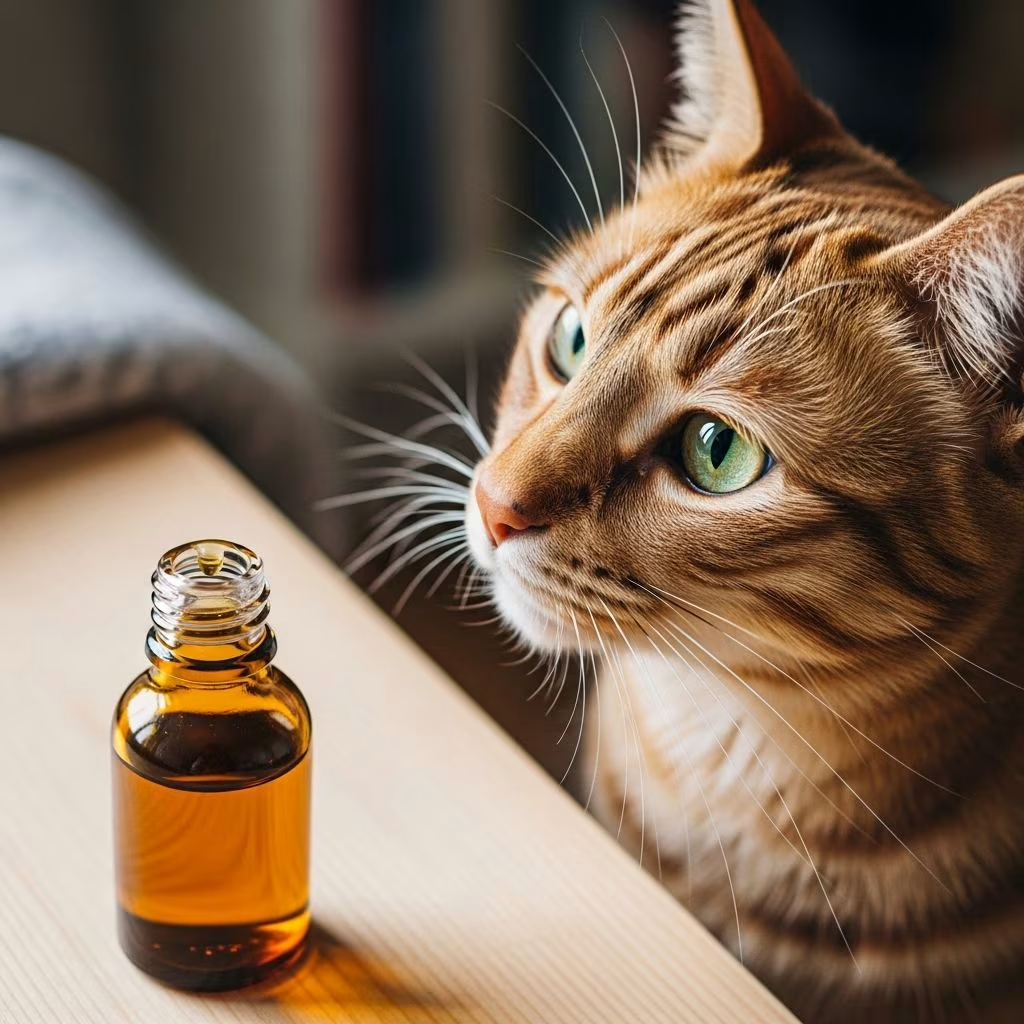
Argan oil, often hailed as “liquid gold” for its skin and hair benefits in humans, is not recommended for cats due to insufficient research on its effects and high risk of ingestion from grooming.
Derived from the kernels of the argan tree native to Morocco, this non-refined vegetable oil is rich in fatty acids, vitamin E, and antioxidants like melatonin and plant sterols, offering anti-inflammatory properties for human use. However, cats’ unique physiology, including limited liver enzymes for metabolizing certain compounds, makes it unsafe. Veterinary experts advise avoiding it entirely until more studies confirm safety.
What Is Argan Oil?
Argan oil is extracted from the fruit kernels of the Argania spinosa tree through cold-pressing, preserving its natural nutrients. It’s widely used in cosmetics for moisturizing dry skin, reducing inflammation, and promoting hair growth thanks to essential fatty acids like oleic and linoleic acids, plus tocopherols (vitamin E).
For humans, it hydrates skin, fights free radicals, and supports eye health. Pet owners might consider it for shiny coats or dry paws, but feline biology differs significantly. Cats are obligate carnivores with sensitive livers lacking glucuronyl transferase enzymes needed to process many plant oils effectively.
Potential Benefits of Argan Oil (For Humans and Some Pets)
While risky for cats, argan oil shows promise elsewhere:
- Moisturizing: Deeply hydrates dry, flaky skin and restores coat shine in dogs when used sparingly.
- Antioxidant Boost: Vitamin E combats oxidative stress, potentially aiding skin repair.
- Anti-Inflammatory: Soothes irritation from allergies or environmental factors.
- Coat Conditioning: Adds luster and reduces frizz, making fur softer and more manageable.
Anecdotal reports from dog owners note reduced itching and shedding after topical use. For cats, no such benefits are scientifically validated, and risks outweigh any unproven gains.
Why Argan Oil Is Not Recommended for Cats
The primary concern is the lack of research on argan oil’s impact on felines. No peer-reviewed studies confirm short- or long-term safety, leaving effects on digestion, liver, or kidneys unknown.
Cats groom obsessively, ingesting up to 30% of applied topicals daily. Even small amounts could accumulate, causing gastrointestinal upset or toxicity. Unlike dogs, cats’ livers struggle with fat-soluble compounds, increasing overdose risk.
Commercial argan products often mix with essential oils, amplifying dangers. Pure argan might seem benign, but purity is hard to verify without lab testing. Veterinary consensus: Unless proven 100% safe, avoid exposure.
Argan Oil Products Often Contain Essential Oils
Many shampoos, conditioners, and serums blend argan with essential oils like tea tree, lavender, or eucalyptus for scent and efficacy. These are highly toxic to cats.
Cats lack cytochrome P450 enzymes to break down phenols and terpenes in essentials. Even diluted, skin absorption or licks lead to rapid buildup. A few drops can cause poisoning; topical contact alone irritates.
Safe for dogs in moderation? Yes, but never for cats. Always check labels: If “essential oils” appear, discard for feline use.
Signs of Essential Oil Poisoning in Cats
Recognize symptoms early—prompt vet care improves outcomes:
- Essential oil smell on fur, breath, or skin
- Redness, burns, or blisters on skin, lips, gums, tongue
- Excessive face pawing or rubbing
- Drooling or salivation
- Vomiting or diarrhea
- Respiratory distress (wheezing, coughing)
- Ataxia (stumbling, lack of coordination)
- Lethargy or weakness
- Tremors, seizures (severe cases)
These arise within minutes to hours. Do not wait—toxicity progresses fast.
What to Do If Your Cat Ingests Argan Oil or a Toxin
Act immediately:
- Contact Professionals: Call your vet, an emergency clinic, or Pet Poison Helpline (888-426-4435). Provide product details, amount, and time of exposure.
- Do Not Induce Vomiting: It risks aspiration or worsening damage unless vet instructs.
- Prevent Further Exposure: Wipe residue gently with mild soap/water; isolate from licking.
- Monitor & Transport: Note symptoms en route to clinic. IV fluids, activated charcoal, or anti-seizure meds may be needed.
Prognosis depends on dose and speed of treatment. Prevention is key.
Safe Alternatives to Argan Oil for Cats
Opt for vet-approved options for skin/coat health:
| Oil | Safety for Cats | Benefits | How to Use |
|---|---|---|---|
| Coconut Oil (Virgin) | Safe externally, sparingly | Antibacterial, moisturizes paws/coat | Small dab on dry areas; avoid excess |
| Olive Oil | Safe externally | Anti-inflammatory, softens fur | Few drops on irritated skin |
| Fish Oil (Omega-3 Supplements) | Safe orally (vet-dosed) | Improves coat shine, reduces inflammation | Capsule form per weight |
| Aloe Vera (Pure Gel) | Safe topically | Soothes hot spots, allergies | Patch test first |
Consult vets before use. Prescription shampoos or medicated wipes are safest for issues like allergies.
Risks of Using Argan Oil on Cats
Beyond ingestion:
- Digestive Upset: Diarrhea, vomiting from excess fats.
- Allergic Reactions: Rash, itching, swelling (patch test advised, but still risky).
- Liver Overload: Cumulative toxins strain organs.
- Greasy Coat: Attracts dirt, promotes matting.
Small doses seem harmless anecdotally, but variability in cat sensitivity heightens danger.
Veterinarian Advice on Oils for Cats
Vets universally caution against untested oils. The ASPCA Animal Poison Control Center reports rising essential oil cases in cats, with phenols (common additives) causing 80% of oil toxicities. Stick to water-based, fragrance-free products.
For chronic skin issues, diagnostics (allergies, fleas, diet) precede treatments. Holistic options like omega supplements outperform trendy oils.
Frequently Asked Questions (FAQs)
Can I use argan oil on my cat’s dry paws?
No. Cats lick paws constantly, risking ingestion. Use coconut oil sparingly instead.
Is pure argan oil safe if my cat doesn’t lick it?
Not recommended. Absorption occurs, and grooming is inevitable. Research is lacking.
What if my cat ate argan oil shampoo?
Call vet/Poison Helpline immediately. Watch for vomiting, drooling, lethargy.
Are there cat-specific argan products?
Rare and unproven. Avoid; choose vet-formulated alternatives.
How can I improve my cat’s coat naturally?
Balanced diet, regular grooming, omega-3s, and flea control. Hydration aids skin health.
Closing Thoughts
Argan oil’s allure for human beauty doesn’t translate to cats. Limited data, grooming habits, and essential oil contaminants make it a hazard. Prioritize proven, safe care: vet consults, diet tweaks, and gentle alternatives ensure your feline thrives without risks.
Maintain curiosity but err on caution—your cat’s health depends on informed choices.
References
- Is Argan Oil Safe for Cats? Vet-Approved Health & Safety Facts — Hepper. 2023-10-15. https://articles.hepper.com/is-argan-oil-safe-for-cats/
- Carrier Oils Safe for Pets: How to Use Oils on Dogs and Cats — Vinevida. 2024-05-20. https://www.vinevida.com/blogs/carrier-oils/carrier-oils-safe-for-pets-how-to-use-oils-on-dogs-and-cats
- Argan Oil for Pets: A Hair Miracle or Just a Trend? — Pet Wellness Direct. 2024-02-10. https://petwellnessdirect.com/blogs/news/argan-oil-for-pets-a-hair-miracle-or-just-a-trend-pds



