

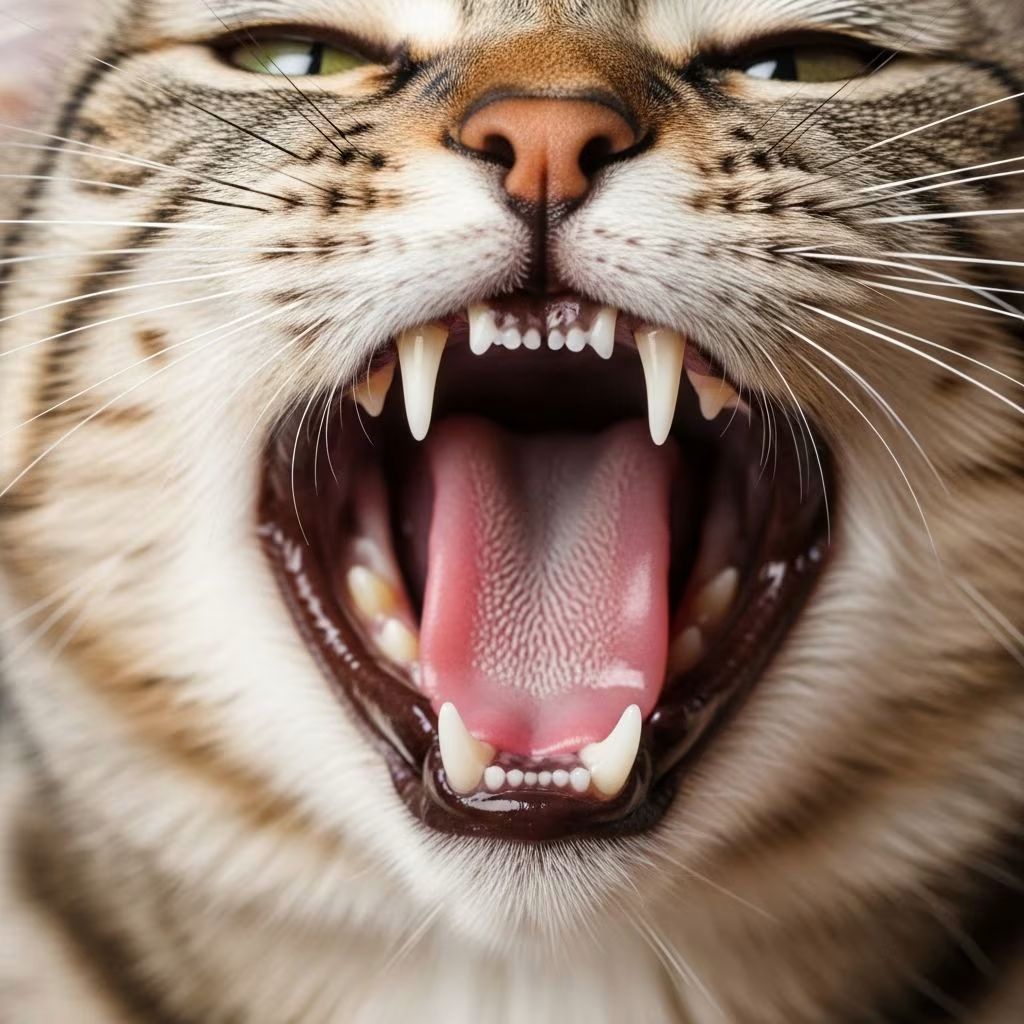
Cats do not have inherently clean mouths despite popular beliefs; their oral cavities harbor significant bacteria, plaque, and potential pathogens that can lead to dental diseases if not managed properly. Understanding feline oral microbiology reveals a complex ecosystem where grooming behaviors provide limited cleansing, making proactive care essential for health.
The Myth of the ‘Clean’ Cat Tongue
A common misconception portrays cats as possessing sterile mouths due to their rough tongues and grooming habits. In reality, a cat’s tongue features papillae—tiny, backward-facing spines—that aid in grooming fur and removing debris but do little to sterilize the mouth. These structures trap food particles and bacteria, fostering plaque accumulation similar to humans.
- Grooming limitations: Cats ingest bacteria while self-cleaning, but saliva enzymes like lysozyme offer only partial antibacterial effects.
- Bacterial load: Feline mouths contain over 200 bacterial species, including pathogens like Pasteurella multocida, which can cause infections.
- Comparison to dogs: Cats’ carnivorous diets promote tartar buildup faster than in omnivorous pets.
This myth persists because cats rarely show overt pain, masking underlying issues until advanced stages.
Understanding Feline Oral Anatomy
Cats possess 30 adult teeth designed for tearing meat: sharp incisors, canines for gripping, premolars for shearing, and molars for grinding. Kittens erupt deciduous teeth around 3-4 weeks, with permanents by 6 months. Gums form a tight seal, but carnivorous diets leave residues that bacteria exploit.
| Tooth Type | Number (Upper/Lower) | Function |
|---|---|---|
| Incisors | 6/6 | Grooming, nibbling |
| Canines | 2/2 | Tearing, defense |
| Premolars | 6/6 | Shearing meat |
| Molars | 4/4 | Grinding small bones |
This structure excels for predation but traps plaque at the gumline, where gingivitis often begins.
Common Dental Problems in Cats
Dental diseases affect up to 70% of cats over age 3, with gingivitis, periodontitis, and tooth resorption leading. Plaque—a biofilm of bacteria, saliva, and food—hardens into tartar within days, inflaming gums.
Gingivitis and Periodontitis
Gingivitis manifests as red, swollen gums, often reversible with early intervention. Untreated, it progresses to periodontitis, eroding bone and ligaments, causing tooth mobility and abscesses. Symptoms include drooling, bad breath (halitosis), and pawing at the mouth.
Tooth Resorption: A Painful Reality
Affecting over 50% of cats past age 5, tooth resorption involves enamel erosion and root destruction, necessitating extractions. Pain is intense yet hidden, as cats are stoic.
Systemic Health Links
Oral bacteria can bacteremia, reaching heart valves (endocarditis), kidneys, or liver, exacerbating chronic diseases.
Signs Your Cat Needs Dental Attention
- Persistent bad breath or drooling
- Difficulty eating, dropping food, or favoring one side
- Excessive pawing at mouth or facial swelling
- Discolored teeth, visible tartar, or bleeding gums
- Weight loss or behavioral changes like reduced grooming
Owners should inspect mouths weekly, lifting lips gently. Early detection prevents costly treatments.
Daily Home Care Routines
Brushing remains the gold standard, removing plaque before tartar forms. Start kittens young for tolerance; use cat-specific enzymatic toothpaste (poultry-flavored avoids toxicity of human fluoride pastes).
- Tools: Finger brush, dual-ended toothbrush, or gauze wrap.
- Technique: Focus gumline at 45-degree angle; 30 seconds per side suffices initially.
- Frequency: Daily ideal; 3-4 times weekly effective.
Alternatives include dental rinses, water additives with enzymes, chews, and treats with tartar-control agents. Train patiently to avoid stress-induced scratches.
Nutrition’s Role in Oral Health
Diet influences dental wellness profoundly. High-quality, meat-based kibble with larger kibbles mechanically scrubs teeth. Prescription dental diets incorporate polyphosphates binding salivary calcium, inhibiting tartar.
- Avoid soft foods promoting plaque.
- Supplements like sea kelp or omega-3s reduce inflammation.
- Fresh water flushes debris; avoid sugary treats.
Balanced nutrition bolsters immunity against infections.
Professional Veterinary Interventions
Annual exams detect issues via visual checks, probing, and radiographs revealing subgingival problems. Cleanings under anesthesia scale tartar, polish enamel, and extract irreparable teeth.
2025 FelineVMA Guidelines emphasize comprehensive care: diagnostics, pain management, and client education. Post-cleaning, home routines extend benefits.
Preventive Strategies for Lifelong Health
Combine home care, diet, and vet visits. Kittens benefit from early brushing acclimation. Senior cats (>7 years) need bi-annual checks due to heightened risks.
| Age Group | Recommended Care |
|---|---|
| Kitten (0-6 months) | Teething toys, intro to brushing |
| Adult (1-7 years) | Daily brushing, annual exams |
| Senior (7+ years) | Bi-annual exams, soft diets if needed |
FAQs on Cat Oral Health
Can cats get cavities like humans?
Rarely; their low-sugar diet and saliva minimize caries, but resorption mimics decay.
Is it safe to kiss my cat?
Zoonotic risks like pasteurellosis exist, especially with dental disease; good hygiene mitigates.
How often should I take my cat to the dentist?
Annually minimum; more for at-risk cats.
What if my cat resists brushing?
Use treats, gradual desensitization, or vet-prescribed gels.
Does dry food clean teeth?
It helps mechanically but doesn’t replace brushing.
Advancements in Feline Dentistry
Recent guidelines from FelineVMA (2025) standardize protocols, integrating tech like digital radiography and laser therapy for reduced pain. Minimally invasive extractions preserve adjacent structures. Educating owners prevents 80% of cases.
Maintaining feline oral health demands vigilance. By debunking myths, recognizing signs, and committing to routines, owners ensure pain-free lives for their cats. Consult vets for tailored plans.
References
- Cat Dental Health: What Every Owner Should Know — Pet Doctor X. 2024-01-21. https://www.petdoctorx.com/site/blog/2024/01/21/cat-dental-health
- Feline Dental Disease — Cornell University College of Veterinary Medicine. N/A. https://www.vet.cornell.edu/departments-centers-and-institutes/cornell-feline-health-center/health-information/feline-health-topics/feline-dental-disease
- Cat Dental Health – What Every Owner Should Know About — Heart of Brooklyn Veterinary. 2023-10-15. https://www.heartofbrooklynveterinary.com/site/blog/2023/10/15/cat-dental-health-hygiene
- Interesting Facts About Cat Teeth & Dental Care — Montecito Pet Hospital. 2022-02-15. https://www.montecitopethospital.com/site/blog/2022/02/15/cat-teeth-facts
- New 2025 FelineVMA Guidelines Set the Standard for Oral Health — CatVets. 2025-12-04. https://catvets.com/news/oral-health-dental-care-guidelines/
- Pet dental care — American Veterinary Medical Association (AVMA). N/A. https://www.avma.org/resources-tools/pet-owners/petcare/pet-dental-care



