

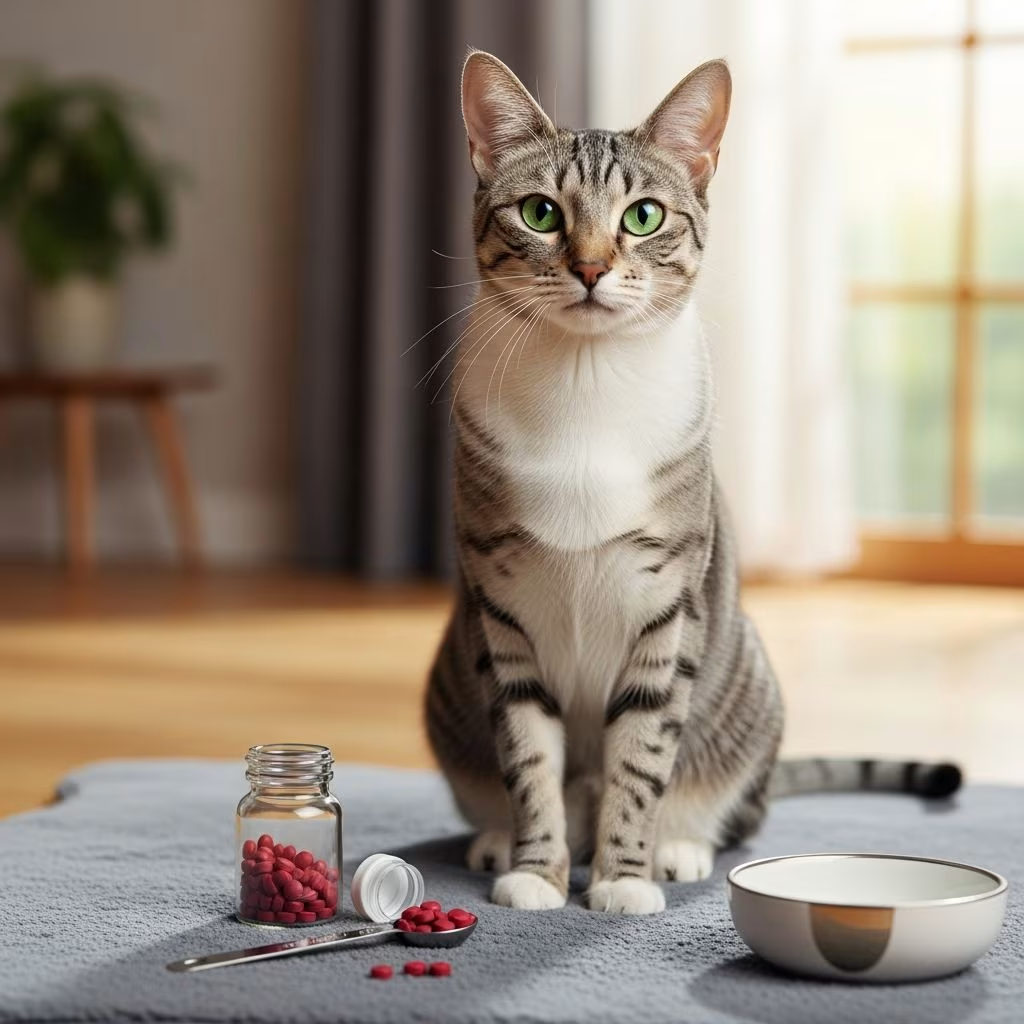
What Are Iron Supplements for Cats?
Iron is a vital mineral that plays a crucial role in maintaining your cat’s overall health and well-being. This essential nutrient is responsible for enabling your cat’s body to produce healthy red blood cells, which are necessary for transporting oxygen throughout the body. Without adequate iron, your feline companion cannot maintain proper oxygen circulation to vital organs such as the heart, lungs, and kidneys. This deficiency can lead to serious health complications that affect multiple organ systems.
Beyond red blood cell production, iron supports several other critical bodily functions in cats. It helps maintain active energy levels, promotes optimal muscle health, and strengthens the immune system. All of these functions work together to keep your cat feeling their best and functioning at peak performance throughout their daily activities.
Understanding Iron’s Role in Feline Health
Iron deficiency in cats is actually quite rare, which is excellent news for most pet owners. This rarity exists because commercial cat foods that are labeled as complete and balanced are carefully formulated by nutritionists and veterinarians to contain the appropriate amount of iron necessary for maintaining feline health. If your cat’s food has the “complete and balanced” label and is certified by the AAFCO (Association of American Feed Control Officials), you can feel confident that your feline is receiving all the iron they need from their diet alone.
The AAFCO certification is particularly important because it indicates that the food has been formulated to meet or exceed the nutritional standards established for cats at their specific life stage. This means the iron content, along with all other essential nutrients, has been carefully calculated and tested to support optimal feline health.
Can Cats Take Iron Supplements?
Yes, cats can take iron supplements, but they should only be administered under the recommendation and guidance of a veterinarian. Iron supplementation is not typically the first solution that veterinarians recommend for addressing iron deficiency in cats. Instead, if the cause of iron deficiency is related to an inadequate diet lacking proper nutrition, your veterinarian will likely recommend switching to an AAFCO-approved formula that provides complete and balanced nutrition.
However, in cases where your cat has been diagnosed with anemia—a condition characterized by insufficient healthy red blood cells or hemoglobin to properly carry oxygen throughout the body—your veterinarian might recommend iron supplementation alongside other prescribed medications. The decision to supplement iron depends on various factors including the underlying cause of the deficiency, your cat’s overall health status, age, weight, and their ability to tolerate specific medications.
Types of Iron Supplementation
There are several methods through which iron can be supplemented in cats, and your veterinarian will determine the most appropriate option based on your individual cat’s circumstances. The choice of supplementation method depends on factors such as the severity of the iron deficiency, your cat’s ability to tolerate oral medications, and how quickly a response is needed.
Injectable iron is typically administered at your veterinarian’s office and is reserved for severe cases of iron deficiency in cats. This method is particularly beneficial for cats who cannot tolerate oral medications or when a rapid therapeutic response is critical for their health and recovery. Injectable iron allows for precise dosing and quick absorption into the bloodstream, making it an effective option in emergency situations.
Oral iron supplements are another common option, available in various formulations designed specifically for feline patients. These supplements are administered by mouth and are suitable for cats who can tolerate oral medications and when the condition is less severe.
Why Your Veterinarian Might Recommend Iron Supplements
Your veterinarian may recommend iron supplements for your cat if they have been diagnosed with an iron deficiency or feline anemia. Understanding the underlying causes that lead to these conditions is important for both prevention and treatment. Several factors can contribute to iron deficiency in cats.
Parasitic Infections
Untreated parasitic infections can have severe and lasting consequences for your cat’s health. Fleas, for example, are notorious for causing significant blood loss in cats, which can quickly lead to anemia. Even a moderate flea infestation can cause enough blood loss to result in iron deficiency, particularly in kittens, senior cats, or cats with compromised immune systems. Regular flea prevention is essential for maintaining your cat’s iron levels and overall health.
Nutritional Deficiencies
While commercial cat foods typically contain adequate iron, cats who are picky eaters or those whose owners feed them homemade diets may not receive enough iron to meet their nutritional needs. Homemade diets, unless formulated by a veterinary nutritionist, often lack proper nutrient balance and may be deficient in essential minerals like iron. Picky eaters who refuse to consume certain foods may also inadvertently restrict their iron intake.
Blood Loss
When a cat experiences significant bleeding from any source—such as from surgical procedures, traumatic injuries, or internal issues like tumors or gastrointestinal problems—they may require an iron-fortified prescription diet or iron supplements to support recovery. Chronic internal bleeding, which can occur with certain gastrointestinal disorders or cancers, may necessitate ongoing iron supplementation to prevent or manage anemia.
Underlying Illness
Severe illnesses or systemic infections can interfere with your cat’s body’s ability to produce red blood cells effectively. Certain diseases, chronic conditions, or infections may suppress bone marrow function, leading to reduced red blood cell production despite adequate iron availability. In these cases, treating the underlying illness is typically the primary focus, with iron supplementation serving as supportive therapy.
Determining the Correct Iron Dosage for Your Cat
When administering iron to your cat, it is absolutely critical to follow the specific guidance provided by your veterinarian. Your vet will carefully determine the correct dose based on multiple factors including your cat’s individual medical needs, age, weight, current diet, and overall health status. Never attempt to calculate or adjust your cat’s iron dose on your own, and never give your cat human iron supplements unless explicitly instructed to do so by your veterinarian.
Human iron supplements are formulated for human body weight and metabolism and are often far too concentrated for feline patients. The dosage in human supplements can frequently be toxic to cats due to their smaller body size and different physiological responses to iron. Always use only veterinary-approved iron supplements that have been specifically formulated and dosed for feline patients.
If you suspect your cat has ingested too much iron or has accidentally consumed a human iron supplement, call the Pet Poison Helpline immediately at 855-764-7661. Do not wait for symptoms to appear; quick action can be lifesaving in iron toxicity cases.
Potential Risks and Side Effects of Iron Supplementation
While iron is essential for your cat’s health, excessive amounts can lead to serious complications. Iron toxicity can cause vomiting, diarrhea, and abdominal pain. Cats may also experience weakness or lethargy as their body attempts to process the excess iron. In more severe cases, organ damage can occur, particularly affecting the stomach lining, liver, and heart.
In the most severe cases of iron toxicity, shock or even death can result. This is why dosing must always be monitored carefully by a veterinarian and why exceeding recommended doses is absolutely contraindicated.
Signs of Iron Toxicity in Cats
Watch your cat closely, particularly during the first few days of iron supplementation when adverse reactions are most likely to occur. Contact your veterinarian immediately if you notice any of the following concerning symptoms:
- Vomiting, sometimes containing blood
- Diarrhea, which may appear dark or bloody
- Loss of appetite or refusal to eat
- Weakness or lethargy
- Rapid breathing or heart rate
- Abdominal pain, indicated by crying out, hunching, or avoiding touch
- Pale gums or jaundice (yellowing of the gums, skin, or eyes)
- Seizures in severe cases
If you observe any of these signs, discontinue the supplement immediately and contact your veterinarian without delay.
Understanding Iron Toxicity Stages
Iron toxicity in cats progresses through distinct stages, each with specific characteristics and timeframes.
Stage One: Initial Response (0–6 hours)
The first signs of iron toxicity typically appear within the initial six hours following ingestion. During this stage, your cat may experience severe vomiting (sometimes containing blood), diarrhea, lethargy, abdominal pain, and loss of appetite. These symptoms indicate that the gastrointestinal system is responding to the iron overload.
Stage Two: Deceptive Recovery (6–24 hours)
During this phase, your cat might appear to improve or show temporary relief from initial symptoms. However, this apparent recovery is misleading and should not be interpreted as a sign of healing. Internal damage continues to progress even though external symptoms may seem to diminish. This deceptive recovery phase makes iron toxicity particularly dangerous because owners may incorrectly believe their cat is recovering when serious internal damage is still occurring.
Stage Three: Critical Phase (12–96 hours)
This is the most dangerous phase of iron toxicity, characterized by severe systemic complications. During this stage, your cat may experience cardiovascular problems, liver dysfunction, shock, tremors, gastrointestinal hemorrhage, and potentially organ failure.
Stage Four: Long-term Complications (2–6 weeks)
Even after surviving the acute phases, cats may develop gastrointestinal obstructions from stricture formation as scar tissue develops in the gastrointestinal tract.
How Much Iron Is Dangerous for Cats?
Ingestion of more than 60 mg/kg of elemental iron is considered potentially life-threatening for cats. However, it’s important to understand that even a single iron supplement pill can be dangerous for cats depending on the iron concentration and your cat’s body weight. Due to their small body size and sensitive digestive systems, cats are particularly vulnerable to iron toxicity from supplements designed for human consumption.
Emergency Actions if Your Cat Ingests Iron
If you suspect your cat has consumed an iron pill or supplement, take these immediate steps:
- Contact your veterinarian or emergency animal hospital immediately
- Do not attempt to induce vomiting without professional guidance
- Collect any remaining pills or packaging for identification purposes
- Monitor your cat’s symptoms and behavior closely
- Bring the supplement container or packaging to help identify the iron concentration
Do not wait for symptoms to appear before seeking professional help. Quick action is essential for the best possible outcome.
Treatment for Iron Toxicity
Treatment for iron toxicity is most effective when started early and may include several therapeutic approaches. High-dose intravenous fluid therapy helps correct shock and acidosis occurring in the bloodstream. If possible, unabsorbed iron pills are removed from your cat’s stomach either by inducing vomiting using antiemetic drugs or by performing gastric lavage, a procedure in which a saline solution is slowly pumped into the stomach cavity to wash out its contents.
Iron-binding medications through chelation therapy may be administered to bind excess iron and facilitate its removal from the body. Supportive care for affected organs and regular blood work to monitor iron levels are also important components of treatment. With prompt intervention, many cats can make a full recovery, though some may require ongoing liver support or monitoring depending on the severity of organ damage.
Prevention and Safety Guidelines
Preventing iron toxicity is far easier than treating it. Implement these safety measures in your home:
- Store all medications in secure, cat-proof containers
- Keep supplements in closed cabinets away from curious cats
- Never give human medications to your cats
- Use childproof pill organizers
- Clean up any dropped pills immediately
- Keep the Pet Poison Helpline number accessible: 855-764-7661
Frequently Asked Questions About Iron Supplements for Cats
Q: Do most cats need iron supplements?
A: No, most cats do not need iron supplements. Commercially available AAFCO-certified cat foods already contain the appropriate amount of iron needed for feline health. Iron deficiency in cats is relatively rare.
Q: What is the difference between prescription iron supplements and over-the-counter options?
A: Prescription iron supplements are formulated specifically for cats and dosed appropriately for feline patients. Over-the-counter supplements, particularly those designed for humans, may contain excessive iron concentrations that are toxic to cats. Always use only supplements your veterinarian recommends.
Q: Can cats fully recover from iron toxicity?
A: Yes, cats can fully recover from iron toxicity if treated promptly. However, some cats may require ongoing liver support or monitoring depending on the amount ingested, time to treatment, and severity of organ damage.
Q: How quickly should I seek veterinary care if my cat ingests iron?
A: Seek care immediately. Do not wait for symptoms to appear. Even one iron pill can potentially be dangerous for cats, and early treatment significantly improves outcomes.
Q: What should I do if my cat shows signs of iron toxicity?
A: Discontinue the supplement immediately and contact your veterinarian or emergency animal hospital without delay. Bring any supplement packaging to help identify the iron concentration and amount ingested.
Q: Are ferrous sulfate supplements safe for cats?
A: Ferrous sulfate (brand names like Fer-In-Sol and Feosol) is a veterinary-approved iron supplement that may be recommended by your vet to treat iron-deficiency anemia. However, human formulations should never be given to cats.
Q: What causes iron deficiency anemia in cats?
A: Common causes include parasitic infections like fleas, nutritional deficiencies from inadequate or homemade diets, blood loss from surgery or internal bleeding, and underlying illnesses that interfere with red blood cell production.
References
- What Are Iron Supplements for Cats? — Chewy Education. 2025. https://www.chewy.com/education/cat/health-and-wellness/iron-supplements-for-cats
- Iron Toxicity in Cats: Risks and Emergency Actions — PetsCare.com. 2025. https://www.petscare.com/news/post/iron-toxicity-cats-treatment
- Excess Iron in the Blood in Cats — PetMD. 2025. https://www.petmd.com/cat/conditions/endocrine/c_ct_iron_toxicity
- Ferrous Sulfate — VCA Animal Hospitals. 2025. https://vcahospitals.com/know-your-pet/ferrous-sulfate
- Toxicology Brief: The toxicity of iron, an essential element — DVM360. 2025. https://www.dvm360.com/view/toxicology-brief-toxicity-iron-essential-element
- Iron Toxicosis — Today’s Veterinary Nurse. 2025. https://todaysveterinarynurse.com/toxicology/iron-toxicosis/
- Effect of Iron Supplementation on the response to Varenzin-CA1 in Cats with CKD and Anemia — Ohio State University Veterinary Medical Center. 2025. https://vmc.vet.osu.edu/clinical-trials/effect-iron-supplementation-response-varenzin-ca1-cats-ckd-and-anemia



