

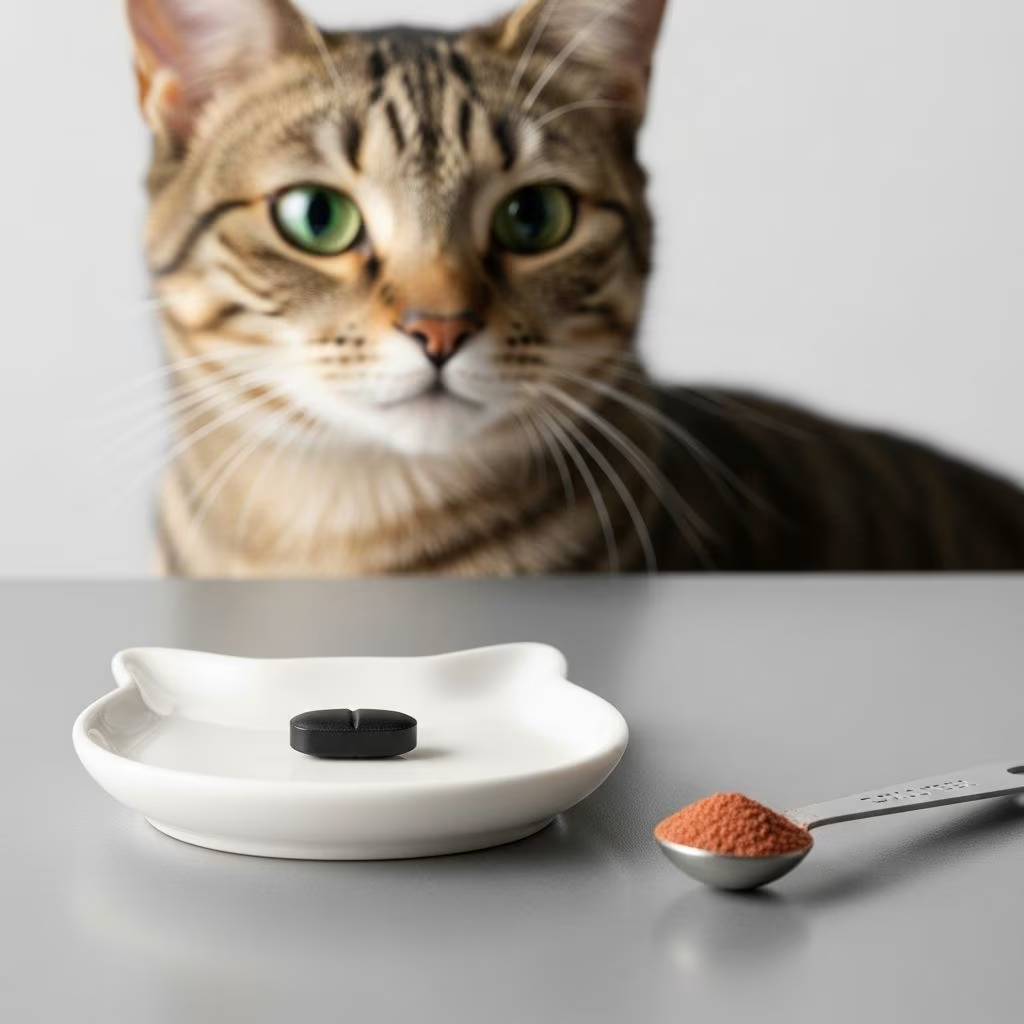
Iron plays a critical role in feline physiology, primarily supporting the production of hemoglobin in red blood cells, which transport oxygen throughout the body. Deficiencies can lead to anemia, manifesting as lethargy and weakness, while excess iron poses serious toxicity risks. This guide covers everything cat owners need to know about iron supplementation, drawing from veterinary insights and research.
The Essential Functions of Iron in Feline Health
Iron is indispensable for cats, enabling the formation of healthy red blood cells essential for oxygen delivery to organs like the heart, lungs, and kidneys. It also contributes to energy metabolism, muscle performance, and immune system strength, helping cats maintain vitality and resilience against infections.
Without adequate iron, felines may experience reduced stamina, pale gums, and poor coat quality. Fortunately, most commercially available cat foods formulated to AAFCO standards provide sufficient iron levels for healthy adult cats, making supplementation unnecessary in routine cases. Kittens, pregnant queens, and cats recovering from illness may have heightened needs.
Recognizing Iron Deficiency and Anemia in Cats
Iron deficiency anemia occurs when chronic blood loss or poor absorption prevents adequate red blood cell production. Common indicators include:
- Lethargy and reluctance to play
- Pale mucous membranes in the mouth and eyes
- Increased heart and breathing rates
- Loss of appetite and weight reduction
- Weakness, especially after minimal activity
Parasitic infestations like fleas or hookworms often cause this by inducing blood loss. Nutritional shortfalls from unbalanced homemade diets or picky eating habits exacerbate the issue. Underlying conditions such as chronic kidney disease or gastrointestinal disorders can impair iron uptake.
Common Causes Requiring Iron Intervention
Veterinarians prescribe iron supplements selectively. Key triggers include:
- Parasitic Infections: Fleas and intestinal worms lead to substantial blood loss, particularly in young or outdoor cats.
- Blood Loss from Trauma: Surgery, injuries, or tumors result in depleted iron stores, necessitating replenishment during recovery.
- Chronic Diseases: Infections or renal issues hinder red blood cell synthesis, often requiring combined therapies.
- Dietary Insufficiencies: Diets lacking AAFCO approval, such as excessive fish-based foods like tuna, fail to deliver balanced iron despite high content in some items.
Diagnosis involves blood tests measuring hemoglobin, hematocrit, and serum iron levels, alongside fecal exams for parasites.
Types of Iron Supplements for Feline Use
Several formulations exist, each with specific applications:
| Type | Description | Best For | Potential Drawbacks |
|---|---|---|---|
| Oral Liquid or Tablets | Ferrous sulfate or gluconate forms, easy to mix with food | Mild deficiencies, home administration | Gastrointestinal upset possible |
| Injectable Iron Dextran | Administered by vet, rapid absorption | Severe anemia, non-compliant cats | Pain at site, rare hypersensitivity |
| Iron-Rich Prescription Diets | Fortified kibble or wet food | Preventive or mild cases | May not suffice for acute needs |
Oral options like ferrous sulfate treat chronic blood loss alongside therapies like epoetin. Injectables deliver 50 mg per cat every 3-4 weeks, starting with a test dose.
Veterinary Dosage Recommendations
Dosage is highly individualized, based on weight, deficiency severity, and health status. General guidelines include 10 mg elemental iron per kg body weight weekly for injectables in related species, adapted cautiously for cats. Human supplements are unsuitable due to overdose risks; always follow vet prescriptions.
Monitor progress with follow-up bloodwork. For example, cats with CKD may benefit from iron alongside novel treatments like Varenzin-CA1.
Dangers of Iron Overdose and Toxicity
Excess iron (>20-60 mg/kg elemental iron) triggers toxicosis, progressing in stages:
- Stage 1 (0-6 hours): Vomiting, diarrhea, abdominal discomfort.
- Stage 2 (6-24 hours): Temporary improvement masking damage.
- Stage 3 (12-96 hours): Severe depression, bloody stools, shock, liver involvement.
- Stage 4 (2-6 weeks): Potential strictures causing obstructions.
Symptoms demand immediate vet care: contact Pet Poison Helpline at 855-764-7661 if ingestion is suspected. Treatment involves decontamination, IV fluids, and chelation for high serum iron levels. Prognosis improves with early intervention.
Safe Administration and Monitoring Tips
To minimize risks:
- Administer with food to reduce GI irritation.
- Observe for 48 hours post-dose for adverse reactions like tarry stools or jaundice.
- Store supplements securely away from curious cats.
- Combine with parasite preventives and balanced nutrition.
Regular vet check-ups ensure iron levels stabilize without excess.
Alternatives and Preventive Strategies
Address root causes first: deworming, premium AAFCO diets, and treating infections. Foods with bioavailable iron sources support natural intake. Supplements like B vitamins aid anemia recovery alongside iron.
Frequently Asked Questions (FAQs)
Can I give my cat human iron pills?
No, dosages are toxic for cats; consult a vet for species-specific options.
Is tuna a good iron source for cats?
Tuna contains iron but lacks balance and risks mercury buildup—limit treats.
How quickly do iron supplements work in cats?
Improvements in energy may appear in days, but full red blood cell recovery takes weeks.
What if my cat vomits after iron supplement?
Stop immediately and call your vet; it may indicate intolerance or overdose.
Are iron injections painful for cats?
Mild discomfort occurs; rare anaphylaxis requires monitoring.
Conclusion: Prioritize Professional Guidance
Iron supplements can be lifesaving for anemic cats but demand veterinary oversight to balance benefits against toxicity. Proactive health management through diet and parasite control often prevents the need altogether.
References
- Iron Supplements for Cats — Chewy.com. 2023. https://www.chewy.com/education/cat/health-and-wellness/iron-supplements-for-cats
- Excess Iron in the Blood in Cats — PetMD. 2023. https://www.petmd.com/cat/conditions/endocrine/c_ct_iron_toxicity
- Iron deficiency anemia – In dogs and cats — PMC (NCBI). 2012-03-01. https://pmc.ncbi.nlm.nih.gov/articles/PMC3280776/
- Iron Toxicosis — Today’s Veterinary Nurse. 2023. https://todaysveterinarynurse.com/toxicology/iron-toxicosis/
- Ferrous Sulfate — VCA Animal Hospitals. 2023. https://vcahospitals.com/know-your-pet/ferrous-sulfate
- Iron Supplements for Cats: Use, Dosage, and Side Effects — Cats.com. 2023. https://cats.com/iron-supplements-for-cats
- Effect of Iron Supplementation on the response to Varenzin-CA1 in cats with CKD and anemia — Ohio State University Veterinary Medical Center. 2025. https://vmc.vet.osu.edu/clinical-trials/effect-iron-supplementation-response-varenzin-ca1-cats-ckd-and-anemia



