
Iron Storage Disease in Birds: Diagnosis & Treatment
Comprehensive guide to understanding, diagnosing, and managing iron storage disease in captive birds.
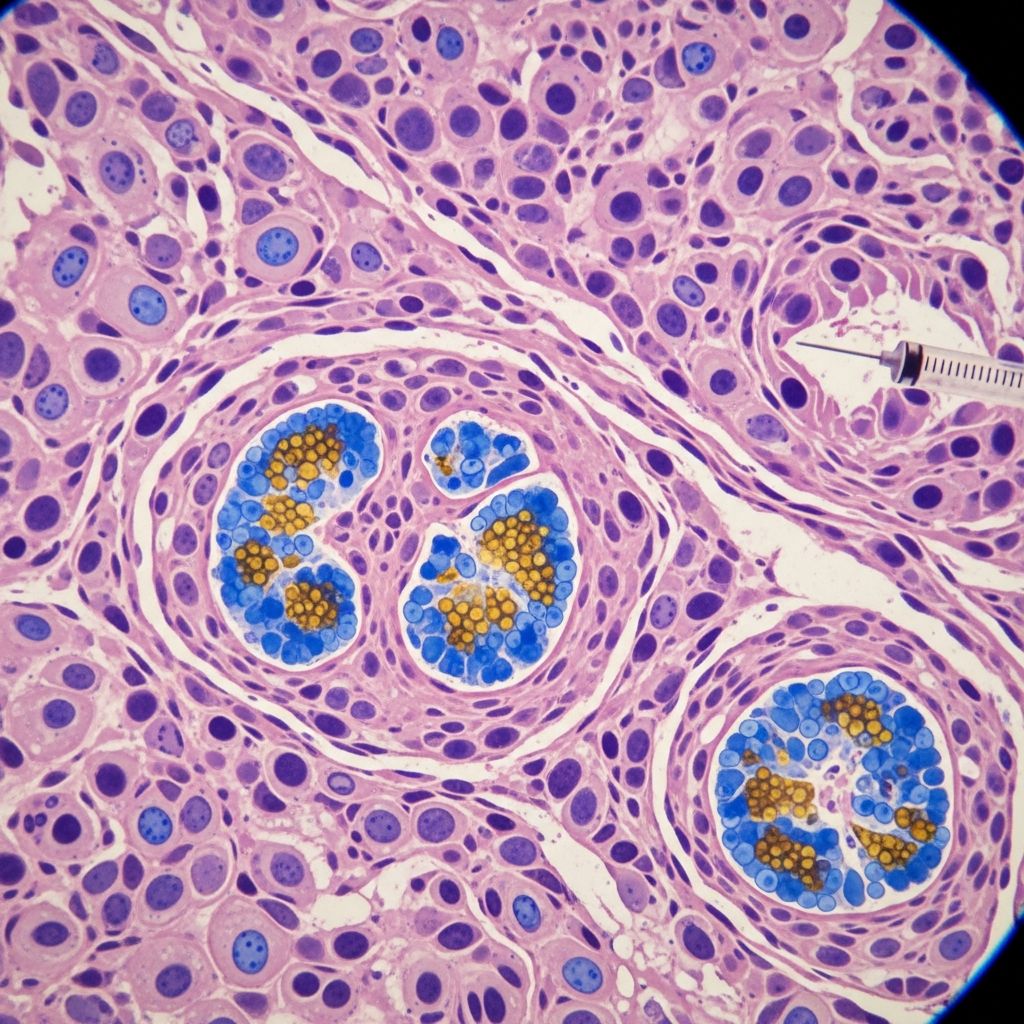
Understanding Iron Storage Disease in Birds
Iron storage disease, also known as hemochromatosis, represents one of the most significant nutritional disorders affecting captive birds, particularly softbilled species such as mynahs, toucans, and other exotic avians. This condition develops when excessive iron accumulates in vital organs, primarily the liver, but also affecting the heart, spleen, and kidneys. The disease is characterized by progressive organ damage that can lead to organ failure if left untreated. Understanding the mechanisms, risk factors, and management strategies is essential for bird owners and veterinarians dedicated to preserving avian health and longevity.
What Causes Iron Storage Disease?
Iron storage disease develops through multiple pathways, with dietary intake being the primary contributor in captive birds. Unlike mammals, birds lack an effective mechanism to excrete excess iron, making them susceptible to accumulation over time. The condition typically results from consuming diets naturally high in iron or fortified commercial foods that contain excessive iron supplementation. Additionally, high vitamin C intake exacerbates the problem by enhancing iron absorption in the digestive tract.
Environmental and physiological stressors play significant roles in disease development. Birds housed in crowded conditions, subjected to improper diets, or experiencing nutritional stress demonstrate higher susceptibility to iron accumulation. Certain species exhibit genetic predisposition to the disease, with softbilled birds showing particular vulnerability compared to other avian groups. The interaction between diet, stress, and individual susceptibility creates a complex etiology that requires comprehensive management strategies.
Species at Highest Risk
Specific bird species demonstrate markedly increased susceptibility to iron storage disease, necessitating preventive dietary modifications and regular monitoring. Mynahs, particularly Hill mynahs and Asian mynahs, rank among the highest-risk species for iron accumulation. Toucans and toucanets also show significant vulnerability to developing the condition. Other softbilled birds, including hornbills, lorikeets, and many frugivorous species, require careful dietary management to prevent iron storage.
These species are particularly at risk because their natural diets in the wild contain relatively low iron content. When maintained in captivity on inappropriate commercial formulations or supplemented with high-iron foods, their bodies rapidly accumulate toxic iron levels. Recognizing species-specific risk allows veterinarians and owners to implement targeted prevention strategies before disease manifestation occurs.
Clinical Signs and Early Detection
Iron storage disease progresses insidiously, with early stages often showing no apparent symptoms. This silent progression represents one of the disease’s most challenging aspects, as significant organ damage may occur before clinical signs become evident. When symptoms do manifest, they typically indicate advanced disease and organ compromise.
Common clinical signs include:
- Dyspnea (difficulty breathing) resulting from pulmonary or cardiac involvement
- Anorexia and progressive weight loss
- Depression and lethargy
- Coelomic distention and ascites (abdominal fluid accumulation)
- Poor feather condition and plumage deterioration
- Exercise intolerance and weakness
- Hepatomegaly (liver enlargement)
- Sudden collapse in advanced stages
The liver, spleen, and heart represent the organs most commonly affected by iron accumulation. As iron deposits progressively damage hepatocytes, fibrosis and cirrhosis develop, ultimately leading to hepatic failure. Cardiac involvement can result in arrhythmias and circulatory compromise, while splenic enlargement indicates systemic iron distribution. Early detection through routine screening in high-risk species allows intervention before irreversible organ damage occurs.
Diagnostic Methods and Procedures
Accurate diagnosis of iron storage disease requires multiple diagnostic approaches, as clinical signs and routine laboratory findings are nonspecific and often appear only in advanced disease stages. A comprehensive diagnostic protocol ensures confident diagnosis and appropriate treatment planning.
Liver Biopsy: The Gold Standard
Liver biopsy currently represents the most reliable antemortem method for evaluating iron status and confirming iron storage disease diagnosis. During this procedure, a small sample of liver tissue is obtained through percutaneous or endoscopic techniques. Histopathological examination reveals iron accumulation patterns and the extent of hepatic damage. Perls’s Prussian blue staining specifically highlights iron deposits within hepatocytes, providing quantitative and qualitative assessment of iron storage. Biopsy results guide treatment intensity and prognosis estimation.
Imaging Techniques
Radiographic and ultrasound imaging provide non-invasive assessment of organ involvement. Radiographs may reveal hepatomegaly, cardiac enlargement, or coelomic fluid accumulation. Ultrasonography offers superior soft tissue visualization, allowing assessment of liver echotexture changes, spleen size, and cardiac involvement. These imaging modalities help stage disease severity and monitor treatment response over time.
Laboratory Analysis
While routine hematology and serum biochemistry are not specifically diagnostic for iron storage disease, they provide valuable information regarding organ function and systemic effects. Elevated liver enzymes, particularly aspartate aminotransferase and alanine aminotransferase, indicate hepatic damage. Hypoalbuminemia reflects chronic liver dysfunction. Hematocrit values guide phlebotomy procedures to prevent iatrogenic anemia. These parameters help establish baseline organ function before treatment initiation.
Treatment Strategies for Iron Storage Disease
Managing iron storage disease requires a multifaceted approach combining dietary modification, phlebotomy, and in some cases, chelation therapy. Treatment duration typically extends to at least 16 weeks, with some cases requiring extended therapeutic courses. Success depends on early intervention, consistent dietary compliance, and regular monitoring.
Dietary Modification: The Foundation of Treatment
Low-iron diet represents the cornerstone of iron storage disease management. Commercial pellet formulations specifically designed as low-iron diets, containing less than 50 ppm iron, should replace previous dietary components. Fortified foods and vitamin-supplemented products must be eliminated. Foods naturally high in vitamin C, which enhances iron absorption, should be avoided. Suitable supplementary foods include apples, peaches, plums, and melons, while papaya, spinach, and citrus fruits should be excluded.
Transitioning to low-iron diets requires gradual introduction to prevent food refusal. Mixing increasing proportions of the new diet with previous food over 7-10 days typically ensures acceptance. Complete dietary transition must be achieved before other therapeutic measures can be optimally effective.
Phlebotomy: Blood Removal Protocol
Phlebotomy, the periodic removal of blood, effectively reduces total body iron load by removing iron-containing red blood cells. The procedure typically involves removing approximately 1% of the bird’s total body weight in blood weekly or as clinically indicated. Hematocrit monitoring during treatment ensures the bird does not become anemic, with treatment adjusted if hematocrit drops excessively.
As blood is removed, the bird’s body mobilizes iron reserves from hepatic stores to replace lost hemoglobin, thereby reducing dangerous organ iron accumulation. The duration and frequency of phlebotomy varies based on liver biopsy findings and clinical response. Some birds require only 1-2 mL blood removal daily in acute cases, while others need weekly procedures. Treatment protocols typically extend for months, with clinical response and repeat biopsy findings determining cessation timing.
Iron Chelation Therapy
Iron chelators such as deferoxamine mobilize iron from tissue deposits, promoting urinary and fecal excretion. Deferoxamine administered subcutaneously at approximately 100 mg/kg daily has demonstrated effectiveness in certain cases, with some reports documenting 60% reduction in liver iron concentration over four months. However, chelation therapy results remain inconsistent across avian patients, with some birds showing disappointing therapeutic responses.
Chelation therapy is particularly valuable when combined with phlebotomy and dietary modification. Treatment courses typically extend 16 weeks or longer, depending on iron load severity and therapeutic response. Alternative chelators, including tannins and phytates, have been suggested as dietary supplements to reduce iron absorption, though their clinical efficacy requires further investigation.
Monitoring and Long-Term Care
Effective iron storage disease management requires comprehensive monitoring protocols and ongoing veterinary oversight. Follow-up assessment typically involves repeat liver biopsy or imaging studies conducted every few months initially, then at extended intervals as clinical improvement occurs. These studies objectively document iron depletion and guide therapeutic adjustments.
Regular laboratory monitoring including liver enzymes, complete blood counts, and serum biochemistry panels assesses organ function and detects treatment complications. Body condition scoring monitors nutritional status and treatment tolerance. Phlebotomy frequency and volume adjustments depend on clinical response and serial hematocrit determinations. Dietary compliance verification ensures continued low-iron intake. This comprehensive approach optimizes treatment outcomes and prevents relapse after therapeutic courses conclude.
Prevention Strategies for Iron Storage Disease
Prevention represents the most effective approach to iron storage disease, particularly for high-risk species. Implementing preventive measures throughout a bird’s life eliminates the disease development risk entirely.
Essential prevention strategies include:
- Feeding commercial low-iron pellet formulations specifically designed for susceptible species
- Avoiding table scraps and human foods that may contain fortification additives
- Eliminating vitamin C supplements and high-vitamin C foods from daily diets
- Providing fresh, low-iron drinking water free from mineral contamination
- Avoiding unnecessary supplementation unless specifically prescribed by veterinarians
- Minimizing environmental and nutritional stress through proper husbandry
- Implementing routine liver screening examinations for high-risk species
- Educating owners regarding dietary requirements for susceptible birds
Routine preventive liver evaluations through imaging or biopsy in asymptomatic high-risk birds allows early disease detection before clinical manifestation. This proactive approach enables timely intervention with excellent treatment prognosis.
Management Summary
| Disease Phase | Clinical Actions | Key Considerations |
|---|---|---|
| Detection | Observe for dyspnea, ascites, weight loss, depression | Early signs are often absent; routine screening recommended for high-risk species |
| Diagnosis | Liver biopsy, imaging studies, laboratory analysis | Biopsy is gold standard; imaging guides severity assessment |
| Treatment | Low-iron diet, phlebotomy, possible chelation therapy | Treatment duration typically 16+ weeks; multimodal approach most effective |
| Monitoring | Serial liver evaluation, laboratory testing, body condition assessment | Initial monitoring every few months, then extended intervals as improvement occurs |
| Prevention | Diet control, stress reduction, routine screening | Most effective approach; eliminates disease risk in susceptible species |
Frequently Asked Questions
Q: Can iron storage disease be cured completely?
A: Yes, iron storage disease can be managed effectively with early detection and comprehensive treatment. However, if irreversible organ damage such as cirrhosis has already occurred, management focuses on slowing progression and maintaining quality of life rather than complete reversal.
Q: How long does treatment typically take?
A: Treatment courses generally extend a minimum of 16 weeks, with many cases requiring several months or longer depending on iron load severity and therapeutic response. Some birds require ongoing dietary management indefinitely.
Q: Which birds are most susceptible to iron storage disease?
A: Softbilled birds, particularly mynahs, toucans, hornbills, and lorikeets, demonstrate the highest susceptibility. These species require special dietary consideration and periodic monitoring throughout their lives.
Q: Is phlebotomy painful for birds?
A: Phlebotomy involves minimal discomfort when performed by experienced avian veterinarians. The procedure involves brief blood collection, similar to routine laboratory draws in human medicine.
Q: Can dietary modification alone cure iron storage disease?
A: Dietary modification alone cannot reverse established iron storage disease but is essential for preventing disease development and supporting other therapeutic modalities. Combined with phlebotomy and chelation therapy, dietary changes optimize treatment outcomes.
Q: How often should high-risk birds be screened for iron storage disease?
A: Routine screening through imaging or laboratory assessment annually is prudent for high-risk species. More frequent monitoring may be recommended for birds showing any clinical signs or those with previous disease history.
References
- Iron Storage Disease in Birds: A Vet’s 2025 Guide to Diagnosis & Treatment — Ask A Vet. 2025-01-15. https://askavet.com/blogs/news/iron-storage-disease-in-birds-a-vet-s-2025-guide-to-diagnosis-treatment
- Iron Storage Disease In Birds — Lafeber Company Veterinary Resources. 2024. https://lafeber.com/vet/iron-storage-disease-in-birds/
- Nutritional Diseases of Pet Birds — Merck Veterinary Manual, Exotic and Laboratory Animals. 2024. https://www.merckvetmanual.com/exotic-and-laboratory-animals/pet-birds/nutritional-diseases-of-pet-birds
- Iron Storage Disease in Softbilled Birds (Hemochromatosis) — Turacos International Organization. Accessed 2025-11-28. http://www.turacos.org/Texts/iron_storage_disease_softbilled_birds.pdf
- Deadly Outbreak of Iron Storage Disease (ISD) in Italian Birds — PMC National Center for Biotechnology Information. 2012-10-15. https://pmc.ncbi.nlm.nih.gov/articles/PMC4197146/
Similar Articles








Read full bio of Sneha Tete


