

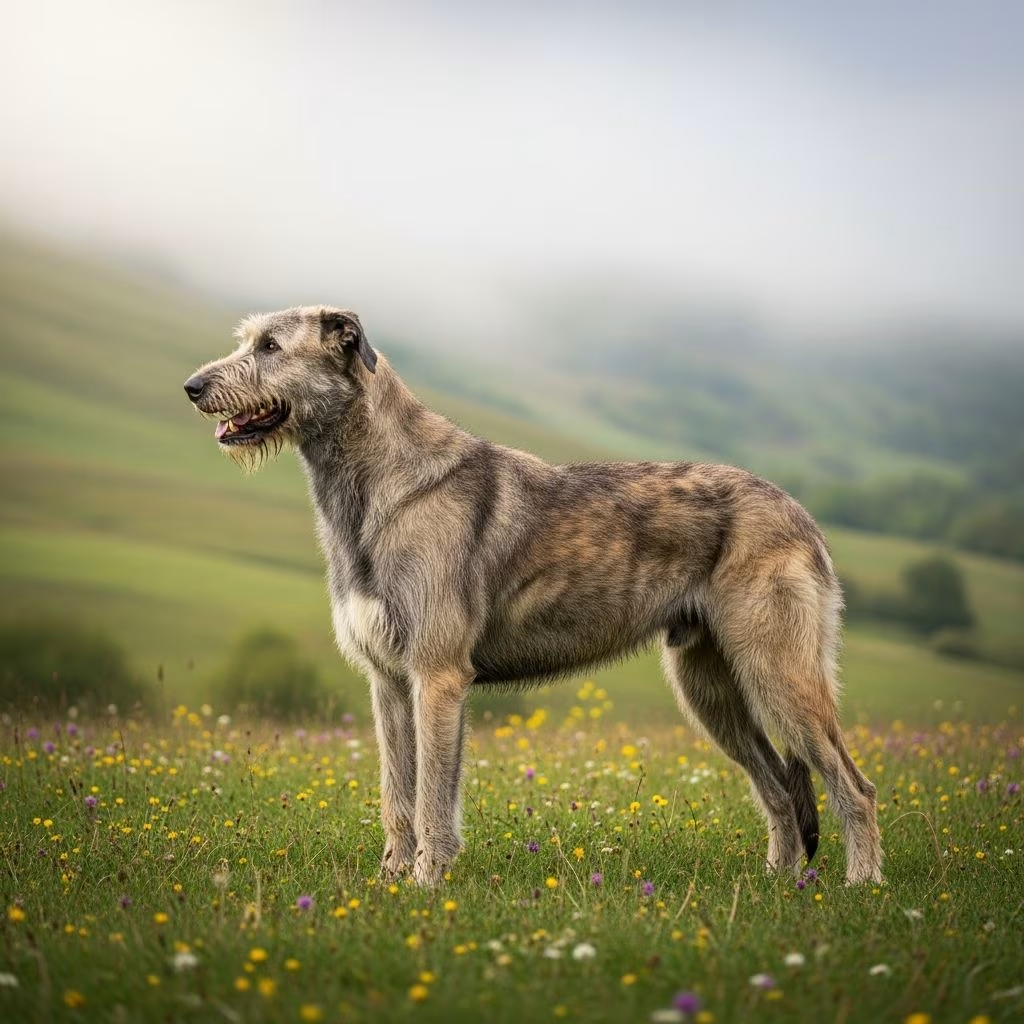
The Irish Wolfhound stands as one of the most awe-inspiring dog breeds, renowned for its towering stature and serene demeanor. This ancient sighthound combines raw power with profound loyalty, making it a captivating companion for those prepared for its unique demands.
Origins and Evolution of the Breed
Tracing back to ancient Ireland, the Irish Wolfhound emerged as a formidable hunter and protector. Historical accounts from Roman times describe massive Greyhound-like dogs known as cú faoil in Gaelic, celebrated for their ferocity against wolves, elk, boar, and even in warfare alongside Celtic warriors. These hounds were so prized that chieftains incorporated “cú” into their names, symbolizing unmatched loyalty and strength.
By the 16th century, observers like Edmund Campion noted their colossal size, surpassing colts in bone and limb, essential for safeguarding livestock from Ireland’s wolf population. Exports to European nobility surged, depleting numbers in Ireland. Wolves’ extinction by the late 18th century further diminished the breed’s purpose, leading to near extinction.
Revival efforts in the 19th century, led by Captain George Augustus Graham, proved pivotal. Graham crossed surviving Irish Wolfhounds with Scottish Deerhounds, Great Danes, Borzois, and possibly Tibetan Mastiffs or Kyi Apsos to restore vigor and size. By 1885, he founded the Irish Wolfhound Club, establishing the breed standard. The first shows occurred in 1879 in Dublin, gaining official recognition soon after. Today, this blend ensures the breed’s distinctive swift power and grace.
Physical Traits and Size Expectations
Irish Wolfhounds epitomize giant breeds, with males often exceeding 32 inches at the shoulder and weighing 120-180 pounds, females slightly smaller. Their lean, muscular frames, long legs, and deep chest enable bursts of speed rivaling elite sighthounds, despite their size.
Coat is wiry and rough, typically gray, brindle, black, or fawn, providing weather resistance. Their expressive eyes and bearded muzzles convey wisdom and gentleness. Growth is rapid; puppies reach adult height by 10 months but fill out until age three, demanding careful nutrition to support skeletal development.
| Trait | Male | Female |
|---|---|---|
| Height | 32+ inches | 30+ inches |
| Weight | 120-180 lbs | 100-140 lbs |
| Lifespan | 6-8 years | 6-8 years |
| Coat | Rough, wiry | Rough, wiry |
Temperament: Loyal and Composed
Far from their fierce hunting legacy, modern Irish Wolfhounds embody the motto “gentle when stroked, fierce when provoked.” They are remarkably calm, affectionate, and patient, thriving on human companionship without excessive energy. Independent thinkers, they bond deeply with families but may not suit homes craving constant activity.
- Affectionate: Devoted to owners, often leaning for contact.
- Gentle with Children: Tolerant and protective, ideal for calm households.
- Dog-Friendly: Sociable with other dogs if socialized early.
- Reserved with Strangers: Aloof but not aggressive; excellent watchdogs.
Their low prey drive today favors couch companionship over pursuits, though historical grit shines in stories of bear hunts and rival dog battles.
Grooming and Daily Maintenance
Minimal grooming suits this low-shedding breed. Weekly brushing with a hound mitt removes dead hair and distributes oils, preventing mats in the wiry coat. Bathe sparingly to preserve natural protection; nails trim monthly, ears check weekly for infections common in drop-eared giants.
Shedding peaks seasonally; expect moderate fur in spring and fall. Dental care is crucial—provide chews and brush thrice weekly to combat periodontal issues prevalent in large breeds.
Training Strategies for Success
Intelligence and independence define Irish Wolfhounds, requiring positive, patient training. Start early with puppy classes emphasizing recall, vital for sighthounds’ chase instinct. Use rewards like food and praise; harsh methods backfire with their sensitive nature.
- Puppy Socialization: Expose to varied environments by 12 weeks.
- Leash Training: Prevent bolting; use long lines initially.
- Basic Commands: Focus on sit, stay, and come amid distractions.
- Housebreaking: Consistent routines yield quick results.
Advanced obedience suits lure coursing or therapy work, channeling their focus.
Exercise Requirements and Lifestyle Fit
Despite size, Irish Wolfhounds aren’t high-energy; 30-60 minutes daily of walks or fenced romps suffices. Avoid off-leash in open areas due to sight-hunting heritage. They excel in spacious yards but adapt to apartments with outings.
Puppies need controlled play to protect joints; adults enjoy relaxed hikes. Cold tolerance is high, but heat exacerbates bloat risk—opt for morning/evening activity.
Nutrition Essentials for Longevity
Large-breed puppy formulas until 18 months support steady growth, transitioning to adult giant-breed kibble rich in glucosamine for joints. Feed twice daily to mitigate gastric dilatation-volvulus (GDV); measured portions prevent obesity.
Daily calories: 3,000-5,000 based on activity/age. Fresh water always; elevate bowls for comfort.
Health Considerations and Preventive Care
Short lifespan (6-8 years) stems from giants’ vulnerabilities: cardiomyopathy, bloat, osteosarcoma, and hip dysplasia. Annual cardiac screenings via OFA/AKC recommended; neuter timing weighs cancer risks.
Vet visits biannually post-age five; vaccines, flea/tick preventives standard. Home monitoring for limping or appetite loss aids early detection.
| Common Issue | Symptoms | Prevention |
|---|---|---|
| Cardiomyopathy | Lethargy, coughing | Annual echoes |
| Bloat (GDV) | Swollen abdomen, retching | Slow feeding, no exercise post-meal |
| Cancer | Lumps, weight loss | Regular exams |
Choosing Your Irish Wolfhound
Seek reputable breeders with health-tested parents (hips, heart, eyes). Puppies cost $2,000-$4,000; rescues offer adults. Prepare for space: crates 48+ inches, sturdy fences (6ft minimum).
Ideal owners: Experienced with giants, committed to short life via proactive care.
Frequently Asked Questions
Are Irish Wolfhounds good family pets?
Yes, their gentle nature suits families with respectful children, though supervision is advised due to size.
How much exercise do they need?
Moderate: 45 minutes daily prevents boredom without exhaustion.
Do they drool a lot?
Minimal compared to Mastiffs; light wiping post-meals suffices.
Can they live in apartments?
Possible with ample walks, but prefer yards.
What’s their barking level?
Low; alert only, not yappy.
Why Choose an Irish Wolfhound?
This breed offers unparalleled loyalty in a statuesque package, rewarding dedicated owners with profound bonds. From ancient battlefields to quiet homes, their legacy endures.
References
- Irish Wolfhound facts, history and characteristics — Horse & Hound. 2023-05-15. https://www.horseandhound.co.uk/dogs/irish-wolfhound-dog-breed-848809
- Irish Wolfhound History: Behind the Ancient Breed of Ireland — American Kennel Club. 2024-02-10. https://www.akc.org/expert-advice/dog-breeds/irish-wolfhound-history-behind-the-breed/
- Irish Wolfhound — Wikipedia. 2025-11-20. https://en.wikipedia.org/wiki/Irish_Wolfhound
- Irish Wolfhound History — Westover Wolfhounds. 2022-08-05. https://www.westoverwolfhounds.com/articles/irish-wolfhound-history
- The Irish Wolfhound Breed Guide: History, Personality, Grooming, Training, Health and Feeding — The Farmer’s Dog. 2024-07-12. https://www.thefarmersdog.com/digest/the-irish-wolfhound-breed-guide-history-personality-grooming-training-health-and-feeding/



