

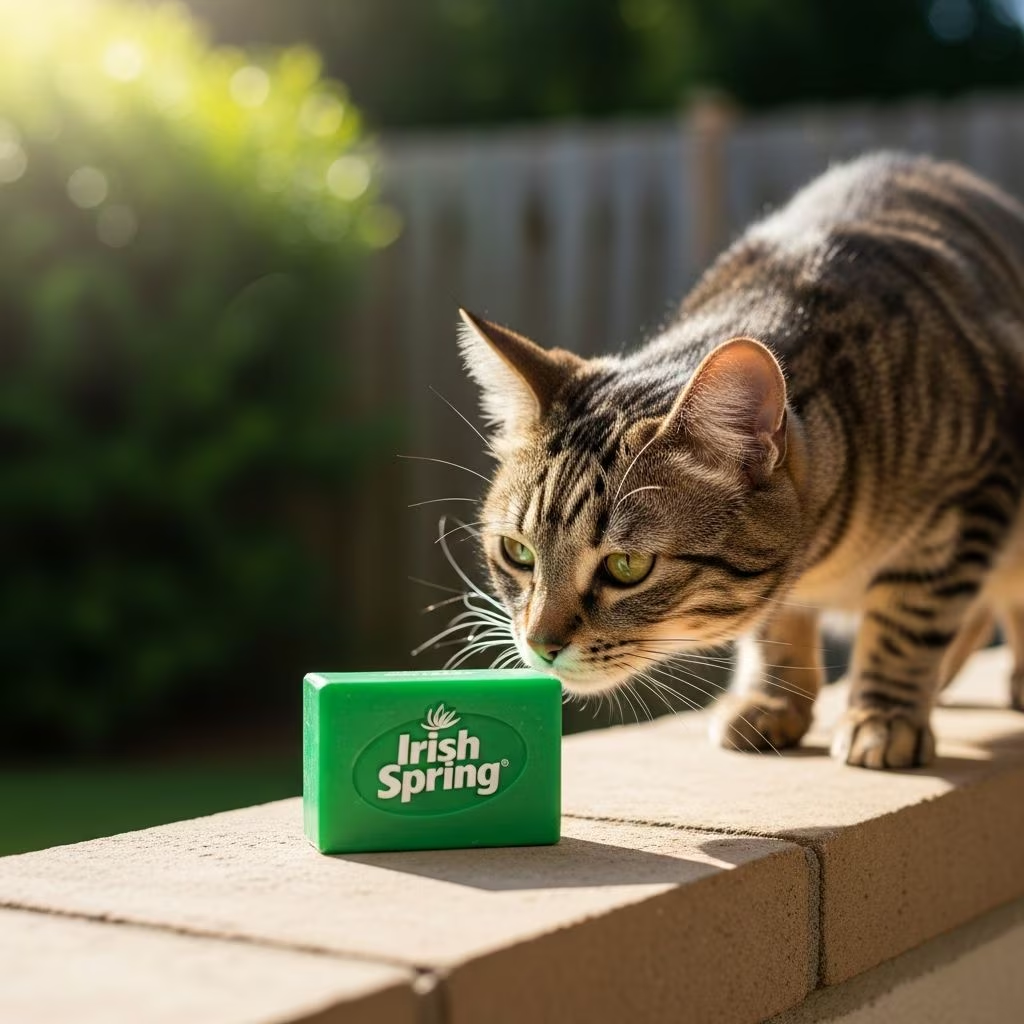
Managing unwanted feline visitors in your garden or keeping your own cats away from certain areas of your home presents a common challenge for pet owners and gardeners alike. Many people seek natural, non-toxic solutions that won’t harm animals while effectively addressing the problem. Irish Spring soap has emerged as a popular remedy discussed in online forums and gardening circles. Understanding how this household product functions as a deterrent, whether it actually works, and how to use it safely requires examining the science behind feline behavior and sensory perception.
Understanding Feline Sensory Perception and Odor Sensitivity
Cats possess an extraordinary sense of smell that vastly surpasses human olfactory capabilities. Research indicates that cats have approximately 14 times more scent receptors than humans, making them extraordinarily sensitive to aromatic compounds in their environment. This heightened olfactory system evolved to help cats hunt prey, navigate territories, and communicate with other felines through chemical signals.
This sophisticated sensory apparatus means that what humans perceive as a pleasant fragrance can be overwhelming and distressing to cats. The intense aroma of Irish Spring soap falls into this category. The soap’s distinctive scent profile creates a sensory experience so powerful that most cats instinctively avoid areas where it’s present, much like humans would retreat from an enclosed space filled with excessive cologne or perfume.
The mechanism isn’t based on toxicity or chemical harm but rather on simple aversion. Cats actively seek comfortable environments and avoid spaces that assault their sensitive noses. By introducing a powerfully aromatic substance, you essentially make certain areas less appealing without resorting to harmful chemicals or dangerous substances.
The Composition and History of Irish Spring
Irish Spring represents a well-established personal care brand with a history spanning decades. The product underwent significant reformulation in the mid-1980s when Colgate, its manufacturer, introduced a new scent profile that inadvertently created an excellent cat deterrent. Today, Irish Spring exists in multiple scent variations, with approximately 13 different options available to consumers.
While the brand has expanded beyond soap bars to include deodorants and other personal care products, the bar soap remains the most commonly used form for cat deterrent purposes. Among the various scent options, the Original Clean formula receives the most consistent anecdotal reports from gardeners regarding its effectiveness at repelling felines.
The soap’s popularity as a cat repellent stems partly from its accessibility and affordability. Unlike specialized pet deterrent products that command premium prices, Irish Spring remains one of the most economical soap options available in stores, making it an attractive choice for budget-conscious gardeners and pet owners seeking cost-effective solutions.
Evaluating Effectiveness: What the Evidence Shows
The question of whether Irish Spring soap truly repels cats requires nuance. According to available information, Irish Spring can be effective at deterring most cats, though it doesn’t work universally on every feline. The variability in results stems from individual cat personalities and sensitivities. Some cats may find the scent so objectionable that they avoid treated areas entirely, while others might tolerate it or gradually acclimate to the presence of the soap.
Geographic and environmental factors also influence effectiveness. Outdoor applications face challenges from weather conditions. Rain, wind, and temperature fluctuations can diminish the soap’s scent potency over time, requiring regular reapplication to maintain effectiveness. Indoor use tends to produce more consistent results because environmental factors don’t degrade the fragrance as rapidly.
The placement and concentration of soap pieces directly impact their deterrent capability. Strategic placement in areas where cats prefer to spend time—such as favorite digging spots or favorite lounging areas under bushes—produces better results than haphazard placement. Additionally, using an appropriate quantity ensures sufficient scent dispersal throughout the target area.
Safety Considerations for Cats and Other Animals
A primary advantage of using Irish Spring soap as a cat deterrent is its safety profile. The product contains no toxic ingredients that would harm cats if ingested in small amounts during casual investigation. This distinguishes it from alternative deterrent methods that carry genuine safety risks.
Some commonly suggested cat deterrents present serious dangers. Essential oils, for instance, contain compounds that cats lack the liver enzymes to metabolize effectively. Even small quantities can accumulate to toxic levels in feline systems. Similarly, capsaicin-based products cause intense burning sensations when contacting mucous membranes—similar to the discomfort humans experience after touching eyes following pepper handling.
Irish Spring’s non-toxic nature extends beyond cats to encompass other animals that might encounter it. Mice, rabbits, deer, and other creatures won’t experience harm if they make contact with or ingest traces of the soap, making it an animal-friendly option for gardeners concerned about broader wildlife protection.
However, safety also involves practical considerations. The soap should never be used to bathe cats directly, as it isn’t formulated with a pH balance appropriate for feline skin. Additionally, when using Irish Spring indoors, avoid placing it directly on fabric or upholstered surfaces, as the soap can cause staining. The product may also prove overwhelming for humans with sensitive noses, so consider your own comfort level before implementing this strategy in shared living spaces.
Application Methods for Different Scenarios
Garden and Outdoor Use
For protecting garden plants and outdoor spaces, multiple application techniques prove effective. The most straightforward approach involves cutting Irish Spring bars into smaller cubes or pieces, then distributing them throughout the garden area. The size of your yard or garden determines how many bars you’ll need—larger areas require more pieces for adequate scent coverage.
An alternative method involves grinding the soap into shavings using a kitchen rasp or grater, then scattering the fragments around potted plants or mixing them into soil in preferred digging spots. This approach creates a more distributed fragrance and interferes with the texture cats prefer for digging, providing dual deterrent benefits. Burying soap pieces in areas where cats habitually dig disrupts their comfort zone and encourages them to choose different locations.
You can also create protective sachets by placing soap cubes or shavings into small fabric bags and positioning them strategically around plants or garden perimeter areas. This method contains the soap more neatly while concentrating the scent in specific zones.
Indoor Application Techniques
For indoor spaces, sachets offer an excellent solution for keeping cats away from furniture or specific rooms. Place small fabric bags containing soap pieces or shavings on or near areas you want cats to avoid, such as armchairs, couches, or beds. This approach minimizes mess while containing the fragrance within defined boundaries.
Creating a spray solution represents another indoor option. Dissolve Irish Spring soap in water, then transfer the mixture to a spray bottle for convenient application on furniture or non-plant surfaces. However, exercise caution when spraying near plants, as the mixture might damage foliage. Never use this spray on plants your cats might eat, particularly since spraying alone cannot guarantee adequate protection from potentially toxic plants like lilies or mistletoe.
Enhanced Formulas
Some gardeners and pet owners create combination deterrent solutions that amplify effectiveness. One popular recipe involves mixing soap solution with white vinegar and water in equal proportions, then applying this combination via spray bottle. This hybrid approach combines the soap’s scent-based deterrent with vinegar’s acidic properties, potentially creating a more powerful repellent effect. For maximum impact, select citrus-scented soap varieties when creating combination solutions, as cats particularly dislike citrus fragrances.
Advantages and Limitations of This Approach
Benefits
- Cost-effective: Irish Spring remains among the least expensive soap options available, making this deterrent method budget-friendly compared to specialized pet deterrent products.
- Non-toxic: Unlike many alternative deterrents, Irish Spring poses no health risks to cats, dogs, or other animals that might encounter it.
- Versatile: The method works effectively both indoors and outdoors, adapting to various situations and spaces.
- Easy implementation: No special tools, training, or expertise required to apply the soap as a deterrent.
- Humane: This approach causes no physical harm or distress beyond sensory aversion, making it an ethical choice for animal lovers.
Limitations and Drawbacks
- Variable effectiveness: Results differ among individual cats, with some showing complete avoidance while others prove unaffected or gradually acclimate.
- Temporary duration: Outdoor applications require regular reapplication due to weather degradation, demanding ongoing maintenance effort.
- Staining potential: The soap can stain fabrics and upholstered surfaces, requiring protective measures when using it indoors.
- Scent sensitivity: Some humans find the fragrance overwhelming, making it unsuitable for households with individuals sensitive to strong scents.
- Moisture complications: Wet conditions create cleanup challenges and accelerate scent dissipation, reducing effectiveness during rainy periods.
Comparing Irish Spring to Other Deterrent Options
| Deterrent Method | Effectiveness | Safety Profile | Cost | Maintenance |
|---|---|---|---|---|
| Irish Spring Soap | Moderate to High (varies by cat) | Very Safe (non-toxic) | Very Low | Regular reapplication needed outdoors |
| Essential Oils | Moderate | Unsafe (toxic to cats) | Moderate | Regular reapplication needed |
| Capsaicin Products | High | Unsafe (causes burning) | Moderate to High | Regular reapplication needed |
| Physical Barriers | Very High | Safe | High (initial setup) | Periodic inspection and repair |
| Motion-Activated Deterrents | High | Safe | Moderate to High | Battery/power maintenance |
Frequently Asked Questions
Can I use any scent of Irish Spring soap?
While the Original Clean formula appears most effective based on gardener reports, other scent varieties should work to varying degrees due to their inherent strong fragrances. Citrus-scented options may prove particularly effective. Experimentation with available varieties might yield better results for your specific situation.
How long does Irish Spring soap remain effective?
Effectiveness duration depends on environmental conditions. Indoor applications typically last longer than outdoor installations due to protection from weather elements. Outdoor soap generally requires reapplication every few weeks or after significant rainfall.
Will cats eventually ignore the soap scent?
Some cats may gradually acclimate to the presence of Irish Spring, particularly if alternatives remain unavailable in their territory. Regular reapplication and rotation of soap placement areas may help prevent habituation.
Is Irish Spring safe around food gardens?
Yes, Irish Spring poses no toxicity risks to edible plants or produce. However, avoid direct spray application on crops you plan to consume, and consider using soap pieces or sachets placed around—rather than directly on—food plants.
Can I combine Irish Spring with other natural deterrents?
Yes, combination approaches using Irish Spring with white vinegar and water create enhanced deterrent solutions. Always ensure any additional components remain non-toxic before combining them.
Practical Implementation Strategy
Implementing Irish Spring as a cat deterrent requires a thoughtful approach for optimal results. Begin by identifying specific areas where cats congregate or cause problems—whether that’s particular garden beds, entry points to your yard, or furniture they prefer. Start with a single bar to test effectiveness in your situation before investing in larger quantities.
For outdoor applications, place soap pieces during dry weather to ensure the fragrance disperses effectively. Establish a reapplication schedule to maintain potency, particularly during rainy seasons or after several weeks have passed. Rotate placement locations periodically to prevent cats from recognizing and bypassing the deterrent.
For indoor use, start with one sachet in the most problematic area and observe your cat’s behavior for several days. Adjust placement or quantity based on whether your cat successfully avoids the treated zone. Monitor for any signs of fabric staining if using sachets near upholstered items.
Final Considerations
Irish Spring soap represents a reasonable choice for those seeking an inexpensive, non-toxic approach to cat deterrence. Its effectiveness derives from cats’ natural aversion to powerful scents rather than harmful ingredients, distinguishing it from potentially dangerous alternatives. The method’s safety profile, combined with ease of application and minimal expense, makes it attractive for gardeners and pet owners dealing with unwanted feline activity.
However, recognize that no universal solution exists for cat deterrence. Individual cats respond differently, and results vary based on environmental factors and specific applications. Combining Irish Spring with other deterrent methods—such as physical barriers or motion-activated devices—may produce better overall results than relying on any single approach.
Before implementing this strategy, consider your own sensitivity to strong scents and assess potential impacts on your household environment. If you’re comfortable with the fragrance and willing to maintain regular reapplication for outdoor uses, Irish Spring offers a viable, humane, and economical solution to managing unwanted cat activity in your garden or home.
References
- Does Irish Spring Soap Keep Cats Away? Vet-Reviewed Facts & FAQ — Catster. 2024. https://www.catster.com/cat-health-care/does-irish-spring-soap-keep-cats-away/
- Does Irish Spring Soap Keep Cats Away? Facts, Safety Guide & FAQ — Hepper. 2024. https://articles.hepper.com/does-irish-spring-soap-keep-cats-away/
- Why Scatter Soap in Your Yard: A Gentle Deterrent for Cats — Oreate AI. 2024. https://www.oreateai.com/blog/why-scatter-soap-in-your-yard-a-gentle-deterrent-for-cats/b97ddb6a3ca636672a4a5fdaeacf092e
- Homemade Cat Repellents to Keep Your Furniture and Garden Safe — Vet Organics. 2024. https://www.vet-organics.com/blogs/news/homemade-cat-repellents-to-keep-your-furniture-and-garden-safe



