
Intussusception in Dogs: Causes, Symptoms, and Treatment
Understanding intestinal telescoping in dogs: Recognition, diagnosis, and emergency care.
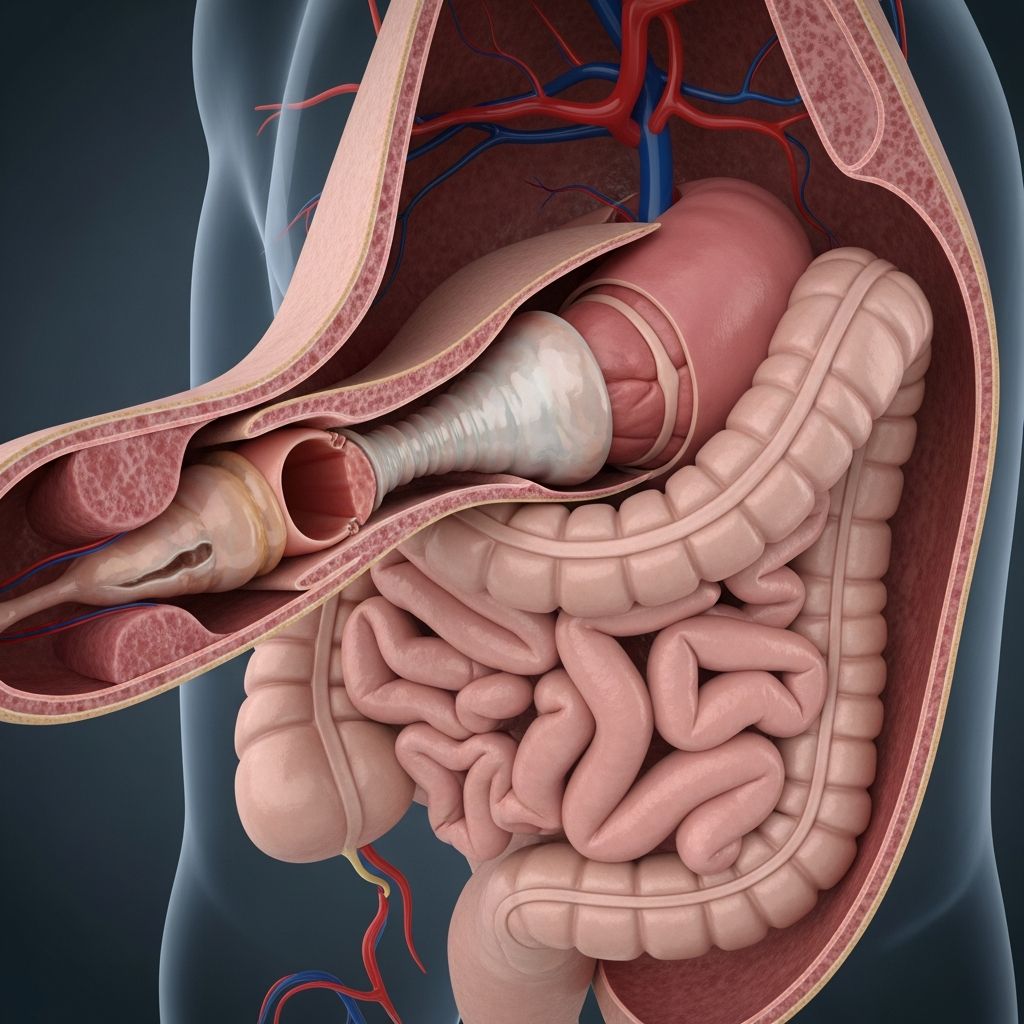
Understanding Intussusception in Dogs
Intussusception is a serious gastrointestinal condition that occurs when one segment of the intestine slides or telescopes into an adjoining section of bowel, much like a collapsing telescope. This dangerous condition can compromise the blood flow to the trapped intestinal tissue and lead to a partial or complete obstruction of the gastrointestinal tract. If left untreated, the trapped tissue can become ischemic (lacking oxygen) and die, making prompt veterinary attention critical. While intussusception can occur anywhere along the gastrointestinal tract involving the stomach, small intestine, or colon, it most commonly affects the jejunum, a segment of the small intestine in dogs.
What is Intussusception?
An intussusception represents a mechanical problem within the intestines where the telescoping effect causes narrowing or complete obstruction of the intestinal lumen (the inside diameter). This condition is particularly concerning because it can prevent food from passing normally through the gastrointestinal system. The severity of an intussusception can vary significantly depending on whether the obstruction is partial or complete, and whether it is temporary or permanent. In some cases, an intussusception may intermittently relieve itself as the affected segment of intestine moves back and forth between a telescoped position and a normal position, creating a waxing and waning pattern of clinical signs.
Common Causes of Intussusception
Understanding the underlying causes of intussusception is essential for prevention and management. Several factors can predispose a dog to developing this condition:
Primary Contributing Factors
– Idiopathic causes: In many cases, the exact cause remains unknown- Enteritis: Inflammation or infection of the intestinal tract is a common secondary cause- Intestinal parasites: Parasitic infections can alter normal intestinal function and motility- Viral infections: Viral enteritis, particularly parvovirus, can lead to intussusception by disrupting normal gastrointestinal function- Foreign body ingestion: Linear foreign bodies such as string, yarn, dental floss, and similar objects are frequent culprits- Previous intestinal surgery: Dogs that have undergone abdominal surgery may be at increased risk- Dietary indiscretion: Scavenging or counter surfing can introduce materials that trigger intestinal problems- Intestinal masses or tumors: Abnormal growths can disrupt normal intestinal motility
Risk Categories
Intussusception can occur in dogs of all breeds, but certain populations are at higher risk. Young animals, particularly those less than one year of age, are more commonly affected. Additionally, certain breeds such as German Shepherds demonstrate increased predisposition to intussusception, particularly gastroesophageal intussusception (GEI), which is a more severe form involving the stomach and esophagus.
Clinical Signs and Symptoms
The symptoms of intussusception depend largely on the anatomical location of the blockage and whether the obstruction is partial or complete. Recognizing these signs promptly is crucial for obtaining emergency veterinary care.
General Clinical Signs
Dogs with intussusception commonly present with a combination of gastrointestinal symptoms. The primary signs include:
– Vomiting, with or without blood- Diarrhea, often described as “currant jelly” when blood is present- Loss of appetite (anorexia)- Depression and lethargy- Dehydration (dry mouth, tacky saliva)- Abdominal pain and discomfort- Abdominal swelling or distention- Occasional regurgitation or difficulty swallowing
Signs Specific to Location
The location of the intussusception within the gastrointestinal tract significantly influences the severity and nature of symptoms. High intestinal tract intussusceptions produce more severe clinical signs and may include difficulty breathing, hematemesis (bloody vomit), and significant abdominal pain. In contrast, low intestinal tract intussusceptions may present with bloody diarrhea, melena (dark, tarry stool), occasional vomiting, and progressive weight loss.
Pain and Behavioral Changes
Affected dogs may exhibit signs of abdominal pain including crying, whimpering, reluctance to lie down, or assuming a characteristic hunched or “praying position” (down on the forelimbs with the hind limbs elevated). Some dogs with intussusception located at the terminal part of the small intestine may experience chronic signs for weeks, including progressive weight loss, persistent vomiting, and poor appetite. In rare cases, the intussusception may actually protrude out of the anus.
Diagnosis of Intussusception
Accurate and timely diagnosis is essential for successful treatment of intussusception. Veterinarians employ multiple diagnostic approaches to confirm this condition and assess the dog’s overall health status.
Physical Examination Findings
During a physical examination, veterinarians look for specific indicators consistent with intussusception. Common findings include dehydration, an elevated heart rate, and pale mucous membranes—signs that are characteristic of many gastrointestinal conditions. In some cases, a veterinarian may palpate a cylindrical mass in the abdomen, which is highly suggestive of intussusception. The physical examination also assesses the dog’s pain level and hydration status, which are critical for determining the urgency of treatment.
Imaging Techniques
Standard radiographs (x-rays) and abdominal ultrasound are the primary imaging tools used to diagnose intussusception. Abdominal ultrasound is considered an excellent diagnostic tool and often provides the definitive diagnosis. These imaging studies allow veterinarians to visualize the telescoped bowel and assess the extent of obstruction. The imaging also helps rule out other potential causes of the dog’s symptoms.
Laboratory Testing
Blood work and urinalysis are essential components of the diagnostic workup. Standard screening tests typically include a complete blood count (CBC), biochemistry profile, and urinalysis. These tests provide crucial information about the dog’s overall health and hydration status. Laboratory findings may reveal evidence of dehydration, electrolyte imbalances, and in some cases, acute kidney failure secondary to the intestinal problem. Blood work also guides the veterinarian in determining appropriate stabilizing treatments prior to surgery.
Treatment Options for Intussusception
Treatment of intussusception requires immediate and aggressive intervention. Patients with life-threatening clinical signs must be hospitalized and treated emergently, as clinical deterioration can be rapid and potentially fatal. Successful treatment depends on comprehensive medical stabilization combined with surgical intervention.
Medical Stabilization
Before surgical correction, the dog must be stabilized medically. Rapid intravenous fluid therapy is imperative in severely ill animals to correct dehydration and restore circulating blood volume. Aggressive intravenous fluid and electrolyte therapy is extremely important and must address any acid-base abnormalities present. If the dog has hyponatremia (low sodium), a sodium solution may be administered. These medical interventions are critical because they prepare the dog’s body to tolerate surgery and improve the likelihood of a successful outcome. Antibiotics are usually prescribed to prevent secondary infection, and your veterinarian may recommend a specific post-operative diet.
Surgical Correction
Most cases of intussusception are surgical emergencies requiring immediate operative intervention. Once the animal is stabilized, surgical correction is instituted as soon as possible. During surgery, the veterinarian works to relieve the telescoping of the bowel and restore normal anatomical position. The surgical approach depends on the viability of the affected intestinal segment. If the bowel tissue remains viable and healthy, the surgeon may fold and tack the bowel upon itself to prevent the telescoping from recurring. However, if the trapped tissue has become ischemic and non-viable due to prolonged compromise of blood flow, surgical resection (removal) of the affected segment of intestine is necessary.
Non-Surgical Treatment Options
In rare cases, an intussusception may correct itself without intervention. In a small number of cases, a veterinarian may attempt to manually massage the intestine through the skin and abdominal wall to correct the intussusception. Additionally, in puppies, it may be possible to infuse saline into the colon and use water pressure to correct the intussusception without resorting to surgery. However, these non-surgical approaches are attempted only in select cases and are not appropriate for all dogs with intussusception.
Post-Operative Care
Following surgical correction of intussusception, limiting your dog’s daily activity is recommended until complete recovery has occurred. The recovery period allows the surgical site to heal properly and reduces the risk of complications. Antibiotics are often administered post-operatively to reduce the likelihood of infection developing. Your veterinarian will provide specific care instructions tailored to your dog’s individual situation and recovery progress.
Prevention and Management
While not all cases of intussusception can be prevented, several measures can significantly reduce the risk of this serious condition:
– Remove linear foreign bodies: Keep all string, yarn, dental floss, and similar materials away from dogs, as these are common causes of intussusception- Prevent dietary indiscretion: Ensure dogs do not access garbage or engage in counter surfing, as scavenged items can trigger intestinal upset- Maintain vaccinations: Vaccinate your dog against parvovirus, which causes viral enteritis that can lead to intussusception- Monitor for parasites: Regular parasite prevention and screening can reduce the risk of parasitic infections causing intussusception- Watchful supervision: Keep puppies and young dogs under close observation, as they are more prone to intussusception
Frequently Asked Questions
Q: Is intussusception fatal if left untreated?
A: Yes, intussusception can be fatal without treatment. The condition can cause tissue death, complete intestinal obstruction, and severe complications that can lead to death if not addressed surgently. This is why immediate veterinary attention is critical when intussusception is suspected.
Q: Can intussusception occur in adult dogs?
A: While intussusception is more common in young animals less than one year of age, it can occur in dogs of any age. Adult dogs may develop intussusception secondary to other conditions such as intestinal masses, previous surgery, or gastrointestinal infections.
Q: What is the prognosis for dogs with intussusception?
A: The prognosis depends on several factors including the duration of the condition, the location of the intussusception, whether the intestinal tissue remains viable, and how quickly surgical treatment is obtained. Dogs treated promptly with surgery generally have a good prognosis, though some may require partial bowel resection.
Q: How long does recovery take after intussusception surgery?
A: Recovery from intussusception surgery typically takes 2-4 weeks, though complete healing may take longer. During recovery, activity restriction is important, and your veterinarian will provide specific post-operative care instructions. Most dogs can return to normal activity once fully healed.
Q: Can intussusception recur?
A: While recurrence is not common, it can occur, particularly if the underlying cause (such as persistent parasites or inflammatory bowel disease) is not addressed. Proper surgical technique, including bowel tacking when appropriate, helps minimize recurrence risk.
Q: What should I do if I suspect my dog has intussusception?
A: Contact your veterinarian immediately or visit an emergency veterinary clinic if your dog shows signs of intussusception such as vomiting, bloody diarrhea, abdominal pain, or loss of appetite. Time is critical with this condition, and prompt medical evaluation is essential.
References
- Intussusception in Dogs — PetPlace.com. Retrieved from https://www.petplace.com/article/dogs/pet-health/intussusception-in-dogs
- Intestinal Intussusception — BluePearl Pet Hospital. Retrieved from https://bluepearlvet.com/medical-articles-for-pet-owners/intestinal-intussusception/
- Intussusception — Pet Health Network. Retrieved from https://www.pethealthnetwork.com/dog-health/dog-diseases-conditions-a-z/intussusception
- Folding of the Intestines in Dogs — PetMD. Retrieved from https://www.petmd.com/dog/conditions/digestive/c_dg_intussusception
- Intussusception in Dogs — VCA Animal Hospitals. Retrieved from https://vcahospitals.com/know-your-pet/intussusception-in-dogs
Similar Articles








Read full bio of medha deb




