

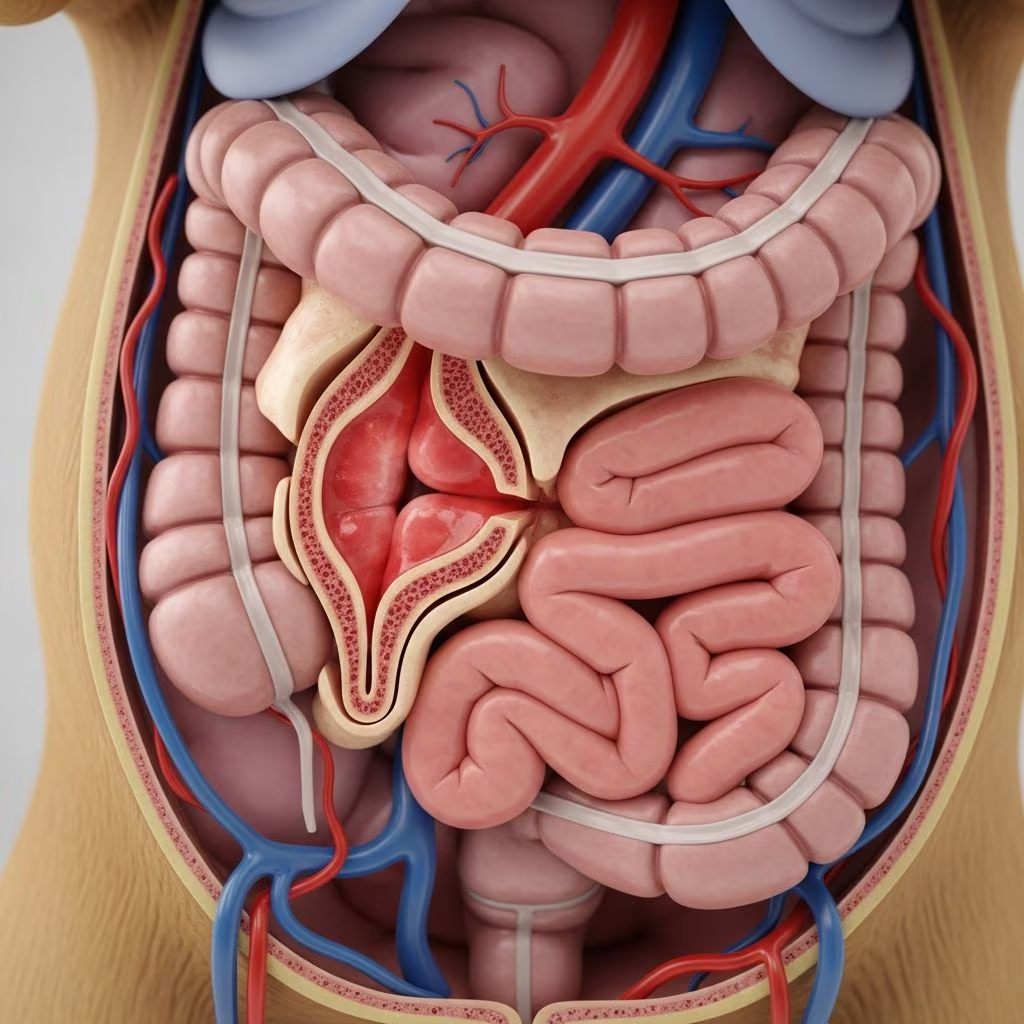
Understanding Intussusception in Dogs
Intussusception is a serious gastrointestinal condition that occurs when one portion of the intestinal tract telescopes into an adjoining segment, similar to the way a collapsible telescope closes in on itself. This telescoping effect can lead to narrowing or complete obstruction of the intestinal lumen, creating an acute emergency that demands immediate veterinary attention. While uncommon, intussusception can be life-threatening if left untreated and often results in rapid clinical deterioration. The condition most commonly affects the small intestines in dogs, though it can occur anywhere along the gastrointestinal tract, including the stomach, small intestine, or colon.
The severity of intussusception varies depending on the location and degree of blockage. Some dogs experience waxing and waning signs if the affected intestinal segment periodically relieves itself by moving back and forth from a telescoped position to a normal position. In other cases, the obstruction may be complete and life-threatening within hours. Understanding this condition is crucial for pet owners, as early recognition and intervention can mean the difference between a successful recovery and a fatal outcome.
Causes of Intussusception in Dogs
Intussusception can develop due to various underlying factors. In many cases, the exact cause remains idiopathic, meaning the origin is unknown. However, several identifiable triggers can lead to the development of this condition:
Primary causes include:
- Idiopathic origin (unknown cause)
- Secondary to enteritis, which encompasses inflammation or infection of the intestinal tract
- Intestinal parasites such as roundworms, hookworms, and whipworms
- Previous abdominal or intestinal surgery
- Intestinal masses or tumors
- Ingestion of foreign bodies, particularly linear foreign bodies like string or yarn
- Viral infections, notably parvovirus, which causes viral enteritis
- Bacterial infections such as Salmonella or Clostridia
- Dietary indiscretion or gastrointestinal upset
Understanding these causative factors helps veterinarians identify and address the underlying condition following surgical correction. For instance, if parasites are the culprit, appropriate deworming protocols must be implemented. If parvovirus is responsible, supportive care and prevention through vaccination become paramount. Any disease that alters normal gastrointestinal motility can potentially trigger an intussusception, making thorough diagnostic investigation essential.
Who Is at Risk?
While intussusception can occur in dogs of any age or breed, certain populations are at higher risk. Young animals less than one year of age experience intussusception more frequently than older dogs. Additionally, specific breeds demonstrate increased predisposition to this condition, with German Shepherds being particularly susceptible. Dogs living in environments where they have access to foreign bodies, consume contaminated food, or lack proper parasite prevention are also at elevated risk.
Clinical Signs and Symptoms
The clinical presentation of intussusception varies markedly depending on the location and severity of the obstruction. Some dogs exhibit acute, severe symptoms, while others show more gradual progression. Pet owners should watch for the following warning signs:
Common symptoms include:
- Vomiting, with or without blood
- Loss of appetite (anorexia)
- Depression or lethargy
- Diarrhea, often described as bloody or resembling currant jelly
- Progressive weight loss
- Abdominal pain, manifested as crying, whimpering, or reluctance to lie down
- Assuming a hunched or praying position
- Signs of dehydration with tacky saliva and dry mouth
- Straining to defecate
- Difficulty breathing in severe cases
- Signs of shock or collapse
High intussusceptions located near the gastroesophageal region, where the stomach and esophagus meet, typically produce more severe symptoms than those in lower portions of the intestinal tract. These high obstructions may cause difficulty breathing, regurgitation, and bloody vomit. Conversely, intussusceptions low in the intestinal tract may produce more subtle symptoms including occasional vomiting, bloody diarrhea, and progressive weight loss over weeks. In some cases, the intussusception may actually protrude through the anus. Complete intestinal obstruction can lead to shock, collapse, and sudden death within several hours if not treated immediately.
Diagnostic Procedures
Accurate diagnosis is critical for timely treatment. Your veterinarian will begin with a thorough physical examination, including abdominal palpation to identify any abnormal masses or areas of pain. The diagnostic process typically includes several complementary imaging and laboratory techniques:
Diagnostic tools employed:
- Physical examination and abdominal palpation
- X-rays (radiographs) to identify potential obstructions or abnormal gas patterns
- Abdominal ultrasound, considered an excellent diagnostic tool for confirming intussusception
- Blood work to evaluate overall health, electrolyte status, and kidney function
- Biochemical profile to identify electrolyte abnormalities affecting sodium, potassium, and chloride
- Urinalysis to assess kidney function and dehydration status
- Fecal testing to identify intestinal parasites that may have triggered the condition
Abdominal ultrasound is particularly valuable as it can directly visualize the telescoped bowel. Blood work not only helps assess the patient’s overall condition but also guides stabilization strategies before surgery. The veterinarian will tailor the diagnostic plan to allow for expedient diagnosis and treatment, recognizing that time is critical in emergency cases.
Treatment Approach
Intussusception is considered a surgical emergency that demands immediate, aggressive treatment. Clinical deterioration can occur rapidly and may be fatal if treatment is delayed. The treatment strategy involves two critical phases: stabilization and surgical intervention.
Medical Stabilization
Before surgical correction can be attempted, the affected dog must be medically stabilized. This phase is absolutely critical for patient survival and successful surgical outcomes:
- Rapid intravenous fluid therapy to correct dehydration and shock
- Electrolyte rebalancing, including correction of sodium, potassium, and chloride abnormalities
- Acid-base normalization to restore proper pH balance
- Administration of sodium solutions if hyponatremia is present
- Antibiotic therapy to prevent infection, particularly following surgery
- Pain management and supportive care
- Continuous monitoring of vital signs and response to treatment
Aggressive intravenous fluid and electrolyte therapy is imperative in severely ill animals and forms the foundation of pre-operative care.
Surgical Correction
Once the patient has been adequately stabilized, surgical correction is instituted as soon as possible. The surgical approach depends on the condition of the affected intestine. The surgeon may employ one of two primary techniques:
- Manual reduction of the telescoped bowel to restore normal intestinal alignment
- Resection and removal of the affected intestinal segment if the tissue is no longer viable
- Plication, a technique where the bowel is folded and tacked upon itself to prevent recurrence of telescoping
The decision regarding which surgical approach to use depends on several factors, including the duration of obstruction, the viability of the affected tissue, and the degree of intestinal compromise. If the bowel has been trapped for an extended period, the tissue may become ischemic (oxygen-deprived) and die, necessitating surgical removal. If the tissue remains viable, the surgeon may reduce the intussusception and perform plication to prevent recurrence.
Post-Operative Care and Recovery
Recovery following intussusception surgery requires diligent attention to post-operative instructions. Your veterinarian will provide specific care guidelines tailored to your dog’s individual situation. General post-operative recommendations typically include:
- Limiting daily activity until complete recovery has occurred
- Administering prescribed antibiotics as directed to prevent infection
- Following a specific post-operative diet as recommended by your veterinarian
- Ensuring proper wound care and monitoring for signs of infection
- Attending all scheduled follow-up examinations
- Addressing the underlying cause of intussusception through deworming, nutritional management, supplements, or other targeted treatments
The prognosis varies depending on the individual case, the duration of obstruction, and whether intestinal resection was necessary. Early surgical intervention generally yields better outcomes, as tissues that have not been compromised by prolonged ischemia recover more readily.
Prevention Strategies
While not all cases of intussusception can be prevented, several measures can significantly reduce your dog’s risk:
- Keep all linear foreign bodies, including string, yarn, and dental floss, securely away from pets
- Prevent dietary indiscretion by securing trash cans with lids and avoiding counter surfing opportunities
- Vaccinate your dog against parvovirus, which causes viral enteritis that can lead to intussusception
- Maintain a regular parasite prevention program through your veterinarian
- Ensure your dog receives appropriate veterinary care and monitoring
- Provide a stable diet and avoid sudden dietary changes that can upset the gastrointestinal system
When to Seek Emergency Care
Given the life-threatening nature of intussusception, it is crucial to seek immediate veterinary attention if your dog exhibits any of the warning signs. Do not wait or attempt home treatment. Contact your veterinarian or emergency veterinary clinic immediately if you observe persistent vomiting, bloody diarrhea, abdominal pain, loss of appetite, or signs of shock. Time is literally a life-or-death factor in intussusception cases.
Frequently Asked Questions
Q: What is the survival rate for dogs with intussusception?
A: Survival rates are generally good when intussusception is treated promptly with surgery, often exceeding 85-90% in cases where treatment is not delayed. However, delayed diagnosis and treatment significantly reduce survival odds.
Q: Can intussusception recur after surgery?
A: Yes, recurrence is possible, though surgical plication techniques help prevent it. Addressing the underlying cause, such as parasites or dietary issues, is essential to reduce recurrence risk.
Q: How long is the recovery period after surgery?
A: Most dogs require 10-14 days of restricted activity, with full recovery typically occurring within 4-6 weeks, depending on the extent of surgery and individual healing ability.
Q: Can puppies get intussusception?
A: Yes, intussusception is more common in young animals less than one year of age, making puppies particularly susceptible to this condition.
Q: Is intussusception painful for dogs?
A: Yes, intussusception is very painful. Dogs often exhibit signs of severe abdominal pain, including reluctance to move, crying, or assuming unusual body positions.
Q: What causes intussusception in dogs without parasites?
A: Many cases are idiopathic (no known cause), while others may result from intestinal inflammation, previous surgery, foreign body ingestion, or intestinal masses.
References
- Intussusception in Dogs — PetPlace.com. Accessed 2025-11-28. https://www.petplace.com/article/dogs/pet-health/intussusception-in-dogs
- Intestinal Intussusception — BluePearl Pet Hospital. Accessed 2025-11-28. https://bluepearlvet.com/medical-articles-for-pet-owners/intestinal-intussusception/
- Intussusception — Pet Health Network. Accessed 2025-11-28. https://www.pethealthnetwork.com/dog-health/dog-diseases-conditions-a-z/intussusception
- Folding of the Intestines in Dogs — PetMD. Accessed 2025-11-28. https://www.petmd.com/dog/conditions/digestive/c_dg_intussusception
- Intussusception — American College of Veterinary Surgeons. Accessed 2025-11-28. https://www.acvs.org/small-animal/intussusception/



