

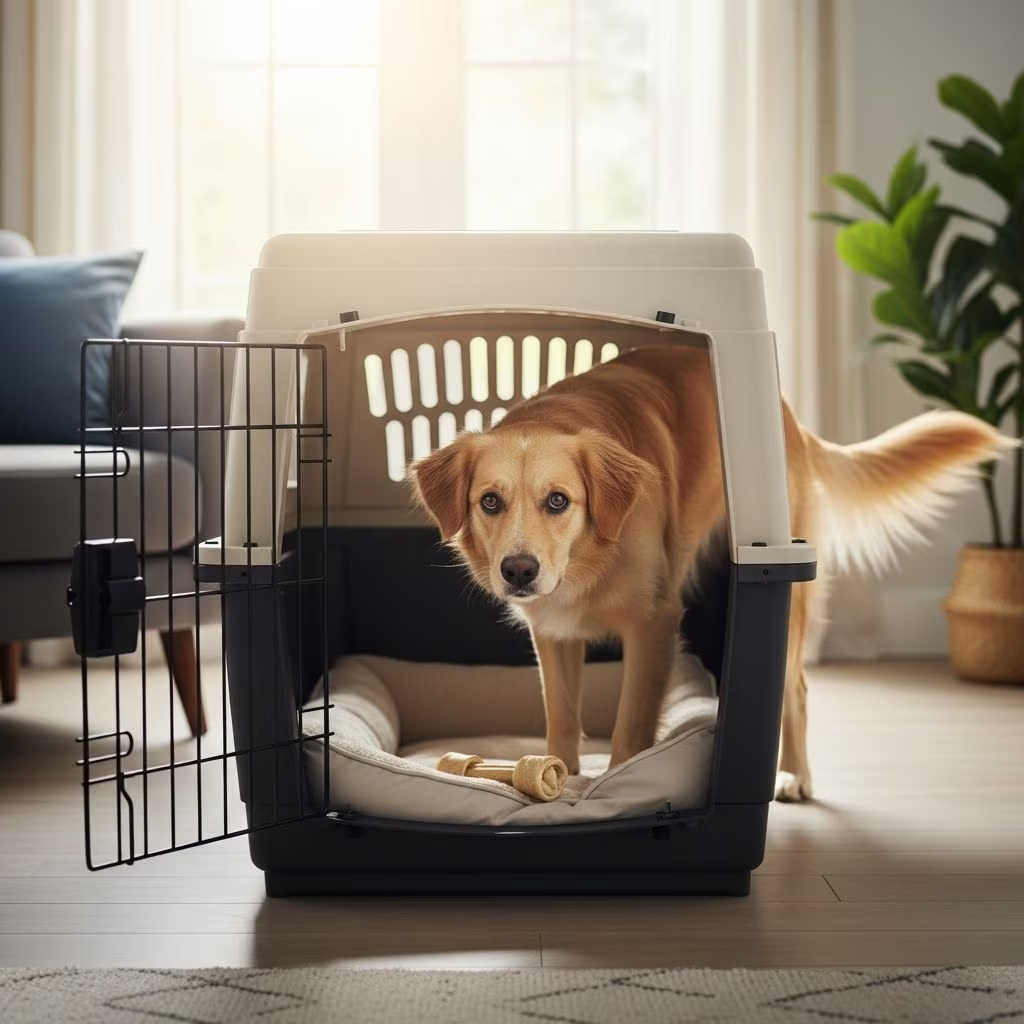
Crate training provides dogs with a secure, den-like space that mimics their natural instincts for a safe resting area. When introduced properly, a crate becomes a comforting retreat rather than a place of punishment, helping prevent destructive behaviors and aiding house training.
Why Crate Train Your Dog?
Dogs are denning animals by nature, seeking enclosed spaces for safety and rest. A crate offers this secure environment, promoting calm behavior and reducing anxiety during alone time. Key benefits include:
- House training acceleration: Dogs instinctively avoid soiling their sleeping area, making crates effective for potty training puppies.
- Preventing destructive habits: Confining unsupervised dogs stops chewing furniture or accidents when owners are away.
- Safe travel and vet visits: Crate-trained dogs remain composed in cars, planes, or clinics.
- Stress reduction: Provides a personal haven amid household chaos or during thunderstorms.
According to the RSPCA, crates should never serve as a ‘sin bin’ but as a positive safe haven with bedding and toys. The Humane Society emphasizes family-area placement to foster comfort.
Choosing the Right Crate
Select a crate sized so your dog can stand, turn around, and lie down comfortably without excess space that encourages soiling. For growing puppies, use dividers in larger wire crates.
| Crate Type | Best For | Pros | Cons |
|---|---|---|---|
| Wire | All sizes, puppies | Airflow, visibility, dividers available | May feel less secure for anxious dogs |
| Plastic | Travel, shy dogs | Enclosed, airline-approved | Less ventilation, harder to clean |
| Fabric | Portable use | Lightweight, collapsible | Not chew-proof, poor for puppies |
Richmond SPCA recommends placing crates in high-traffic family areas like living rooms for initial training.
Making the Crate Comfortable
Transform the crate into an inviting den to encourage voluntary entry. Essential steps include:
- Layer with soft, washable bedding or a familiar blanket from home.
- Add safe chew toys, like stuffed Kongs with peanut butter or puzzle feeders.
- Position away from direct sunlight, drafts, or high-traffic zones; cover partially with a breathable blanket for security.
- Attach a spill-proof water bowl or ice cubes for hydration during longer stays.
Animal Humane Society advises propping the door open initially, ensuring it’s a quiet retreat where no one disturbs the dog. Teach family members, especially children, to respect the crate as a no-interference zone.
Step-by-Step Introduction
Patience is key; rush nothing to avoid fear associations. Follow this proven progression used by RSPCA, Humane Society, and SPCA experts.
Step 1: Initial Introduction
Place the open crate in a family room. Let your dog explore freely. Encourage with a happy voice, tossing high-value treats nearby, then inside. If reluctant, use their favorite toy. Never force entry.
- Day 1-2: Treats at entrance, progressing to the back.
- Observe body language; back off if ears pin or tail tucks.
Step 2: Feed Meals in the Crate
Start with the food bowl just inside; move it rearward over sessions. Close the door during eating, opening immediately after. Gradually extend closure to 10 minutes post-meal.
This builds positive links: crate = food = good.
Step 3: Short Alone Time
With dog inside enjoying a toy, close door and sit nearby quietly for 5 minutes. Step out briefly, return calmly, then release. Repeat, extending absences to 30 minutes.
- Use cues like “crate” or “kennel” consistently.
- Praise lavishly upon exit, avoiding excited greetings.
Step 4: Longer Sessions and Overnight
Once comfortable for 30 minutes, crate during short errands or naps. For nights, start bedside; transition gradually. Puppies under 12 weeks need frequent potty breaks.
Richmond SPCA’s “Crate Game” uses timed treats: 2 seconds, then 10, building duration.
Training Puppies vs. Adult Dogs
Puppies (8+ weeks) adapt quickest; start with short, frequent sessions amid play. Adults may need slower pacing if rescue histories include confinement trauma. Both benefit from identical positive methods.
- Puppies: Crate after play/potty; limit to 1 hour per month age (e.g., 3 months = 3 hours max).
- Adults: Shorter sessions initially; monitor for separation anxiety signs.
Troubleshooting Common Problems
Issues arise from rushing or negativity; address patiently.
Whining or Barking
Wait for quiet before release; responding reinforces it. Provide a chew; cover crate. If persistent, shorten sessions.
Fear or Refusal to Enter
Revert to treats/toys; feed outside first, inching in. Cover for den-like feel.
Accidents in Crate
Size check; increase potty walks. Clean thoroughly with enzymatic cleaners.
SPCA Tampa Bay stresses: Never force, always positive reinforcement.
Crate Use Guidelines
Maximum times (excluding sleep):
- 9-10 weeks: 30-45 min
- 11-14 weeks: 1-3 hours
- 15-16 weeks: 3-4 hours
- 17+ weeks: 4-6 hours
Always exercise, potty, and feed before crating. Vary routines to prevent alerting.
Frequently Asked Questions (FAQs)
Can I crate train an older dog?
Yes, adults train well with patience; go slower if anxious.
How long for full crate training?
Weeks to months; daily short sessions speed progress.
Is crating cruel?
No, when positive and not excessive; it’s a welfare tool per RSPCA.
What if my dog hates the crate?
Build positivity gradually; consult a trainer for fears.
Can puppies sleep crated overnight?
Yes, from 8 weeks with potty breaks; bedside initially.
Conclusion
Proper crate introduction fosters lifelong security and better behavior. Consistency and positivity yield a dog who enters eagerly. For tailored advice, consult vets or certified trainers.
References
- How to Crate Train a Puppy — RSPCA. 2023. https://www.rspca.org.uk/adviceandwelfare/pets/dogs/environment/crates
- Crate Training 101 — Humane World for Animals. 2024. https://www.humaneworld.org/en/resources/crate-training-101
- A Foolproof Guide to Successful Crate Training — CCSPCA. 2023. https://ccspca.com/blog-spca/education/crate-training/
- Crate Training Your Dog — Richmond SPCA. 2024-09. https://richmondspca.org/wp-content/uploads/2024/09/Crate-Training-Your-Dog-2024.pdf
- Crate Training for Your Dog — SPCA Tampa Bay. 2024. https://spcatampabay.org/dog-crate-training/
- Crate Training Your Dog or Puppy — Animal Humane Society. 2024. https://www.animalhumanesociety.org/resource/crate-training-your-dog-or-puppy



