

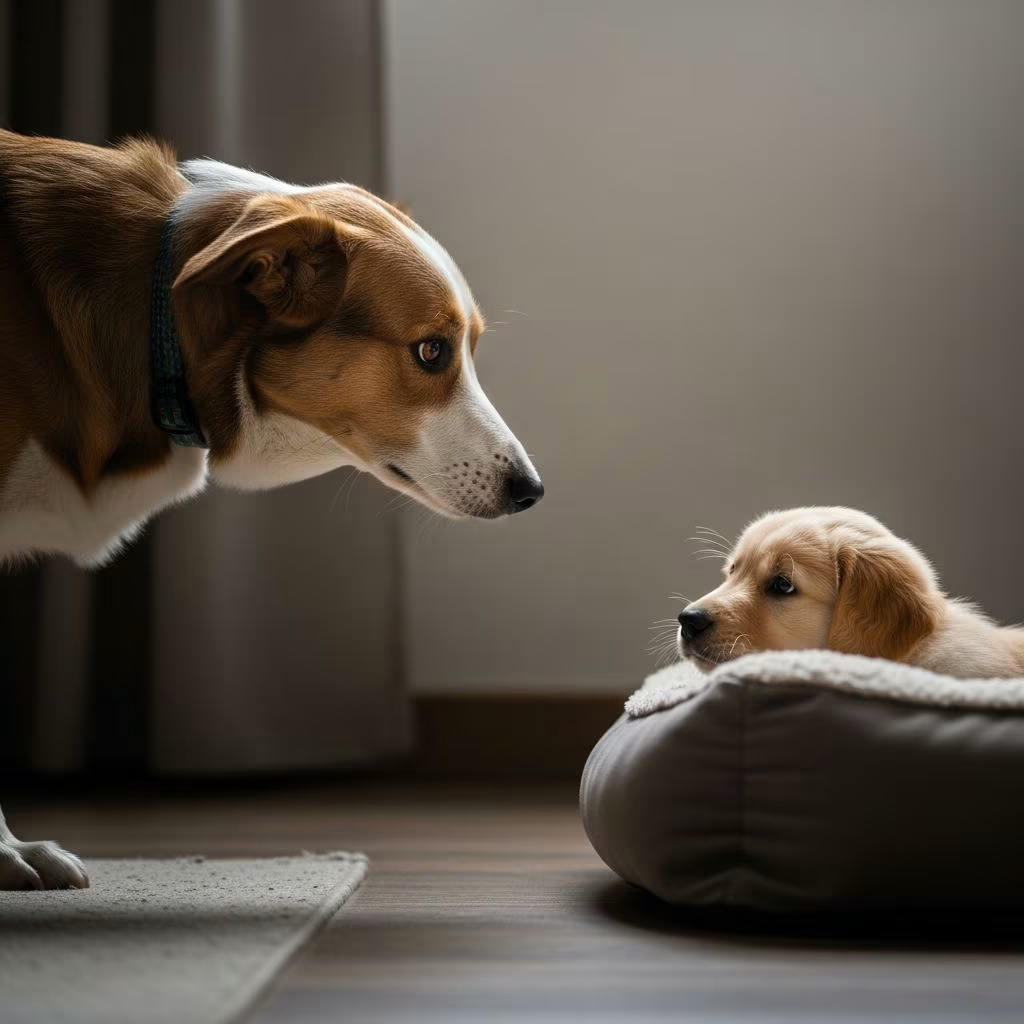
Introducing a New Dog to a Jealous Dog: A Complete Guide
Bringing a new dog into a home where your current dog has been the sole focus of attention can be challenging. Jealousy is a natural emotional response for dogs, particularly when they perceive a threat to their established relationship with their owner or their position within the household hierarchy. However, with careful planning, patience, and the right approach, you can successfully introduce a new dog to your jealous dog and create a harmonious multi-dog household.
Understanding Canine Jealousy
Before implementing introduction strategies, it’s essential to understand what drives jealousy in dogs. Dogs that have been the sole recipient of their owner’s attention, affection, and resources may experience significant stress when asked to share their home and family.
Common Signs of Jealousy in Dogs
Recognizing jealous behavior early allows you to address it before it escalates into more serious issues. Watch for these indicators:
- Aggression or possessiveness over toys, food, or favorite resting spots
- Snapping, growling, or snarling when the new dog approaches
- Inappropriate urination or defecation (territorial marking)
- Excessive attention-seeking behaviors or constant shadowing of family members
- Increased barking, whining, or vocalization when attention is directed elsewhere
- Destructive behavior or anxiety-related actions
- Avoidance or hiding when the new dog is present
Why Dogs Experience Jealousy
Several factors contribute to jealousy in dogs. If your dog has enjoyed exclusive access to all attention, affection, and treats, sharing suddenly becomes a significant adjustment. Additionally, certain breeds that were historically bred as solitary working dogs—such as Akitas, Bullmastiffs, and Chow Chows—may naturally struggle more with accepting a new packmate than breeds with inherently social temperaments.
Preparing Your Home for Introduction
Success begins long before the new dog arrives. Thoughtful preparation of your environment and household routine sets the foundation for a smoother transition.
Create a Safe Space
Establish a designated area where your current dog can retreat when feeling overwhelmed. This quiet, secure space should include their bed, favorite toys (that don’t trigger possession issues), and access to water. Having a refuge helps reduce anxiety and gives your dog control over their environment.
Remove Potential Triggers
Identify and temporarily remove items that may intensify jealousy or possessive behavior. High-value toys, favorite chew toys, and feeding areas should be managed carefully during the initial introduction period. Store these items safely until your dogs have developed a more comfortable relationship.
Manage Your Own Energy and Mindset
Dogs are incredibly perceptive and pick up on their owner’s emotional state. If you approach the introduction feeling anxious or uncertain, your dog will sense this tension. Cultivate a calm, positive, and confident demeanor. Your emotional stability directly influences how your dog responds to the new addition.
The Introduction Process: Step-by-Step
Step 1: Choose Neutral Territory for the First Meeting
The initial meeting between dogs should occur in a location that neither dog considers their territory. This prevents your resident dog from entering “resource guarding” mode and feeling the need to defend their space. Ideal neutral locations include:
- A nearby park or open field
- A quiet walking trail
- A friend’s yard
- A neutral dog park during quiet hours
Walking both dogs together is particularly effective because the activity releases endorphins, creating a positive, happy mental state for both animals. The combination of movement, fresh air, and shared experience helps dogs bond naturally without the pressure of meeting in a confined space.
Step 2: Use Leashes and Allow Gradual Scent Exchange
Keep both dogs on comfortable leashes during the initial meeting. This allows them to gradually become accustomed to each other’s scents without the pressure of physical interaction. Scent is crucial in canine communication—through sniffing, your dog can determine the other dog’s sex, health status, and temperament. Allow them to approach each other at their own pace, sniffing naturally without forcing interaction.
Step 3: Observe Interactions Closely
Dogs often establish comfort with each other relatively quickly, typically within the first hour of meeting. Watch carefully for both positive and negative signs. Positive indicators include relaxed body language, playful behavior, and mutual sniffing. If your dog displays aggression, stiffness, or prolonged stalking behavior, remain calm and gently separate them using a reassuring voice and calm tone to reduce tension.
Step 4: Keep Initial Interactions Short and Positive
Don’t overextend the first meeting. Short, positive interactions are more likely to succeed than lengthy sessions that exhaust or frustrate the dogs. End the meeting on a positive note, while both dogs are still engaged and calm. Gradually increase the duration of interactions as they demonstrate comfort with each other.
Building Positive Associations
Supervised Play Sessions
Once initial meetings go well, arrange supervised play sessions in a controlled environment. Allow the dogs to sniff, investigate, and engage in playful behaviors while you closely monitor their interactions. Use positive reinforcement consistently—praise calm behavior and reward with treats when both dogs are relaxed around each other. By pairing the new dog’s presence with enjoyable activities and rewards, your resident dog learns to view the newcomer positively rather than as a threat.
Walking Together Regularly
Joint walks are one of the most effective bonding activities for dogs. Once leash walking together proceeds safely, gradually progress to off-leash play in your backyard under supervision. Walking creates shared positive experiences and helps establish a cooperative relationship based on teamwork rather than competition.
Managed Feeding Arrangements
Feed your dogs in separate areas initially to prevent food-related tension. Once they demonstrate trust and calm behavior around each other, you can gradually bring feeding stations closer together. However, always ensure each dog has their own bowl and space to eat without feeling threatened.
Managing Jealousy and Preventing Problem Behaviors
Maintain Equal Treatment and Avoid Favoritism
One of the most critical aspects of managing jealousy is treating both dogs fairly and consistently. Avoid inadvertently reinforcing jealous behavior by giving preferential attention, treats, or affection to either dog. Humans should maintain a calm, assertive demeanor while providing clear leadership and enforcing rules consistently across all dogs.
Provide Individual Attention and Reassurance
Jealousy often stems from insecurity and fear of abandonment. Continue providing one-on-one time with your original dog even while integrating the new dog. Maintain regular playtime, training sessions, and affection to reassure them of their continued importance in your life. This individual attention helps reaffirm your bond and reduces anxiety about the newcomer.
Exercise and Mental Stimulation
Regular physical exercise and mental stimulation are essential for reducing tension and promoting relaxation in multi-dog households. Engage both dogs in activities that stimulate their senses and encourage natural behaviors, such as:
- Scent games and tracking exercises
- Puzzle toys and interactive feeders
- Fetch and retrieve games
- Training sessions and obedience work
- Swimming or water play
- Nose work and hide-and-seek games
A tired dog is a well-behaved dog. Adequate exercise channels energy productively and reduces stress-related behaviors.
Training and Behavior Management
Basic obedience training helps your dog feel more secure in their environment and reduces possessive behaviors. Teach your dog to:
- Sit and stay on command, creating space when needed
- Leave it, preventing resource guarding over toys or food
- Drop it, releasing items when asked
- Go to place, retreating to their safe space when overwhelmed
Use distraction techniques to redirect jealous behavior toward positive alternatives. When your dog shows signs of jealousy, redirect their attention to a toy, trick, or activity they enjoy. If your dog becomes too agitated or aggressive, implement brief time-outs to allow them to calm down before rejoining the group.
Teaching Your Dog to Share
Jealousy in dogs is often directly connected to possessions—toys, treats, space, and attention. Help your dog adapt to sharing by:
- Practicing sharing games with high-value items during one-on-one sessions before the new dog arrives
- Gradually introducing the new dog to these sharing activities
- Teaching “drop it” and “leave it” commands
- Rotating toys to prevent constant possession battles
- Arranging supervised playdates with other dogs to normalize pack dynamics
The more time your dog spends in social settings as part of a pack, the easier the adjustment to sharing their home with a new family member.
Timeline and Expectations
Introducing dogs is not a quick process. Allow adequate time for adjustment—it may take several weeks or even months for your dogs to fully develop a comfortable, stable dynamic. Dogs generally establish initial compatibility within the first hour of meeting, but true bonding and peaceful coexistence develop over time. Consistency, patience, and positive reinforcement during this period are crucial.
When to Seek Professional Help
If your dog exhibits severe aggression, destructive behavior, or shows no signs of accepting the new dog after extended exposure, professional intervention becomes necessary. A certified dog trainer or professional behaviorist can:
- Assess the underlying causes of aggressive behavior
- Develop a customized training plan tailored to your situation
- Teach specialized de-escalation and management techniques
- Help you understand your dog’s specific triggers and behavioral patterns
- Provide ongoing support and adjustments as the dogs progress
Professional help is an investment in your dogs’ wellbeing and your household’s safety.
Frequently Asked Questions
Q: How long does it take for a jealous dog to accept a new dog?
A: Initial compatibility is often established within the first hour of meeting, but full adjustment typically takes several weeks to months. Each dog is unique, and the timeline depends on their temperament, breed tendencies, age, and socialization history.
Q: Should I introduce dogs in my home or outside?
A: Initial introductions should occur in neutral territory such as a park or quiet outdoor location. This prevents your resident dog from entering resource-guarding mode. Once they’re comfortable together, you can gradually introduce them to your home.
Q: Is it safe to leave my jealous dog alone with the new dog?
A: No. Never leave them unsupervised until you’re completely certain they’re comfortable with each other. Even then, monitor interactions regularly to ensure the relationship remains stable.
Q: Can training help reduce my dog’s jealousy?
A: Yes. Basic obedience training significantly helps by making your dog feel more secure in their environment and reducing possessive behaviors. Training provides structure and builds confidence.
Q: What if my dog becomes aggressive during introduction?
A: Remain calm and use a gentle, reassuring tone to reduce tension. Separate the dogs calmly and try again later in a different environment. If aggression persists, consult a professional behaviorist.
Q: How can I prevent resource guarding during introduction?
A: Remove high-value toys, treats, and food before introducing the dogs. Feed them separately and manage access to resources. Introduce sharing gradually once they’re comfortable together.
References
- How to Introduce a Jealous Dog to Your Family or Other Pets: A Step-by-Step Guide — Alaska’s K9 Academy. Accessed January 2026. https://www.alansk9academy.com/blogs/how-to-introduce-a-jealous-dog-to-your-family-or-other-pets-a-step-by-step-guide
- Introducing a New Dog to a Jealous Dog — Spark Paws. Accessed January 2026. https://www.sparkpaws.com/blogs/community/introducing-a-new-dog-to-a-jealous-dog
- How to Introduce a New Puppy to Your Jealous Dog — Dr. Lindsay Butzer, Family Veterinarian. Accessed January 2026. https://www.youtube.com/watch?v=dXD7-4PfVWU
- Introducing a New Dog to Your Current Dog — Indoor Pet Initiative, Ohio State University. Accessed January 2026. https://indoorpet.osu.edu/dogs/new_additions_dogs/introducing-new-dog-your-current-dog



