

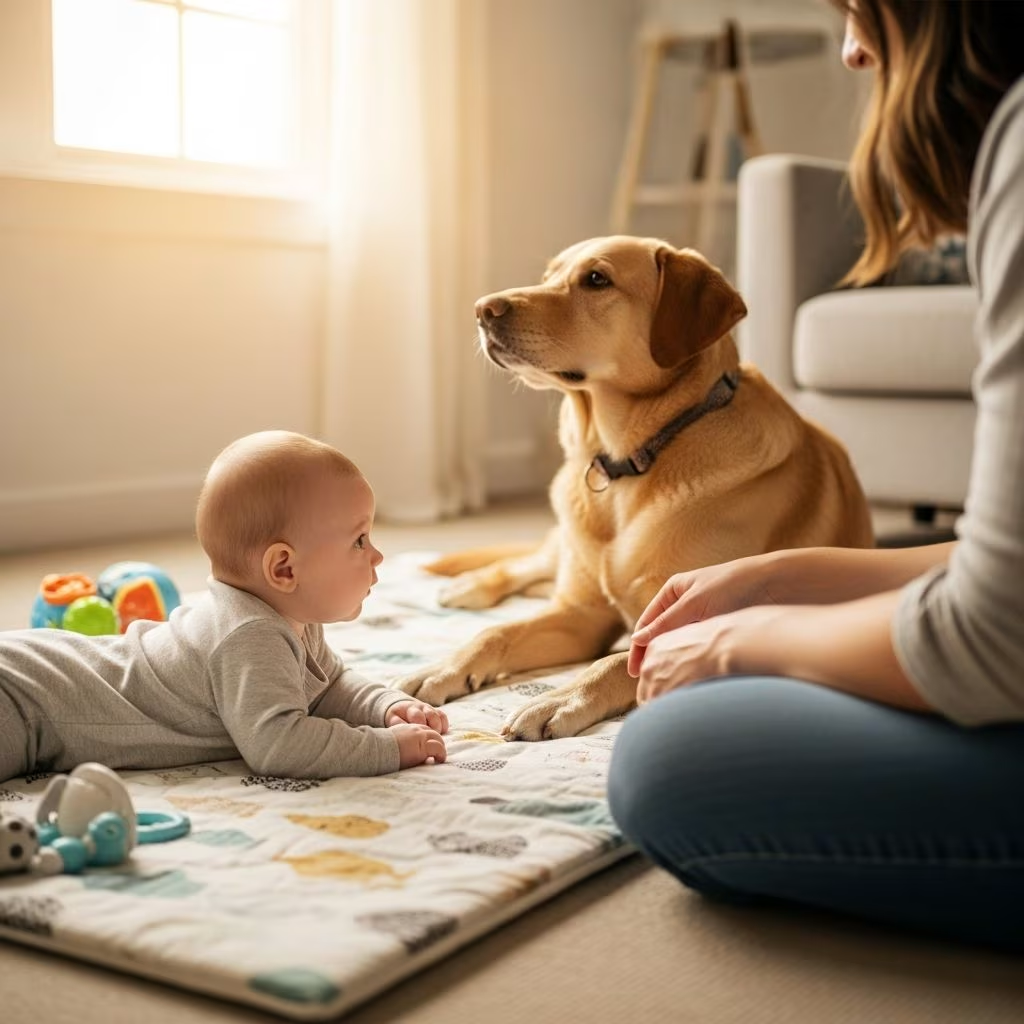
Introducing Infants to Dogs: A Complete Safety Guide
One of the most common questions asked by expectant parents and grandparents to veterinary healthcare providers is how to introduce the family dog to a new infant, particularly if the dog has not been exposed to children before. The vast majority of dogs readily accept infants after an initial period of adjustment and curiosity. However, there are rare but highly publicized incidents involving serious injury of an infant by the family dog, making careful preparation and planning essential for ensuring the safety and wellbeing of both your new baby and your cherished pet.
Understanding Your Dog’s History with Children
Before bringing a new infant into your home, it’s critical to assess your dog’s previous exposure to and experiences with children. The most serious concern is with a pet that has previously reacted aggressively or fearfully when exposed to children. If your dog has shown signs of aggression, fear, or anxiety around children in the past, you should consult with a veterinary behaviorist to determine which specific situations have previously led to aggressive behavior and to identify the safest way to proceed, if at all.
If your pet’s previous problems occurred with a specific child, a particular age group, or under specific circumstances, it may be possible to design a specialized program that emphasizes safety and works to adapt the pet gradually to stimuli and situations similar to those that previously triggered aggressive responses. In some cases, a desensitization and counter-conditioning program may improve or even resolve the pet’s anxiety prior to the arrival of the child, providing a more positive foundation for future interactions.
The next most serious concern involves pets that have had little or no exposure to young children or babies. Without any prior experience, it is difficult to predict how a dog may react to an infant. A lack of early socialization to children may lead to initial anxiety or fear associated with the sights, sounds, and odors of the new child. In these cases, gradual preparation and controlled exposure become even more important.
Essential Pre-Arrival Training and Preparation
Preparing your dog for the arrival of an infant requires systematic planning and training. Here are the key steps you should take before bringing your baby home:
1. Master Basic Obedience Commands
Make sure that your dog will obey basic sit, down, and stay commands in a distracting environment. These fundamental commands are essential for maintaining control during the initial introductions and ongoing interactions with your infant. Your dog should be able to remain calm and composed even when there are competing stimuli and exciting activities happening around them, such as the baby crying, moving, or creating unexpected sounds.
2. Simulate Baby-Related Activities
Begin practicing activities that will occur once the baby is present in your home. After your dog has proven that it can remain seated while you engage in other activities, gradually introduce simulated baby scenarios. These may include carrying around a doll wrapped in the blankets that your baby will use, rocking the doll in your arms, allowing your dog to look at the doll while remaining in a sit/stay position, and pretending to diaper the doll. These simulations help your dog become familiar with the motions, sounds, and situations associated with infant care.
3. Introduce the Scent of the New Baby
Before bringing your infant home, introduce your dog to the scent of the new baby. You can accomplish this by bringing home blankets or clothing that carries the baby’s scent from the hospital. Allow your dog to investigate these items and develop positive associations with the new odors. This pre-introduction helps reduce the novelty and potential stress when the actual infant arrives.
4. Prepare the Nursery in Advance
Set up the nursery before the baby’s arrival. Decide whether your pet will be allowed to enter the room when supervised, or if access should be denied entirely. If you plan to keep the pet out of the room, establish these boundaries before the child arrives. If your intention is to allow your pet to continue entering the room when supervised, begin accompanying your dog into the nursery so it can adapt to the new odors and new setup. Allow your dog to investigate the baby’s room, blankets, and new furniture while praising it or providing small food treats to develop positive associations with these new environmental cues.
5. Practice with Baby Gates and Barriers
Once your dog can investigate the nursery calmly, try placing a baby gate on the doorway while you are also in the room but occupied doing other things such as watching television or reading. Provide your dog with a stuffed chew toy to make the time more enjoyable and to keep it occupied. Once your dog can stay with you in the room for an extended period, try sitting just on the other side of the gate to further acclimate them to this separation strategy.
6. Address Existing Behavioral Problems
Any existing behavior problems should be resolved before the arrival of your baby. If your dog exhibits resource guarding over toys or food, excessive jumping, uncontrolled barking, or other unwanted behaviors, these issues should be addressed through proper training before introducing an infant into the home. These behavioral modifications will make the transition much smoother and safer for everyone involved.
Simulating Baby Experiences
As the time of arrival approaches, some pets might become anxious or fearful toward the new and different stimuli associated with the sights, sounds, or odors of a new child. New activities associated with childcare can be practiced in front of your pet so that it becomes familiar with them before the actual baby arrives.
Consider using tape recordings or videos of babies crying to acclimate your dog to this particular sound. You can practice holding a doll wrapped in a blanket, taking your dog for a walk beside a stroller or baby carriage, and going through the motions of changing a diaper and applying baby powder. These simulations will prepare your dog for some of the experiences to which it will soon be exposed.
Once your pet shows no fear or anxiety in some or all of these situations, you may want to enlist the help of friends or relatives with young children. During these practice sessions, your dog can be taken for a walk while a child is rolled in a stroller or carriage. A baby can be carried around the home or nursed in the presence of your dog, and children should be encouraged to play at the opposite end of a room or yard from where your dog is situated.
Throughout these practice visits, the dog must be well controlled, preferably with a leash and head halter, and given food rewards and/or play to keep the association positive. A wire-meshed or plastic basket muzzle could also be applied to ensure additional safety, especially when being exposed to new situations. By the end of the visit it may be possible to allow your dog to interact with the child, but only if it remains friendly and shows no fear or anxiety.
First Introductions: Bringing Baby Home
Initial Meeting Protocol
When the mother returns from the hospital, the dog should be allowed to greet her without the baby present. This may require confining your dog to a separate room or crate until the mother can put the baby down for a few minutes. Only after your dog has greeted the mother and calmed down should the baby be presented to the dog.
Gradually bring the dog and baby closer together during the first meeting. The dog should be allowed to see the baby but must remain in a controlled sitting position. As long as the dog is quiet, it should be allowed to remain nearby until it is necessary to move the baby or the baby becomes restless and noisy. Such introductions should be repeated several times during the first day to help your dog acclimate to the presence of the new family member.
Managing the Dog’s Freedom
The first step toward allowing greater freedom is to allow your dog to wander while you are holding the baby. This lets your dog experience the baby’s presence without the pressure of direct interaction. However, the dog should not ever have access to the baby in any unsupervised situation. A baby gate should be put on the entrance to the baby’s room, or your dog should be confined to areas of the house where it does not have access to the baby in your absence.
Despite these necessary restrictions, your dog should be allowed as much freedom in the house and interaction with the adults as possible. The goal is to create positive associations with the baby’s presence while maintaining strict safety protocols.
Building Positive Associations
One critical principle in successfully integrating a dog with a new infant is to reverse any negative associations the dog might develop. Every effort should be made to allow your pet into the room for food, play, or affection when the baby is present. This means feeding your pet when the baby is being fed, or having another family member give affection to the pet, play with the pet, or do reward training such as practicing stay or mat commands when the child is in the room.
Take your dog outdoors for play or a walk when you are taking the child out. The underlying goal is to teach your pet that positive or “good things” are most likely to happen in the presence of the child. By consistently rewarding your dog for calm behavior around the baby, you create positive neural pathways and associations that strengthen the bond between pet and child.
Timeline for Adjustment and Bonding
No one knows exactly when a dog understands that an infant is a person, but most dogs adjust to the infant within a few days, while others may take several weeks. After your dog becomes accustomed to the child’s sounds and movements (when it begins to pay little attention to these activities and is not excited or nervous when they occur), you can begin to relax your vigilance in the presence of the baby.
There is simply no safe way to rush this adjustment process. Initial contacts must be supervised and made enjoyable or rewarding for your dog so it does not associate negative events with the baby. With close supervision and patience, most pets bond with the infant in a special way that benefits them both.
Understanding Risk Factors and Prevention
The risk of a dog injuring an infant depends largely on the dog’s history of aggression, especially predatory or hunting behavior. It is less likely that an unfortunate incident will occur if your dog is non-aggressive, relaxed, and relatively uninterested in the baby under supervised circumstances. If you have concerns, you may keep baby gates on the baby’s bedroom door or put up additional gates throughout the house to prevent access to the child.
Most incidents of dogs injuring babies occur within the first few hours or days of the infant’s presence in the home or when a dog unexpectedly comes upon a new baby or child in an unsupervised situation. It is believed that predatory or hunting behavior is the motivation for the majority of attacks on infants. Other times a dog will bite a child due to the child taking or playing with favored objects, interference with food or feeding, or if the child startles or inadvertently hurts the dog during play.
Essential Safety Considerations
To successfully integrate an infant and dog into one household, several critical safety measures must be in place. First and foremost, never leave your dog and baby alone together without proper supervision. Even the most gentle and well-trained dog can act unpredictably if startled or stressed.
Establish clear boundaries about which areas of the house are accessible to your dog and which are off-limits. Use baby gates and closed doors to create physical barriers that prevent unsupervised contact. Teach your dog that the baby’s room is a safe space where it can only go when you are present and controlling the situation.
Monitor your dog’s behavior carefully for signs of stress, anxiety, or aggression. If your dog shows any concerning behaviors such as stiff body posture, growling, snapping, or intense staring at the baby, separate them immediately and consult with a veterinary behaviorist. Early intervention can prevent serious incidents.
Frequently Asked Questions (FAQs)
Q: How long does it take for a dog to adjust to a new baby?
A: Most dogs adjust to an infant within a few days to several weeks. The timeline depends on the individual dog’s temperament, prior socialization experience, and the consistency of the introduction process. Every dog is unique, so patience is essential.
Q: Is it safe to leave my dog alone with my baby?
A: No. The dog should never have unsupervised access to the baby at any time. Always maintain close supervision and use baby gates or closed doors to prevent unsupervised contact, even with well-behaved dogs.
Q: What should I do if my dog shows signs of aggression toward the baby?
A: If your dog displays any signs of aggression, fear, or anxiety around the baby, separate them immediately and consult with a veterinary behaviorist. Do not attempt to force interactions or punish the dog, as this may worsen the situation.
Q: Can I use a muzzle when introducing my dog to the baby?
A: Yes, a wire-meshed or plastic basket muzzle can provide additional safety during initial introductions and practice sessions with new stimuli. However, a muzzle should never replace proper training and supervision.
Q: How can I help my dog develop positive associations with the baby?
A: Feed your dog when the baby is being fed, provide treats and affection when the baby is present, and engage in play and training sessions near the baby. This creates positive associations and teaches your dog that good things happen in the baby’s presence.
Q: What obedience commands should my dog know before the baby arrives?
A: Your dog should reliably obey sit, down, and stay commands, even in distracting environments. These basic commands are essential for maintaining control during introductions and daily interactions with your infant.
Q: Should I let my dog in the nursery before the baby arrives?
A: Yes, allowing supervised access to the prepared nursery helps your dog become familiar with the new space, odors, and furniture. This gradual introduction reduces stress and creates positive associations with the baby’s room.
Q: What signs indicate my dog is stressed by the baby?
A: Signs of stress may include excessive panting, yawning, lip licking, avoiding the baby’s room, reduced appetite, or changes in sleep patterns. If you notice these signs, consult with your veterinarian or a behaviorist.
References
- Children and Pets – Infants and Dogs — VCA Animal Hospitals. 2024. https://vcahospitals.com/know-your-pet/children-and-pets—infants-and-dogs
- Children and Pets — VCA Animal Hospitals. 2024. https://vcahospitals.com/know-your-pet/children-and-pets
- Teach Your Kids How to Safely Approach New Pets — VCA Animal Hospitals. 2024. https://vcahospitals.com/shop/home/articles/teach-your-kids-how-to-safely-approach-new-pets
- Canine Behavior and Training Overview — American Veterinary Society of Animal Behavior. 2024. https://avsab.org/



