

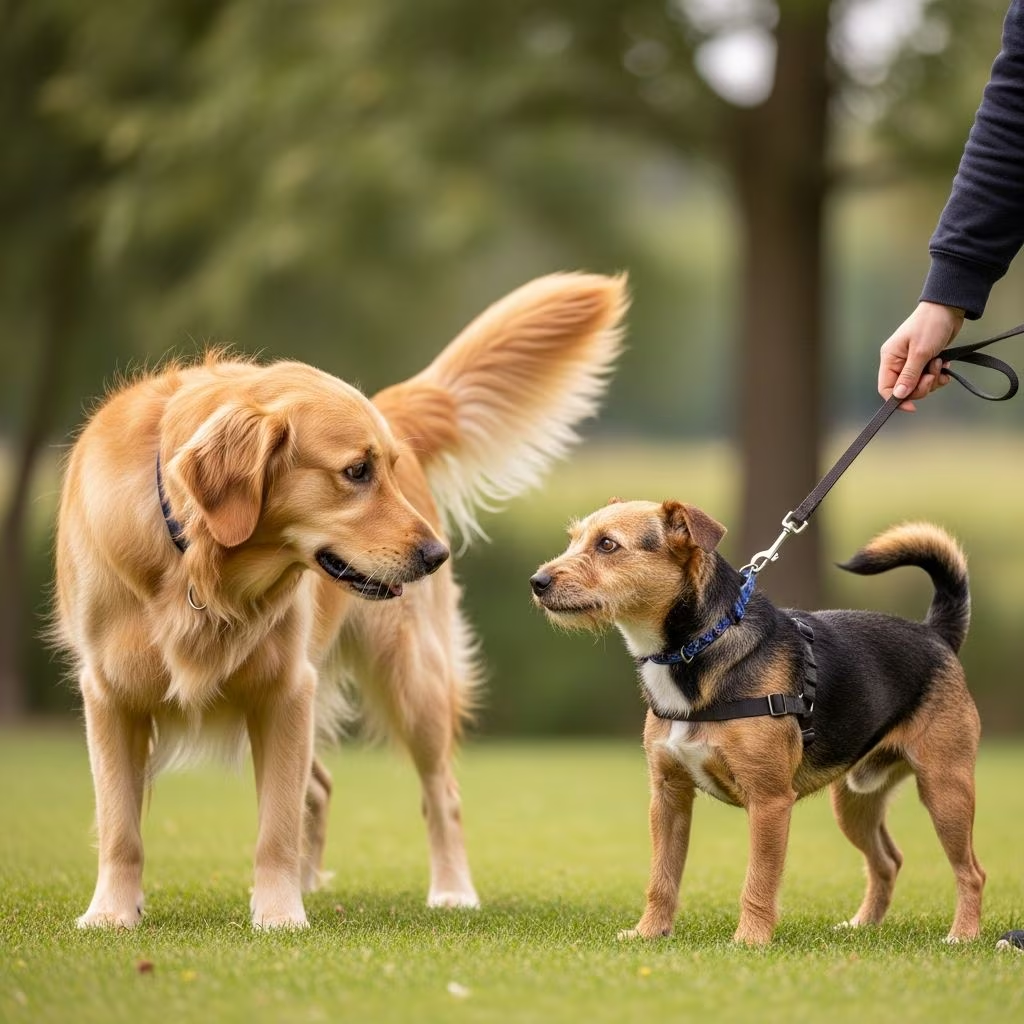
Bringing a new dog into a home with an existing dog can be thrilling but requires careful planning to ensure a positive outcome. Proper introductions prevent conflicts, reduce stress, and pave the way for a peaceful multi-dog household where both pets can thrive and potentially form strong bonds.
According to guidelines from animal welfare organizations, the key to success lies in gradual exposure, positive reinforcement, and keen observation of canine body language. This comprehensive guide outlines proven strategies drawn from expert recommendations, helping you navigate each stage confidently.
Why Proper Introductions Matter
Rushing dog introductions on familiar territory can trigger territorial behaviors, leading to fights, fear, or long-term animosity. A structured approach minimizes risks, especially since dogs communicate primarily through body language and scent. Statistics from shelters indicate that many returns of adopted dogs stem from failed inter-dog relationships, underscoring the importance of getting this right from the start.
Benefits include reduced anxiety, faster bonding, and safer interactions. For instance, resident dogs may view newcomers as intruders if introduced directly into their space, while new dogs feel overwhelmed in unfamiliar environments. By following a step-by-step process, you foster mutual respect and playfulness.
Preparation Before the Introduction
Before any face-to-face meeting, gather supplies and assess both dogs:
- Two handlers: One per dog for control and positive reinforcement.
- Leashes: 4-6 foot nylon or leather (avoid retractable for better control).
- High-value treats: Small pieces of hot dogs, cheese, or favorite foods.
- Neutral location: Park, quiet street, or open field unfamiliar to both dogs.
Exercise both dogs beforehand to reduce pent-up energy. If adopting from a shelter, bring your resident dog for a trial meet-and-greet. Evaluate histories: same-sex pairs (especially females) or dogs with aggression records may need professional help from certified trainers.
Step 1: Initial Meeting on Neutral Territory
The first introduction must occur outdoors in a neutral spot to avoid territorial disputes. Walk dogs parallel at a distance where they can see but not intensely stare at each other—about 20-50 feet apart, depending on reactions.
- Keep leashes loose and slack to prevent tension that signals threat.
- Observe body language: Relaxed ears, wagging tails, soft eyes indicate interest; stiff posture, raised hackles, growling signal caution.
- Reward calm glances with treats and praise like “Good dog!” in a cheerful tone.
Gradually decrease distance if positive. Allow sniffing (2-3 seconds max), then separate and reward. Walk side-by-side, then one behind the other, switching roles. If play bows or bouncy movements appear, supervised off-leash play may follow—but only if calm. Sessions should last 10-20 minutes initially; end on a high note.
Let dogs set the pace. Forcing proximity heightens stress, per SPCA behavioral experts.
Reading Dog Body Language
Understanding signals prevents escalation. Positive cues include:
- Play bows (front down, rear up).
- Loose, wiggly body with open mouth.
- Curved wag tail with relaxed posture.
Warning signs demand immediate interruption:
| Stress Signal | Description | Action |
|---|---|---|
| Raised hackles | Hair standing on back/shoulders | Increase distance, distract with treats |
| Stiff body/stare | Rigid legs, direct eye contact | Turn dog away, walk in opposite direction |
| Growling/lip curl | Teeth visible, low rumble | Separate calmly; consult professional |
| Tucked tail/cowering | Fearful avoidance | Slow process, build confidence slowly |
Interrupt wariness by redirecting attention to treats or toys. Never punish reactions, as this builds negative associations.
Step 2: Transitioning to the Home
After successful outdoor meetings (2-3 sessions), move indoors cautiously. The resident dog’s home is not neutral, so use barriers:
- Baby gate setup: Sturdy, tall gate divides rooms. Allow visual access while feeding treats for calm behavior.
- Observe through gate: Reward relaxed sniffing or ignoring.
- Short sessions (5-10 minutes), multiple times daily.
Introduce scents first: Swap bedding or toys between dogs before visual contact. Once calm through the gate, leash both for supervised meetings in a confined area. Keep sessions brief; separate for rest.
Building Long-Term Harmony
Integration spans days to weeks. Key tips:
- Separate resources: Individual beds, bowls, toys to prevent guarding.
- Exercise together: Parallel walks build positive associations.
- Monitor play: Intervene if one dogs hogs toys or bullies.
- Crating/quiet time: Each dog needs downtime to decompress.
Feed separately initially. Walk the resident dog first to reinforce hierarchy without conflict. Enroll in group obedience classes for socialization.
Special Considerations
- Same-sex pairs: Often more challenging; proceed extra slowly.
- Puppies: More forgiving but teach manners early.
- Resource guarders: Consult behaviorists; use counter-conditioning.
- Senior dogs: Shorter sessions, respect energy levels.
Troubleshooting Common Issues
If tensions arise:
- One dog obsessed: Increase distance, add parallel activities.
- Fearful dog: Use barriers longer, desensitize gradually.
- Snapping: Halt interactions; seek certified trainer immediately.
Signs of progress: Mutual grooming, relaxed sleeping nearby, voluntary play. Patience yields results—rushing fails 70% of cases per shelter data.
Frequently Asked Questions (FAQs)
Q: How long does it take for dogs to get along?
A: Varies from days to months. Monitor progress weekly; most bond within 2-4 weeks with consistent methods.
Q: What if my dogs fight during introduction?
A: Separate immediately, no punishment. Revert to visual-only through gates and consult a professional trainer.
Q: Can I introduce off-leash right away?
A: No—always leashed initially for safety and control, even in neutral areas.
Q: Is it better to introduce one-on-one with multiple dogs?
A: Yes, introduce new dog to resident dogs individually to avoid overwhelming group dynamics.
Q: What treats work best?
A: High-value like boiled chicken, cheese, or hot dog bits—small pieces to avoid overfeeding.
Final Tips for Success
Consistency, positivity, and observation are paramount. If unsure, hire a certified positive-reinforcement trainer. Celebrate small victories—your patience creates a loving, multi-dog family.
References
- Dog-to-Dog Introduction — SPCA of Wake County. 2023. https://spcawake.org/services/pet-behavior/dog-to-dog-introduction/
- Dog-Dog Introductions — San Francisco SPCA. 2019-04. https://www.sfspca.org/wp-content/uploads/2019/04/dog_behavior_dog-dog_introductions.pdf
- Dog to Dog Introductions – Pet Care Tips — SPCA. Accessed 2026. https://spca.org/file/Dog-to-Dog-Introductions.pdf
- Dog-Dog Introductions — Animal Humane Society. 2024. https://www.animalhumanesociety.org/resource/how-successfully-introduce-two-dogs
- Congratulations! You’ve Met Your Match — ASPCA Pro. 2009-08. https://www.aspca.org/sites/default/files/mym_orange_dog_adopter_booklet_0809.pdf



