

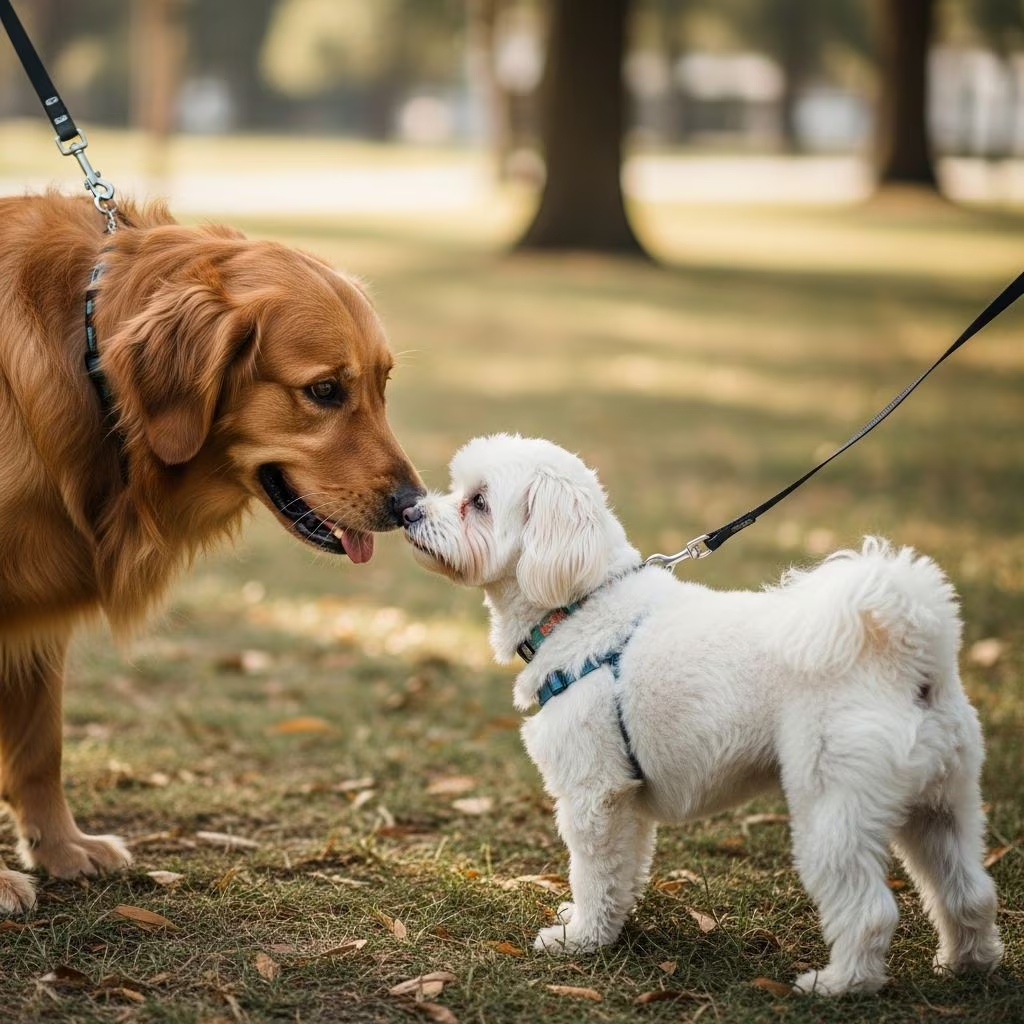
Bringing a new dog into a home with an existing dog can be thrilling but requires careful planning to avoid stress, fear, or aggression. Proper introductions set the foundation for a peaceful multi-dog household, reducing the risk of fights and fostering companionship. This guide outlines proven strategies drawn from animal welfare experts, emphasizing neutral locations, positive reinforcement, and attentive monitoring of canine body language.
Why Proper Introductions Matter
Dogs are territorial by nature, and a rushed introduction on home turf can trigger defensive reactions from the resident dog, viewing the newcomer as an intruder. Statistics from animal shelters indicate that improper introductions contribute to many returns of adopted dogs. By conducting introductions thoughtfully, you promote positive associations, helping dogs view each other as allies rather than threats. Patience is key—rushing can escalate to growling, snapping, or worse, while gradual exposure builds trust over time.
Consider factors like age, size, sex, and temperament. Same-sex pairs, especially unspayed females or intact males, may face higher tension. Puppies often integrate easier, but adult dogs need structured steps. Always prioritize safety with leashes and separate handlers.
Preparation Before the Introduction
Before any face-to-face meeting, prepare both dogs individually. Ensure the new dog is healthy, vaccinated, and screened for aggression by shelter staff. Exercise both dogs beforehand to reduce pent-up energy—tired dogs are calmer. Stock up on high-value treats like small pieces of chicken or cheese for positive reinforcement. Have two people available, one per dog, with sturdy leashes (6 feet, non-retractable for control). Identify a neutral spot like a park or quiet street unfamiliar to both.
- Exercise both dogs: A 30-45 minute walk or play session burns energy.
- Gather supplies: Treats, leashes, waste bags, water bowls.
- Assess compatibility: If adopting, bring your dog to the shelter for a trial meet.
- Spay/neuter status: Intact dogs may need extra caution.
Step-by-Step Introduction Process
The gold standard is a multi-phase approach starting far from home. This minimizes territorial instincts and allows natural sniffing while under control.
Step 1: Neutral Territory Walk
Begin in a neutral outdoor area. Walk dogs parallel at a distance (50-100 feet) where they can see but not fixate on each other. Use happy voices: “Good dog!” and treat for calm glances. Gradually close the gap if tails wag loosely and ears are relaxed. Keep leashes slack—tight leashes signal tension.
Walk them side-by-side or one behind the other, switching positions. Reward play bows (front low, rear high) as positive signs. Sessions last 15-30 minutes; end on a high note.
Step 2: Controlled Sniffing
Once comfortable walking together, allow brief nose-to-nose sniffs (2-3 seconds). Immediately interrupt with treats and commands like “sit” or “look.” This teaches that good things happen around the other dog. Avoid staring contests or stiff postures.
Step 3: Home Introduction
Return home separately. Let the new dog explore a confined area (kitchen or room) while crated or gated. Observe through a baby gate: reward calm behavior with treats. Keep initial indoor sessions short (5 minutes), both on leash. Gradually increase time, always supervising.
Provide separate food bowls, beds, and toys to prevent resource guarding. Feed in crates initially.
Understanding Dog Body Language
Body signals reveal comfort levels. Positive cues encourage progression; warnings demand separation.
| Positive Signs | Warning Signs |
|---|---|
| Play bow, loose wagging tail, relaxed mouth, bouncy gait | Raised hackles, stiff body, growling, lip curling, hard stare |
| Play growls (high-pitched), taking turns mounting (brief) | Snarling, lunging, tucked tail, whale eye (whites showing) |
| Sniffing rear calmly, following without tension | Frozen posture, yawning excessively (stress), avoidance |
Interpret clusters, not singles—a single yawn might be tiredness, but with stiffening, it’s stress. If warnings appear, increase distance, distract with toys, and retry later.
Common Mistakes to Avoid
- Rushing on home turf: Resident dog feels threatened.
- Tight leashes: Transmits handler anxiety.
- Ignoring signals: Small tensions escalate.
- Unequal resources: Causes guarding.
- No supervision: Unseen fights cause injuries.
Troubleshooting Problems
If aggression persists:
- Severe cases: Consult a certified trainer or behaviorist. Use muzzles for safety during meets.
- Fearful dogs: Go slower; use barriers longer.
- Resource issues: Feed separately indefinitely if needed.
- Post-intro fights: Revert to basics; never punish, as it worsens fear.
Monitor for redirected aggression (dog snaps at owner). Some pairs never fully bond—management (gates, schedules) works fine.
Building a Lasting Multi-Dog Bond
After successful intros, reinforce daily. Walk together routinely, train jointly with treats for teamwork. Provide individual attention to avoid jealousy. Rotate playtime if one tires. Over weeks, most dogs form packs with play, grooming, and sleep-sharing.
Long-term success: 80-90% of properly introduced dogs coexist peacefully, per shelter data.
Frequently Asked Questions (FAQs)
Q: How long does it take for dogs to get along?
A: Varies from hours to months. Some bond instantly; others need weeks of management. Patience yields best results.
Q: Can I introduce puppies differently?
A: Puppies are more forgiving but still use neutral spots. Supervise closely to prevent bullying.
Q: What if my dogs are different sizes?
A: Extra caution for small dogs—prevent injury. No off-leash until trust builds.
Q: Should I let them fight it out?
A: Never. Punishment or forced fights damage trust permanently. Intervene calmly.
Q: How do I introduce a new dog to multiple residents?
A: One at a time, starting with the calmest. Repeat process per dog.
This comprehensive approach, rooted in humane society protocols, ensures safe, happy introductions. Consult professionals for unique cases.
References
- New Dog Introductions — The Humane Society for Tacoma & Pierce County. Accessed 2026. https://www.thehumanesociety.org/new-dog-introductions/
- Dog-to-Dog Introduction — SPCA of Wake County. Accessed 2026. https://spcawake.org/services/pet-behavior/dog-to-dog-introduction/
- Dog-Dog Introductions — San Francisco SPCA. 2019-04. https://www.sfspca.org/wp-content/uploads/2019/04/dog_behavior_dog-dog_introductions.pdf
- Dog to Dog Introductions — SPCA. Accessed 2026. https://spca.org/file/Dog-to-Dog-Introductions.pdf
- Introducing Dogs and Cats — East Bay SPCA. 2024-05. https://eastbayspca.org/wp-content/uploads/2024/05/Introducing-Dogs-and-Cats-1.pdf



