

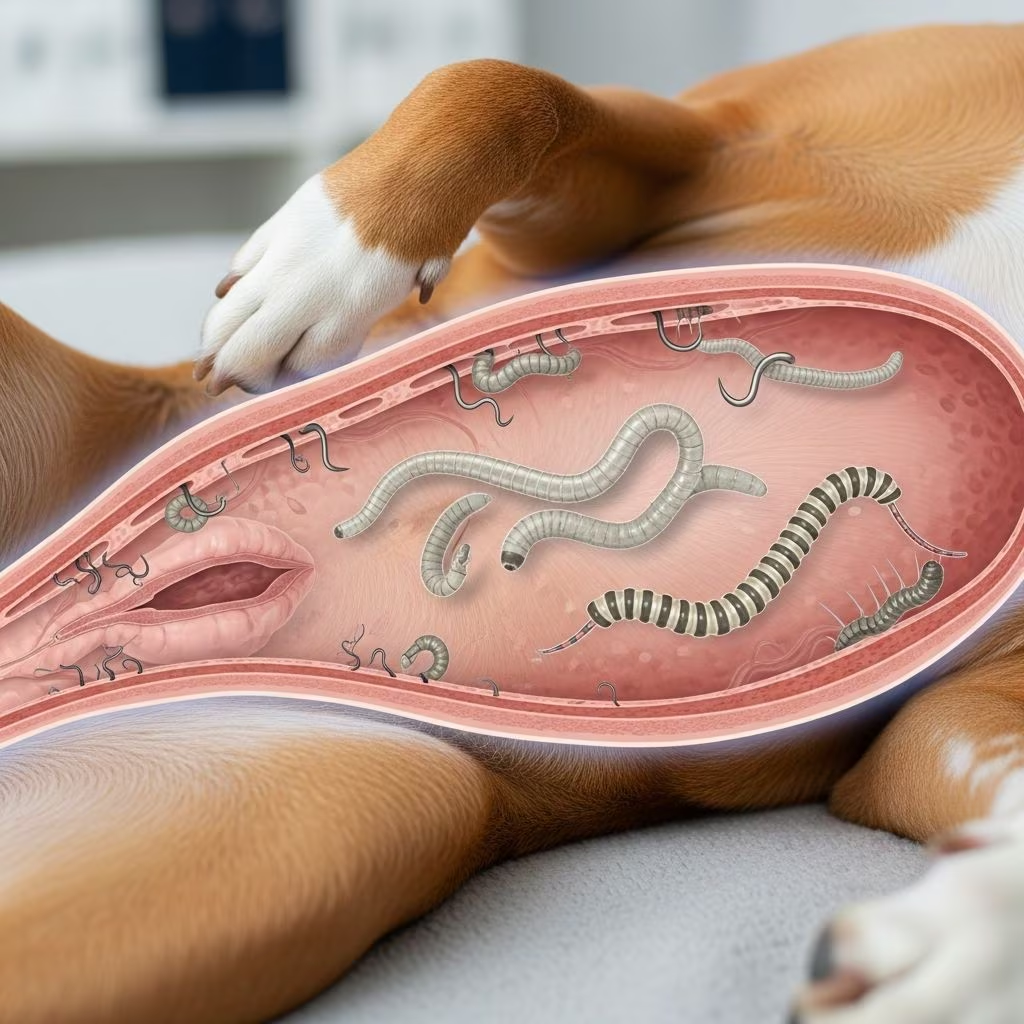
Intestinal parasites pose a significant risk to dogs, affecting their digestive health and overall vitality. These organisms, ranging from visible worms to microscopic protozoa, can lead to severe complications if left untreated. Understanding their types, symptoms, transmission, and management is crucial for every dog owner.
Why Intestinal Parasites Matter for Your Dog
Dogs of all ages can harbor intestinal parasites, but puppies and immunocompromised animals are particularly vulnerable. These invaders compete for nutrients, damage intestinal walls, and sometimes migrate to other organs, causing anemia, malnutrition, or even death in heavy infestations. Regular veterinary check-ups and preventive measures are essential to safeguard your pet.
Common Types of Intestinal Parasites in Canines
Several parasites commonly infect dogs’ gastrointestinal tracts. Each has unique characteristics, life cycles, and impacts.
Roundworms: The Most Prevalent Threat
Roundworms, resembling strands of spaghetti, are among the most frequent intestinal parasites in dogs. Puppies often acquire them from their mother’s milk or in utero, while adults ingest eggs from contaminated soil or prey. Heavy burdens cause a pot-bellied appearance, vomiting, and poor growth.
Hookworms: Blood-Sucking Predators
Hookworms latch onto the intestinal lining, feeding on blood and leading to anemia, especially in young dogs. Transmission occurs via ingestion of larvae in soil, skin penetration from contaminated environments, or transplacental/milk routes. Symptoms include pale gums, weakness, and bloody diarrhea.
Whipworms: Colon Colonizers
Whipworms reside in the large intestine, causing inflammation and chronic issues. Dogs ingest infective eggs from feces-contaminated soil, where eggs can survive for years. Signs emerge in moderate to heavy infections: bloody diarrhea, weight loss, and debilitation.
Tapeworms: Segmented Invaders
Tapeworms use fleas or infected prey as intermediate hosts. Dogs swallow fleas during grooming or eat rodents/rabbits. Visible rice-like segments around the anus signal infection, accompanied by digestive upset, scooting, and nutrient malabsorption.
Protozoan Parasites: Microscopic Menaces
- Giardia: Protozoa spread via contaminated water or feces, causing watery diarrhea with mucus, lethargy, and weight loss. Asymptomatic carriers exist, complicating control.
- Coccidia: Ingested from soil or infected animals, these trigger severe diarrhea in puppies, potentially fatal without intervention.
Recognizing the Signs of Parasitic Infection
Early detection hinges on observing subtle to overt symptoms. Not all infections produce noticeable effects, underscoring the need for routine fecal exams.
| Symptom | Associated Parasites | Severity |
|---|---|---|
| Diarrhea (possibly bloody) | Hookworms, Whipworms, Giardia, Coccidia | High |
| Vomiting | Roundworms, Tapeworms | Moderate |
| Weight loss despite normal eating | All types | High |
| Pot-bellied or bloated abdomen | Roundworms | High in puppies |
| Scooting or anal irritation | Tapeworms | Moderate |
| Lethargy and weakness | Hookworms, severe cases | High |
| Visible worms/segments in stool | Roundworms, Tapeworms | Obvious |
| Poor coat condition | Nutrient stealers | Moderate |
How Dogs Contract These Parasites
Parasites thrive in environments with poor hygiene. Common routes include:
- Ingestion of eggs/larvae in soil, feces, or contaminated food/water.
- Skin penetration by larvae (hookworms) from damp, infected ground.
- Flea ingestion for tapeworms.
- Mother-to-puppy transmission for roundworms and hookworms.
- Hunting or scavenging infected wildlife.
Public parks, kennels, and backyards with rodent activity heighten risks.
Diagnosis: Confirming the Presence of Worms
Veterinarians rely on fecal flotation tests to detect eggs or parasites under microscopy. Multiple samples may be needed due to intermittent shedding. Advanced techniques like PCR aid in protozoan identification. Blood tests assess anemia from hookworms.
Treatment Options for Infected Dogs
De-wormers target specific parasites:
- Broad-spectrum medications like pyrantel, fenbendazole, or milbemycin for nematodes.
- Praziquantel for tapeworms.
- Metronidazole or fenbendazole for Giardia/Coccidia.
Treatment spans days to weeks, often repeated to break life cycles. Supportive care includes fluids for dehydration and iron for anemia. Environmental decontamination via thorough cleaning prevents reinfection.
Prevention: Keeping Parasites at Bay
Proactive strategies minimize risks:
- Monthly heartworm preventives covering intestinal worms (e.g., ivermectin/pyrantel).
- Flea control to block tapeworm cycles.
- Regular fecal exams, especially for puppies and boarding dogs.
- Hygiene: Prompt poop pickup, discourage soil-eating, safe water sources.
- Avoid raw meat diets that harbor parasites.
Special Considerations for Puppies and High-Risk Dogs
Puppies require de-worming at 2, 4, 6, and 8 weeks, then monthly until 6 months. Pregnant dams benefit from preventive dosing to protect litters. Travel, daycare, or outdoor lifestyles demand vigilant monitoring.
Zoonotic Risks: Can Parasites Spread to Humans?
Some parasites like roundworms and hookworms pose zoonotic threats, particularly to children via contaminated soil. Good hygiene, handwashing, and yard sanitation mitigate dangers. Tapeworms and whipworms rarely affect humans.
Frequently Asked Questions (FAQs)
What if I see worms in my dog’s stool?
Contact your vet immediately for testing and treatment. Do not attempt home remedies, as they may be ineffective or harmful.
How often should I de-worm my dog?
Follow vet-recommended schedules based on age, lifestyle, and preventives. Puppies need more frequent dosing.
Can indoor dogs get intestinal parasites?
Yes, via contaminated shoes, fleas, or rodents. Prevention remains key regardless of lifestyle.
Is natural de-worming safe and effective?
Limited evidence supports herbs/pumpkin seeds; veterinary pharmaceuticals are proven and safer.
What home care supports recovery?
Provide bland diets, ensure hydration, and clean bedding thoroughly during treatment.
Long-Term Management and Monitoring
Post-treatment fecal checks confirm clearance. Integrate parasite control into routine wellness. Nutritional support aids recovery from malnutrition. Owners should educate themselves on local prevalence via veterinary resources.
References
- Everything You Need to Know About Dog Intestinal Parasites for Oak Park Pet Owners — Companion Animal Hospital. 2023. https://companionop.com/blog/everything-you-need-to-know-about-dog-intestinal-parasites-for-oak-park-pet-owners/
- Gastrointestinal Parasites of Dogs — Merck Veterinary Manual. 2024-02-01. https://www.merckvetmanual.com/dog-owners/digestive-disorders-of-dogs/gastrointestinal-parasites-of-dogs
- Intestinal Parasites in Dogs — HEARTGARD. 2024. https://heartgard.com/intestinal-parasites-in-dogs
- Understanding Dog Parasites: 5 Signs To Watch Out For — Central Texas Animal Hospital. 2023. https://centraltexasanimalhospital.com/dog-parasites/understanding-dog-parasites-5-signs-to-watch-out-for/
- Intestinal Parasites — Dupont Veterinary Clinic. 2023. https://dupontvetclinic.com/canine-internal-parasites/
- 8 Signs That Your Pet Might Have Worms — UrgentVet. 2024. https://urgentvet.com/8-signs-that-your-pet-might-have-worms/
- Common Intestinal Parasites — Veterinary Health Center. 2023. https://www.ksvhc.org/services/pet-health-center/common-parasites.html
- Intestinal Parasites in Cats and Dogs — AVMA. 2024-01-15. https://www.avma.org/resources-tools/pet-owners/petcare/intestinal-parasites-cats-and-dogs
- Intestinal Parasites in Dogs — USDA APHIS. 2022-06-01. https://www.aphis.usda.gov/sites/default/files/ac-aid-intestinal-parasites-in-dogs_0.pdf



