

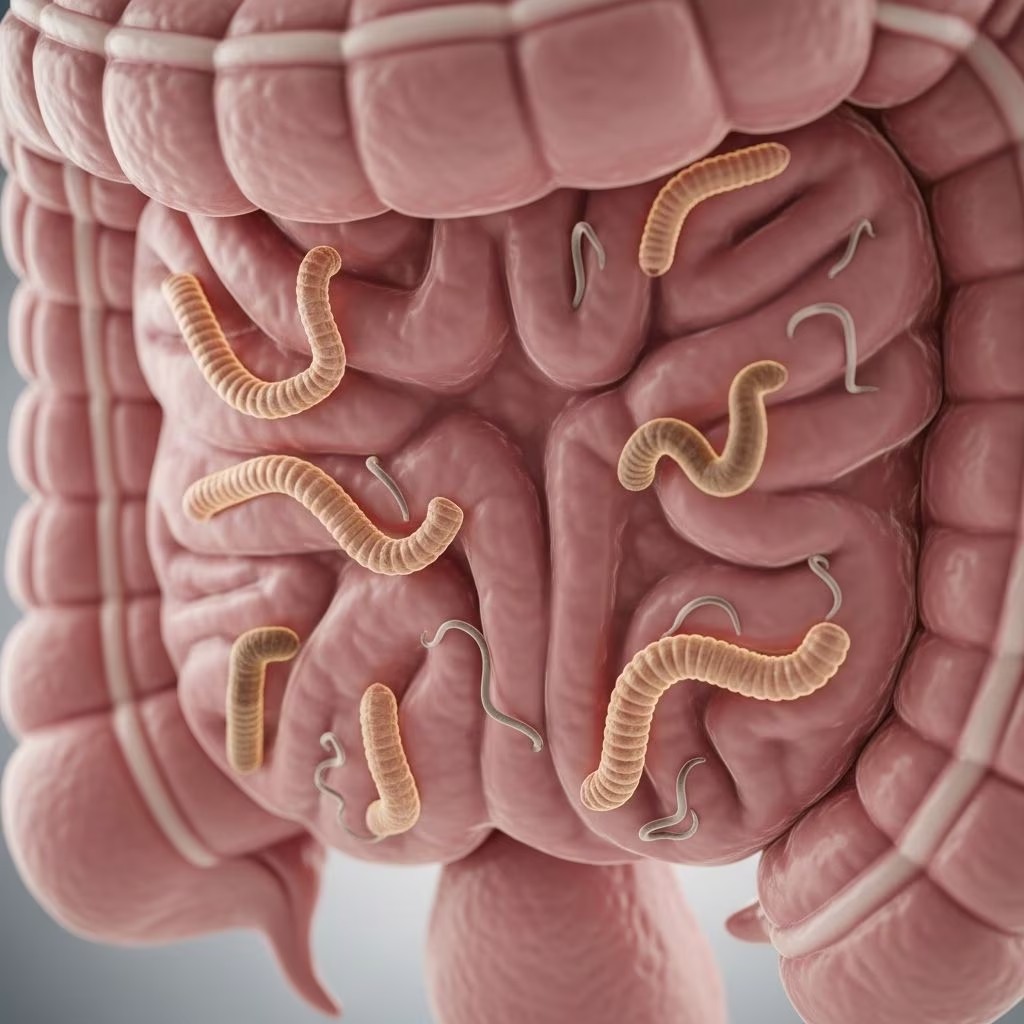
Intestinal parasites, commonly known as worms, represent a significant health concern for dogs of all ages. These organisms live in the digestive tract, feeding off nutrients and causing a range of issues from mild discomfort to life-threatening conditions. Puppies are particularly vulnerable, but adult dogs can also suffer silently. Early detection and intervention are key to preventing complications like anemia, malnutrition, and stunted growth.
Why Worms Pose a Serious Risk to Canine Health
Worms deprive dogs of essential nutrients, leading to weakness and poor development. In severe cases, they can block intestines or cause pneumonia from migrating larvae. Transmission occurs through contaminated soil, infected prey, or even from mother to puppy via milk. Humans, especially children, face zoonotic risks from certain types like roundworms.
Common Types of Worms Affecting Dogs
Dogs can host several intestinal parasites, each with unique characteristics, lifecycles, and impacts. Understanding these helps in targeted prevention and treatment.
- Roundworms (Toxocara canis, Toxascaris leonina): The most prevalent, resembling spaghetti strands in stool. Puppies often inherit them prenatally or through milk. Symptoms include pot-bellied swelling, vomiting worms, coughing, and failure to thrive.
- Hookworms (Ancylostoma caninum): Tiny blood-suckers causing anemia, pale gums, bloody diarrhea, and lethargy. They penetrate skin or are ingested, thriving in warm, moist environments.
- Tapeworms (Dipylidium caninum, Taenia species): Segments appear as rice grains near the anus, prompting scooting. Fleas serve as intermediate hosts, making flea control crucial.
- Whipworms (Trichuris vulpis): Reside in the large intestine, leading to bloody diarrhea, weight loss, and anemia in heavy infestations. Eggs persist in soil for years.
Less common ones like esophageal worms (Spirocerca lupi) cause coughing and swallowing issues from eating beetles or rodents.
Recognizing the Signs of Worm Infestation
Symptoms vary by worm type and load but often overlap. Watch for these red flags:
- Visible worms or segments in feces, vomit, or around the rear.
- Pot-bellied appearance, especially in puppies.
- Persistent diarrhea, sometimes bloody or tarry.
- Unexplained weight loss despite good appetite.
- Lethargy, weakness, or reduced playfulness.
- Scooting or dragging hindquarters due to anal irritation.
- Dull coat, dehydration, coughing, or anemia signs like pale gums.
Many infections are asymptomatic, underscoring the need for routine checks.
Symptom Comparison Table
| Worm Type | Key Symptoms | Severity in Puppies |
|---|---|---|
| Roundworms | Pot-belly, vomiting worms, diarrhea, coughing | High – can be fatal |
| Hookworms | Pale gums, bloody stool, anemia, lethargy | Very High – rapid blood loss |
| Tapeworms | Rice-like segments, scooting, mild weight loss | Moderate |
| Whipworms | Bloody diarrhea, weight loss, anemia | High in heavy loads |
How Dogs Contract Intestinal Worms
Parasites spread via multiple routes:
- Fecal-oral route: Ingesting eggs from contaminated soil, water, or grooming.
- Skin penetration: Hookworms burrow through paws or skin.
- Intermediate hosts: Eating fleas (tapeworms), rodents, or insects.
- Vertical transmission: Puppies from dam’s tissues or milk.
Outdoor dogs, those in kennels, or on raw diets face higher risks. Poor hygiene exacerbates spread.
Professional Diagnosis: The First Step to Recovery
Never self-diagnose; consult a veterinarian. A fecal flotation exam under microscope detects eggs, though multiple samples may be needed for intermittent shedders. Advanced tests like PCR or endoscopy confirm elusive types.
Blood tests check for anemia, and imaging rules out blockages. Accurate identification ensures the right medication, as not all dewormers target all worms.
Treatment Options for Worm Infections
Vets prescribe broad-spectrum dewormers like pyrantel, fenbendazole, or milbemycin, often in chewables, liquids, or injections. Multiple doses weeks apart kill hatching larvae. Follow-up fecals verify clearance.
Severe cases may require supportive care: fluids for dehydration, blood transfusions for anemia, or nutritional supplements.
- Puppies: Start deworming at 2 weeks, repeat every 2 weeks until 8 weeks, then monthly.
- Adults: Every 3-6 months or as risk dictates.
Prevention Strategies to Keep Worms at Bay
Proactive measures are more effective than cure:
- Regular deworming: Use vet-recommended preventives covering multiple parasites.
- Flea control: Essential for tapeworm prevention; products like Credelio Quattro target fleas, ticks, and worms.
- Hygiene: Prompt poop pickup, discourage geophagia (dirt-eating), clean bedding weekly.
- Environmental management: Avoid high-risk areas; freeze raw meat to kill parasites.
- Annual vet checks: Fecal exams for early detection.
Heartworm preventives often include intestinal worm protection, streamlining care.
Zoonotic Risks: Protecting Your Family
Certain worms like Toxocara canis pose human risks, causing visceral or ocular larva migrans. Children are most susceptible via contaminated soil. Practice handwashing, cover sandboxes, and dispose of feces properly.
Special Considerations for Puppies and Seniors
Puppies endure heavy burdens, risking death from hookworms or roundworms. Begin preventives early. Seniors with weakened immunity may show severe symptoms from light loads; monitor closely.
FAQs on Dog Worms
Can I see worms in my dog’s stool?
Yes, roundworms look like spaghetti; tapeworm segments like rice. Not all worms are visible.
How often should I deworm my dog?
Puppies: Every 2 weeks until 12 weeks, then monthly. Adults: 3-4 times yearly or per vet advice.
Are over-the-counter dewormers safe?
They may miss types or cause resistance. Vet-prescribed options are safer and more effective.
Can worms be prevented entirely?
Not always, but consistent preventives and hygiene minimize risks significantly.
What if my dog has repeated infections?
Check environment, diet, and immunity. Re-test and adjust preventives with your vet.
Long-Term Management for Healthy Dogs
Integrate worm prevention into routine care alongside vaccines and nutrition. Educate family on hygiene to safeguard all. With diligence, most dogs live worm-free, energetic lives.
References
- Gastrointestinal Parasites of Dogs — Merck Veterinary Manual. 2023. https://www.merckvetmanual.com/dog-owners/digestive-disorders-of-dogs/gastrointestinal-parasites-of-dogs
- How to Tell When Your Dog Has Worms — Orting Animal Hospital. 2023. https://ortinganimalhospital.com/blog/how-to-tell-when-your-dog-has-worms/
- Symptoms of Worms in Dogs — Morgan Pet Clinic. 2023. https://www.morganpetclinic.com/blog/1215101-symptoms-of-worms-in-dogs
- How to Get Rid of Worms in Dogs — PetVet Care Centers. 2022-03-31. https://www.petvetcarecenters.com/site/blog/2022/03/31/get-rid-dog-worms
- Intestinal Worms in Dogs — Blue Cross. 2023. https://www.bluecross.org.uk/advice/dog/health-and-injuries/intestinal-worms-in-dogs
- Treat and Prevent Worms in Pets — RSPCA. 2023. https://www.rspca.org.uk/adviceandwelfare/pets/general/worms
- How to Get Rid of Worms in Dogs — PetMD. 2023. https://www.petmd.com/dog/general-health/evr_dg_intestinal_worms_in_dogs



