

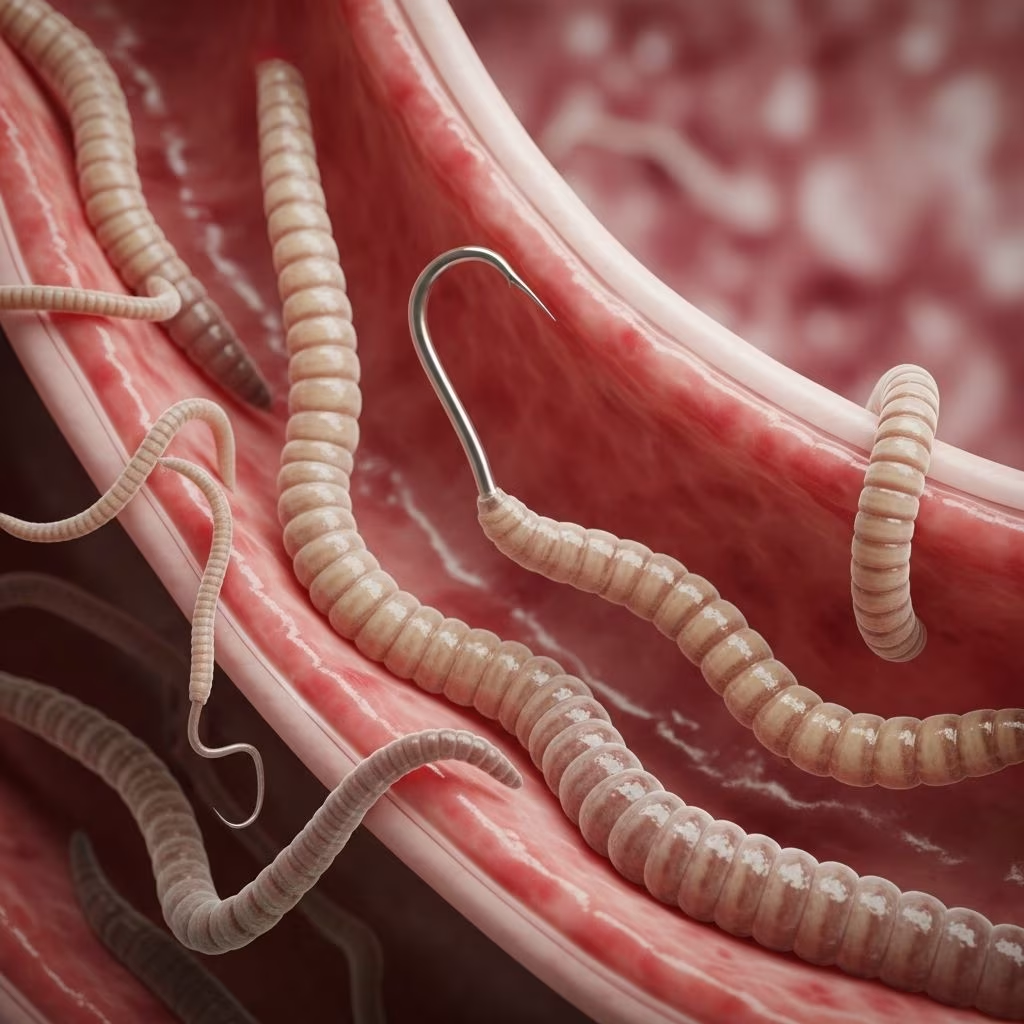
Intestinal parasites, commonly known as worms, represent a significant health concern for dogs of all ages. These organisms live in the digestive tract, feeding off nutrients and causing a range of issues from mild discomfort to life-threatening conditions. Puppies are particularly vulnerable, but adult dogs can also suffer severe infestations if not properly managed. Early detection through observation of symptoms and veterinary intervention is key to effective management.
Understanding the Prevalence and Risks
Dogs encounter intestinal parasites through various environmental sources, including contaminated soil, infected prey, or even from their mother’s milk in the case of newborns. These parasites not only rob dogs of essential nutrition but can also pose zoonotic risks, meaning they may transmit to humans under certain conditions. For instance, roundworm larvae can migrate through tissues, potentially affecting children’s health if hygiene is poor. Regular veterinary check-ups and preventive measures are essential to mitigate these dangers.
Common Types of Worms Affecting Dogs
Several species of intestinal worms commonly infect dogs. Each has unique characteristics, transmission methods, and impacts on the host. Here’s a breakdown:
- Roundworms (Toxocara canis and Toxascaris leonina): These spaghetti-like worms are the most frequent in puppies. They migrate through the body, potentially causing pneumonia before settling in the intestines.
- Hookworms (Ancylostoma caninum): Blood-feeding parasites that latch onto intestinal walls, leading to anemia, especially in young dogs.
- Tapeworms (Dipylidium caninum): Long, flat worms transmitted via fleas, with visible rice-like segments around the anus.
- Whipworms (Trichuris vulpis): Reside in the large intestine, causing bloody diarrhea and weight loss; eggs are highly resilient in soil.
Less common types include threadworms and esophageal worms, which can cause additional complications like respiratory issues or swallowing difficulties.
Recognizing the Signs of Infestation
Symptoms vary by worm type and infestation severity but often overlap. Watch for these indicators:
- Visible worms or segments in stool, vomit, or around the rear (resembling rice grains or spaghetti strands).
- A distended, pot-bellied abdomen, particularly in puppies.
- Persistent diarrhea, sometimes bloody or tarry.
- Weight loss despite normal or increased appetite.
- Lethargy, weakness, and poor coat condition.
- Scooting or dragging the bottom due to anal irritation.
- Pale gums indicating anemia from blood loss.
- Coughing or pneumonia-like symptoms from larval migration.
In mild cases, dogs may show no obvious signs, making routine screening vital. Severe untreated infections can lead to intestinal blockages, nutritional deficiencies, or death.
How Dogs Contract These Parasites
Transmission occurs through multiple routes:
- Oral ingestion: Eating contaminated soil, feces, or infected animals (common for roundworms, whipworms).
- Skin penetration: Larvae burrow through paws or skin (hookworms).
- Flea ingestion: Dogs groom fleas carrying tapeworm segments.
- Transplacental or milk transmission: Puppies inherit roundworms from mothers.
Environmental persistence, like whipworm eggs surviving years in soil, heightens reinfection risk.
| Worm Type | Primary Transmission | Key Risk Factors |
|---|---|---|
| Roundworms | Fecal-oral, milk | Puppies, poor hygiene |
| Hookworms | Skin penetration, ingestion | Moist environments |
| Tapeworms | Flea ingestion | Flea infestations |
| Whipworms | Ingestion of eggs | Contaminated soil |
Diagnosis: The Role of Veterinary Expertise
Self-diagnosis is unreliable; a veterinarian performs a fecal flotation test to detect eggs under a microscope. Multiple samples may be needed due to intermittent shedding. For tapeworms, segments confirm presence. Advanced cases might require blood tests for anemia or imaging for migrations. Prompt diagnosis ensures targeted therapy.
Treatment Options for Worm Infestations
Veterinarians prescribe dewormers based on the parasite:
- Broad-spectrum medications: Pyrantel, fenbendazole, or milbemycin for roundworms and hookworms.
- Praziquantel: Effective against tapeworms, often combined with others.
- Multiple doses: Required to kill larvae as they mature.
Treatment also addresses secondary issues like anemia via supportive care. Flea control is crucial for tapeworm elimination. Always complete the full course to prevent resistance.
Prevention Strategies for a Worm-Free Dog
Proactive measures reduce infection odds:
- Regular deworming: Puppies every 2 weeks until 12 weeks, then monthly; adults quarterly or as vet advises.
- Flea and tick preventives: Products like Credelio Quattro cover multiple parasites.
- Hygiene practices: Prompt poop pickup, discourage eating feces or wild animals.
- Environmental cleaning: Wash bedding, disinfect yards, avoid high-risk areas.
- Annual fecal exams: Even asymptomatic dogs benefit.
Pregnant dogs should be dewormed to protect litters.
Zoonotic Concerns: Protecting Your Family
Some worms, notably roundworms, pose human risks, especially to children via contaminated soil or sandboxes. Hookworms can penetrate skin. Maintain handwashing, cover sandpits, and dispose of waste properly to minimize transmission. Immunocompromised individuals should exercise extra caution.
Special Considerations for Puppies and Seniors
Puppies face higher mortality from worms due to immature immunity; start deworming at 2 weeks. Seniors or immunocompromised dogs may show amplified symptoms, requiring vigilant monitoring and tailored preventives.
FAQs on Dog Intestinal Parasites
Can I see worms in my dog’s poop?
Yes, roundworms appear as spaghetti strands, tapeworm segments as rice grains.
How often should I deworm my dog?
Puppies frequently, adults every 3-6 months per vet guidance.
Are over-the-counter dewormers safe?
Consult a vet first; improper use can miss parasites or cause side effects.
Can worms be prevented entirely?
Not always, but consistent prevention greatly reduces risk.
Do indoor dogs need worm prevention?
Yes, transmission occurs via visitors, fleas, or prey.
By staying informed and proactive, dog owners can safeguard their pets from the debilitating effects of intestinal parasites. Consult your veterinarian for personalized advice tailored to your dog’s lifestyle and location.
References
- How to Tell When Your Dog Has Worms — Orting Animal Hospital. 2023. https://ortinganimalhospital.com/blog/how-to-tell-when-your-dog-has-worms/
- How to Get Rid of Worms in Dogs — PetVet Care Centers. 2022-03-31. https://www.petvetcarecenters.com/site/blog/2022/03/31/get-rid-dog-worms
- How to Get Rid of Worms in Dogs — PetMD. 2023. https://www.petmd.com/dog/general-health/evr_dg_intestinal_worms_in_dogs
- Gastrointestinal Parasites of Dogs — Merck Veterinary Manual. 2023. https://www.merckvetmanual.com/dog-owners/digestive-disorders-of-dogs/gastrointestinal-parasites-of-dogs
- Intestinal Worms in Dogs — Blue Cross. 2023. https://www.bluecross.org.uk/advice/dog/health-and-injuries/intestinal-worms-in-dogs
- Worms in Dogs — PDSA. 2023. https://www.pdsa.org.uk/pet-help-and-advice/pet-health-hub/conditions/worms-in-dogs
- Treat and Prevent Worms in Pets — RSPCA. 2023. https://www.rspca.org.uk/adviceandwelfare/pets/general/worms



