Intestinal Blockages In Dogs: Guide To Diagnosis & Treatment
Recognize the urgent signs of bowel obstructions in dogs, explore causes, treatments, and vital prevention strategies to safeguard your pet's digestive health.
Intestinal Blockages in Dogs: A Comprehensive Guide
Intestinal blockages represent a serious medical emergency for dogs, where something prevents the normal passage of food, fluids, and waste through the gastrointestinal tract. These obstructions can occur in the stomach, small intestine, or large intestine, leading to rapid deterioration if untreated. Prompt recognition and veterinary intervention are essential, as delays can result in tissue damage, infection, or death within days.
Understanding the Anatomy of a Dog’s Digestive System
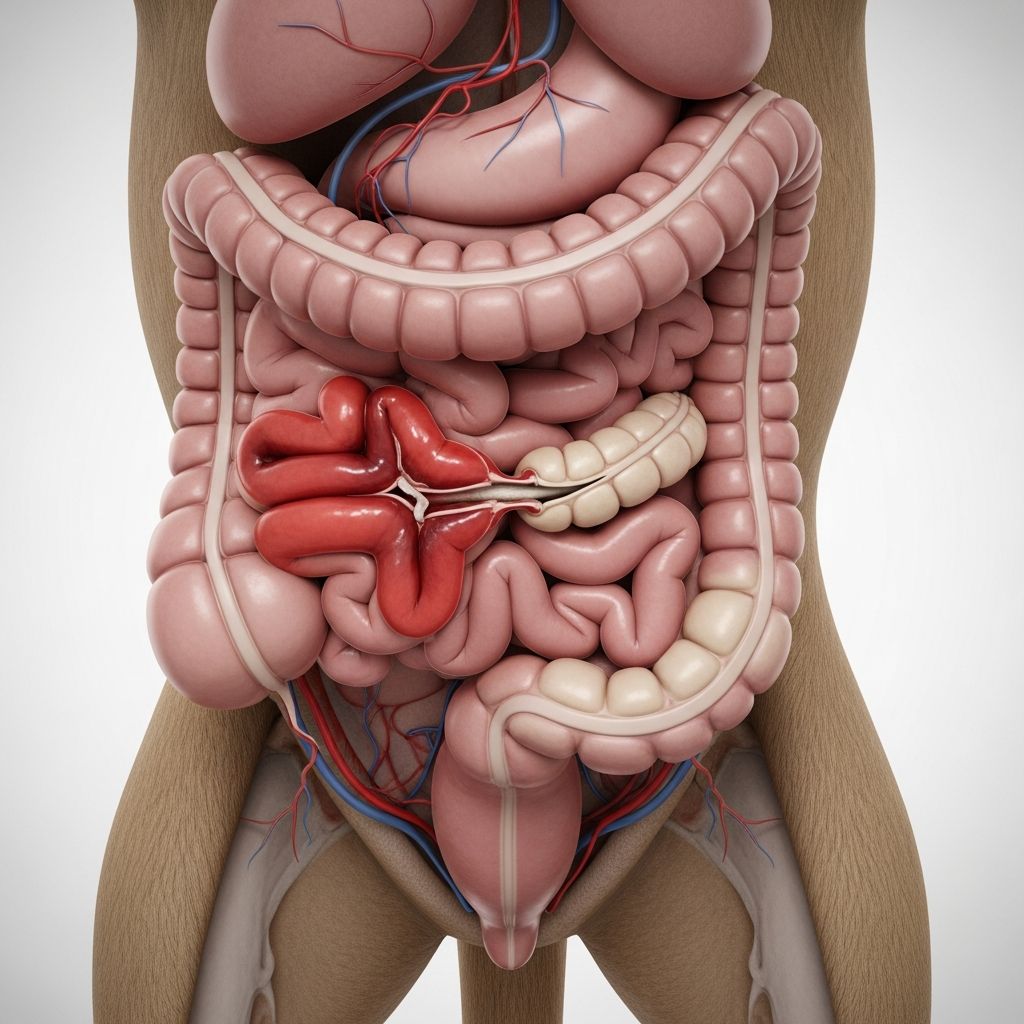
To grasp why blockages are so dangerous, consider the dog’s digestive pathway. Food enters the mouth, travels down the esophagus to the stomach for initial breakdown, then moves into the small intestine for nutrient absorption, and finally the large intestine for water reabsorption before elimination. Any halt here causes backups, pressure buildup, and reduced blood flow, potentially killing intestinal sections.
The small intestine, with its narrow diameter, is particularly prone to complete blockages, while partial ones might develop gradually in the larger colon. Breeds with deep chests, like Great Danes, face added risks from conditions such as gastric dilatation-volvulus (GDV).
Primary Causes of Gastrointestinal Obstructions
Dogs ingest a variety of items leading to blockages. Common culprits include household objects and dietary indiscretions.
- Foreign Objects: Toys, socks, underwear, strings, ropes, dish towels, and bones top the list. Linear items like yarn can bunch up, sawing through tissues—a ‘bunching’ or ‘saw-like’ injury.
- Masses and Tumors: Especially in older dogs, abnormal growths in the digestive tract narrow passages.
- Medical Conditions: Parasitic worms, hernias, intestinal twisting (torsion), strictures from scar tissue, severe inflammation, or post-surgical adhesions.
- Congenital Issues: Rare narrowing like pyloric stenosis in the stomach outlet.
Puppies and greedy eaters are at higher risk, but all dogs should be monitored around tempting items.
Recognizing the Warning Signs Early
Symptoms vary by blockage location and duration—upper GI issues show faster than lower ones. Watch for these red flags:
- Vomiting, often frequent or projectile
- Loss of appetite (anorexia)
- Abdominal bloating or distension
- Painful abdomen when touched, whining, restlessness, or aggression
- Straining to defecate without success (tenesmus)
- Diarrhea, sometimes tarry or bloody
- Lethargy, weakness, dehydration
- Excessive drooling, burping, nausea
- Refusal to lie down or staying unusually still
Signs may appear immediately or within 24 hours. Without witnesses to ingestion, these mimic simpler tummy upsets, delaying care. If suspected, seek a vet urgently—fatal outcomes can occur in 3-7 days.
How Vets Diagnose Blockages
Diagnosis starts with history and exam. Vets palpate for pain or masses, then use imaging:
- Radiographs (X-rays): Reveal gas patterns, fluid levels, or object outlines. Serial X-rays track movement.
- Ultrasound: Detects obstructions, perforations, or dead tissue precisely.
- Endoscopy: Visualizes and sometimes removes upper tract items.
- Bloodwork: Checks dehydration, electrolytes, infection, or organ stress.
Contrast studies with barium aid if initial images are unclear.
Treatment Pathways: From Conservative to Surgical
Treatment hinges on obstruction site, duration, dog size, and object nature. Goals: stabilize, remove blockage, repair damage.
Non-Surgical Options
For partial, proximal blockages:
- IV fluids for hydration/electrolytes
- Anti-nausea and pain meds
- Monitoring with repeat imaging
- Endoscopy for retrieval
Inducing vomiting suits very recent ingestions but risks if past the stomach.
Surgical Interventions
Most require hospitalization first. Procedures include:
| Procedure | Description | When Used |
|---|---|---|
| Enterotomy/Gastrotomy | Incision into intestine/stomach to extract object | Most foreign body cases |
| Resection & Anastomosis | Remove dead bowel segment, reconnect healthy ends | Perforation or necrosis present—increased complication risk |
| Gastropexy | Suture stomach to abdominal wall | GDV prevention, deep-chested breeds |
Surgery demands general anesthesia; duration varies with damage extent. Post-op, dogs recover in-clinic for days on fluids, meds.
Navigating Post-Treatment Recovery
Recovery demands vigilance:
- Hospital Stay: 2-5 days for monitoring, gradual feeding.
- Home Care: E-collar to prevent licking; short leash walks; bland diet transition.
- Watch For: Fever, swelling, vomiting, poor appetite—signal dehiscence, sepsis, hypoalbuminemia.
- Follow-Up: Suture removal, imaging if needed.
Full recovery takes 1-2 weeks; activity ramps slowly to avoid suture tears.
Preventing Future Blockages in Your Dog
Proactive steps reduce risks:
- Supervise play; remove temptations like socks, toys with strings.
- Train ‘leave it’ and ‘drop it’ commands.
- Choose durable, appropriately sized toys.
- Feed large-piece-free diets; avoid cooked bones.
- Regular deworming, senior checkups for tumors.
- Preventive gastropexy for at-risk breeds.
Vigilance around trash or counters is key—curiosity drives many incidents.
Prognosis and Long-Term Outlook
Early intervention yields 80-90% success; delays drop odds due to sepsis or perforation. Simple removals have excellent outcomes; resections riskier but often successful. Most dogs resume normal lives post-recovery.
Frequently Asked Questions (FAQs)
What should I do if my dog ate something suspicious?
Contact your vet immediately—don’t wait for symptoms. Provide details on item, time ingested.
Can blockages resolve without surgery?
Sometimes, small objects pass with supportive care, but monitoring is crucial.
How much does dog intestinal surgery cost?
Varies widely ($2,000-$10,000+), depending on complexity, location, complications. Pet insurance helps.
Are certain breeds more prone?
Deep-chested giants like Great Danes (GDV); greedy eaters like Labs (foreign objects).
What’s the timeline for symptom appearance?
Hours for stomach; up to 24+ for intestines. Act fast regardless.
Final Thoughts on Keeping Your Dog Safe
Intestinal blockages, while alarming, are manageable with awareness. By spotting signs swiftly, pursuing diagnostics, and following treatments diligently, you can help your dog bounce back. Prevention through supervision and smart toy choices goes furthest in averting crises. Consult your vet for tailored advice.
References
- Bowel Obstruction in Dogs: Signs, Symptoms & Treatment — Cerbat Cliffs Animal Hospital. 2022-03-15. https://www.cerbatcliffs.com/site/blog/2022/03/15/dog-bowel-obstruction
- What to Know About Intestinal Blockage in Dogs: Symptoms, Treatment, and Prevention — Violet Crown Veterinary. N/A. https://www.violetcrownvet.com/what-to-know-about-intestinal-blockage-in-dogs-symptoms-treatment-and-prevention
- Bowel Obstruction in Dogs: Signs, Symptoms & Treatment — Maury County Veterinary. 2023-08-31. https://www.maurycountyvet.com/site/blog/2023/08/31/bowel-obstruction-dogs–signs-symptoms-treatment
- Bowel Obstruction in Dogs — Goleta Pet Hospital. 2023-11-15. https://www.goletapethospital.com/site/blog/2023/11/15/dog-bowel-obstruction
- Intestinal Blockages In Dogs: Causes and Treatment — Atlantic Coast Vet. 2022-05-30. https://www.atlanticcoastvet.com/site/blog-long-island-vet/2022/05/30/intestinal-blockages-in-dogs-causes-and-treatment
- Gastrointestinal Obstruction in Small Animals — Merck Veterinary Manual. N/A. https://www.merckvetmanual.com/digestive-system/surgical-problems-of-the-gastrointestinal-tract-in-small-animals/gastrointestinal-obstruction-in-small-animals
Similar Articles



Read full bio of medha deb