

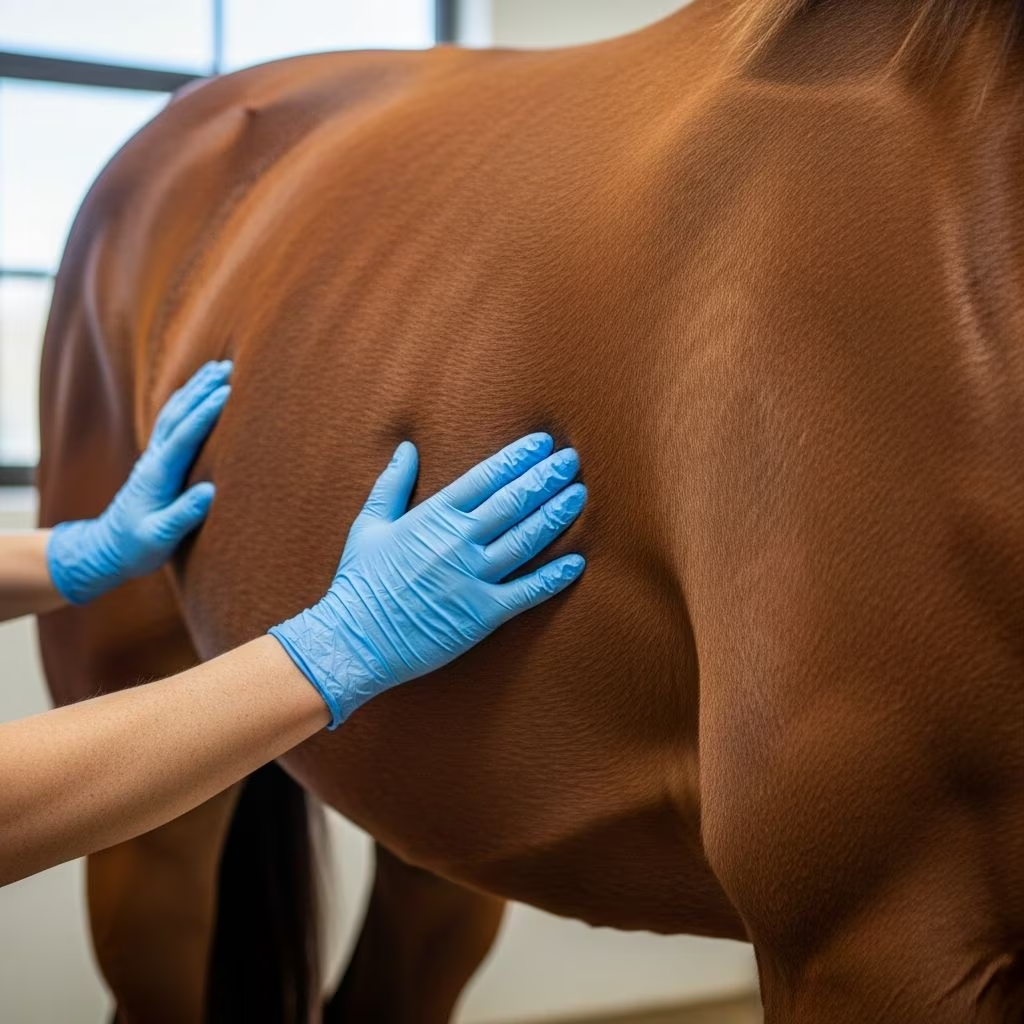
Intestinal blockages represent one of the most serious digestive emergencies that horse owners encounter. These obstructions occur when feed material, foreign objects, or other substances become lodged within the gastrointestinal tract, preventing normal digestive function and creating significant abdominal pain. Understanding the mechanisms behind these blockages, recognizing early warning signs, and implementing preventive measures is essential for protecting your horse’s health and potentially saving its life.
Understanding Equine Gastrointestinal Anatomy
Horses possess a uniquely specialized digestive system that predisposes them to certain types of blockages. Unlike many other animals, horses cannot vomit; their esophageal design allows food and gas to move in only one direction. This anatomical limitation means that any obstruction within the digestive tract cannot be expelled through regurgitation, making blockages potentially more severe than in other species. The horse’s gastrointestinal tract contains multiple locations where anatomical narrowing or directional changes create vulnerable points for obstruction formation.
Additionally, horses are hindgut fermenters, meaning they digest fibrous plant material through bacterial fermentation in the cecum and large colon rather than through enzymatic digestion in the stomach and small intestine. This system works efficiently when horses consume appropriate forage, but disruptions to normal feed passage can quickly lead to serious complications. The large intestine, particularly the colon, contains several hairpin-shaped bends that naturally narrow the intestinal diameter, making these areas especially susceptible to blockage formation.
Primary Causes of Intestinal Obstruction
Intestinal blockages in horses result from numerous interconnected factors rather than a single causative agent. In many cases, veterinarians cannot definitively identify the exact cause of an individual blockage, as multiple contributing factors often work together to create the condition.
Dietary and Feeding-Related Factors
The quality and characteristics of feed play a crucial role in obstruction development. Coarse, poorly digestible forage creates a higher risk for blockage formation, particularly when combined with insufficient water intake. Horses that receive poor-quality hay or feedstuffs that are difficult to process face increased obstruction risk. Rapid feed consumption, often called bolting, prevents adequate chewing and mastication, which normally breaks feed into appropriately sized particles for digestion. Poor dental health directly contributes to this problem, as horses with dental abnormalities cannot chew feed effectively, creating larger, more difficult-to-digest particles that may become impacted.
Sudden changes in diet or feeding management trigger digestive upset by disrupting the microbial populations within the hindgut. Horses possess sensitive digestive systems that require gradual transitions when introducing new feedstuffs. Abrupt dietary shifts cause altered intestinal motility and can initiate obstruction formation. High-concentrate, low-forage diets represent another risk factor, as excessive grain consumption can disrupt normal digestive function and contribute to impaction development.
Water Intake and Hydration Status
Reduced water consumption directly increases blockage risk by allowing feed material to become desiccated and compact within the intestinal tract. Dehydration also impairs normal intestinal motility, slowing the movement of feed material through the digestive system. Horses with limited access to fresh water, those experiencing illness that reduces drinking behavior, or those exposed to cold temperatures that decrease drinking interest face elevated obstruction risk. Geographic location matters as well, as horses in areas with naturally low-quality forage and limited water resources experience higher impaction rates.
Physical Activity and Management Changes
Exercise plays an important role in maintaining normal intestinal motility and feed transit. Horses confined to stall rest following illness or injury experience reduced physical activity that slows digestive movement and increases obstruction risk. Frequent and sudden management changes, such as inconsistent exercise routines or unexpected stall confinement, upset the horse’s normal digestive rhythm and predispose to blockage formation. Even relatively brief periods of reduced activity can trigger impaction, particularly in horses with other risk factors.
Foreign Material Ingestion
Horses may consume numerous indigestible materials that create physical blockages within the digestive tract. Sand ingestion represents a particularly common problem, especially in horses grazing sandy pastures or consuming hay from sandy ground. Other foreign materials include rope pieces, bedding material, plastic, rubber, and various plant materials. Young horses demonstrate particular susceptibility to foreign object ingestion due to their natural curiosity and tendency to explore their environment through mouthing. In some cases, blockages from foreign material may not cause clinical signs immediately; symptoms can develop months or years after initial ingestion.
Medical Conditions and Medications
Parasitic infections, particularly those involving roundworms in young horses or tapeworms in older animals, can cause intestinal obstruction through direct physical blockage or through interference with normal intestinal motility. Certain medications, including some dewormers administered in the previous month, may alter intestinal function and increase obstruction risk. Inflammation of the intestinal tract from various causes disrupts normal motility patterns and can initiate obstruction formation. Abnormal electrolyte concentrations interfere with smooth muscle function and may contribute to blockage development.
Locations of Blockage Formation
Different regions of the equine digestive tract experience blockage formation based on anatomical characteristics and location-specific risk factors.
Esophageal Blockages
The esophagus, the muscular tube connecting the mouth to the stomach, can become obstructed by impacted feed material or other objects. Horses that bolt their feed without adequate chewing, those with poor dentition, and those consuming dry feedstuffs that expand when moistened—such as beet pulp—face increased esophageal blockage risk. Prior esophageal trauma and mild dehydration also contribute to obstruction formation in this location. Esophageal blockage presents with distinctive clinical signs including coughing and nasal discharge containing feed material, water, or saliva.
Gastric and Duodenal Obstruction
While less common than large intestinal blockages, impaction can occur in the stomach itself, typically associated with specific feed types that cause compaction. Duodenal obstruction, occurring in the first segment of the small intestine, remains rare but serious. When duodenal blockage develops, fluid from the duodenum backs up into the stomach, creating voluminous gastric reflux as a primary clinical sign.
Cecal and Colon Impaction
The cecum, a large fermentation chamber at the junction between the small and large intestine, may develop impaction associated with recent abdominal surgery, abnormal muscular activity, or sand ingestion. Impaction within the large colon represents one of the most common blockage locations, occurring at the hairpin bend called the pelvic flexure where the intestine narrows and changes direction. This anatomically vulnerable site frequently accumulates feed material, particularly in horses with poor-quality forage, inadequate water intake, poor dentition, or recent management changes. Small colon obstruction, typically associated with fluid retention or miniature horse predisposition, represents another site of common blockage formation.
Clinical Signs and Symptoms
Horses with intestinal obstruction display characteristic signs of severe abdominal pain and digestive dysfunction. Abdominal pain represents the most consistent clinical sign, manifesting as pacing, stretching, and rolling behavior. The severity and pattern of pain varies depending on blockage location and degree of obstruction. Some horses display mild or moderate intermittent pain, while others show continuous, severe pain that responds only temporarily to analgesic medications.
Other clinical indicators include:
- Reduced or absent fecal output – the horse produces little to no manure
- Reduced intestinal sounds – abdominal auscultation reveals decreased or absent movement sounds
- Elevated heart rate – typically exceeding 64 beats per minute, indicating pain and cardiovascular stress
- Abdominal distention – bloating and swelling of the abdomen due to gas and feed accumulation
- Gastric reflux – reflux of stomach contents, indicating backed-up digestive material
- Sweating – excessive perspiration indicating pain and stress response
- Pale gums – indicating compromised circulation and potential shock
- Loss of appetite – reluctance or refusal to eat despite hunger sensation
Pain patterns differ depending on blockage type. Small intestinal obstruction typically causes moderate to severe continuous pain rather than intermittent episodes, and pain may temporarily improve as affected bowel tissue becomes necrotic, even though the horse’s overall condition deteriorates. Pelvic flexure impaction generally produces mild to moderate intermittent pain with markedly reduced fecal output.
Diagnostic Approaches
Accurate diagnosis of intestinal blockage requires comprehensive physical examination combined with specialized diagnostic techniques. Veterinarians perform thorough abdominal palpation, listening carefully to intestinal sounds and evaluating pain responses. Laboratory analysis of blood samples reveals electrolyte abnormalities, dehydration markers, and other indicators of gastrointestinal compromise. Abdominal ultrasound provides valuable information about intestinal gas patterns, fluid accumulation, and tissue viability. Rectal examination allows palpation of the large colon and assessment of fecal consistency. In some cases, exploratory abdominal surgery becomes necessary to definitively identify blockage location and determine whether surgical intervention can relieve the obstruction.
Prevention Strategies
Implementing comprehensive management practices significantly reduces blockage risk in horses. Providing constant access to fresh, clean water encourages adequate hydration and promotes normal intestinal motility. Supplying good-quality forage—whether pasture or hay—ensures appropriate digestibility and reduces impaction risk. Gradual dietary transitions over seven to ten days when changing feedstuffs prevent digestive upset that might initiate obstruction formation.
Regular dental examinations and appropriate floating of sharp enamel points enable normal mastication and proper feed processing. Consistent daily exercise maintains normal intestinal motility patterns and prevents the digestive slowdown associated with stall rest. Minimizing sudden management changes and maintaining routine feeding schedules support digestive stability. Preventing sand ingestion through appropriate grazing management, hay racks, and sand-free feed storage areas protects horses from sand impaction, particularly in sandy regions. Monitoring for parasitic infections and maintaining appropriate deworming schedules prevents obstruction from parasite burdens.
Treatment Considerations
Management of intestinal obstruction depends on blockage location, severity, and response to initial medical therapy. Functional obstructions caused by feed impaction or simple blockages often respond to medical management including aggressive fluid therapy, analgesic medications, and medications that promote intestinal motility. However, strangulating obstructions involving compromised blood supply to bowel tissue frequently require surgical intervention to prevent tissue death and potential mortality. Early recognition of clinical signs and prompt veterinary evaluation dramatically improve outcomes, as early intervention often prevents progression to irreversible tissue damage.
Frequently Asked Questions
Can all horses develop intestinal blockages?
Yes, all horses face potential risk for intestinal obstruction, though miniature horses demonstrate increased susceptibility to certain types of impaction, particularly small colon blockages.
What is the difference between simple and strangulating obstructions?
Simple obstructions involve physical blockage of the intestinal passage without vascular compromise, while strangulating obstructions involve twisting or damage to blood vessels supplying the affected bowel segment, creating more serious, life-threatening complications.
How long can a horse survive with an intestinal blockage?
The timeline varies based on obstruction severity and location. Untreated blockages can become life-threatening within hours to days. Prompt veterinary care is essential for optimal outcomes.
Are certain horse breeds more prone to blockages?
While all horses can develop obstructions, miniature horses show particular susceptibility. Geographic location matters more than breed, as certain regions with specific forage types experience higher impaction rates.
Can intestinal blockages recur?
Yes, horses with previous obstruction episodes and persistent risk factors face elevated recurrence risk. Addressing underlying causative factors through management modifications reduces recurrence probability.
References
- Gastrointestinal Impaction in Horses – Causes, Treatment and Prevention — Vetster. 2024. https://vetster.com/en/conditions/horse/gastrointestinal-impaction
- Gastrointestinal Obstruction (Blockages) in Horses – Horse Owners — Merck Veterinary Manual. 2024. https://www.merckvetmanual.com/horse-owners/digestive-disorders-of-horses/gastrointestinal-obstruction-blockages-in-horses
- Impaction Colic in Horses: Signs, Diagnosis, Treatment & Prevention — Mad Barn. 2024. https://madbarn.com/impaction-colic-in-horses/
- Large intestinal obstruction – Vet Med: Applied GI Physiology — University of Minnesota Open Textbook Library. 2024. https://open.lib.umn.edu/vetphysioapplied/chapter/li-obstruction/
- Gastrointestinal: small intestine – obstruction in Horses — VetLexicon. 2024. https://www.vetlexicon.com/equis/gastrohepatology/articles/gastrointestinal-small-intestine-obstruction/
- Esophageal Obstruction (Choke) in Horses — University of Florida College of Veterinary Medicine. 2024. https://lacs.vetmed.ufl.edu/files/2011/12/Equine-Colic-and-GI-Diseases.pdf
- Colic: A Pain in the Gut — UC Davis School of Veterinary Medicine Horse Report. 2024. https://cehhorsereport.vetmed.ucdavis.edu/news/colic-pain-gut



