
Understanding Intestinal Blockages in Farm Animals
Learn how to identify, diagnose, and treat life-threatening digestive blockages in livestock and equine species.
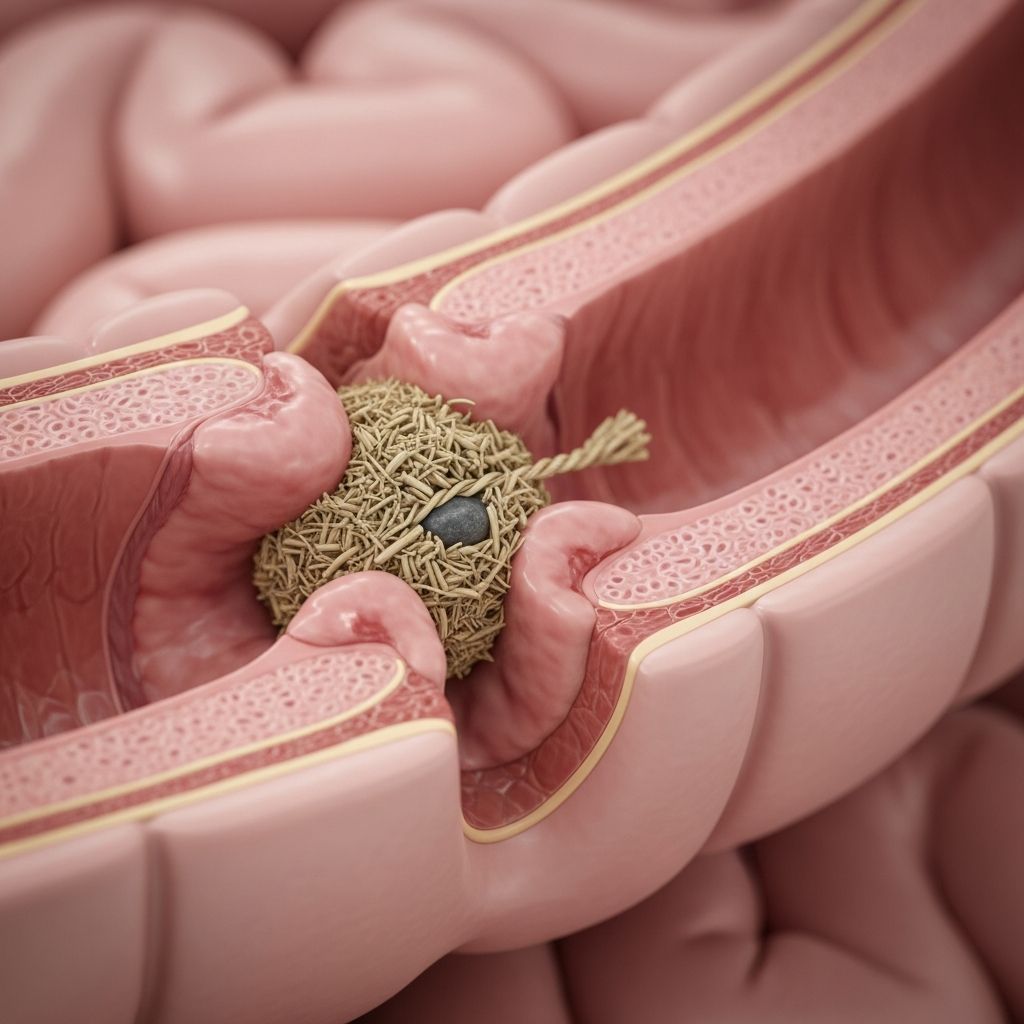
Acute blockages within the digestive system represent some of the most serious medical emergencies affecting large domesticated animals, particularly horses and cattle. When the normal flow of digested material through the intestines becomes compromised—whether partially or completely—the consequences can escalate rapidly from manageable conditions to life-threatening situations requiring immediate veterinary intervention. The underlying mechanisms, clinical presentations, and treatment approaches vary significantly depending on whether the blockage affects the upper or lower portions of the gastrointestinal tract.
The Nature of Digestive System Obstructions
Blockages affecting the intestinal system in large animals fall into two primary categories based on their underlying cause: mechanical obstructions and functional obstructions. Mechanical blockages occur when a physical barrier—such as feed material becoming impacted, foreign objects lodging within the intestinal lumen, or sections of intestine twisting upon themselves—prevents the passage of ingested material. Functional obstructions, by contrast, result from a loss of normal muscular contractions that propel material through the digestive tract, even in the absence of any physical blockage.
The distinction between these two types carries significant clinical importance, as each requires different diagnostic approaches and treatment strategies. Large animals, particularly ruminants such as cattle, possess unique physiological characteristics that influence how their bodies respond to obstructive conditions. Their extensive forestomach compartments and fermentative digestive processes create distinctive patterns of gas accumulation and fluid shifts that differ markedly from the responses seen in monogastric species.
How Blockages Develop in the Large Intestine
When obstruction affects the large intestinal segment, several pathophysiological changes occur simultaneously. The inability of material to progress normally through the colon results in the accumulation of gas and feed particles within the intestinal lumen. This backup of material leads to progressive abdominal distension, as gas production continues while normal exit routes remain blocked. Unlike obstructions in the upper gastrointestinal tract, large intestinal blockages typically produce less dramatic systemic illness, though they remain serious conditions requiring intervention.
The clinical presentation of large intestinal obstruction differs substantially from upper gastrointestinal blockages. Affected animals demonstrate decreased fecal output with notably dry, firm stool balls that may become progressively smaller as the obstruction persists. The accumulation of dried fecal material in contact with the colonic mucosa for extended periods may result in a characteristic mucus coating on expelled feces. Dehydration typically remains mild to moderate in most cases, and the acid-base disturbances and electrolyte abnormalities that characterize upper tract obstructions are generally absent.
Distinguishing Upper from Lower Tract Blockages
The clinical presentation and severity of intestinal obstruction vary considerably depending on whether the blockage affects the proximal or distal portions of the gastrointestinal tract. Understanding these differences proves essential for proper diagnosis and appropriate therapeutic selection.
| Feature | Upper GI Obstruction | Lower GI Obstruction |
|---|---|---|
| Vomiting/Reflux | Commonly observed | Rarely observed |
| Abdominal Appearance | Often normal or mild distension | Marked bloating and distension |
| Fecal Characteristics | Scant, minimal output | Dry, small fecal balls |
| Hydration Status | Moderate to severe dehydration | Normal to slight dehydration |
| Electrolyte Changes | Low chloride, acid-base disturbances | Minimal abnormalities |
| Systemic Illness | Severe, rapid progression | Mild to moderate severity |
Upper gastrointestinal obstructions produce more severe systemic manifestations because of the large volume of secretions continuously produced by the stomach and small intestine. These secretions accumulate proximal to the blockage, leading to significant fluid and electrolyte losses into the intestinal lumen rather than into systemic circulation. The result is profound dehydration, metabolic alkalosis from loss of gastric acid, and critical electrolyte derangements. Animals with such obstructions typically demonstrate signs of severe illness and decline rapidly without intervention.
In contrast, lower intestinal obstruction affects animals less severely because minimal fluid secretion occurs in the colon. The primary problem becomes mechanical—the inability of fecal material to exit the system—rather than the massive fluid and electrolyte losses characteristic of proximal obstructions. This fundamental difference explains why some large intestinal obstructions may respond to conservative medical management, whereas upper tract blockages almost universally require surgical intervention.
Clinical Recognition of Obstructive Conditions
Identifying intestinal obstruction in large animals requires careful observation of behavioral changes and physical examination findings. The earliest signs often appear subtle but progress with increasing urgency if the obstruction remains unrelieved.
- Abdominal pain and discomfort: Animals may demonstrate restlessness, frequent shifting of weight between limbs, rolling or attempts to lie down, and sensitivity to abdominal palpation
- Altered defecation patterns: Significantly reduced fecal output or complete cessation of defecation becomes apparent relatively quickly
- Visible abdominal distension: Progressive bloating of the abdomen becomes increasingly obvious, particularly in the ventral and lateral aspects
- Changes in appetite and demeanor: Most animals become reluctant to eat or drink, demonstrating listlessness or withdrawal
- Gastrointestinal signs: Some animals may experience reflux or vomiting, particularly with upper tract involvement
- Postoperative complications: Horses recovering from small intestinal surgery may develop functional obstruction (postoperative ileus) characterized by similar clinical signs
Diagnostic Approaches for Large Animals
Establishing a definitive diagnosis of intestinal obstruction in large animals involves systematic evaluation combining clinical history, physical examination, and diagnostic imaging. The diagnostic strategy differs between small and large animal species due to anatomical and physiological differences.
For large animals, the physical examination provides valuable initial diagnostic information. Rectal palpation—performed carefully by an experienced veterinarian—allows direct assessment of colonic contents and identification of impactions or abnormalities. The character of feces in the rectum, the size and tone of the colon, and the presence of distension all provide important clues. Abdominal contour assessment helps localize likely sites of distension. In cattle, the unique anatomy permits unilateral distension patterns that help identify which anatomical structure is affected, whereas bilateral distension typically indicates more generalized obstruction.
Diagnostic imaging complements physical examination findings. Radiographic evaluation may reveal gas patterns, feed material accumulation, and the extent of abdominal distension. Abdominal ultrasound provides superior visualization of intestinal wall thickness, motility patterns, and fluid accumulation. Response to initial therapeutic intervention also serves as a diagnostic tool—many cases of equine colic represent functional obstruction or feed impaction that resolves with appropriate medical management, guiding decisions about whether more extensive diagnostic evaluation is necessary.
Cattle presenting with abdominal distension require careful evaluation to differentiate primary ruminal bloat from true intestinal obstruction. The location and character of distension, combined with physical examination findings, help distinguish these conditions. Horses with colic often have primary gas distension (functional obstruction) or pelvic flexure feed impactions, and treatment response frequently confirms these presumptive diagnoses without requiring invasive diagnostics.
Medical Management Strategies
Treatment approaches for intestinal obstruction in large animals depend on the location and nature of the blockage, the animal’s systemic condition, and the likelihood of response to medical intervention. Conservative medical management proves appropriate for many large intestinal obstructions, whereas upper tract blockages almost universally require surgical exploration.
Therapeutic agents used in managing large intestinal obstruction include:
| Medication Category | Examples | Mechanism of Action |
|---|---|---|
| Lubricants | Mineral oil | Reduce friction and aid passage of impacted material |
| Softening agents | Epsom salt, docusate sodium (DSS) | Increase water content of fecal material for easier passage |
| Bulk formers | Wheat bran, psyllium (Metamucil) | Increase stool volume and promote normal motility patterns |
| Stimulants | Bisacodyl | Enhance intestinal contractions and propulsion |
Medical management of large intestinal obstruction typically begins with conservative approaches. Lubricant administration, often combined with softening agents, helps mobilize impacted material. Supportive care including adequate hydration through water and electrolyte provision maintains systemic homeostasis. Most animals with uncomplicated large intestinal obstruction respond favorably to such approaches within 24-48 hours. However, failure to demonstrate improvement within this timeframe warrants consideration of surgical intervention.
Animals with upper gastrointestinal obstruction require fundamentally different management. The massive ongoing fluid and electrolyte losses demand aggressive intravenous fluid replacement and electrolyte correction before and during any surgical procedure. Surgical exploration to identify and relieve the obstruction becomes necessary in the vast majority of cases, as medical management alone proves inadequate for resolving mechanical blockages in the stomach or small intestine.
Surgical Intervention and Long-Term Outcomes
When obstruction persists despite appropriate medical therapy or when clinical signs suggest a condition unlikely to respond to conservative management, surgical intervention becomes necessary. Exploratory abdominal surgery allows direct visualization of the intestinal tract, identification of the obstruction site, and correction of the underlying problem. In some cases, simple relief of the blockage suffices; in others, damaged or necrotic intestinal segments require removal and re-anastomosis, significantly complicating the surgical procedure and recovery.
The prognosis following surgical correction depends on multiple factors, including the duration of obstruction before intervention, the extent of tissue damage, the anatomical site affected, and the complexity of surgical repair required. Early recognition and prompt intervention substantially improve outcomes, emphasizing the critical importance of immediate veterinary evaluation when obstruction is suspected.
Prevention and Risk Management
While some obstructive conditions occur unpredictably, management practices significantly influence risk. Ensuring adequate water availability, providing forage appropriate to species and age, avoiding sudden dietary changes, and preventing access to foreign materials or inappropriate feedstuffs reduce obstruction incidence. Regular monitoring of defecation patterns and appetite allows early detection of problems before they progress to emergency severity.
References
- Large Intestinal Obstruction – Vet Med: Applied GI Physiology — University of Minnesota Open Textbooks. 2024. https://open.lib.umn.edu/vetphysioapplied/chapter/li-obstruction/
Similar Articles








Read full bio of Sneha Tete


