

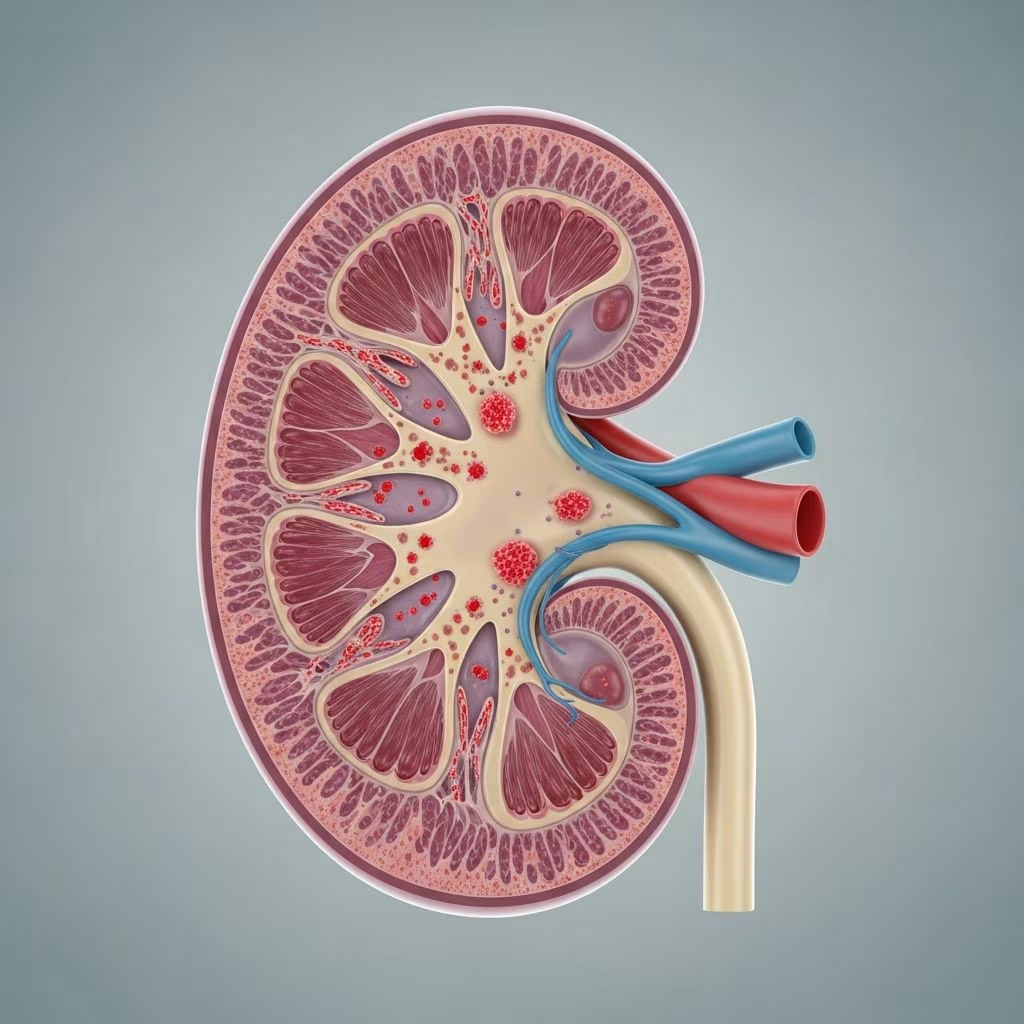
Interstitial nephritis represents a significant renal disorder in dogs, characterized by inflammation within the kidney’s interstitial tissue, often progressing to chronic kidney disease (CKD). This condition typically affects older dogs and manifests through subtle initial symptoms that escalate over time.
Understanding the Kidney’s Role and Nephritis Impact
The kidneys in dogs are vital organs responsible for filtering waste, regulating fluids, and maintaining electrolyte balance. Interstitial nephritis targets the spaces between renal tubules and glomeruli, leading to scarring and loss of functional tissue. Over time, this results in azotemia, where nitrogenous wastes accumulate in the blood.
Unlike acute injuries, this form is insidious, with dogs compensating through remaining healthy nephrons until advanced stages. Geriatric dogs are predisposed due to cumulative insults from prior infections or toxins.
Primary Causes and Risk Factors
The etiology of interstitial nephritis is frequently idiopathic, but identifiable triggers include infectious agents and insults. Bacterial ascent from the lower urinary tract can initiate pyelonephritis, evolving into interstitial changes. Leptospirosis, a spirochetal infection from contaminated water, is a notable culprit, causing direct renal cell damage.
Viral agents like canine adenovirus-1 have been implicated historically, though less commonly today due to vaccination. Parasitic infestations, such as Capillaria plica from earthworm ingestion or rare giant kidney worms (Dioctophyma renale), contribute by invading renal parenchyma.
- Infectious origins: Leptospirosis, pyelonephritis bacteria.
- Parasitic: Kidney worms via intermediate hosts like frogs or fish.
- Other risks: Chronic dehydration, dental disease, or prior cystitis episodes predisposing to scarring.
Any substantial prior renal trauma can precipitate progressive fibrosis, underscoring the importance of early intervention in urinary issues.
Recognizing Clinical Signs
Early detection hinges on observing behavioral changes. Dogs often present with polyuria/polydipsia (PU/PD), where increased thirst drives excessive urination as kidneys lose concentrating ability.
Progressive signs include weight loss, lethargy, and anorexia, signaling uremic syndrome. Abdominal pain, hunching, foul-smelling urine, hematuria, and vomiting emerge as inflammation worsens.
| Early Symptoms | Advanced Symptoms |
|---|---|
| Excessive thirst and urination | Lethargy, anorexia |
| Mild weight loss | Vomiting, fever |
| Discolored urine | Abdominal pain, seizures |
In end-stage disease, anemia from reduced erythropoietin, hypertension, and electrolyte imbalances compound issues, potentially leading to coma. Owners should monitor water intake and weekly weights closely.
Diagnostic Approaches
Diagnosis requires excluding other nephropathies like glomerulonephritis or urolithiasis. Initial bloodwork reveals elevated creatinine, BUN, and phosphorus, with low urine specific gravity confirming poor concentration.
Urinalysis detects proteinuria, casts, or bacteria. Imaging via ultrasound identifies structural changes, while biopsy provides definitive histopathology, showing interstitial fibrosis and inflammation.
- Blood tests: Azotemia, anemia markers.
- Urine analysis: Proteinuria, infection indicators.
- Advanced: Renal biopsy for confirmation.
Treatment Strategies and Management
No cure exists for established interstitial nephritis; therapy focuses on slowing progression and symptom palliation. Fluid therapy—IV or subcutaneous—corrects dehydration and promotes diuresis.
Dietary modification is cornerstone: low-protein, low-phosphorus renal diets reduce waste load and uremic toxins. Phosphate binders and antihypertensives manage secondary complications.
For infectious causes, antibiotics target pyelonephritis or leptospirosis. Antiparasitics eliminate worms if present. In severe uremia, dialysis offers temporary relief, though availability is limited.
Supportive Care Essentials
- Renal diets to control protein/phosphorus.
- Fluid supplementation.
- Medications for nausea, anemia (e.g., erythropoietin analogs).
- Blood pressure control to prevent further damage.
Prognosis and Long-Term Outlook
Prognosis varies by stage at diagnosis. Early intervention extends life, with many dogs surviving years on management. End-stage disease carries poor prognosis, with euthanasia often considered for quality of life.
Regular monitoring via bloodwork and urinalysis tracks progression. Owners play a key role in adherence to diet and meds.
Prevention Tips for Dog Owners
Vaccinate against leptospirosis, especially for dogs in endemic areas. Promptly treat urinary infections and maintain dental hygiene to avert ascending issues.
Avoid toxins like antifreeze, and ensure hydration. Routine senior wellness exams facilitate early detection.
Frequently Asked Questions (FAQs)
What is the most common age for interstitial nephritis in dogs?
It predominantly affects geriatric dogs, with gradual onset leading to CKD.
Can interstitial nephritis be reversed?
Once chronic scarring occurs, it is irreversible, but progression can be slowed.
Is leptospirosis a frequent cause?
Yes, it is a key infectious trigger, preventable via vaccination.
How do I know if my dog has kidney problems?
Watch for PU/PD, weight loss, and appetite changes; consult a vet promptly.
What diet is best for affected dogs?
Prescription renal diets low in protein and phosphorus.
Emerging Research and Considerations
Recent studies emphasize multifactorial pathogenesis, with immune-mediated components in some cases. Ongoing research into regenerative therapies holds promise, though supportive care remains standard.
Pet owners should partner with veterinarians for tailored plans, considering breed predispositions like in smaller breeds.
References
- Chronic interstitial nephritis in Dogs (Canis) — Vetlexicon. Accessed 2026. https://www.vetlexicon.com/canis/urinary/articles/chronic-interstitial-nephritis/
- Kidney Infections & Problems in Dogs — Bruceville Veterinary Clinic. 2022-06-16. https://www.brucevilleph.com/site/blog/2022/06/16/kidney-infection-problems-dogs
- Kidney Disease & Infections in Dogs — Rancho Veterinary Hospital. 2024-06-15. https://www.ranchovet.com/site/blog/2024/06/15/kidney-disease-infections-dogs
- Kidney (Renal) Disease in Dogs: Causes, Symptoms & Treatment — Long Beach Animal Hospital. Accessed 2026. https://lbah.com/canine/kidney-disease-chronic-renal-failure-in-dogs/
- INTERSTITIAL NEPHRITIS IN DOGS — CABI Digital Library. Accessed 2026. https://www.cabidigitallibrary.org/doi/pdf/10.5555/20133229690



