

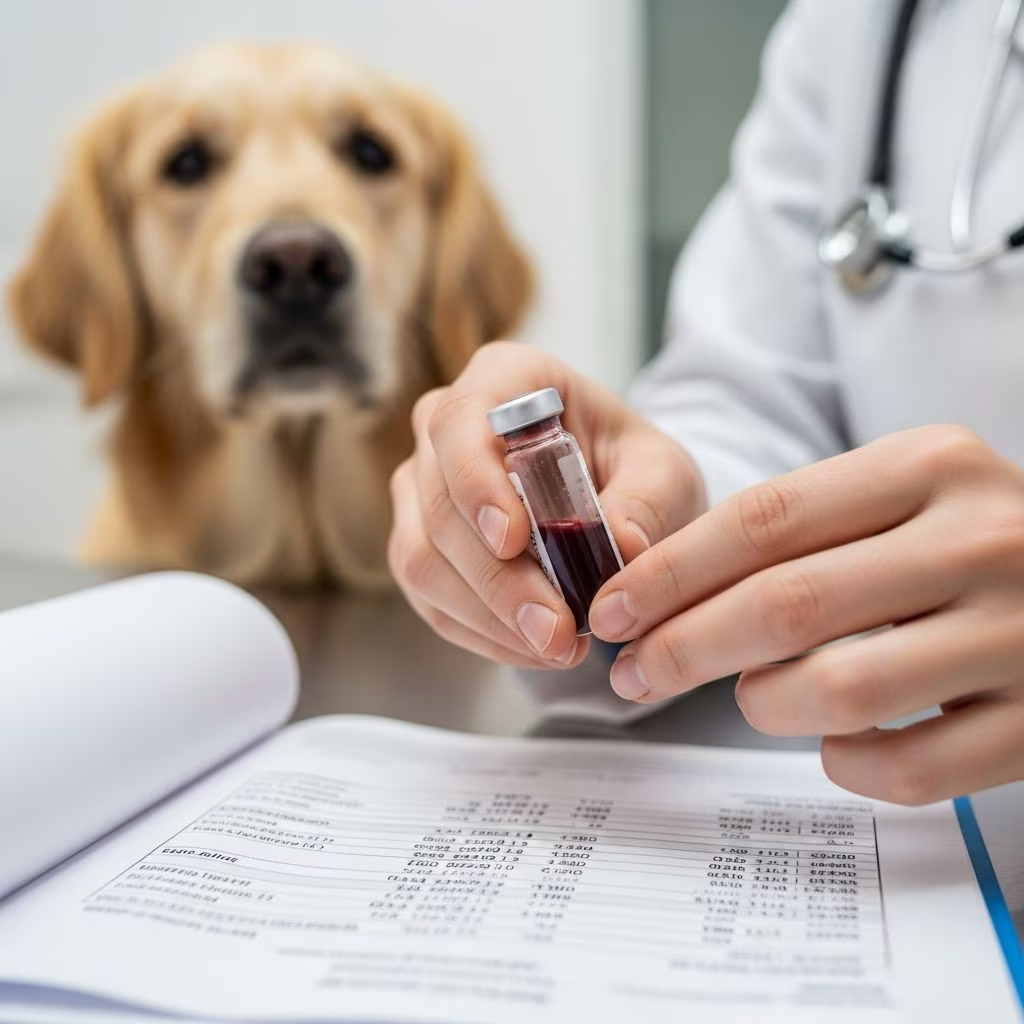
When your veterinarian recommends blood work for your dog, it often feels overwhelming to receive a report filled with abbreviations and numeric values. Understanding what these tests measure and what the results indicate is essential for making informed decisions about your pet’s healthcare. Blood tests serve as a critical diagnostic tool that provides objective information about your dog’s internal health status, revealing everything from hydration levels to organ function and immune system response.
The Two Main Categories of Canine Blood Testing
Veterinarians typically order two primary types of blood tests to assess your dog’s wellbeing: the Complete Blood Count (CBC) and the blood chemistry panel. These tests work together to create a comprehensive picture of your dog’s physiological state. The CBC focuses on the cellular components of blood, while the chemistry panel evaluates the chemical markers that indicate how well specific organs are functioning.
Understanding the distinction between these test categories helps you recognize why your veterinarian may recommend one or both. The CBC is often performed as a screening tool during routine wellness visits, while the chemistry panel becomes particularly valuable when evaluating older dogs, animals experiencing gastrointestinal distress, or those about to undergo anesthesia.
Decoding Complete Blood Count (CBC) Results
The CBC measures the quantity and characteristics of three primary cell types found in blood: red blood cells, white blood cells, and platelets. Each component provides distinct information about different aspects of your dog’s health.
Red Blood Cell Measurements
Red blood cells carry oxygen throughout your dog’s body, making their measurement crucial for detecting anemia and assessing hydration status. Several values work together to evaluate red blood cell health:
- Hematocrit (HCT) represents the percentage of red blood cells in your dog’s total blood volume. Lower values may indicate anemia or blood loss, while elevated levels could suggest dehydration.
- Hemoglobin (Hb) is the oxygen-carrying protein within red blood cells. This value directly correlates with hematocrit, as hemoglobin levels increase or decrease proportionally with red blood cell numbers.
- Mean Corpuscular Hemoglobin Concentration (MCHC) measures the concentration of hemoglobin within individual red blood cells. Abnormal values may indicate that red blood cells are not carrying oxygen as efficiently as they should.
- Mean Cell Volume (MCV) indicates the average size of red blood cells. Larger than normal cells may appear during regenerative responses to anemia, while smaller cells could indicate chronic blood loss or iron deficiency.
- Reticulocytes (RETICS) are immature red blood cells that indicate your dog’s bone marrow is actively producing new blood cells. Elevated reticulocyte counts suggest the body is attempting to compensate for blood loss or destruction.
White Blood Cell and Immune System Indicators
White blood cells form the foundation of your dog’s immune defense system. The CBC evaluates both the total white blood cell count and the specific types of white blood cells present:
- White Blood Cell Count (WBC) measures the total number of infection-fighting cells. Elevated counts may indicate infection, stress, or certain diseases, while decreased counts could suggest bone marrow problems or immune system compromise.
- Granulocytes and Lymphocytes/Monocytes (GRANS and L/M) are specific white blood cell types that perform different immune functions. The ratio between these cell types helps veterinarians identify the type of infection or immune challenge your dog may be facing.
- Eosinophils (EOS) are white blood cells that increase in response to allergic reactions or parasitic infections. Finding elevated eosinophils may prompt your veterinarian to investigate allergies or recommend parasite screening.
Blood Clotting Capacity
Platelets and fibrinogen are essential for stopping bleeding and forming blood clots. The CBC assesses both components:
- Platelet Count (PLT) measures the cells responsible for forming blood clots. Low platelet counts may increase bleeding risk, while very high counts could indicate inflammation or certain diseases.
- Fibrinogen (FIBR) is a protein critical for the clotting cascade. This measurement provides additional information about your dog’s blood clotting ability and may be evaluated when bleeding problems are suspected.
Analyzing Blood Chemistry Panel Results
The blood chemistry panel evaluates chemical markers that reflect organ function and metabolic processes. This comprehensive panel typically includes dozens of individual measurements, but several key values appear most frequently in veterinary reports.
Liver Function Markers
The liver performs numerous vital functions including detoxification, protein production, and nutrient processing. Several enzymes and proteins indicate liver health:
- Alanine Aminotransferase (ALT) is an enzyme found primarily in liver cells. Elevated ALT levels indicate active liver damage, though this test does not identify the underlying cause.
- Aspartate Aminotransferase (AST) appears in liver, heart, and skeletal muscle cells. Increased AST may suggest liver damage but could also indicate cardiac or muscle injury.
- Alkaline Phosphatase (ALKP) elevation may signal liver damage, Cushing’s disease, or active bone growth in young dogs. This enzyme is particularly important in aging canines.
- Gamma-glutamyl Transferase (GGT) indicates liver disease or corticosteroid excess. This enzyme helps identify specific types of liver abnormalities.
- Total Bilirubin (TBIL) reflects the liver’s ability to process and excrete bile. Elevated levels may indicate liver disease or hemolytic conditions where red blood cells are being destroyed.
- Total Protein (TP) includes albumin and globulins produced by the liver. This measurement reveals information about liver function, kidney health, and immune status.
- Albumin (ALB) is a serum protein synthesized by the liver. Decreased albumin may result from liver disease, gastrointestinal disease, or kidney problems.
Kidney Function Indicators
The kidneys filter waste products from the bloodstream and maintain electrolyte balance. Key kidney markers include:
- Blood Urea Nitrogen (BUN) is a nitrogen-containing compound produced when the liver metabolizes protein. Elevated BUN may indicate kidney dysfunction, dehydration, heart disease, shock, or urinary obstruction.
- Creatinine (CREA) results from normal muscle cell breakdown and is filtered by healthy kidneys. Increased creatinine levels directly correlate with reduced kidney filtration capacity.
Pancreatic Health Assessment
Two enzyme measurements specifically evaluate pancreatic function:
- Amylase (AMYL) elevation may indicate pancreatitis or kidney disease.
- Lipase (LIP) is an enzyme that increases with pancreatitis. This measurement helps identify inflammation of the pancreas.
Blood Sugar and Metabolic Markers
Several values reflect your dog’s metabolic state and endocrine function:
- Glucose (GLU) represents blood sugar levels. Elevated glucose may indicate diabetes mellitus, while dangerously low levels can cause collapse, seizures, or coma.
- Cholesterol (CHOL) supplementary testing helps diagnose hypothyroidism, liver disease, Cushing’s disease, and diabetes mellitus.
- Thyroxine (T4) is a thyroid hormone, and decreased levels often signal hypothyroidism in dogs.
Understanding Electrolyte and Mineral Values
Electrolytes maintain cellular function, nerve transmission, and muscle contraction. The chemistry panel typically includes several critical electrolyte measurements:
| Electrolyte | Primary Function | High Levels May Indicate | Low Levels May Indicate |
|---|---|---|---|
| Sodium (Na) | Fluid balance and nerve function | Dehydration | Addison’s disease, kidney disease, vomiting or diarrhea |
| Potassium (K) | Cardiac and muscle function | Kidney failure, Addison’s disease, dehydration, urethral obstruction | Vomiting, diarrhea, excessive urination |
| Chloride (Cl) | Acid-base balance | Dehydration | Vomiting, Addison’s disease |
| Calcium (Ca) | Bone health, muscle contraction | Tumors, hyperparathyroidism | Kidney disease, low albumin |
| Phosphorus (PHOS) | Bone metabolism | Kidney disease, hyperthyroidism, bleeding disorders | Hyperparathyroidism, malabsorption |
Protein and Immune System Markers
Two protein measurements provide insights into liver function and immune status:
- Albumin (ALB) constitutes the majority of serum protein and indicates hydration status, hemorrhage risk, and the presence of intestinal, liver, or kidney disease.
- Globulin (GLOB) is a blood protein that often increases with chronic inflammation and certain disease states. Decreased globulin may indicate blood loss, gastrointestinal disease, or immune deficiencies.
When Should You Be Concerned About Abnormal Results?
Abnormal blood test values do not automatically indicate serious illness. Many conditions can produce similar changes in blood work, and your veterinarian must consider the complete clinical picture including your dog’s symptoms, physical examination findings, and medical history. However, certain results warrant prompt investigation:
- Severely elevated or decreased white blood cell counts
- Very low hematocrit indicating significant anemia
- Markedly elevated liver or kidney enzyme values
- Dangerously high or low electrolyte levels
- Glucose levels outside the normal range
- Abnormal clotting times
Frequently Asked Questions About Canine Blood Tests
How often should my dog have blood work performed?
Healthy adult dogs typically benefit from baseline blood work during wellness visits. Senior dogs (ages 7 and older) often require annual or semi-annual screening to detect age-related changes early. Dogs with chronic conditions or those receiving long-term medications need more frequent monitoring.
Why would my veterinarian recommend fasting before blood work?
Fasting ensures accurate glucose and lipid measurements, as eating can temporarily elevate these values and produce misleading results that might suggest diabetes or metabolic disorders when none exist.
What does it mean if my dog’s results are “within normal limits”?
Normal ranges vary between laboratories and testing methods. A “within normal limits” result indicates your dog’s values fall within the reference range established for that particular laboratory, suggesting no significant abnormalities in that measured parameter.
Can I compare my dog’s current blood work to previous results?
Yes, comparing results over time provides valuable information about trends in your dog’s health. Sometimes gradual changes matter more than a single abnormal value, as they may indicate slowly progressive disease.
What should I do if my dog’s blood work shows abnormalities?
Discuss the results thoroughly with your veterinarian. Request clarification about which values are abnormal, what they suggest, and whether additional diagnostics like ultrasound or specialized testing might be recommended.
Conclusion: Empowering Informed Pet Care Decisions
Blood tests represent one of the most valuable diagnostic tools available in veterinary medicine, transforming invisible biological processes into measurable, interpretable data. While the terminology and numbers may seem intimidating initially, understanding what these tests measure enables you to partner more effectively with your veterinarian in maintaining your dog’s health. By becoming familiar with common values and what they indicate, you’re better positioned to recognize when results suggest concern and to engage in meaningful conversations about your dog’s care and treatment options.
References
- Laboratory Blood Tests for Dogs — The Drake Center. https://www.thedrakecenter.com/services/dogs/laboratory-blood-tests
- Understanding Your Dog’s Blood Test Results — Villa Rica Veterinary Hospital. 2023-03-30. https://www.vranimals.com/site/blog/2023/03/30/understanding-your-dogs-blood-test-results
- The ABCs of Dog Blood Work: What Those Results Really Mean — American Animal Hospital Association (AAHA). https://www.aaha.org/resources/the-abcs-of-dog-blood-work-what-those-results-really-mean/
- Understanding Your Pet’s Lab Tests — Washington State University Veterinary Teaching Hospital. 2022-01-12. https://hospital.vetmed.wsu.edu/2022/01/12/understanding-your-pets-lab-tests/
- Understanding Your Pet’s Diagnostic Testing — Veterinary diagnostic information resource. https://vetclinicmission.com/wp-content/uploads/2017/12/Understanding-Your-Pets-Diagnostic-Testing.pdf
- Understanding Blood Tests for Dogs — Brucevilleph Veterinary Services. 2023-10-30. https://www.brucevilleph.com/site/blog/2023/10/30/understanding-blood-tests-dogs
- Complete Blood Count and What It Means — Morris Animal Foundation. https://www.morrisanimalfoundation.org/article/science-101-complete-blood-count-and-what-it-means



