

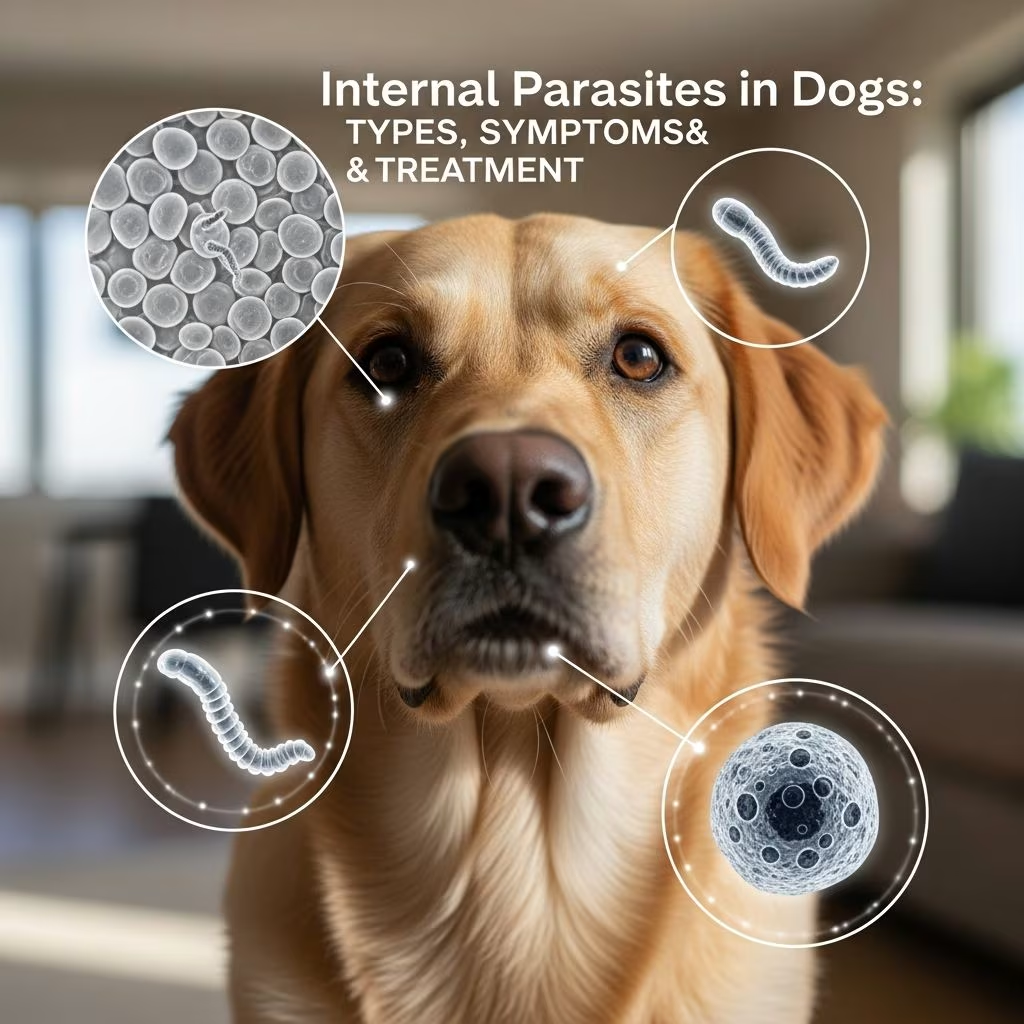
Internal Parasites in Dogs: A Comprehensive Guide
Internal parasites are a significant health concern for dog owners worldwide. These parasitic infections can affect dogs of all ages and breeds, ranging from mild infections with no visible symptoms to severe conditions that can compromise your pet’s overall health and wellbeing. Understanding the different types of internal parasites, recognizing warning signs, and knowing how to prevent and treat these infections is essential for maintaining your dog’s optimal health. This guide provides detailed information about the most common internal parasites found in dogs and practical steps for protection and treatment.
Types of Internal Parasites in Dogs
Several types of internal parasites can infect dogs, each with distinct characteristics and health impacts. The most common intestinal parasites include roundworms, hookworms, whipworms, tapeworms, and heartworms. Understanding each type helps pet owners recognize infections early and seek appropriate treatment.
Roundworms
Roundworms are among the most frequently encountered internal parasites in dogs. These parasites belong to the species Toxocara canis and Toxascaris leonina and live freely in the intestines of infected dogs. Unlike some parasites, roundworms do not require an intermediate host to spread from dog to dog. Instead, they transmit through ingestion of eggs passed in the feces of infected animals.
Growing puppies infected with multiple roundworms often experience stunted growth, serious digestive upset, and excessive gas formation. Affected puppies frequently display a characteristic pot-bellied appearance. Adult dogs may show fewer symptoms but can still harbor significant worm populations.
Hookworms
Hookworms represent a serious threat to canine health, particularly in young animals. These parasites attach to the intestinal wall and feed on the host’s blood, potentially causing anemia and internal bleeding. Hookworm infections can be especially severe in puppies and young dogs with developing immune systems.
The severity of hookworm infections varies depending on the parasite burden and the dog’s overall health status. Light infections may produce minimal symptoms, while heavy infections can cause life-threatening complications requiring veterinary intervention.
Whipworms
Whipworms affect dogs exclusively and represent one of the most harmful internal parasites. This parasite, scientifically known as Trichuris vulpis, develops through a longer timeline than other intestinal worms. Eggs shed in feces require four to eight weeks to become infective before another dog can contract the infection.
Whipworm diagnosis requires careful examination since eggs pass intermittently in feces, often necessitating multiple fecal tests before confirmation. Treatment involves oral or injectable medications administered at three to twelve-week intervals depending on infection severity. Some dogs require hospitalization for management of dehydration, malnutrition, and secondary infections.
Tapeworms
Tapeworms consist of several species affecting dogs, including Dipylidium caninum, Taenia species, and Echinococcus species. These parasites typically infect adult dogs and cause minimal problems in most cases. However, puppies occasionally become infected and can develop intestinal blockage if the worm population becomes excessive.
Tapeworms require intermediate hosts such as small rodents and rabbits for their life cycle completion. Dogs become infected by consuming these intermediate hosts or, in the case of Dipylidium caninum, through flea ingestion. Pet owners may observe tapeworm segments in feces or around the dog’s anus, appearing as rice-like particles.
Heartworms
Heartworms, caused by Dirofilaria immitis, represent a particularly dangerous parasite transmitted through mosquito bites. Unlike intestinal parasites, heartworms lodge in the heart and blood vessels, potentially causing life-threatening complications. This parasite requires special prevention strategies beyond standard deworming protocols.
Recognizing Internal Parasite Symptoms
Identifying internal parasite infections early enables prompt treatment and prevents complications. Symptoms vary depending on the parasite type, infection severity, and the dog’s age and health status.
Common Symptoms Across Parasite Types
Dogs infected with internal parasites may display various clinical signs:
- Diarrhea, sometimes containing blood
- Vomiting
- Weight loss and poor growth
- Poor coat appearance and dull fur
- Abdominal swelling or distension
- Lethargy and reduced activity levels
- Loss of appetite
- Anemia and weakness
- Dehydration
Parasite-Specific Symptoms
Roundworms: Infected puppies frequently display a pot-bellied appearance despite poor nutritional status. Vomiting and diarrhea commonly occur, along with lethargy and slow growth.
Hookworms: These parasites cause anemia and bloody diarrhea, with severe infections potentially proving fatal. Young animals experience more severe symptoms than adults.
Whipworms: Infections produce variable symptoms ranging from none in light infections to severe watery diarrhea, vomiting, and marked weight loss in heavy infestations.
Tapeworms: Dogs may scoot their hindquarters along the ground and lose weight, though many infected animals show no observable symptoms.
Heartworms: Infected dogs develop coughing, fatigue, weight loss, and potentially heart failure in advanced stages.
Other Parasitic Infections
Beyond the primary intestinal parasites, dogs can develop infections from Giardia, which causes vomiting and diarrhea. Some parasites produce localized symptoms; for example, ear mites cause intense itching and head shaking.
Diagnosing Internal Parasite Infections
Accurate diagnosis is crucial for determining appropriate treatment protocols. Veterinarians employ several diagnostic methods depending on suspected parasite types.
Fecal Flotation
Hookworm, roundworm, and whipworm infections are generally diagnosed using fecal flotation, where a small stool sample is mixed with a special solution that causes parasite eggs to float to the top for microscopic examination. This non-invasive technique remains the standard diagnostic method for most intestinal parasites.
Visual Inspection
Tapeworm detection often involves observing segments (proglottids) on feces or around the dog’s anus, appearing as rice-like particles. This visible evidence provides immediate confirmation without laboratory analysis.
Blood Tests
Heartworm diagnosis requires specific blood tests that detect parasite antigens or microfilariae. These tests are essential since heartworms cannot be detected through fecal examination.
Multiple Testing
Certain parasites like whipworms may require multiple fecal examinations because eggs pass intermittently, potentially allowing single tests to miss infections.
Treatment Options for Internal Parasites
Prompt treatment should be started when any intestinal parasites are detected. Treatment approaches vary depending on parasite type and infection severity.
Deworming Medications
The most common treatment for parasites involves liquid dewormers or pills. Pyrantel, a yellow liquid, is commonly used for treating most parasitic infections. Treatment types depend on the specific parasite involved, with some requiring pills or different liquid formulations. These treatments are typically easy to administer and have short-lived effects.
Treatment Intervals
Most parasites have life cycles of three to four weeks, allowing monthly preventative medications to effectively prevent and treat infections. Specific parasites require tailored treatment schedules:
- Roundworms: Oral medication given at two to four-week intervals
- Whipworms: Oral or injectable medication given at three to twelve-week intervals depending on severity
- Tapeworms: Variable treatment based on species and infection severity
- Heartworms: Monthly preventatives rather than curative treatments
Comprehensive Parasite Products
Modern veterinary medicine offers combination products providing broad-spectrum parasite protection. These products may contain multiple active ingredients targeting various parasite types in single applications, simplifying prevention protocols for pet owners.
Severe Infection Management
Dogs with severe infections may require hospitalization for management of complications including dehydration, malnutrition, and secondary infections. Supportive care becomes essential during treatment of severe whipworm or other significant parasite burdens.
Prevention Strategies for Internal Parasites
Preventing parasite infections is more effective and cost-efficient than treating established infections. Multiple prevention strategies work together to protect your dog.
Routine Deworming Programs
Puppies should be dewormed on multiple occasions during the first six months of life. Periodic, routine deworming may be appropriate for dogs at risk of reinfection. Mothers should receive treatment prior to giving birth to reduce transmission to puppies.
Heartworm Prevention
Heartworm prevention requires proactive administration of monthly preventatives that stop disease before infection occurs. You can prevent heartworm by using a heartworm preventive and minimizing exposure to mosquitoes by using FDA- or EPA-approved insecticides designed for dogs. Many heartworm preventives also protect against certain intestinal worms.
Flea and Tick Control
Flea control is important for preventing tapeworms, as certain tapeworm species transmit through flea ingestion. Comprehensive flea prevention eliminates a significant transmission pathway for tapeworms.
Environmental Management
Maintaining clean living environments and minimizing dogs’ exposure to potentially infected areas reduces parasite transmission risk. Eggs are susceptible to drying out, so maintaining cleanliness and eliminating moist areas helps reduce infection likelihood.
Preventing Access to Intermediate Hosts
Preventing access to prey animals such as rodents and rabbits reduces tapeworm reinfection risk for hunting dogs. Controlling hunting behavior and outdoor supervision helps eliminate exposure to infected prey.
When to Consult Your Veterinarian
Pet owners should contact their veterinarian if their dog displays any signs of internal parasite infection. Immediate veterinary consultation is essential if dogs experience severe symptoms such as bloody diarrhea, persistent vomiting, significant weight loss, or signs of anemia.
Your veterinarian can recommend the most appropriate parasite control program for your dog based on lifestyle, geographic location, and individual risk factors. Regular wellness check-ups allow veterinarians to perform routine fecal examinations even before symptoms develop, enabling early detection and treatment.
Frequently Asked Questions About Internal Parasites
Q: Can internal parasites transmit to humans?
A: Some parasites can transmit to humans, though transmission risk varies by parasite type. Roundworms pose the greatest transmission risk to humans, particularly young children. Whipworms do not transmit to humans. Proper hygiene practices, including handwashing after contact with dogs and before eating, significantly reduce transmission risk.
Q: How often should my dog be tested for internal parasites?
A: Puppies should undergo fecal examinations multiple times during their first six months. Adult dogs benefit from annual fecal examinations, though dogs with outdoor access or hunting tendencies may require more frequent testing. Discuss appropriate testing frequency with your veterinarian based on your dog’s lifestyle and risk factors.
Q: Are monthly preventatives effective against all internal parasites?
A: Most monthly preventatives protect against roundworms, hookworms, and heartworms. Tapeworms and whipworms typically require separate prevention strategies or additional medications because they are less common. Consult your veterinarian about selecting products that address your dog’s specific parasite risks.
Q: What happens if internal parasites go untreated?
A: Untreated parasite infections can lead to serious complications including severe malnutrition, anemia, intestinal obstruction, and organ damage. Puppies with heavy roundworm infections may experience stunted growth and developmental problems. Heartworm infections can prove fatal without treatment. Prompt treatment prevents these serious complications.
Q: Can my dog get reinfected after treatment?
A: Yes, dogs can become reinfected if parasite exposure continues. Reinfection risk depends on the parasite type, environmental contamination level, and the dog’s exposure to infected animals or intermediate hosts. Ongoing preventative medication and environmental management help reduce reinfection risk.
Q: Should indoor dogs receive parasite prevention?
A: Even indoor dogs should receive parasite prevention. Parasites can enter homes through contaminated shoes, outdoor exposure during walks, or infected prey animals like rodents. Heartworm transmission through mosquitoes can occur even for indoor dogs if mosquitoes enter homes. Your veterinarian can recommend appropriate prevention strategies for your indoor dog’s specific situation.
References
- Internal Parasites in Dogs — VCA Animal Hospitals. Accessed 2025. https://vcahospitals.com/know-your-pet/internal-parasites-in-dogs
- Gastrointestinal Parasites of Dogs — Merck Veterinary Manual. Accessed 2025. https://www.merckvetmanual.com/dog-owners/digestive-disorders-of-dogs/gastrointestinal-parasites-of-dogs
- Intestinal parasites in cats and dogs — American Veterinary Medical Association (AVMA). Accessed 2025. https://www.avma.org/resources-tools/pet-owners/petcare/intestinal-parasites-cats-and-dogs
- Signs of Intestinal Worms in Dogs — HEARTGARD® Plus (ivermectin/pyrantel). Accessed 2025. https://heartgard.com/intestinal-parasites-in-dogs
- Understanding Dog Parasites: 5 Signs To Watch Out For — Central Texas Animal Hospital. Accessed 2025. https://centraltexasanimalhospital.com/dog-parasites/understanding-dog-parasites-5-signs-to-watch-out-for/
- How to Get Rid of Worms in Dogs — PetMD. Accessed 2025. https://www.petmd.com/dog/general-health/evr_dg_intestinal_worms_in_dogs



