

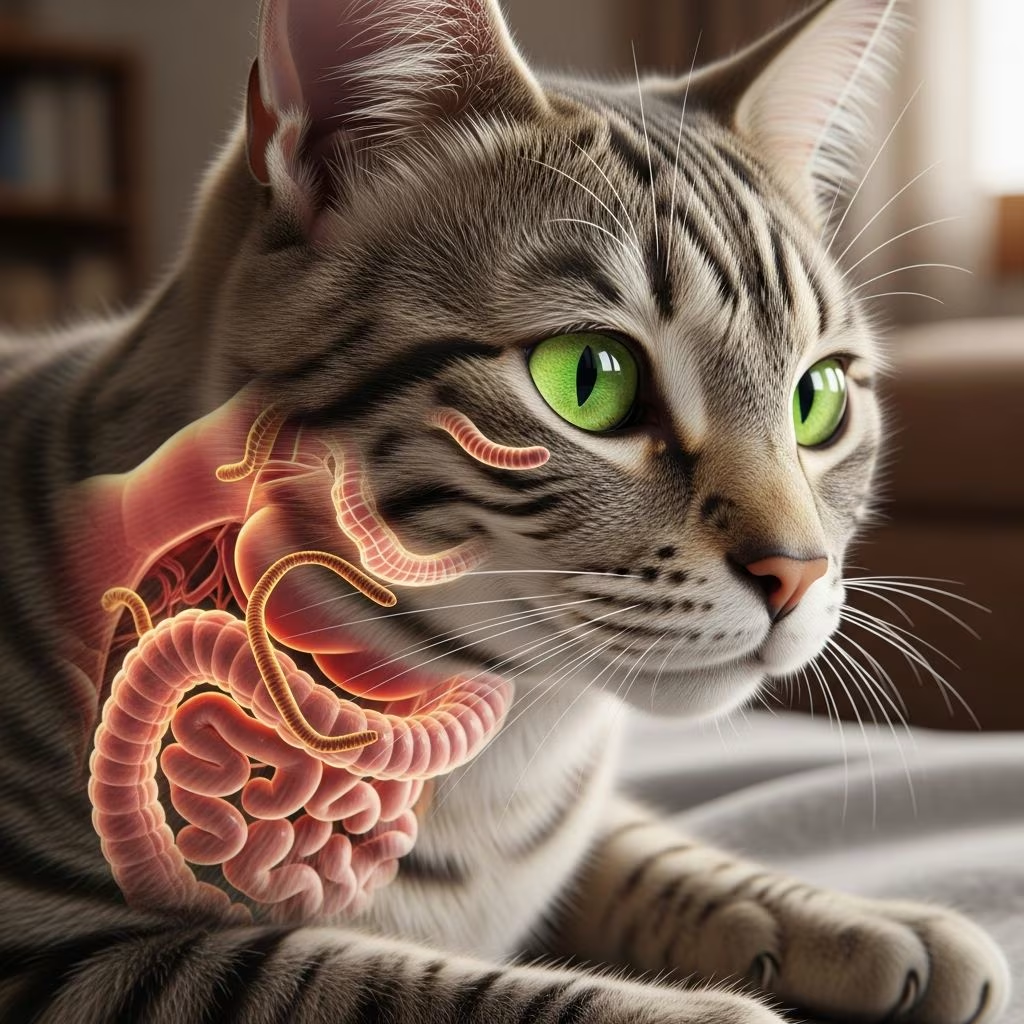
Understanding Internal Parasites in Cats
Internal parasitism is a common health concern affecting cats worldwide, with prevalence rates as high as 45% in some populations. These parasites are organisms that live inside your cat’s body, typically in the digestive tract, and can cause serious health complications if left untreated. Internal parasites differ significantly from external parasites, which primarily affect a cat’s skin and ears. Understanding the types of internal parasites, their symptoms, and available treatment options is essential for maintaining your cat’s health and well-being.
Cats can contract internal parasites through various transmission routes, including contaminated food or water, contact with infected feces, ingestion of infected prey animals, or through their mother’s milk in the case of kittens. Some parasites are more common in certain geographic regions, while others are nearly universal. Prompt identification and treatment are crucial to prevent complications and spread of infection.
Types of Internal Parasites in Cats
Several types of internal parasites can affect cats, each with unique characteristics and transmission methods. Understanding the differences between these parasites helps veterinarians determine the most effective treatment approach.
Roundworms
Roundworms are the most common intestinal parasite found in cats, affecting between 25% to 75% of the feline population, with higher infection rates in kittens. There are two primary species: Toxocara cati and Toxascaris leonina. These parasites are cream-colored and measure three to five inches in length, residing in the cat’s intestine where they feed on ingested food rather than attaching to intestinal walls.
Adult female roundworms produce fertile eggs that pass through the infected cat’s feces into the environment. These eggs require several days to several weeks to develop into the infective larval stage, during which they can contaminate soil and surfaces. Kittens commonly acquire roundworms through their mother’s milk or by ingesting contaminated eggs from the environment. Adult cats may become infected by eating intermediate hosts such as rodents, earthworms, or beetles.
Tapeworms
Tapeworms are cestode parasites that cats typically acquire by ingesting infected fleas or consuming infected prey animals. Common tapeworm species affecting cats include Dipylidium caninum, Taenia species, and Echinococcus species. Most tapeworm infections produce minimal signs in cats, though some animals may experience poor food absorption or diarrhea. One characteristic sign of tapeworm infection is the presence of rice-like segments in the cat’s stool or around the anus, which are actually packets of tapeworm eggs.
Hookworms
Hookworms, scientifically known as Ancylostoma species, are small parasites that attach to the intestinal walls and feed on blood. Unlike roundworms, adult hookworms are rarely visible in feces due to their small size. These parasites can cause significant anemia, particularly in kittens and older cats, as well as nutritional deficiencies. The larvae can penetrate between toe pads and cause skin irritation, leading to discomfort during walking.
Whipworms
Whipworms (Trichuris vulpis) are parasites that primarily affect the colon and can cause chronic diarrhea and weight loss in infected cats. These parasites are less common in cats than in dogs but still represent a significant health concern in certain populations.
Heartworms
Heartworms (Dirofilaria immitis) are transmitted through mosquito bites and can cause serious, potentially life-threatening complications in cats. Unlike in dogs, heartworm infection in cats may not show symptoms until advanced stages of the disease. The severity of infection can vary dramatically, from asymptomatic carriers to sudden death.
Protozoal Parasites
In addition to wormlike parasites, cats can also contract protozoal parasites such as Coccidia and Giardia. These single-celled organisms can cause severe gastrointestinal distress, particularly in young or immunocompromised cats. Giardia is especially notable as a zoonotic parasite that can potentially affect humans in close contact with infected cats.
Symptoms of Internal Parasites
The symptoms of internal parasitism vary considerably depending on the cat’s age, nutritional status, parasite load, duration of infestation, and the specific type of parasite involved. Some cats may show no signs of infection whatsoever, while others can experience severe health complications.
Common Symptoms
The most common symptoms of internal parasitism include:
- Diarrhea (sometimes with mucus or blood)
- Vomiting
- Poor appetite and weight loss
- Lethargy and lack of energy
- Distended or potbellied abdomen
- Dull, poor-quality coat
- Coughing
- Pale mucous membranes indicating anemia
Severe Cases
In severe infections, symptoms can escalate to include:
- Intestinal obstruction from heavy parasite loads
- Respiratory symptoms including pneumonia from larvae migrating through the lungs
- Fever and nasal discharge
- Blood in stool or dark-colored stools
- Dehydration
- Anemia and debilitation
- In heartworm cases: rapid breathing, fainting, seizures, difficulty walking, and sudden death
Asymptomatic Infections
It’s important to note that many cats, particularly those with light parasite loads, may show no symptoms whatsoever. This makes regular veterinary wellness exams and fecal testing essential for early detection and prevention of complications. Internal parasites can also increase a cat’s susceptibility to other diseases, making an otherwise healthy cat more vulnerable to secondary infections.
Diagnosis of Internal Parasites
Accurate diagnosis is crucial for determining the appropriate treatment plan for your cat. Veterinarians employ several diagnostic methods to identify internal parasites.
Fecal Examination
The primary diagnostic tool is microscopic examination of fecal samples. During a fecal float or fecal exam, a veterinarian or laboratory technician looks for parasite eggs, larvae, or other diagnostic stages under a microscope. For hookworm infections, distinctive oval eggs with thin membranes are the key identifying feature. Multiple fecal samples collected over several days may be necessary, as parasite shedding is often intermittent.
Visual Identification
Sometimes parasites or their segments are visible to the naked eye in stool or vomit. Tapeworm segments appear as rice-like pieces, while roundworms may appear as cream-colored strings. If you notice such signs, bring a sample to your veterinarian for confirmation.
Additional Testing
For certain parasites like heartworms, blood tests may be necessary. Cats showing signs of anemia should have fecal exams to rule out parasitic infection as the underlying cause. In some cases, imaging studies or additional laboratory work may be recommended.
Treatment Options
Treatment for internal parasites depends on the specific parasite type, infection severity, and the cat’s overall health status. Most intestinal worms in cats are easily resolved with deworming medication.
Deworming Medications
Thankfully, most intestinal parasites respond well to deworming medications that kill both larvae and adult worms within the intestines. Common dewormers include medications such as Panacur and Drontal, which are available through veterinarians. Some parasites require only a single dose, while others necessitate multiple treatments spaced several weeks apart to eliminate all life stages of the parasite.
Treatment by Parasite Type
Different parasites require different treatment approaches:
- Roundworms and Tapeworms: Typically respond to standard deworming protocols with one to three treatments
- Hookworms: May require longer treatment courses due to their stubborn nature and the need to eliminate migrating larvae
- Coccidia: Treated with sulfa-type medications or sulfa-antibiotic combinations for up to three weeks, though some newer medications require only three days of treatment
- Giardia: Managed with specific antiparasitic medications and supportive care
- Heartworm: Unfortunately, there is no specific medication for treating heartworm disease in cats, as the medication used for dogs is unsafe for felines. Treatment focuses on managing symptoms and stabilizing the animal
Supportive Care
Severely affected kittens or cats may require hospitalization and supportive care, including intravenous fluids and in some cases blood transfusions. Nutritional support is particularly important during recovery, as parasitic infections can deplete essential nutrients.
Post-Treatment Monitoring
After completing treatment, your veterinarian will typically recommend a follow-up fecal examination to confirm that the parasites have been eliminated. This is an important step to ensure treatment success and prevent re-infection.
Prevention of Internal Parasites
Prevention is always preferable to treatment when it comes to internal parasites. Several strategies can help protect your cat from infection.
Monthly Parasite Prevention
The most effective prevention method is using monthly parasite prevention products that kill internal parasites and prevent heartworm infection. These products are available in both oral and topical formulations, such as Revolution and Trifexis, which provide year-round protection when used consistently.
Environmental Management
Maintaining a clean environment is essential for parasite prevention:
- Clean the litter box daily
- Dispose of feces properly to prevent contamination
- Wash food and water bowls regularly
- Prevent access to infected prey animals
- Control flea populations, as fleas can transmit tapeworms
Routine Veterinary Care
Regular wellness visits including annual or semi-annual fecal analysis are crucial, especially for kittens, outdoor cats, and cats in multi-cat households. Early detection of parasites prevents serious complications and reduces transmission risk to other animals.
Good Hygiene Practices
Practicing good hygiene when handling cats or their litter helps prevent zoonotic parasite transmission. Always wash hands thoroughly after cleaning the litter box or handling potentially infected material.
When to Contact Your Veterinarian
If you suspect your cat has internal parasites, contact your veterinarian promptly. Seek immediate veterinary attention if your cat exhibits:
- Severe diarrhea or bloody stools
- Persistent vomiting
- Signs of dehydration
- Abdominal distention or pain
- Signs of anemia (pale gums, lethargy, weakness)
- Difficulty breathing or coughing in heartworm cases
- Visible parasites in stool or vomit
Frequently Asked Questions
Q: Can humans catch parasites from infected cats?
A: Some parasites, including Giardia and certain roundworms, can potentially be transmitted to humans. This underscores the importance of good hygiene practices and prompt treatment of infected cats.
Q: How often should my cat be dewormed?
A: Kittens typically require deworming every two weeks until 12 weeks of age, then monthly until six months old. Adult cats should have fecal exams annually, with periodic deworming for those at risk of re-infection. Cats on monthly parasite prevention don’t typically require additional deworming.
Q: Are indoor cats at risk for internal parasites?
A: Yes, indoor cats can still contract parasites through contaminated food, water, or by ingesting infected prey that enter the home. Additionally, parasites can be brought inside on human clothing or shoes.
Q: What is the cost of treating internal parasites?
A: Costs vary depending on the parasite type, treatment protocol, and whether hospitalization is needed. Routine deworming is relatively inexpensive, while treating severe cases with complications can be more costly. Prevention through monthly products is often more economical than treating active infections.
Q: How long does treatment take?
A: Treatment duration varies by parasite type. Most roundworm infections resolve within one to three treatments spaced two to three weeks apart. More stubborn parasites like hookworms may require longer treatment courses. Follow-up fecal exams are typically performed two to four weeks after completing treatment.
Q: Can I treat my cat at home without veterinary care?
A: No. Deworming medications require veterinary prescription and professional guidance to ensure proper dosing, correct parasite identification, and appropriate follow-up care. Self-treatment without professional diagnosis can be ineffective or even harmful.
References
- Internal Parasites in Cats — VCA Animal Hospitals. 2024. https://vcahospitals.com/know-your-pet/internal-parasites-in-cats
- Gastrointestinal Parasites of Cats — Cornell Feline Health Center, College of Veterinary Medicine, Cornell University. 2024. https://www.vet.cornell.edu/departments-centers-and-institutes/cornell-feline-health-center/health-information/feline-health-topics/gastrointestinal-parasites-cats
- Everything You Need to Know About Worms in Cats — Small Door Veterinary. 2024. https://www.smalldoorvet.com/learning-center/medical/worms-in-cats
- Gastrointestinal Parasites of Cats – Cat Owners — Merck Veterinary Manual. 2024. https://www.merckvetmanual.com/cat-owners/digestive-disorders-of-cats/gastrointestinal-parasites-of-cats
- Intestinal Parasites in Cats and Dogs — American Veterinary Medical Association (AVMA). 2024. https://www.avma.org/resources-tools/pet-owners/petcare/intestinal-parasites-cats-and-dogs
- Worms in Kittens: Symptoms & Treatment — Port City Veterinary. 2024. https://www.portcityvet.com/blog/worms-in-kittens-symptoms-treatment



