
Internal Laying In Chickens: Signs, Treatment, Prevention
Discover causes, signs, and management strategies for internal laying, a common reproductive issue affecting egg production in hens.
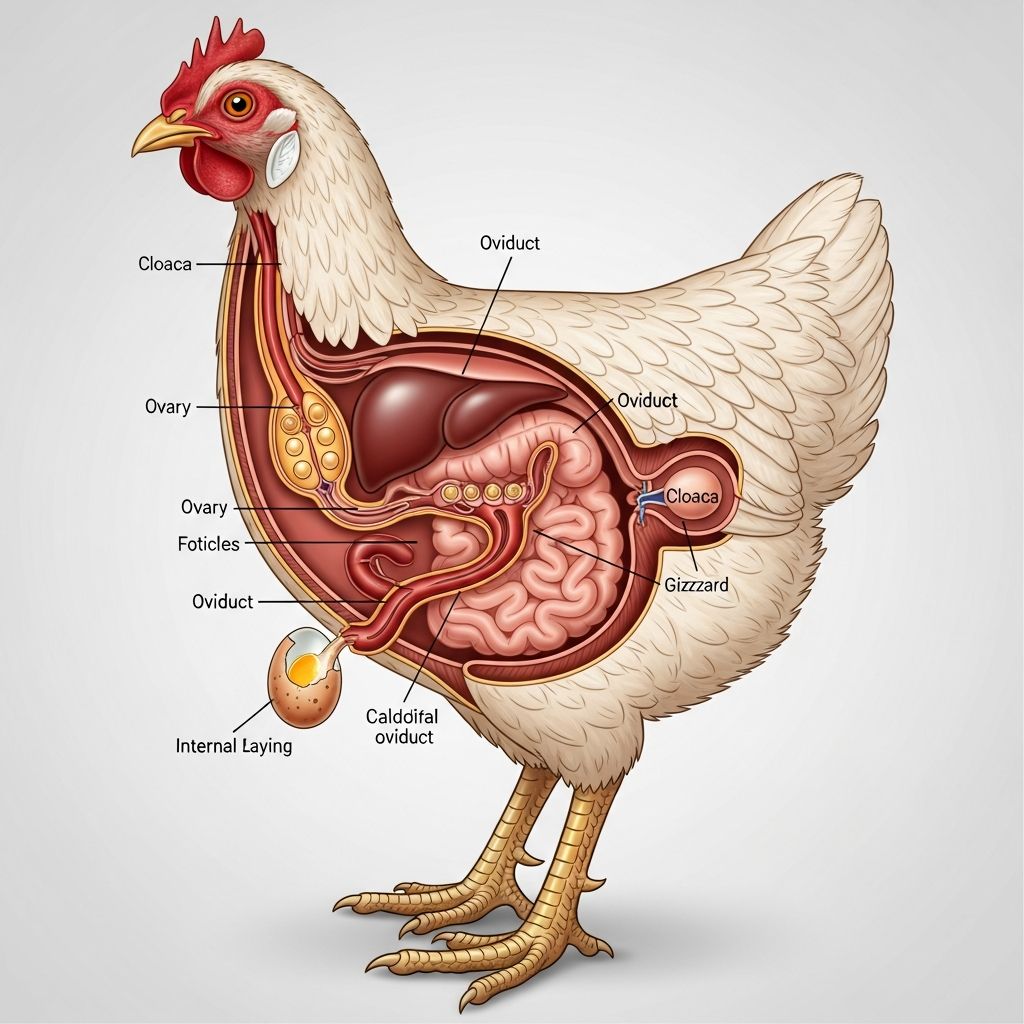
Internal laying represents a significant challenge for poultry owners, where egg yolks are released directly into the hen’s abdominal cavity rather than traveling through the oviduct to form complete eggs. This disorder can lead to severe complications like egg yolk peritonitis, impacting the bird’s health and productivity. Understanding its mechanisms, identifying early signs, and implementing appropriate interventions are crucial for flock management.
Understanding the Physiology of Egg Production
In healthy hens, egg formation begins with ovulation, where a mature yolk is released from the ovary. The yolk is then captured by the infundibulum, the first section of the oviduct, and proceeds through the magnum, isthmus, shell gland, and vagina before being laid. Disruptions in this process cause yolks to bypass the oviduct, landing freely in the coelomic cavity.
This malfunction often stems from oviduct scarring, inflammation, or congenital issues. High-producing breeds are particularly susceptible due to the strain on their reproductive systems. Factors such as infections, trauma from thin-shelled eggs, or nutritional deficiencies exacerbate the risk, turning a potential minor event into a chronic condition.
Primary Causes and Risk Factors
Several elements contribute to internal laying. Genetic predispositions affect certain hybrid layers bred for maximum output, making their oviducts prone to dysfunction.
- Oviduct Trauma: Broken eggshells inside the oviduct cause inflammation and scarring, preventing proper yolk pickup.
- Infections: Bacterial invasions, often from E. coli, lead to salpingitis, impairing oviduct function.
- Age and Stress: Older hens or those under stress from poor lighting, overcrowding, or molting experience erratic ovulation.
- Nutritional Imbalances: Calcium shortages result in weak shells that rupture internally.
These triggers highlight the need for vigilant husbandry practices.
Recognizing the Symptoms Early
Early detection improves outcomes. Affected hens exhibit behavioral and physical changes:
- Swollen, fluid-filled abdomen resembling a full crop.
- Penguin-like stance with upright posture to ease breathing.
- Lethargy, reduced appetite, and weight loss despite abdominal distension.
- Abnormal droppings, vent soiling, and respiratory distress like open-mouth breathing.
- Darkened comb and wattles indicating systemic illness.
Hens may repeatedly visit nest boxes without producing eggs, a classic behavioral cue.
| Symptom | Severity Level | Action Required |
|---|---|---|
| Swollen abdomen | Mild to severe | Monitor and isolate |
| Penguin stance | Severe | Veterinary consult |
| Lethargy/depression | Moderate | Supportive care |
| Respiratory issues | Critical | Immediate treatment |
Health Complications: Egg Yolk Peritonitis
When yolks accumulate, they provide an ideal environment for bacterial growth, leading to septic egg yolk peritonitis (EYP). The body responds by producing inflammatory fluid, filling the abdomen and compressing organs. Without a diaphragm, fluid ascends into air sacs, causing dyspnea. Sterile peritonitis occurs without infection but still causes discomfort; septic forms are life-threatening if untreated.
Chronic cases result in organ failure, cachexia, and secondary infections. Fluid buildup hardens yolks into masses, pressuring the liver and intestines, often culminating in mortality within weeks if unaddressed.
Diagnostic Approaches for Confirmation
Veterinarians diagnose via physical exams, ultrasound, or radiographs revealing free fluid and yolks. Aspiration of abdominal fluid for cytology confirms peritonitis type—sterile (clear fluid) versus septic (pus-like with bacteria). History of irregular laying and symptoms guides presumptive diagnosis in backyard settings.
Treatment Strategies: From Supportive to Surgical
Treatment success hinges on early intervention and addressing the root cause—continued internal laying.
- Antibiotics: Broad-spectrum drugs like enrofloxacin target infections, administered orally or injectably for 7-14 days.
- Fluid Drainage: Ultrasound-guided aspiration relieves pressure in acute cases, though recurrence risks remain.
- Hormonal Implants: Suprelorin (deslorelin) suppresses ovulation for 4-6 months, halting internal laying. Side effects include molting, behavioral changes, and temporary beak/leg discoloration.
- Surgical Options: Salpingohysterectomy removes the oviduct, a curative but high-risk procedure suited for valuable birds.
- Supportive Care: Warm soaks, electrolytes, vitamins, and calcium bolster recovery.
Combining therapies yields best results; antibiotics alone fail without stopping ovulation.
Prevention Through Proactive Management
Minimize risks with optimal care:
- Balanced nutrition with adequate calcium, protein, and vitamins.
- Clean housing to reduce bacterial exposure.
- Consistent lighting schedules mimicking natural day lengths.
- Regular health checks, culling chronic cases humanely.
- Breed selection favoring hardy strains over hyper-producers.
Monitoring production logs detects irregularities promptly.
Case Studies and Real-World Insights
Backyard experiences illustrate variability. One hen treated with Baytril and Suprelorin implant recovered after 14 days, enduring a hard molt but regaining vitality. Another progressed to advanced peritonitis despite antibiotics, underscoring chronicity. These anecdotes emphasize veterinary input over home remedies.
FAQs on Internal Laying
What triggers internal laying in my hen?
Common triggers include oviduct infections, trauma, genetics, and stress. High-lay breeds are most vulnerable.
Can internal laying resolve without treatment?
Occasionally, isolated events self-resolve if sterile, but repeated instances demand intervention to prevent peritonitis.
Is surgery the only cure?
No, hormone implants effectively pause laying; surgery is reserved for intractable cases.
How do I differentiate from egg binding?
Egg binding shows a palpable cloacal egg and straining; internal laying features diffuse abdominal swelling without a distinct egg.
What’s the prognosis with prompt treatment?
Early cases have 70-80% recovery rates with combined therapies; advanced septic peritonitis lowers odds significantly.
Long-Term Flock Health Considerations
Managing internal laying extends beyond individuals to flock dynamics. Quarantine affected birds prevents disease spread. Nutritional audits and biosecurity enhance resilience. For commercial operations, genetic screening and selective breeding mitigate hereditary risks. Owners must weigh treatment costs against welfare, often opting for humane euthanasia in terminal stages.
By integrating these strategies, poultry enthusiasts sustain productive, healthy flocks. Vigilance transforms a potential crisis into a manageable aspect of avian care.
References
- Internal Laying in Poultry — MSD Veterinary Manual. 2023. https://www.msdvetmanual.com/poultry/disorders-of-the-reproductive-system-in-poultry/internal-laying-in-poultry
- Internal laying in Chickens: Signs, Treatment & Prevention — PoultryDVM. 2026. https://poultrydvm.com/condition/internal-laying
- Egg Peritonitis | Egg and Laying Issues — The Chicken Vet (UK Veterinary Practice). 2024. https://www.chickenvet.co.uk/egg-peritonitis
- Chickens: Internal laying & Peritonitis — Cat & Bird Clinic (Veterinary Source). 2023. https://www.catandbirds.com/chickens-internal-laying-peritoniti
- Chicken keeping: Battling egg-yolk peritonitis — The Good Life Ain’t Easy (Veterinary-Informed Case). 2018. https://thegoodlifeainteasy.com/2018/06/25/chicken-keeping-the-dreaded-egg-yolk-peritonitis/
Similar Articles








Read full bio of Sneha Tete


