

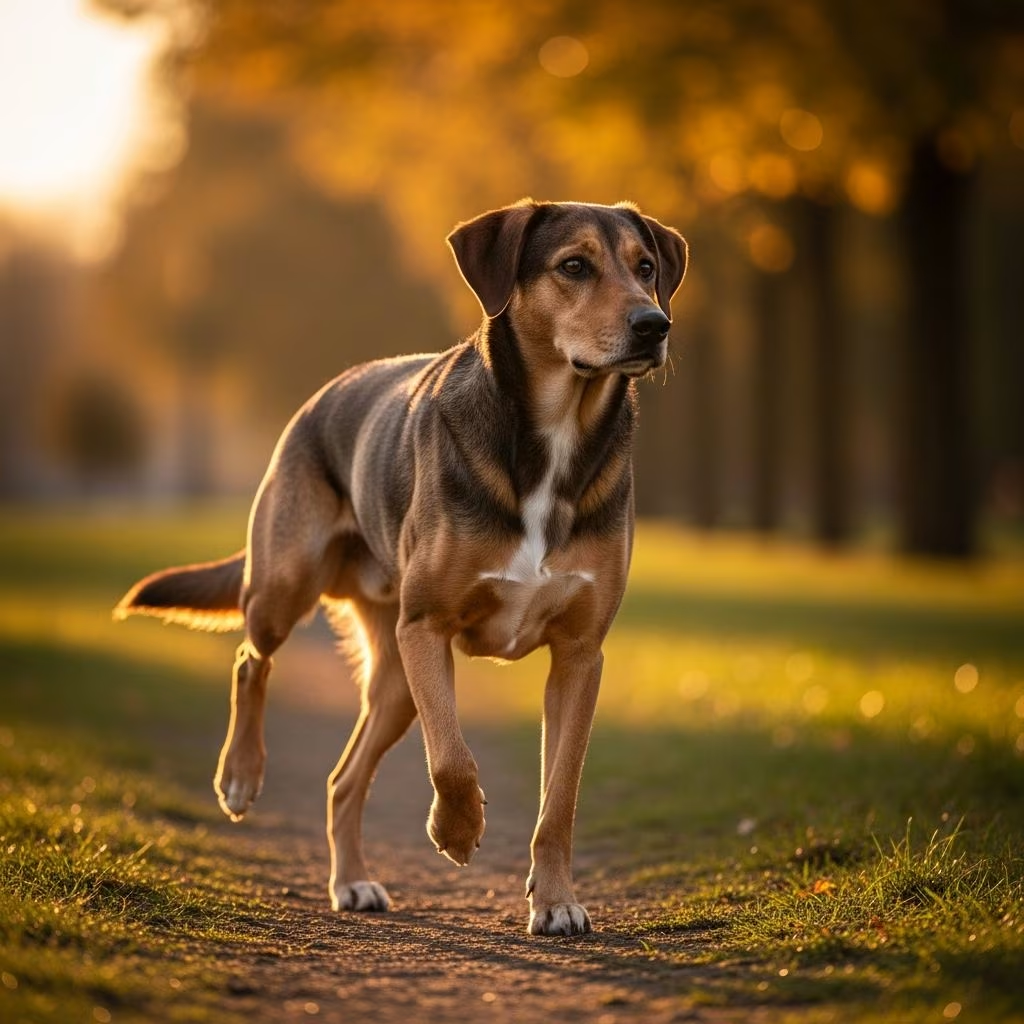
Occasional limping in dogs, where they favor one leg at times but seem fine later, often puzzles owners. This on-and-off lameness can range from harmless tweaks to signals of deeper health problems needing prompt attention. Understanding the root causes helps pet parents decide when home rest suffices and when professional intervention is crucial.
Recognizing the Patterns of Intermittent Lameness
Dogs exhibit intermittent limping differently based on the underlying issue. You might notice a subtle hitch in their step after play, a reluctance to jump, or stiffness upon waking that eases with movement. Unlike constant limping from fractures, this sporadic nature frequently ties to conditions flaring under specific stresses like weather changes, activity levels, or time of day.
- Morning stiffness: Common in early joint degeneration, where rest overnight causes temporary inflammation buildup.
- Activity-triggered: Limping appears during runs or turns but vanishes during calm walks.
- Weather-sensitive: Cold or damp conditions exacerbate pad cracks or arthritic flare-ups.
- Shifting legs: Pain moves between limbs, hinting at systemic issues like immune disorders.
Tracking these patterns in a journal, noting duration, triggers, and affected limbs, aids veterinarians in pinpointing causes efficiently.
Common Culprits Behind Sporadic Limping
Many factors contribute to dogs’ intermittent limps. Soft tissue woes top the list for active pups, while aging pets grapple more with degenerative changes. Below, we break down prevalent triggers.
Soft Tissue and Minor Injuries
Sprains, strains, and muscle pulls from roughhousing or slips often cause short-lived lameness. A dog might skip awkwardly after chasing a ball but trot normally by evening as inflammation subsides. Partial ligament damage, especially in knees, creates instability that hurts only during pivots or stairs.
| Injury Type | Typical Signs | Duration |
|---|---|---|
| Sprain/Strain | Swelling, warmth, hesitation to run | 2-7 days |
| Partial CCL Tear | Intermittent hop, knee swelling | Weeks if untreated |
| Iliopsoas Strain | Hip pain on stairs/jumps | 1-4 weeks |
Paw and Nail Problems
Often overlooked, paw issues like cracked pads from icy walks, thorn punctures, or split nails provoke protective limping that comes and goes with terrain. Infections in nail beds or foxtails embedded between toes cause pulsing pain relieved by licking or rest.
Joint and Orthopedic Disorders
Arthritis creeps in gradually, with limps worsening after inactivity or in chillier months. Hip dysplasia in big breeds leads to hind-end wobbles during exertion. Small dogs suffer patellar luxation, where the kneecap slips, causing skip-limps that self-correct temporarily.
When Intermittent Means Serious: Red Flags
Not all sporadic limps resolve alone. Immune-mediated polyarthropathy (IMPA) attacks multiple joints, shifting pain sites and mimicking fleeting injuries. Bone infections, Lyme disease, or tumors like osteosarcoma in seniors demand urgent checks, as delays worsen outcomes.
- Multiple legs affected sequentially.
- Limping persists beyond 48 hours despite rest.
- Accompanied by fever, lethargy, or appetite loss.
- Swelling, heat, or wounds visible.
- Age over 7 or breed predispositions (e.g., Labs for hips).
If any red flags appear, schedule a vet visit promptly to avert progression.
Diagnostic Approaches for Unsteady Gaits
Vets start with a thorough exam, manipulating joints for pain responses and checking for hidden foreign bodies. Blood tests screen for infections or inflammation markers. Imaging like X-rays reveals fractures, dysplasia, or arthritis; ultrasounds detect soft tissue tears.
For elusive cases, advanced tools such as CT scans or joint fluid analysis confirm IMPA or OCD. Gait analysis videos from owners prove invaluable for intermittent issues.
Treatment Strategies Tailored to the Cause
Management varies by diagnosis but emphasizes reducing inflammation and supporting healing.
Home Care for Mild Cases
Rest in a crate or confined space prevents re-injury. Ice packs (wrapped, 10 minutes twice daily) soothe swelling; warm compresses aid stiff joints post-acute phase. Over-the-counter joint supplements with glucosamine benefit chronic cases, but consult vets first.
Veterinary Interventions
NSAIDs like carprofen control pain effectively. Antibiotics tackle infections. Surgery repairs full ligament ruptures or removes tumors. Physical therapy, including underwater treadmills, rebuilds strength post-injury.
For arthritis, laser therapy and acupuncture offer drug-free relief, improving mobility long-term.
Preventing Recurring Limps in Your Dog
Proactive steps minimize risks. Maintain ideal weight to ease joint loads—obesity amplifies every issue. Gradual warm-ups before vigorous play stretch muscles. Regular paw checks remove debris early. Annual vet exams catch brewing orthopedic problems.
- Use orthopedic beds for better joint support.
- Opt for joint-friendly ramps over jumps.
- Supplement diets with omega-3s for anti-inflammatory effects.
- Breed-specific screening for dysplasias.
FAQs on Dog Intermittent Limping
Should I make my dog rest completely if limping occasionally?
Yes, limit activity for 24-48 hours and monitor. Persistent cases need vet evaluation to rule out tears or disease.
Can weather cause on-off limping?
Absolutely—cold cracks pads, dampness stiffens arthritic joints. Protect paws with booties.
Is limping always painful for dogs?
Dogs mask pain well; even subtle limps signal discomfort. Don’t wait for whining.
How long before calling the vet for intermittent limping?
If over 2 days, worsening, or with other symptoms, seek care immediately.
Are puppies prone to intermittent limps?
Yes, from growth spurts or congenital quirks like OCD. Early diagnosis prevents chronicity.
Long-Term Outlook and Prognosis
Most intermittent limps respond well to timely care. Minor injuries heal in days; managed arthritis allows active lives. Advanced cases like full tears or cancer carry guarded prognoses but quality improves with multimodal therapy. Partnering with your vet ensures tailored plans.
By staying vigilant, you empower your dog to bound pain-free. Early action turns fleeting hitches into forgotten footnotes.
References
- Common Causes of Limping in Dogs — VetCheck Fishers. 2023. https://www.vetcheckforpetsfishers.com/blog/common-causes-of-limping-in-dogs
- Why Is My Pet Limping? Understanding the Causes — Midtown Veterinary Hospital. 2024. https://mvethospital.com/why-is-my-pet-limping-understanding-the-causes-and-when-to-call-your-vet/
- 8 Reasons a Dog Could be Limping on Their Back Legs — Compass Veterinary Neurology. 2023. https://compassvetneurology.com/blog/limping-in-dogs-back-legs/
- Causes of Limping in Dogs and How to Treat — Bixby Animal Hospital. 2024. https://www.bixbyah.com/blog/1257885-causes-of-limping-in-dogs-and-how-to-treat
- Intermittent Limping in Pets — Mountain View Veterinary. 2023. https://mtnviewvet.net/intermittent-limping-pets/



