

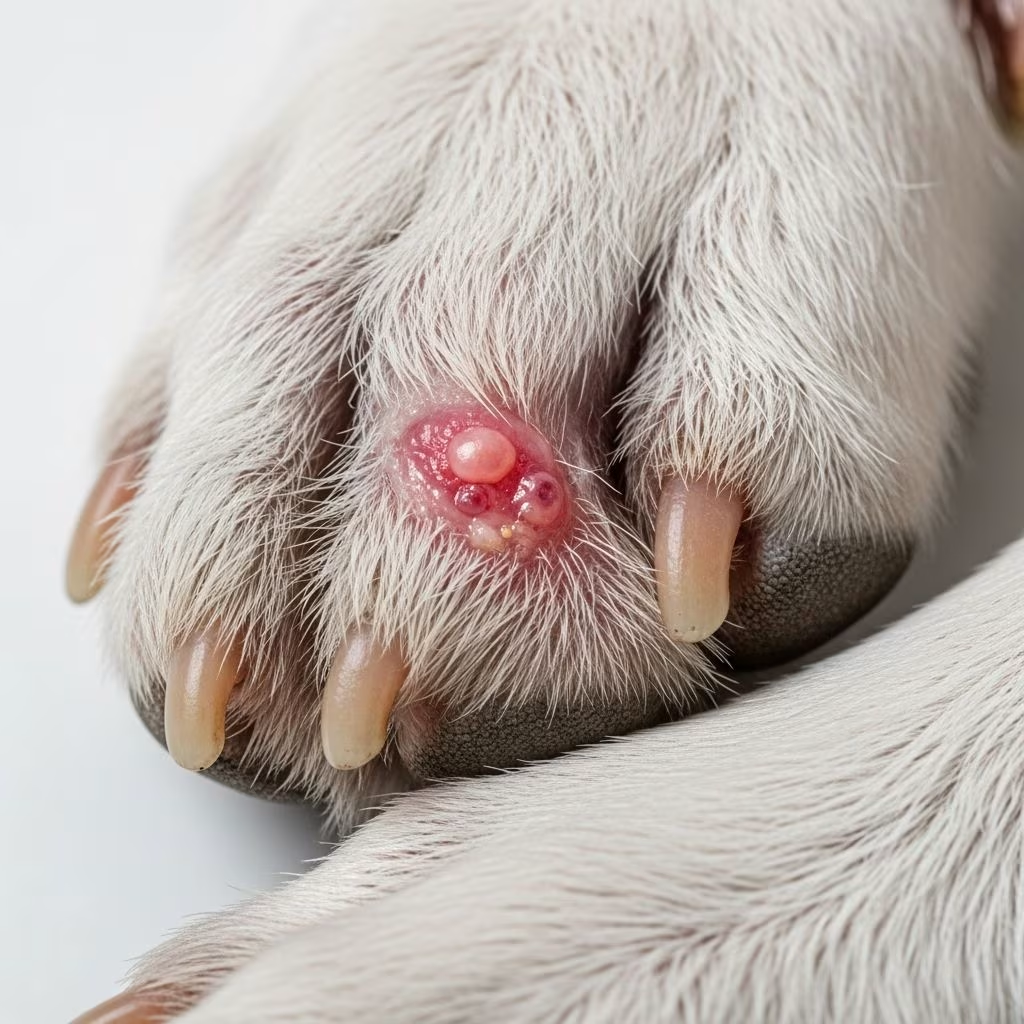
Interdigital furunculosis, often called abscesses between the toes or interdigital cysts, is a common yet painful skin condition affecting dogs’ paws. It involves inflamed hair follicles that rupture, leading to swelling, infection, and discomfort in the webbing between toes. This guide covers everything dog owners need to know, from early detection to long-term care.
Understanding the Condition
This disorder arises when hair follicles in the interdigital spaces become irritated and infected, forming pus-filled boils. Unlike true cysts, these are dynamic lesions that can burst, drain, and recur if underlying issues persist. Short-coated breeds bear the brunt due to friction from bristly hairs rubbing during movement.
Common Causes and Risk Factors
Several factors contribute to interdigital furunculosis, often overlapping in affected dogs.
- Allergies: Atopic dermatitis or food sensitivities inflame the skin, prompting licking that damages follicles.
- Mechanical Trauma: Friction between toes, especially in heavy breeds, plugs follicles with keratin, sparking inflammation.
- Obesity and Conformation: Extra weight increases paw pressure; breeds with wide paws or gait issues like arthritis are prone.
- Infections and Parasites: Bacteria like Staphylococcus invade breached skin; Demodex mites exacerbate cases.
- Foreign Bodies: Grass seeds or debris embed, causing persistent oozing.
| Breed Examples | Predisposing Traits |
|---|---|
| Pit Bull Terriers, Bulldogs | Short coat, wide paws |
| Labrador Retrievers, Great Danes | Obesity risk, friction |
| Shar-Peis, Shetland Sheepdogs | Allergies, conformation |
Breeds with these traits face higher risks, but any dog can develop it under stress.
Recognizing the Signs
Early intervention prevents chronic issues. Watch for these symptoms:
- Red, raised bumps between toes, progressing to hot, shiny swellings.
- Excessive licking, chewing, or limping on affected paws.
- Bloody discharge or blood spots from ruptured lesions.
- Discolored, hairless skin with thickened areas.
- Reluctance to walk or generalized paw favoring.
In advanced cases, multiple paws suffer, signaling allergies. Licking worsens the cycle, introducing bacteria.
Diagnosis Process
Vets confirm via physical exam, noting lesion patterns. Cytology reveals bacteria or pus; biopsies rule out tumors. Allergy testing or skin scrapes detect mites. Imaging checks for foreign bodies. Accurate diagnosis targets root causes like allergies.
Treatment Strategies
Treatment combines infection control, inflammation reduction, and trigger management.
Medical Approaches
- Antibiotics: Oral or topical for bacterial clearance, based on cultures.
- Anti-Inflammatories: Soothe itching; allergy meds for atopic dogs.
- Topicals: Antimicrobial shampoos, sprays for paws.
Surgical Options
For refractory cases, fusion podoplasty reshapes webbing to reduce friction. Laser ablation removes lesions precisely.
Home Care Tips
- Elizabethan collars prevent licking.
- Foot soaks with Epsom salts clean wounds.
- Booties protect during walks.
| Treatment Type | Duration | Success Rate Factors |
|---|---|---|
| Topical Therapy | 2-4 weeks | Mild cases, early intervention |
| Systemic Antibiotics | 4-8 weeks | Infection severity |
| Surgery | One-time | Recurrent, mechanical causes |
Multimodal plans yield best outcomes.
Preventing Recurrence
Address predispositions proactively:
- Weight Control: Diet and exercise reduce paw stress.
- Allergy Management: Hypoallergenic diets, immunotherapy.
- Grooming: Regular paw cleaning, hair trimming.
- Environmental Changes: Soft substrates, paw protection.
- Parasite Control: Routine mite checks.
Obese dogs shedding weight often see dramatic improvement.
When to See a Vet Urgently
Seek care if swelling worsens, lameness persists, or fever appears. Untreated cases lead to cellulitis, scarring, or antibiotic resistance. Prompt action halts progression.
Living with Interdigital Furunculosis
Chronic cases require ongoing vigilance. Track flare-ups in a journal to identify triggers. Many dogs thrive with tailored plans, enjoying pain-free play.
Frequently Asked Questions (FAQs)
What breeds are most affected by interdigital furunculosis?
Short-coated, heavy breeds like Pit Bulls, Labs, and Bulldogs due to coat type and paw structure.
Can interdigital furunculosis resolve without treatment?
Rarely; licking perpetuates the cycle, risking deeper infections.
Is surgery always necessary?
No, most respond to medical therapy; reserve for failures.
How long does recovery take?
2-8 weeks with treatment; prevention prevents repeats.
Can diet help prevent it?
Yes, allergy-friendly or weight-loss diets target roots.
Key Takeaways for Dog Owners
- Monitor paws regularly, especially in at-risk breeds.
- Combine vet care with home management.
- Tackle obesity and allergies for lasting relief.
References
- Interdigital Furunculosis in Dogs: An In-Depth Guide — YEG Vet. 2023. https://www.yegvet.ca/interdigital-furunculosis-in-dogs-an-in-depth-guide-to-abscesses-between-the-toes/
- Interdigital Cysts in Dogs — VCA Animal Hospitals. 2024-01-15. https://vcahospitals.com/know-your-pet/interdigital-cysts-in-dogs
- Interdigital furunculosis: medical and surgical options — dvm360. 2022-05-10. https://www.dvm360.com/view/interdigital-furunculosis-medical-and-surgical-options
- Interdigital Cysts on Dogs — PetMD. 2025-03-20. https://www.petmd.com/dog/conditions/skin/interdigital-cysts-dogs
- Abscesses Between the Toes (Interdigital Furunculosis) in Dogs — Merck Veterinary Manual. 2024. https://www.merckvetmanual.com/dog-owners/skin-disorders-of-dogs/abscesses-between-the-toes-interdigital-furunculosis-in-dogs
- Interdigital Folliculitis and Furunculosis — MedVet. 2023-11-05. https://www.medvet.com/interdigital-folliculitis-and-furunculosis-interdigital-cysts/



