

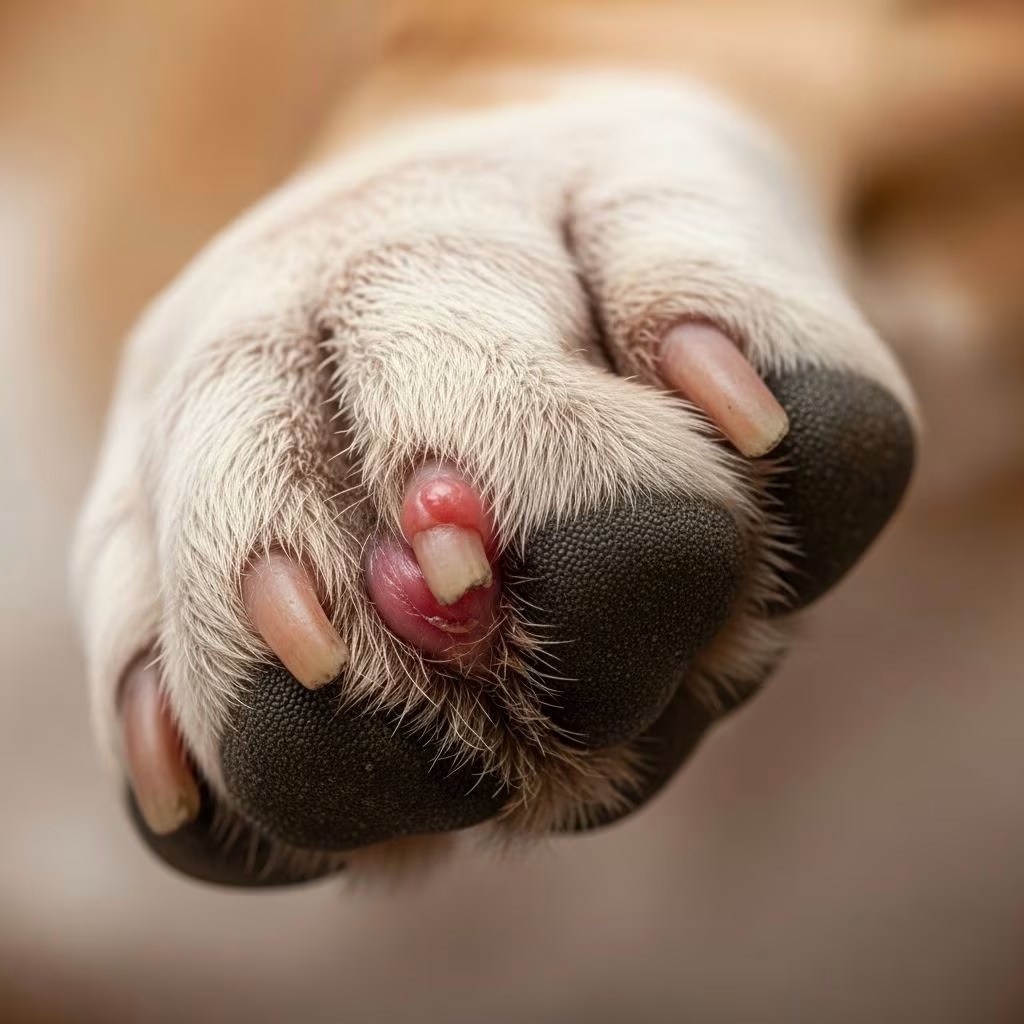
Interdigital furunculosis represents a prevalent yet challenging skin disorder affecting the webbed spaces between a dog’s toes, often manifesting as painful, inflamed nodules that disrupt daily mobility and comfort. This condition, sometimes referred to as interdigital cysts or pododermatitis, arises from deep bacterial infections within hair follicles, leading to pyogranulomatous inflammation. Dog owners frequently notice lameness, reluctance to walk, or excessive paw licking as initial signs, which can escalate if underlying triggers remain unaddressed.
Recognizing the Signs and Symptoms
The primary indicators of interdigital furunculosis include red, swollen lumps between the toes, which may rupture and discharge pus, creating moist, malodorous lesions. These nodules are typically solitary but can appear multifocally, especially in breeds prone to conformational issues like short-haired varieties or those with deep interdigital spaces. Pain is a hallmark feature, causing dogs to favor affected limbs, and chronic cases may lead to scarring, hair loss, or secondary complications such as fungal overgrowth.
- Acute symptoms: Sudden swelling, heat, and tenderness in one or more toe webs.
- Chronic indicators: Recurrent nodules, thickened skin, and persistent drainage.
- Behavioral cues: Excessive chewing, limping, or paw guarding.
In severe instances, the inflammation extends deeper, mimicking abscesses and requiring prompt veterinary attention to prevent systemic spread.
Unraveling the Root Causes
While bacterial invasion—often by Staphylococcus species—drives the pathology, interdigital furunculosis is multifactorial. Trauma from rough surfaces, obesity-induced pressure on paws, or conformational abnormalities like splayed toes predispose dogs to follicular rupture and foreign body ingress, such as embedded hairs or keratin plugs. Allergic dermatitis, including food sensitivities and environmental atopy, exacerbates self-trauma through incessant licking and chewing, creating entry points for pathogens.
| Predisposing Factor | Description | Common Breeds Affected |
|---|---|---|
| Allergies | Atopic or food-related itchiness leads to paw trauma | Retrievers, Bulldogs |
| Conformation | Deep toe webs trap debris | English Bulldogs, Shar-Peis |
| Obesity/Trauma | Excess weight or abrasive walking surfaces | Labradors, overweight hounds |
| Foreign Bodies | Hair shafts or grass awns embed in skin | Short-coated breeds |
Endocrine disorders like hypothyroidism or parasitic infestations such as demodicosis can also contribute, underscoring the need for holistic evaluation.
Diagnostic Approaches for Accurate Identification
Veterinarians employ a stepwise diagnostic protocol to differentiate interdigital furunculosis from mimics like tumors or fungal infections. Initial exams involve visual inspection and cytological smears from lesion exudate, revealing neutrophils and bacteria. Hair trichograms assess for follicular abnormalities, while bacterial cultures guide antibiotic selection, particularly for resistant strains like methicillin-resistant Staphylococcus.
- Cytology: Identifies pyoderma and secondary invaders.
- Culture/Susceptibility: Essential for recurrent cases.
- Biopsy: Confirms pyogranulomatous changes or neoplasia.
- Allergy Testing: Intradermal or serum IgE for atopy.
Radiographs may rule out bony involvement, and fungal cultures detect Malassezia overgrowth. Early diagnosis prevents chronicity and targets root causes effectively.
Comprehensive Treatment Strategies
Treatment hinges on lesion severity, underlying etiology, and recurrence risk. Localized cases respond to aggressive topical care, while multifocal or deep infections demand systemic intervention.
Topical Therapies: First-Line Defense
Daily antimicrobial soaks using chlorhexidine or diluted bleach solutions maintain hygiene and reduce bacterial load. Shampoos combining chlorhexidine with miconazole address bacterial and yeast components. For penetration, mix topical antibiotics like enrofloxacin with glucocorticoids and dimethyl sulfoxide, applied directly to lesions.
Systemic Antimicrobials and Anti-Inflammatories
Cephalosporins or culture-directed antibiotics course for 4-8 weeks in widespread disease. Pentoxifylline (15-30 mg/kg PO q8-12h) enhances antibiotic efficacy and curbs inflammation via TNF-alpha inhibition. Short-term glucocorticoids aid severe swelling but risk immunosuppression; alternatives include cyclosporine for atopic flares.
Addressing Underlying Allergies
Hypoallergenic diets trial for 8-12 weeks, coupled with environmental allergen immunotherapy, benefits 70% of allergic cases. Lokivetmab or oclacitinib control pruritus but falter against deep inflammation.
Surgical and Advanced Interventions
Refractory nodules warrant CO2 laser ablation, vaporizing cysts while preserving paw anatomy; postoperative hydrotherapy ensures healing. Fusion podoplasty or digit amputation serves desperate chronic scenarios.
Weight management unloads paws in obese dogs, yielding marked improvements.
Prevention and Long-Term Management
Proactive measures curtail recurrence: booties shield paws on abrasive surfaces, soft substrates replace wire flooring, and regular paw inspections catch issues early. Ongoing hypoallergenic nutrition and flea control mitigate allergies and parasites. For perennial cases, chronic topical bathing suffices post-acute resolution.
- Daily paw cleaning with antiseptics.
- Weight optimization and joint support.
- Allergen avoidance and immunotherapy.
- Environmental modifications like padded kennels.
Frequently Asked Questions (FAQs)
What breeds are most susceptible to interdigital furunculosis?
Breeds with conformational predispositions like English Bulldogs, German Shepherds, and Labrador Retrievers face higher risks due to paw structure and allergy tendencies.
Can interdigital furunculosis resolve without antibiotics?
Mild cases may improve with rigorous topical care and trigger elimination, but most require antimicrobials to eradicate deep infections.
How long does treatment typically last?
Acute episodes need 3-6 weeks; chronic management spans months with allergy control.
Is laser therapy a permanent fix?
It resolves visible lesions effectively but recurrence hinges on addressing allergies or conformation.
Are home remedies safe and effective?
Epsom salt soaks and natural antibacterials aid mild symptoms but professional oversight prevents complications in severe cases.
Prognosis and Owner Expectations
With tailored multimodal therapy, most dogs achieve resolution or control, though allergic individuals demand lifelong vigilance. Early intervention boosts success rates, minimizing lameness and discomfort. Collaborate closely with veterinarians for optimal outcomes, as untreated progression risks permanent paw deformity.
References
- Interdigital furunculosis: medical and surgical options — dvm360. 2023. https://www.dvm360.com/view/interdigital-furunculosis-medical-and-surgical-options
- Interdigital Furunculosis in Dogs — Merck Veterinary Manual. 2024-02-01. https://www.merckvetmanual.com/integumentary-system/interdigital-furunculosis/interdigital-furunculosis-in-dogs
- Interdigital furunculosis in dogs — Unleashed Veterinary Dermatology. 2023. https://www.unleashedvetderm.com/furunculosis/
- Interdigital Folliculitis and Furunculosis (“Interdigital Cysts”) — MedVet. 2024. https://www.medvet.com/interdigital-folliculitis-and-furunculosis-interdigital-cysts/
- Interdigital Cysts in Dogs — VCA Animal Hospitals. 2023. https://vcahospitals.com/know-your-pet/interdigital-cysts-in-dogs
- Interdigital Cysts In Dogs: How To Treat Them — Dogs Naturally Magazine. 2024. https://www.dogsnaturallymagazine.com/home-remedies-for-your-dogs-interdigital-cysts/



