

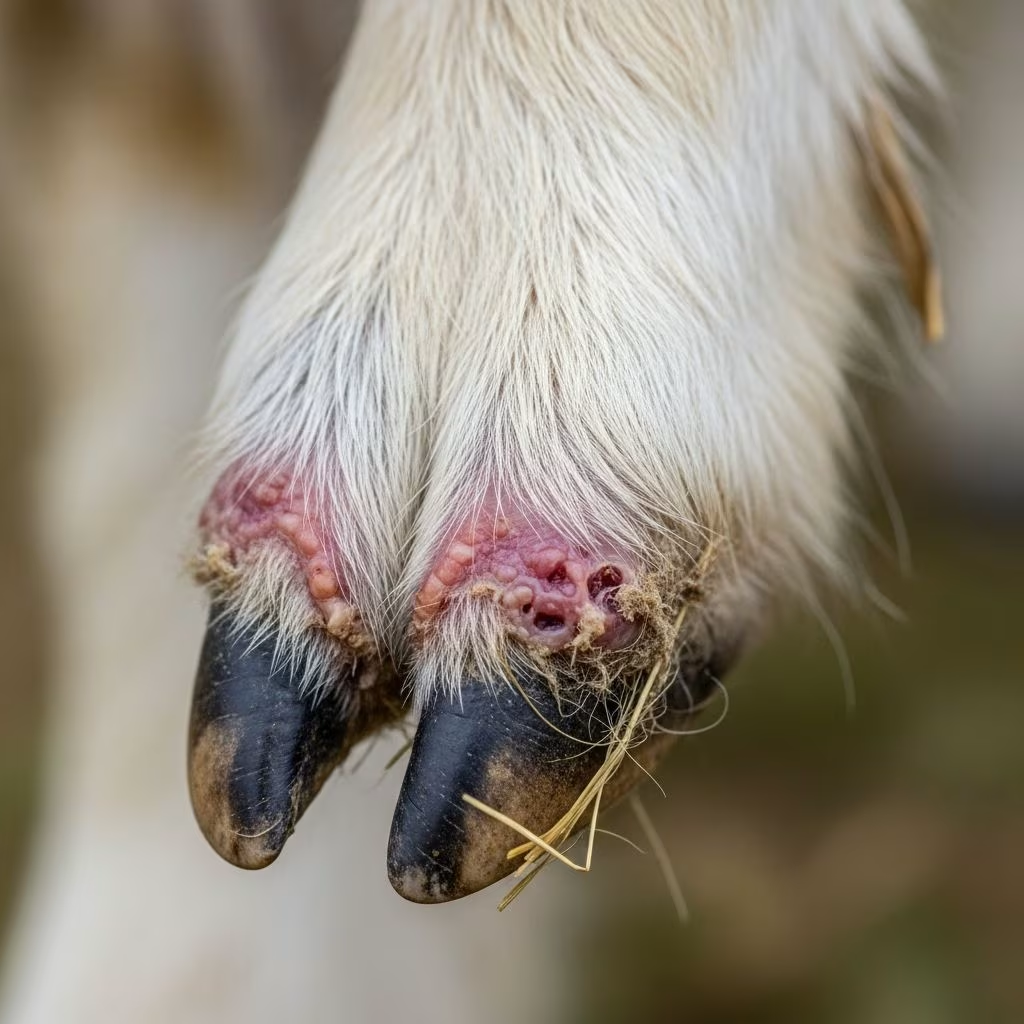
Interdigital dermatitis, commonly known as foot scald, represents one of the primary causes of lameness in sheep flocks, particularly under wet conditions. This condition arises from bacterial infection in the skin between the toes, leading to inflammation, pain, and reduced mobility that impacts grazing and overall productivity.
Understanding the Pathology of Foot Scald
The core issue in interdigital dermatitis stems from bacterial invasion of the sensitive interdigital skin. Primarily, Dichelobacter nodosus plays a key role, thriving in temperate, moist environments typical of many sheep-rearing regions. This bacterium exploits minor skin damage from prolonged moisture exposure or mechanical injury, initiating infection. Unlike more severe hoof diseases, foot scald does not typically involve under-running of the hoof horn, distinguishing it from advanced footrot.
Environmental factors amplify risk: wet pastures in late spring, warm damp bedding in housed sheep, and inadequate quarantine for new arrivals all facilitate bacterial spread. Lambs suffer higher prevalence at grass, while ewes face issues in wet housing. Transmission occurs directly from infected carriers, emphasizing the need for robust biosecurity.
Recognizing Clinical Manifestations
Sheep affected by interdigital dermatitis display clear signs centered on the interdigital space. Initial symptoms include redness, swelling, and a moist appearance of the skin between toes, often coated with a thin white exudate. Lameness varies from mild reluctance to walk to severe hobbling, where animals may graze on knees if both forelimbs are involved.
- Mild cases: Subtle limping with pinkish interdigital skin.
- Moderate cases: Noticeable swelling, white moist discharge, and avoidance of weight-bearing.
- Severe cases: Intense pain causing kneeling posture and reduced feed intake, potentially leading to weight loss if untreated.
Affected sheep show no hoof wall separation or foul odor characteristic of footrot, aiding differentiation. Prevalence spikes in young lambs during rainy periods, interfering with growth if not addressed promptly.
Differential Diagnosis from Similar Conditions
Accurate identification is crucial, as interdigital dermatitis mimics other lameness causes. Footrot advances from scald-like symptoms to horn under-running, necrotic odor, and sole separation. Contagious ovine digital dermatitis (CODD) involves treponemes and deeper tissue invasion, while ovine interdigital dermatitis (OID) lacks under-running and resolves with dryness.
| Condition | Key Signs | Progression | Odor |
|---|---|---|---|
| Interdigital Dermatitis (Scald) | Red swollen interdigital skin, white exudate | No horn under-run | Mild/none |
| Footrot | Swelling, grey scum, horn separation | Extends to sole/wall | Foul, necrotic |
| OID | Inflammation between toes | Heals with dry feet | None |
| Abscess/Granuloma | Localized swelling, pus | Joint or toe involvement | Variable |
Inspect feet after cleaning dirt; score severity from 1 (mild redness) to higher for extensive inflammation. Rule out non-infectious issues like arthritis (joint swelling) or scabby mouth (scabbed lesions).
Immediate Treatment Protocols
Prompt intervention restores mobility within 1-2 days and prevents complications. For individuals, clean the foot, remove debris, and apply oxytetracycline aerosol sprays topically. Group outbreaks require foot bathing in 10% zinc or copper sulfate solutions, followed by drying on clean surfaces.
Systemic antibiotics like long-acting oxytetracycline (10 mg/kg intramuscularly) are effective for stubborn cases, with recovery in 3-10 days. Isolate treated animals to curb spread, and trim only loose debris initially—delay major paring until inflammation subsides. Monitor response: unaffected sheep regain normal gait quickly, minimizing growth impacts.
Prevention Strategies for Flock Health
Proactive management targets environmental and biosecurity risks. Maintain dry footing via well-drained pastures, raised slats in housing, and prompt removal of wet bedding. Quarantine new sheep for 4 weeks with foot checks.
- Regular foot inspection and paring every 4-6 weeks.
- Vaccination against D. nodosus strains where prevalent.
- Avoid mixing wet sheep; use stock-proof fencing to prevent wild animal contact.
Integrated lameness control plans, including selective culling of chronic carriers, reduce incidence below 5%. Seasonal foot bathing before housing cuts outbreaks significantly.
Economic and Welfare Considerations
Lameness from interdigital dermatitis imposes substantial costs: £6 per affected sheep annually from lost production, not just treatments. Welfare suffers through pain-induced reduced grazing, but swift action ensures rapid recovery and compliance with standards. Chronic cases distort hooves, perpetuating issues. Farmers prioritizing control enhance flock performance and market value.
Advanced Management and Monitoring
Implement scoring systems for flock surveillance: score 0 (normal) to 4 (severe under-run). Target <2% score 2+ via weekly checks during high-risk periods. Genetic selection for foot health and nutrition supporting horn integrity (biotin, zinc) bolster resilience. Research highlights mixed infections, urging broad-spectrum approaches.
Frequently Asked Questions (FAQs)
What causes interdigital dermatitis in sheep?
Bacteria like Dichelobacter nodosus infect damaged interdigital skin under wet conditions.
How do I differentiate scald from footrot?
Scald shows no horn under-running or foul smell; footrot progresses to separation and necrosis.
Can interdigital dermatitis affect housed ewes?
Yes, wet warm bedding promotes outbreaks in housed groups.
What is the best treatment for outbreaks?
Foot bathing with zinc sulfate plus topical sprays; isolate and monitor.
How can I prevent recurrence?
Dry environments, quarantine, regular inspections, and biosecurity.
References
- Lameness in Sheep – Interdigital dermatitis (Scald) and Footrot — FAS Scotland/NADIS. 2023. https://www.fas.scot/downloads/lameness-sheep-nadis/
- Lameness Control in Sheep — NADIS. 2023. https://www.nadis.org.uk/disease-a-z/sheep/lameness-control-in-sheep/
- Diagnosing footrot in sheep — Agriculture Victoria (government). 2024. https://agriculture.vic.gov.au/biosecurity/animal-diseases/sheep-diseases/footrot-in-sheep/diagnosing-footrot-in-sheep
- Lameness in sheep — NSW Government. 2024. https://www.nsw.gov.au/regional-and-primary-industries/livestock/sheep/lameness
- Foot Rot in Sheep: Symptoms, Treatment, and Prevention — RVS Vet. 2023. https://rvsvet.com/foot-rot-in-sheep-symptoms-treatment-and-prevention/



