

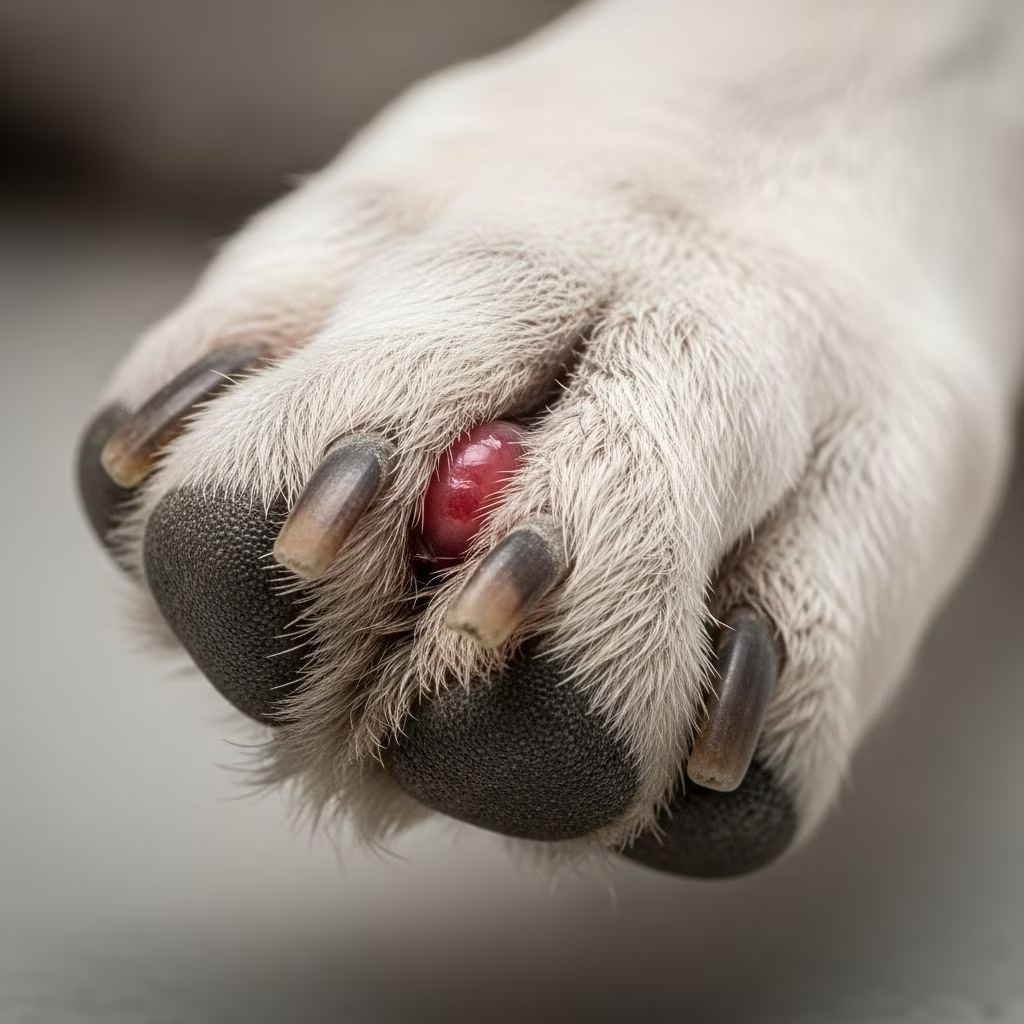
Interdigital Cysts in Dogs: Understanding This Common Paw Condition
Interdigital cysts are a frequent problem affecting dogs of all ages and breeds, causing discomfort and affecting their mobility. These painful growths develop in the webbing between a dog’s toes and can significantly impact your pet’s quality of life. Understanding what causes these cysts, recognizing the signs, and knowing the available treatment options can help you provide your dog with the relief they need. This comprehensive guide explores everything pet owners should know about interdigital cysts in dogs.
What Are Interdigital Cysts?
Interdigital cysts are raised, bumpy sores that form in the space between a dog’s toes. Despite their name, these growths are not always true cysts but are often referred to as such in veterinary practice. They typically appear as red, inflamed bumps and can become quite painful for affected dogs. The condition is also known as interdigital furunculosis, which describes the inflammatory nature of these lesions. These cysts commonly affect the webbing between the toes on all four paws, though they may appear on just one or two feet initially.
Understanding the Underlying Causes
Interdigital cysts rarely develop without an underlying cause. Identifying and addressing the root issue is essential for effective treatment and prevention of recurrence. Several factors can contribute to cyst formation:
Allergies and Sensitivities
Allergies are among the most common causes of interdigital cysts. Dogs with food allergies, environmental allergies, or contact sensitivities often develop these painful lesions. The allergic response leads to inflammation and excessive licking, which creates an environment conducive to cyst formation. When dogs lick and chew their paws due to allergic itching, they traumatize the skin between the toes, potentially leading to secondary infections and cyst development.
Trauma and Foreign Bodies
Small injuries to the webbing between the toes, such as cuts or abrasions, can develop into cysts if they become infected. Foreign bodies like grass awns, small stones, or plant material can become lodged between the toes and cause irritation and infection. Repetitive trauma from walking on rough surfaces or sand can also contribute to cyst formation.
Obesity and Arthritis
Dogs that carry excess weight place additional pressure on their paws and joints, which can contribute to interdigital cyst formation. Arthritic changes in the joints can alter how a dog walks and distributes weight, potentially leading to abnormal pressure on the webbing between the toes. Managing these chronic conditions through appropriate nutrition and medication can help prevent or reduce cyst occurrence.
Bacterial and Fungal Infections
Secondary bacterial infections often complicate interdigital cysts, even when bacteria is not the primary cause. Yeast infections can also occur, particularly in dogs with compromised skin barriers or immune function. These infections perpetuate inflammation and prevent healing, making them crucial to address during treatment.
Recognizing the Signs of Interdigital Cysts
Early recognition of interdigital cysts allows for prompt treatment and can prevent complications. Pet owners should watch for the following signs:
Physical Symptoms
The most obvious sign of interdigital cysts is the appearance of raised, red bumps between your dog’s toes. These may appear hairless or have areas of hair loss around them. The bumps can be fleshy or ulcerated, sometimes oozing fluid, blood, or pus. You may notice discoloration of the paws, particularly if secondary infections have developed. In some cases, small blood spots may appear on floors or bedding where your dog has been resting, indicating that a cyst has ruptured.
Behavioral Changes
Dogs with interdigital cysts typically display noticeable changes in behavior. Excessive licking or chewing at the affected paws is a classic sign, as dogs try to address the discomfort. Your dog may limp or show reluctance to walk, especially on hard surfaces. In severe cases, dogs may refuse to bear weight on the affected limb entirely. Some dogs may appear anxious or uncomfortable when their feet are touched.
Skin Complications
Recurrent skin infections on the hairy skin of the paws often accompany interdigital cysts. You may notice generalized redness, inflammation, and itching that extends beyond the webbing between the toes. If your dog has underlying allergies, you might observe weepy eyes, rashes on other parts of the body, or gastrointestinal issues concurrent with the paw problems.
Diagnosis of Interdigital Cysts
Accurate diagnosis is essential for determining the appropriate treatment plan. Veterinarians typically rely on several diagnostic methods to confirm interdigital cysts and identify underlying causes.
Physical Examination and History
Your veterinarian will begin by performing a thorough physical examination of your dog’s paws and overall health status. They will ask detailed questions about when the cysts first appeared, whether they are recurring, what treatments have been tried previously, and whether your dog has a history of allergies or other health conditions. This information helps establish a pattern and identify potential underlying causes.
Diagnostic Testing
To confirm the diagnosis and identify the causative organism, your veterinarian may perform several tests. Skin scrapings can reveal the presence of demodex mites or other parasites. Bacterial cultures help identify specific bacteria involved in secondary infections, which guides antibiotic selection. Cytology examinations under a microscope reveal inflammatory cells and infectious organisms. In some cases, your veterinarian may recommend a skin biopsy to ensure the growths are not cancerous and to obtain more detailed tissue information. Additionally, testing a sample of fluid draining from the cysts can help determine whether bacterial or fungal infections are present.
Treatment Options for Interdigital Cysts
Treatment approaches for interdigital cysts vary depending on the underlying cause, severity of the condition, and individual dog factors. Most cases require a multi-faceted approach combining medical management with addressing the root cause.
Medical Management
Medical therapy forms the foundation of interdigital cyst treatment for most dogs. Addressing the underlying cause is essential for long-term resolution and preventing recurrence. For dogs with cysts caused by allergies, chronic use of allergy medications or dietary modifications are likely required in addition to treating secondary infections.
Anti-inflammatory medications such as steroids like prednisone or cyclosporine (Atopica™) help control inflammation and reduce the itching that drives excessive licking. Other allergy medications including oclactinib (Apoquel™) or lokivetmab (Cytopoint™) can help control itching, though they may not be effective enough to address the degree of inflammation specifically involved in interdigital cysts.
Antibiotic therapy is crucial since secondary bacterial infections are almost universal in interdigital cysts. Topical antibiotics work directly on the wound for milder cases, treating the deep skin infection at the source. For more serious cases involving deep infections, oral antibiotics are necessary to address the infection systemically. Secondary infections may require extended antibiotic courses lasting up to eight weeks. Your veterinarian may recommend pentoxifylline, a medication that enhances the effects of antibiotics.
Topical treatments including steroid ointments and antimicrobial paw soaks using chlorhexidine can be very useful for managing superficial inflammation and infection. Topical steroids are an excellent first choice when there is only a single area of inflammation, as they treat only the affected area without causing systemic side effects. However, in severe cases, topical treatments may not penetrate deeply enough to reach the infection.
Antifungal medications may be prescribed if fungal infections are identified through diagnostic testing. These can be applied topically or administered orally depending on the severity and extent of the fungal infection.
Surgical Removal
Surgery completely removes the affected webbing and sutures the toes together for healing. This approach can completely remove the affected tissue and the cyst itself. However, surgery alters the normal structure of the paws and can potentially cause orthopedic issues in the future. Dogs may experience altered gait or joint problems as they compensate for the surgical changes to their paw structure. Surgical removal is typically reserved for cases that have not responded to medical management or when a single cyst is caused by a foreign body.
Laser Therapy
CO2 laser surgery uses a specialized laser to cut into the deeper skin tissue layers, vaporizing the affected tissue and allowing healing without altering the dog’s normal paw structure. This method has shown promising results, with one small study revealing that cysts did not recur in 25 of 28 dogs after laser treatment. However, laser therapy can require multiple treatments and demands intensive care during the healing process. Postoperative care following laser treatment is crucial for optimal outcomes.
Managing Chronic Conditions
When arthritic changes and obesity have promoted cyst formation, these chronic conditions need to be managed more effectively with appropriate medications and nutritional therapy. Weight management through proper diet and exercise can significantly reduce pressure on the paws and improve overall joint health.
Providing protective boots and carefully controlling the surfaces your dog walks on can help manage the disease and prevent recurrence. Booties protect the feet from rough, irritating surfaces and from the dampness that may contribute to infection, particularly in cold and wet weather.
Treatment Comparison Table
| Treatment Option | Effectiveness | Recovery Time | Considerations |
|---|---|---|---|
| Medical Management | Moderate to High (addresses underlying cause) | 4-8 weeks typically | Requires ongoing management; best for allergy-related cysts |
| Topical Treatments | Good for mild cases | 2-4 weeks | Limited penetration for deep infections |
| Oral Medications | High for systemic issues | Variable; up to 8 weeks | May cause systemic side effects |
| Surgery | High initial success | 2-3 weeks healing | Alters paw structure; risk of orthopedic issues |
| Laser Therapy | High; 89% non-recurrence rate | Intensive post-care needed | May require multiple sessions; preserves paw structure |
Prevention and Long-term Management
Preventing interdigital cysts involves addressing underlying causes and protecting your dog’s paws. Dogs prone to allergies benefit from allergy testing and tailored diets or medication regimens. Regular paw inspections allow you to catch early signs of problems before they develop into painful cysts.
Maintaining a healthy weight reduces pressure on the paws and joints. Regular exercise appropriate to your dog’s age and fitness level supports overall health. After outdoor activities, especially in wet or muddy conditions, rinse and dry your dog’s paws thoroughly. Using protective booties during walks in winter or on rough terrain provides an additional layer of protection.
Frequently Asked Questions
Q: Will an interdigital cyst go away on its own?
A: Interdigital cysts in dogs often do not go away on their own and typically require professional treatment to prevent infection and further complications. Without intervention, untreated cysts can lead to chronic pain, deep infections, and tissue damage.
Q: How long does it take to treat interdigital cysts?
A: Treatment duration varies depending on the underlying cause and chosen treatment method. Medical management typically requires four to eight weeks of consistent treatment. Severe cases with deep infections may require up to eight weeks of antibiotic therapy. Laser surgery requires multiple sessions in some cases, while surgical removal typically requires two to three weeks for initial healing.
Q: Can interdigital cysts be prevented?
A: While not all cysts can be prevented, several measures reduce the risk. Managing underlying allergies through appropriate diet and medications, maintaining a healthy weight, protecting paws with booties in adverse weather, and providing appropriate exercise all help prevent cyst formation.
Q: What is the success rate of laser treatment for interdigital cysts?
A: Laser therapy shows excellent success rates, with research indicating that cysts do not recur in approximately 89 percent of treated dogs. However, the condition may still recur if underlying causes like allergies are not adequately managed.
Q: Should I attempt to pop or drain an interdigital cyst at home?
A: No, you should never attempt to pop, drain, or remove an interdigital cyst at home. This can be extremely painful for your dog and can lead to further infection and complications. Professional veterinary care is essential for proper treatment.
Q: What happens if interdigital cysts go untreated?
A: Untreated interdigital cysts can lead to serious complications. Dogs may alter their weight-bearing patterns while walking, leading to joint pain and orthopedic issues. Deep infections can develop in ruptured cysts, causing chronic pain and tissue damage that becomes increasingly difficult to treat.
Conclusion
Interdigital cysts are a manageable condition when diagnosed and treated appropriately. By understanding the underlying causes, recognizing early signs, and working closely with your veterinarian, you can effectively address your dog’s painful paw condition. Whether through medical management targeting underlying allergies, protective measures, or advanced treatments like laser therapy, most dogs experience significant improvement with proper care. Early intervention and consistent follow-up care are key to ensuring your dog returns to a comfortable, pain-free lifestyle while preventing future complications.
References
- Interdigital Cysts in Dogs — VCA Animal Hospitals. 2025. https://vcahospitals.com/know-your-pet/interdigital-cysts-in-dogs
- Interdigital Furunculosis in Dogs – Integumentary System — Merck Veterinary Manual. 2024. https://www.merckvetmanual.com/integumentary-system/interdigital-furunculosis/interdigital-furunculosis-in-dogs
- Taking Steps To Alleviate Interdigital Cysts In Dogs — Texas A&M Veterinary Medicine and Biomedical Sciences. 2024. https://vetmed.tamu.edu/news/pet-talk/interdigital-cysts-in-dogs/
- Dog’s Painful Growths between Toes Removed by Laser — College of Veterinary Medicine, University of Illinois. 2024. https://vetmed.illinois.edu/pet-health-columns/interdigital-cysts-removed-by-laser/
- Interdigital Furunculosis: Medical and Surgical Options — DVM360. 2024. https://www.dvm360.com/view/interdigital-furunculosis-medical-and-surgical-options
- Interdigital Cyst in Dogs: A Painful Bump Between Your Dog’s Toes — Toe Grips. 2024. https://toegrips.com/interdigital-cyst-dog/



