

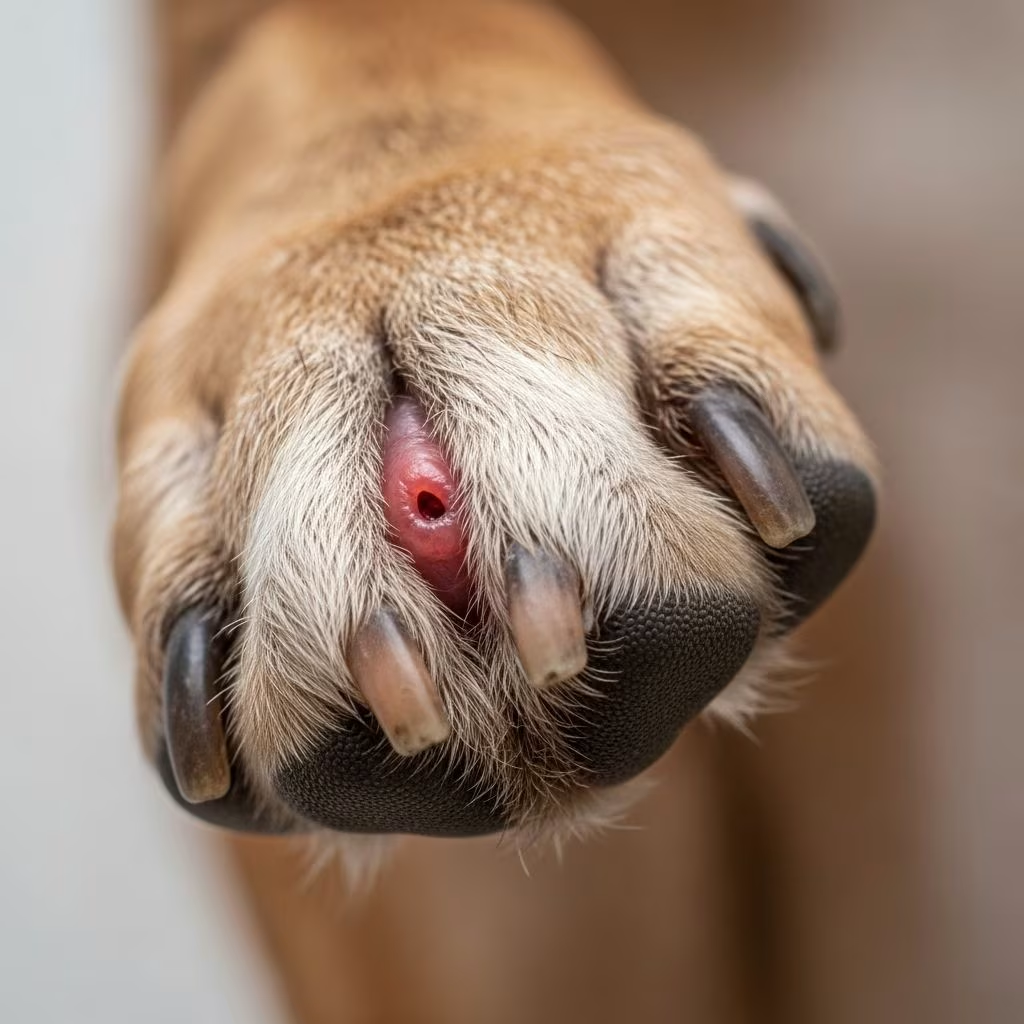
Interdigital cysts, also known as interdigital furuncles or follicular cysts, are common yet distressing skin issues affecting the paws of dogs. These painful nodules form between the toes, often resulting from deep bacterial infections combined with underlying factors like allergies or conformational abnormalities. Dogs may experience significant discomfort, leading to behavioral changes such as excessive paw licking or reluctance to walk.
Understanding the Anatomy of Dog Paws and Cyst Formation
The skin between a dog’s toes, or interdigital webbing, is prone to irritation due to constant friction during movement. When hair follicles in this area become blocked or damaged, they can rupture, sparking an inflammatory cascade. This process creates pus-filled swellings that push to the surface as red, shiny bumps. Unlike true cysts, these are often areas of deep pyoderma—intense bacterial involvement in deeper skin layers.
Certain paw structures exacerbate this vulnerability. Breeds with splayed toes, excess webbing, or short, coarse hair—like English Bulldogs, Labrador Retrievers, and Shar-Peis—face higher risks. The coarse hairs can ingrow, acting as irritants that invite secondary infections.
Primary Causes Behind Interdigital Cysts
Multiple factors converge to trigger these lesions. At the core is often a deep bacterial infection, but predisposing elements play crucial roles:
- Breed Predisposition: Dogs with broad paws, such as Pit Bull Terriers, Mastiffs, and German Shepherds, endure extra friction. Their paw conformation leads to repeated trauma on interdigital skin.
- Allergies: Atopic dermatitis from environmental allergens like pollen, dust mites, or grasses causes chronic paw inflammation, setting the stage for cysts.
- Obesity and Gait Issues: Excess weight amplifies paw pressure, while arthritis alters walking patterns, increasing friction.
- Foreign Bodies: Grass awns or debris can embed in the skin, prompting infection.
- Hair Follicle Problems: Comedones (blackheads) and follicular plugging from trauma lead to rupture and inflammation.
These elements often interact; for instance, an allergic dog with poor paw structure may develop recurrent cysts despite treatment.
Recognizing the Signs: Symptoms to Watch For
Early detection improves outcomes. Key indicators include:
- Painful, red, raised lumps (1-2 cm) between toes, often purple or shiny with hair loss.
- Limping, favoring one paw, or hesitation on hard surfaces.
- Excessive licking, chewing, or biting at paws, sometimes causing further trauma.
- Discharge: Pus, blood, or straw-colored fluid if the lesion bursts.
- Musty odor, thickened skin, or multiple nodules across paws.
Symptoms typically appear on front paws between the 4th and 5th toes but can affect any interdigital space. Young adults (1-3 years) and specific breeds show higher incidence. If untreated, cysts recur, forming draining tracts and granulomas from leaked keratin.
Diagnosis: Veterinary Evaluation Process
Vets confirm interdigital cysts through physical exams, noting dorsal erythema, nodules, or ventral comedones. They may clip fur for better visibility.
Diagnostic Tools:
| Method | Purpose | Details |
|---|---|---|
| Cytology/Skin Scrapes | Identify Bacteria/Fungi | Swabs reveal pyoderma; rules out mites. |
| Culture & Sensitivity | Targeted Antibiotics | Tests for resistant strains. |
| Biopsy | Rule Out Neoplasia | Histology shows pyogranulomatous inflammation. |
| Allergy Testing | Underlying Cause | Intradermal or blood tests for atopy. |
| Radiographs | Deep Involvement | Checks bone infection. |
Allergic or obese dogs warrant full workups to address root causes.
Treatment Strategies: From Medical to Surgical
Treatment targets infection, inflammation, and predispositions. Success requires addressing why cysts form.
Medical Management
- Antibiotics: Oral or topical for 3-6 weeks based on cultures; common choices include cephalexin.
- Topicals: Antiseptic soaks (Epsom salts), chlorhexidine shampoos.
- Anti-Inflammatories: NSAIDs like carprofen reduce pain/swelling.
- Allergy Control: Apoquel, Cytopoint injections, or hypoallergenic diets.
Supportive Home Care
- Prevent licking with boots, cones, or T-shirts over paws.
- Daily Epsom soaks (10-15 min) and paw balms for moisture.
- Weight management and soft bedding.
Surgical Options
For refractory cases: Fusion podoplasty reshapes webbing, removing cysts and follicles. Laser ablation offers precision with less bleeding. Success rates exceed 80% in predisposed breeds but require post-op care.
Prevention Tips for Long-Term Paw Health
Proactive measures curb recurrence:
- Regular Paw Checks: Clean after walks, trim hair between toes.
- Dietary Adjustments: Novel protein diets for allergies.
- Environmental Control: Wipe paws post-outdoors, use air purifiers.
- Exercise on Soft Surfaces: Avoid concrete; maintain ideal weight.
- Supplements: Omega-3 fatty acids for skin health.
When to Seek Immediate Veterinary Help
Rush to the vet if cysts rapidly enlarge, cause severe lameness, or show systemic signs like fever. Prompt intervention prevents chronic pododermatitis.
Frequently Asked Questions (FAQs)
Are interdigital cysts contagious?
No, they stem from individual factors like conformation, not direct transmission.
Can interdigital cysts resolve without treatment?
Rarely; they often recur without addressing causes.
How long do treatments take?
Medical therapy: 4-8 weeks; surgery recovery: 2-4 weeks.
Do all breeds get interdigital cysts?
No, short-coated, heavy breeds are most prone.
Is laser surgery better than traditional?
Laser minimizes pain and infection risk.
References
- Interdigital cysts in dogs | Health A-Z — Joii Pet Care. Accessed 2026. https://www.joiipetcare.com/blogs/health-conditions/interdigital-cysts-in-dogs
- Interdigital Cyst in Dogs: A Painful Bump — ToeGrips. Accessed 2026. https://toegrips.com/interdigital-cyst-dog/
- Canine Interdigital Follicular Cysts — Clinician’s Brief. Accessed 2026. https://www.cliniciansbrief.com/article/canine-interdigital-follicular-cysts
- Interdigital Cysts on Dogs — PetMD. Accessed 2026. https://www.petmd.com/dog/conditions/skin/interdigital-cysts-dogs
- Interdigital Folliculitis and Furunculosis — MedVet. Accessed 2026. https://www.medvet.com/interdigital-folliculitis-and-furunculosis-interdigital-cysts/
- Interdigital Cysts in Dogs — YouTube (VIN source). Accessed 2026. https://www.youtube.com/watch?v=42oV3T77v2I
- Interdigital Furunculosis in Dogs — Merck Veterinary Manual. Accessed 2026. https://www.merckvetmanual.com/integumentary-system/interdigital-furunculosis/interdigital-furunculosis-in-dogs



