

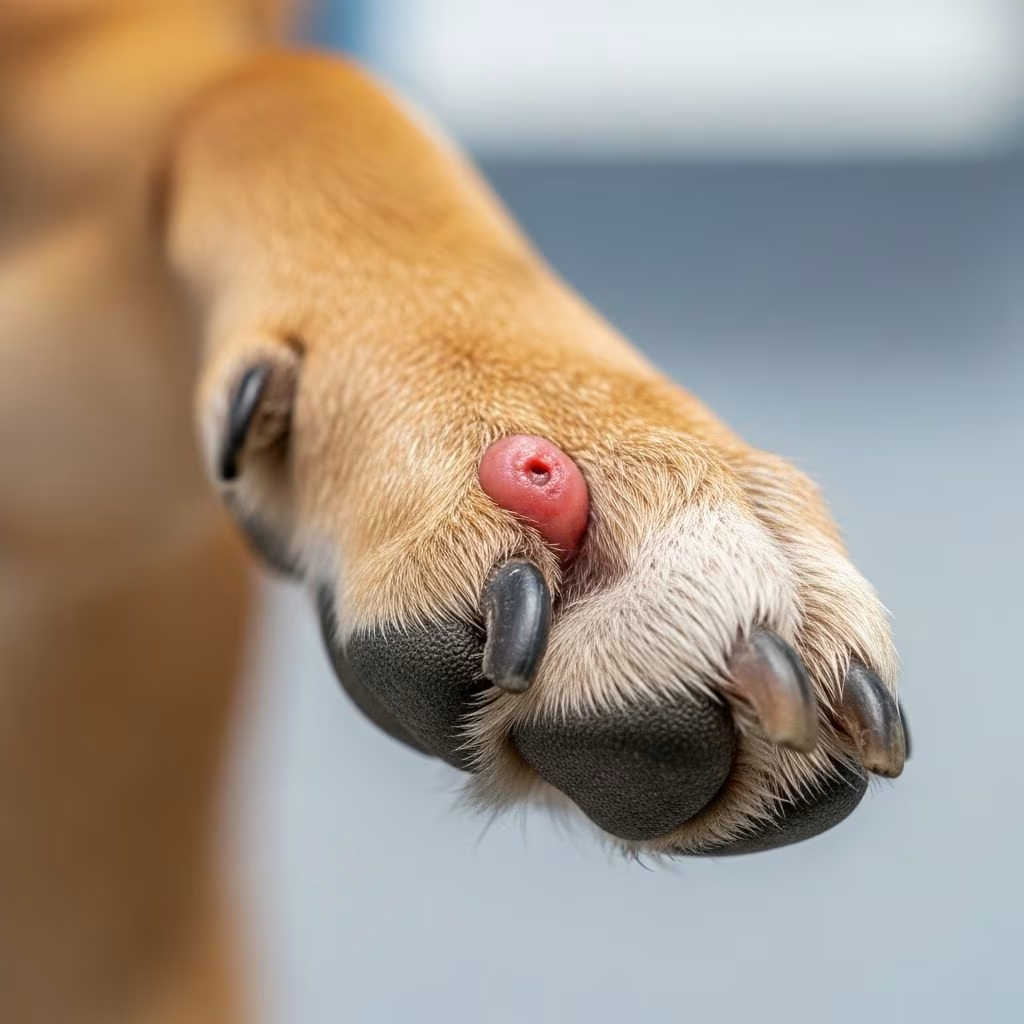
Interdigital cysts, also known as interdigital furuncles or follicular pododermatitis, are common yet distressing skin conditions affecting the webbing between a dog’s toes. These painful nodules often arise from deep bacterial infections and can significantly impact a dog’s mobility and comfort. While any dog can develop them, certain breeds and underlying health issues increase susceptibility. Early recognition and intervention are crucial to prevent recurrence and alleviate suffering.
Recognizing the Signs of Interdigital Cysts
Dogs with interdigital cysts typically exhibit noticeable behavioral changes due to discomfort. Common symptoms include limping or favoring one paw, excessive licking or chewing at the feet, reluctance to have paws touched, and visible swelling or redness between the toes. The affected areas often appear as raised, reddish-purple nodules, sometimes shiny and hairless, ranging from 1-2 cm in size. In advanced cases, these lesions may rupture, leading to bloody or pus-filled discharge and a foul odor.
- Limping or holding up a foot: Indicates pain during weight-bearing activities.
- Excessive paw licking/biting: Attempts to soothe irritation but can worsen the condition.
- Visible nodules: Red, inflamed bumps in interdigital spaces, often on front paws between toes 4 and 5.
- Hair loss and odor: Bald patches with a musty smell from secondary infections.
- Pain on touch: Dogs may yelp or pull away during examination.
These signs often first appear in young adults (1-3 years old) and can be mistaken for minor irritations until they progress.
Root Causes and Risk Factors
At their core, interdigital cysts stem from deep pyoderma, a bacterial infection penetrating the skin’s deeper layers. However, they rarely occur in isolation. Trauma from friction, conformational abnormalities, and secondary infections play key roles. Short, coarse hairs in breeds like English Bulldogs, Labrador Retrievers, and Pit Bulls can ingrow, irritating follicles and inviting bacteria.
| Risk Factor | Description | Common Breeds Affected |
|---|---|---|
| Breed Predisposition | Poor foot conformation, webbed toes, short prickly fur | Shar Peis, Bulldogs, Labs, Staffies |
| Allergies | Atopic dermatitis from pollen, dust mites, or food | All allergy-prone dogs |
| Obesity/Trauma | Excess weight increases paw pressure and friction | Overweight large breeds |
| Foreign Bodies | Grass awns (foxtails) embed in skin | Hunting/outdoor dogs |
| Parasites | Demodex mites exacerbate folliculitis | Any, but young dogs |
Allergies are a major contributor, with environmental triggers causing chronic inflammation that predisposes skin to infection. Anatomical issues, like splayed toes or varus/valgus deformities, lead to abnormal webbing friction, comedone formation, and cyst development.
How Vets Diagnose Interdigital Cysts
Diagnosis begins with a thorough history and physical exam, noting lesion location (often dorsal interdigital spaces) and associated lameness. Vets clip fur to reveal ventral changes like erythema, edema, and blackheads (comedones). Cytology via fine-needle aspirate identifies bacteria or pus, while biopsies rule out tumors or fungal issues. Underlying allergies may require intradermal testing or elimination diets.
- Visual inspection and paw palpation.
- Microscopic exam of discharge.
- Culture for resistant bacteria.
- Biopsy for chronic cases.
- Allergy screening if recurrent.
Early diagnosis prevents progression to draining tracts or granulomatous reactions from keratin debris.
Treatment Strategies: From Conservative to Advanced
Treatment targets infection, inflammation, and root causes. Mild cases respond to topical therapies like antibacterial soaks (e.g., chlorhexidine) and medicated shampoos. Systemic antibiotics, based on culture results, are standard for deep pyoderma, often paired with anti-inflammatories or steroids short-term.
For allergy-driven cysts, hypoallergenic diets, antihistamines, or immunotherapy provide long-term relief. Weight management and paw protection (boots) reduce trauma.
Medical Management
- Antibiotics: 3-6 weeks, e.g., cephalexin for Staph infections.
- Topicals: Silver sulfadiazine cream, Epsom salt soaks.
- Allergy control: Apoquel, Cytopoint injections.
Surgical and Laser Options
Refractory cases may need fusion podoplasty (webbing resection) or CO2 laser ablation to remove cysts and reshape paws. Laser therapy offers precise removal with minimal bleeding, faster healing, and reduced recurrence. Success rates exceed 80% in specialized centers.
Preventing Recurrence: Proactive Paw Care
Prevention focuses on hygiene, allergy management, and conformation awareness. Regular paw cleaning post-walks removes allergens and debris. E-collars deter licking. For predisposed breeds, professional grooming trims irritating hairs. Routine vet check-ups monitor for Demodex or thyroid issues.
- Daily paw wipes with antiseptic solutions.
- Allergy testing and management plans.
- Weight control diets.
- Avoidance of foxtail-prone areas.
- Protective paw wax or boots for rough terrain.
When to Seek Immediate Veterinary Help
Rush to the vet if your dog shows severe limping, multiple draining lesions, fever, or non-healing wounds. Delays allow deeper tissue damage and antibiotic resistance. Prompt care restores comfort quickly.
Frequently Asked Questions (FAQs)
Are interdigital cysts cancerous?
No, they are inflammatory responses, not tumors, though biopsies confirm this.
Can home remedies cure them?
Supportive care like soaks helps, but antibiotics are essential; consult a vet first.
Why do they recur?
Untreated allergies, obesity, or foreign bodies cause persistence.
How long do treatments take?
2-6 weeks for resolution, longer for surgery recovery.
Do all breeds get them equally?
No, short-coated, heavy breeds are at higher risk.
References
- Interdigital Cyst in Dogs: A Painful Bump Between Your Dog’s Toes — ToeGrips. 2023. https://toegrips.com/interdigital-cyst-dog/
- Canine Interdigital Follicular Cysts — Clinician’s Brief. 2022-10-01. https://www.cliniciansbrief.com/article/canine-interdigital-follicular-cysts
- Interdigital Cysts on Dogs — PetMD. 2024. https://www.petmd.com/dog/conditions/skin/interdigital-cysts-dogs
- Dog’s Painful Growths between Toes Removed by Laser — University of Illinois College of Veterinary Medicine. 2023. https://vetmed.illinois.edu/pet-health-columns/interdigital-cysts-removed-by-laser/
- Interdigital Furunculosis in Dogs — Merck Veterinary Manual. 2024. https://www.merckvetmanual.com/integumentary-system/interdigital-furunculosis/interdigital-furunculosis-in-dogs



