

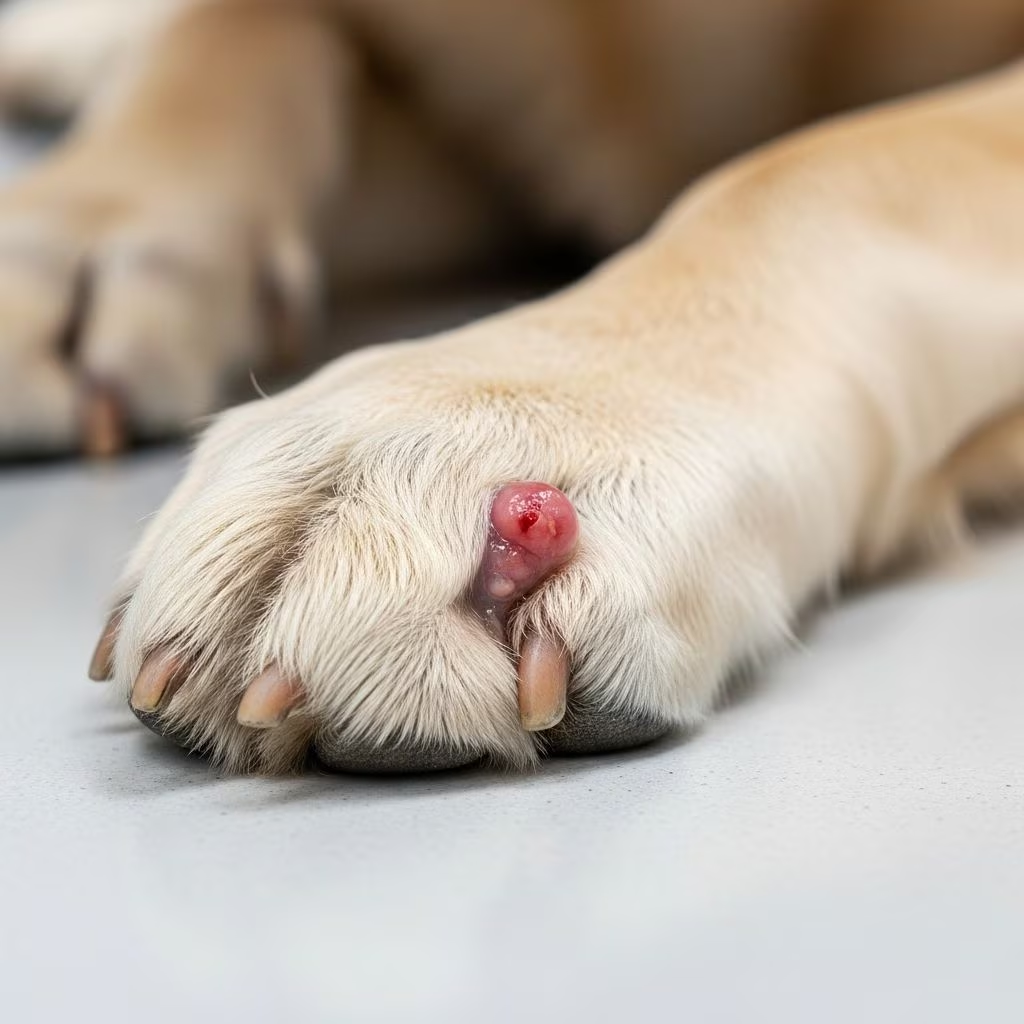
Understanding Interdigital Cysts in Dogs
Interdigital cysts are a common skin condition affecting dogs, characterized by raised, red bumps that develop between the toes. These painful lesions can significantly impact your dog’s quality of life and mobility. Whether your dog is experiencing this condition for the first time or has dealt with recurring cysts, understanding the nature of this problem is essential for effective management and treatment.
Interdigital cysts, also known as interdigital furunculosis, occur in the interdigital spaces—the areas between your dog’s toes. These cysts can vary in size and severity, ranging from small, barely noticeable bumps to large, painful lesions that cause considerable discomfort. The condition is not strictly a true cyst but rather an inflammatory process that can involve bacterial or fungal infections, making it a complex dermatological issue requiring professional veterinary attention.
What Causes Interdigital Cysts?
Understanding the underlying causes of interdigital cysts is crucial for effective long-term management. Multiple factors can contribute to their development, and identifying the root cause helps veterinarians recommend the most appropriate treatment strategy.
Allergies and Sensitivities
Allergies are among the most common underlying causes of interdigital cysts in dogs. Environmental allergies, food allergies, and contact dermatitis can all trigger inflammation in the interdigital spaces. When dogs experience allergic reactions, they often lick and chew their paws excessively, creating an environment conducive to cyst formation and secondary infections. Dogs with atopic dermatitis or other allergic conditions are particularly susceptible to developing recurring interdigital cysts.
Obesity and Arthritis
Excess weight puts additional pressure on a dog’s joints and feet, increasing the likelihood of interdigital cyst development. Similarly, arthritic changes in the joints can alter the dog’s gait and weight distribution, promoting inflammation between the toes. These chronic conditions require careful management to prevent or minimize cyst formation.
Bacterial and Fungal Infections
Secondary bacterial infections are extremely common in interdigital cysts. The warm, moist environment between the toes creates an ideal breeding ground for bacteria. Fungal infections, including yeast overgrowth, can also contribute to cyst development and may complicate treatment efforts.
Trauma and Foreign Objects
Repeated trauma to the interdigital spaces, whether from rough walking surfaces, excessive paw licking, or injuries, can lead to cyst formation. Foreign objects such as grass awns, dirt, or other debris can become lodged between the toes, causing irritation and subsequent infection.
Recognizing the Signs and Symptoms
Early recognition of interdigital cysts allows for prompt veterinary intervention and more effective treatment. Dogs with interdigital cysts typically display several characteristic signs that alert owners to the problem.
Observable Symptoms
The most visible signs of interdigital cysts include raised red bumps located between the toes. Many dogs experience noticeable discomfort, leading to increased licking or chewing at their feet—often more than their normal grooming behavior. Your dog’s paws may appear discolored, particularly if secondary infections have developed.
In some cases, you may notice small blood spots on your floors or furniture, indicating that a cyst has ruptured. This rupturing can lead to discharge and further complications if left untreated. Some dogs may also develop visible discharge or drainage from the affected areas.
Behavioral Changes
Dogs experiencing interdigital cyst pain often display behavioral changes related to mobility and comfort. These may include limping, reluctance to walk or stand on the affected paw, or avoiding certain surfaces altogether. In severe cases, dogs may refuse to bear weight on the affected limb, significantly impacting their activity level and overall quality of life.
Excessive licking and chewing of the paws can become obsessive, and dogs may show signs of frustration or distress when touched in the affected areas. Some dogs may also exhibit changes in sleeping positions or become protective of their feet.
Diagnosis of Interdigital Cysts
Accurate diagnosis is essential for determining the most effective treatment approach. Veterinarians employ a comprehensive diagnostic strategy to confirm the presence of interdigital cysts and identify underlying causes.
Physical Examination
The diagnostic process begins with a thorough physical examination. Your veterinarian will carefully inspect the interdigital skin between your dog’s toes, looking for signs of inflammation, swelling, redness, and painful lesions or nodules. This visual assessment provides valuable initial information about the extent and severity of the condition.
Specialized Diagnostic Tests
To ensure accuracy and rule out other conditions that may mimic similar symptoms, veterinarians may employ various diagnostic tests. These can include:
- Skin biopsy sent to a laboratory to rule out cancerous growths or other serious conditions
- Bacterial culture to identify specific bacterial pathogens responsible for infection
- Skin scrapings to check for demodex mites or other parasitic infestations
- Fungal culture to identify yeast or fungal infections
- Allergy testing to determine if allergies are contributing to cyst formation
Imaging Considerations
In some cases, X-rays may be recommended to assess whether underlying bone or joint changes, such as arthritis, are contributing to the problem. This comprehensive diagnostic approach helps your veterinarian develop a targeted treatment plan addressing the root causes rather than just the symptoms.
Treatment Options for Interdigital Cysts
Treatment approaches for interdigital cysts vary depending on the severity of the condition, underlying causes, and individual dog factors. Your veterinarian will typically discuss multiple treatment options to determine the most suitable approach for your pet.
Medical Management
Medical therapy is often the first line of treatment and focuses on controlling the underlying cause. Treatment typically includes allergy treatments, hypoallergenic diets, and anti-inflammatory medications such as steroids like prednisone and cyclosporine, marketed as Atopica™.
For bacterial infections, antibiotics are frequently prescribed. These may be administered topically as medicated creams or ointments applied directly to the cyst, or orally as systemic antibiotics. In cases of secondary bacterial infection, long courses of antibiotics lasting up to eight weeks may be necessary. Your veterinarian may also recommend pentoxifylline, a medication that enhances the effects of antibiotics.
Additional medical interventions may include:
- Topical or oral anti-fungal medications for fungal infections
- Anti-inflammatory medications and nonsteroidal anti-inflammatory drugs (NSAIDs)
- Immunosuppressive drugs in severe cases related to autoimmune conditions
- Antimicrobial paw soaks using chlorhexidine for superficial inflammation management
Supportive Care
Beyond medication, supportive care plays an important role in managing interdigital cysts. If arthritis or obesity has promoted cyst formation, these conditions need to be managed more effectively through medications and nutritional therapy. Providing protective boots during walks, especially in cold and wet weather, can help prevent irritation and protect feet from rough surfaces. Controlling the surfaces your dog walks on and maintaining good paw hygiene through regular cleaning are also beneficial.
Surgical Intervention
For severe cases that don’t respond to medical management, surgical options may be considered. Traditional surgical approaches include incision and drainage procedures, which involve making a small incision to drain accumulated fluid or pus, providing immediate relief and allowing faster healing. Surgical excision of the cyst may also be recommended in certain cases.
CO2 Laser Therapy
CO2 laser surgery has emerged as a highly effective treatment option for interdigital cysts. This advanced technique uses a CO2 laser to vaporize the affected tissue and cut into the deeper skin tissue layers to remove the cyst and surrounding tissue. One significant advantage of laser therapy is that it won’t alter your dog’s normal paw structure.
Research has shown promising results with CO2 laser treatment. One small study examining the response of interdigital cysts to laser surgery revealed that the cysts did not reoccur in 25 of the 28 dogs after treatment. However, laser therapy does require multiple treatments in some cases and involves intensive post-operative care. After laser treatment, feet are typically bandaged and require careful monitoring during the healing process.
Managing Underlying Conditions
Long-term success in treating interdigital cysts often depends on managing the underlying conditions that contribute to their formation. If your dog experiences recurring cysts, this may indicate a deeper issue such as an allergic reaction, dietary sensitivity, or environmental influences.
Particularly if cysts appear alongside other symptoms such as weepy eyes, rashes, or gastrointestinal issues, investigating diet and environmental factors becomes crucial. Working closely with your veterinarian to identify and manage these underlying conditions significantly improves the prognosis and reduces the likelihood of recurrence.
Recovery and Follow-Up Care
The recovery timeline for interdigital cysts varies depending on the treatment method used and the severity of the condition. With appropriate medical management, many dogs experience improvement within two to four weeks. However, consistent follow-up care is essential to monitor healing and adjust treatment as needed.
Your veterinarian will likely recommend multiple follow-up appointments to assess your dog’s progress, evaluate the effectiveness of treatment, and make adjustments if necessary. Compliance with prescribed treatment regimens, including cleaning routines, medication administration, and activity restrictions, significantly impacts recovery outcomes.
Frequently Asked Questions About Interdigital Cysts
Q: Will interdigital cysts go away on their own?
A: While some minor cysts may occasionally resolve without intervention, most interdigital cysts require veterinary treatment for proper healing and prevention of complications. Without treatment, cysts typically persist for weeks to several months and may worsen over time.
Q: How long does treatment typically take?
A: The duration varies depending on the treatment method and severity. Medical therapy may take two to four weeks to show improvement, while secondary bacterial infections may require antibiotics for up to eight weeks. Laser therapy results may be seen more quickly, though multiple treatments might be necessary.
Q: Can interdigital cysts be prevented?
A: While prevention isn’t always possible, certain measures can reduce risk. Having your dog wear booties in cold, wet weather, maintaining a healthy weight, managing allergies, and providing appropriate surfaces for walking can all help prevent interdigital cyst formation.
Q: Are interdigital cysts contagious?
A: Interdigital cysts themselves are not contagious. However, if they’re caused by fungal infections, there’s a small possibility of transmission to other pets in close contact. Bacterial infections are not typically contagious between dogs.
Q: When should I seek veterinary care for interdigital cysts?
A: You should contact your veterinarian as soon as you notice signs of interdigital cysts. Early intervention typically leads to better outcomes and faster resolution of symptoms.
References
- Interdigital Cyst in Dogs: A Painful Bump Between Your Dog’s Toes — Toe Grips. 2024. https://toegrips.com/interdigital-cyst-dog/
- Interdigital Cysts in Dogs – Can They Be Treated? — Waggel. 2024. https://www.waggel.co.uk/blog/post/interdigital-cysts-in-dogs
- Interdigital Cysts In Dogs: How To Treat Them — Dogs Naturally Magazine. 2024. https://www.dogsnaturallymagazine.com/home-remedies-for-your-dogs-interdigital-cysts/
- Interdigital Cysts in Dogs — VCA Animal Hospitals. 2024. https://vcahospitals.com/know-your-pet/interdigital-cysts-in-dogs
- Dog’s Painful Growths between Toes Removed by Laser — College of Veterinary Medicine, University of Illinois. 2024. https://vetmed.illinois.edu/pet-health-columns/interdigital-cysts-removed-by-laser/
- Interdigital Furunculosis in Dogs – Integumentary System — Merck Veterinary Manual. 2024. https://www.merckvetmanual.com/integumentary-system/interdigital-furunculosis/interdigital-furunculosis-in-dogs
- Interdigital Furunculosis: Medical and Surgical Options — DVM360. 2024. https://www.dvm360.com/view/interdigital-furunculosis-medical-and-surgical-options



