

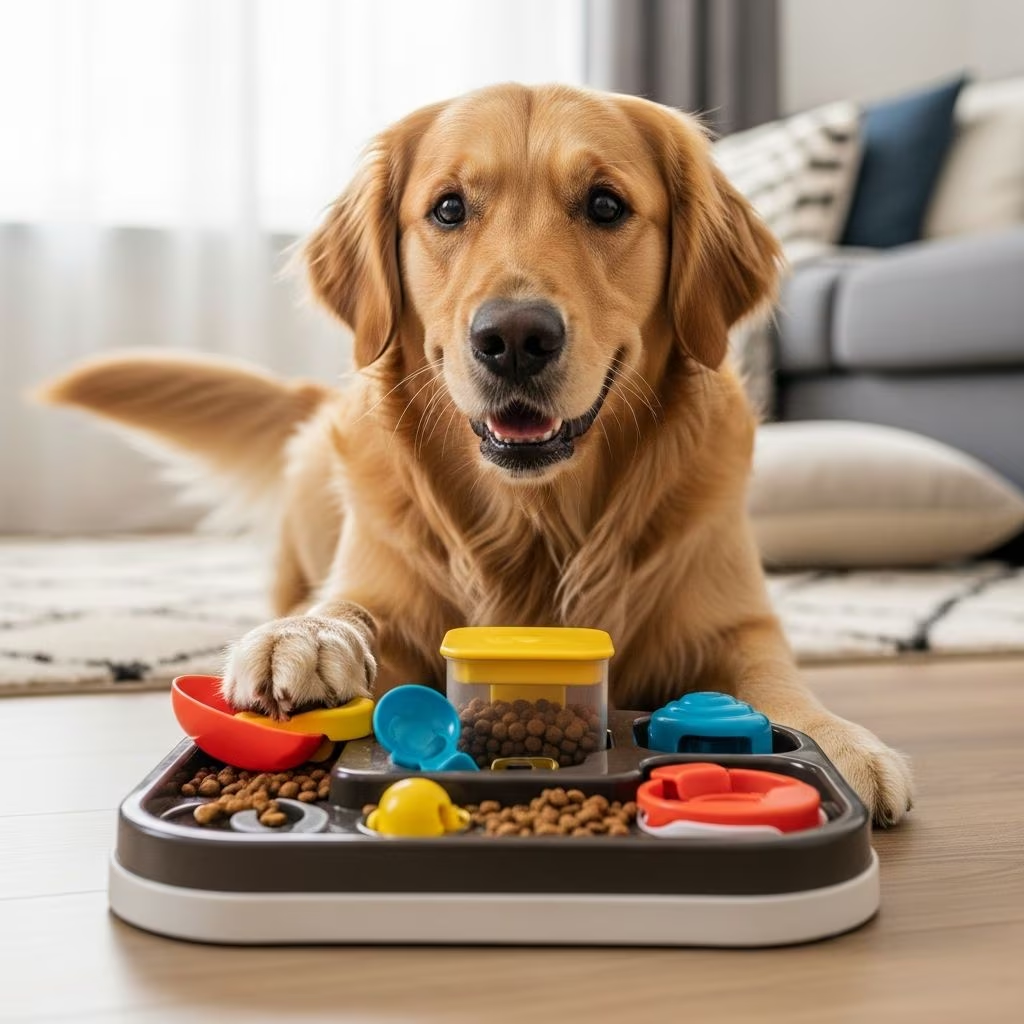
Feeding time represents one of the most fundamental aspects of dog ownership, yet many pet parents approach it as a simple routine: fill a bowl, watch their dog eat, repeat. However, modern canine wellness has evolved significantly, introducing innovative approaches to mealtime that transform feeding from a mundane task into an enriching experience. Interactive feeding solutions, commonly known as food-dispensing toys, represent a paradigm shift in how we nourish and mentally engage our canine companions.
Understanding Interactive Feeding Mechanisms
Interactive feeding toys operate on a fundamental principle: they require dogs to work for their food rather than consume it passively from a stationary dish. The mechanics vary considerably across different product designs, but the underlying concept remains consistent—encouraging active participation during meals. When you fill these toys with kibble or treats, your dog must engage in specific actions to access the reward.
These mechanical systems employ various techniques to dispense food gradually. Some toys feature mechanisms requiring dogs to twist, roll, or manipulate the device using their paws, nose, or mouth. Others incorporate puzzle elements where dogs must identify patterns or solve spatial problems to reveal compartments containing their food. Brain teaser variants present hidden layers and concealed sections, transforming mealtime into an intellectual challenge.
Modern technology has introduced electronic variants that elevate interactive feeding to new sophistication levels. These high-tech dispensers utilize remote controls, programmable timers, and even smartphone applications to release food at predetermined intervals or random moments. Some advanced models integrate cameras, allowing pet parents to monitor their dogs and deliver treats while away from home.
Digestive and Nutritional Advantages
Perhaps the most scientifically supported benefit of interactive feeding toys relates to digestive health. Dogs that consume meals rapidly—a behavior sometimes called “gulping”—experience compromised nutrient absorption and increased risk of gastrointestinal distress. By forcing slower consumption, these toys fundamentally alter eating patterns in beneficial ways.
When dogs eat at measured paces, their digestive systems function more efficiently. The extended feeding duration allows stomach acid and digestive enzymes adequate time to process food properly, improving overall nutrient utilization. This slower consumption also reduces the risk of bloat, a serious and potentially life-threatening condition that disproportionately affects dogs prone to rapid eating.
Weight management represents another critical nutritional consideration addressed by interactive feeders. Dogs that expend energy working for food burns additional calories during the eating process itself, contributing to overall caloric expenditure and reduced obesity risk. Additionally, the extended feeding time provides psychological satisfaction, potentially reducing food-seeking behaviors and excessive eating patterns.
Mental Enrichment and Cognitive Development
Canine cognition requires ongoing stimulation to maintain optimal function, much like human brains benefit from intellectual challenges. Interactive feeding toys serve as direct conduits for mental exercise, engaging problem-solving abilities and critical thinking skills. As dogs manipulate toys and figure out release mechanisms, they exercise neural pathways associated with learning, memory, and spatial reasoning.
This mental stimulation proves particularly valuable for high-energy breeds and dogs with naturally inquisitive temperaments. Breeds developed for hunting, herding, or retrieval carry genetic predispositions toward problem-solving and pattern recognition; interactive feeders tap directly into these hardwired behaviors. By channeling these natural inclinations into feeding activities, owners provide meaningful mental outlets that satisfy deep behavioral drives.
The cognitive engagement derived from interactive feeders extends beyond the feeding event itself. Dogs that regularly engage in puzzle-based feeding demonstrate improved learning capacity in other contexts and show enhanced ability to navigate new problems and situations.
Behavioral Modification and Emotional Regulation
Destructive behaviors, excessive barking, and anxiety-related issues frequently stem from insufficient mental and physical stimulation. Interactive feeding toys address these behavioral challenges by occupying dogs’ minds and channeling energy productively. The engagement required to extract food from puzzle toys creates a focused mental state that displaces undesirable behaviors.
Separation anxiety particularly responds well to interactive feeding interventions. Dogs left alone with engaging food toys experience reduced stress and anxiety, as their attention concentrates on solving the puzzle rather than dwelling on their owner’s absence. This practical benefit makes interactive feeders valuable tools for working pet parents and those managing dogs with anxiety disorders.
Beyond anxiety reduction, the accomplishment dogs experience when successfully extracting food generates positive reinforcement loops. Each successful puzzle completion triggers dopamine release, creating positive emotional associations with feeding times and independent activity.
Dental Health Considerations
Many interactive feeding toys incorporate chewing elements that provide secondary benefits for oral health. The mechanical action of chewing strengthens jaw muscles while promoting healthy chewing habits. Regular chewing activity redirects dogs’ natural gnawing instincts away from household items like shoes, furniture, and potentially dangerous objects toward appropriate toy targets.
The friction generated during chewing against textured toy surfaces may contribute to plaque reduction and improved dental hygiene. While interactive feeders shouldn’t replace professional dental care, they represent a complementary approach to maintaining oral health through natural behavioral engagement.
Variety in Interactive Feeding Solutions
The market offers diverse interactive feeding options accommodating different dog sizes, behavioral characteristics, and owner preferences. Understanding available categories helps pet parents select solutions matching their specific circumstances.
Wobble and Roll Toys
Designed with weighted bases and rounded shapes, these toys dispense treats as dogs nose or paw them, triggering movement and unpredictability. The wobbling and rolling motion keeps dogs engaged through extended play periods while dispensing food gradually. These designs promote slower eating while maintaining entertainment value through kinetic rewards.
Orbital and Spinning Mechanisms
Featuring central orbs or spinning components housed within static outer rings, these toys reward dogs for pushing, pawing, and rolling motions. The intermittent treat release creates variable reward schedules that maintain engagement and interest across multiple play sessions.
Two-Piece Puzzle Designs
Inspired by nature, some toys incorporate cap-and-stem designs with internal chambers for storing complete meals or favorite treats. The separation of components creates a puzzle element where dogs must manipulate pieces to access food, extending the intellectual component of feeding.
Snuffle Mats and Foraging Tools
Leveraging dogs’ natural sniffing and foraging behaviors, snuffle mats feature soft fabric with hidden treat pockets requiring dogs to search and root through material to locate food. This low-tech solution engages powerful scent-tracking instincts while promoting extended feeding durations.
Electronic and App-Controlled Dispensers
Sophisticated electronic models employ programmable timers, remote controls, and mobile applications for sophisticated feeding management. Some integrate camera systems enabling real-time monitoring and remote treat delivery from anywhere. These solutions suit owners managing multiple pets or dogs requiring timed feeding intervals.
Implementation Strategies and Best Practices
Introducing interactive feeders requires thoughtful implementation ensuring dogs develop positive associations rather than frustration. Beginning with simpler puzzle designs allows dogs to experience early success, building confidence before progressing to more complex mechanisms. Gradual introduction prevents discouragement and ensures dogs understand the reward-effort relationship.
Rotating between different interactive toys maintains novelty and engagement, preventing habituation to specific designs. Dogs can become overly familiar with particular puzzle solutions, reducing the mental challenge. Periodically substituting toys with varying difficulty levels maintains cognitive stimulation and renewed interest.
Supervision during initial use ensures dogs don’t struggle excessively or develop negative associations with the toys. Offering guidance and encouragement helps dogs discover release mechanisms without frustration. Once dogs understand mechanisms, they typically engage independently with enthusiasm.
Selecting Appropriate Solutions for Your Dog
| Dog Characteristic | Recommended Toy Type | Key Benefit |
|---|---|---|
| Fast Eaters | Puzzle Feeders, Wobble Toys | Extended feeding duration, improved digestion |
| High-Energy Breeds | Complex Puzzles, Spinning Mechanisms | Mental stimulation, behavioral redirection |
| Senior Dogs | Simpler Designs, Snuffle Mats | Cognitive engagement without physical strain |
| Anxiety-Prone Dogs | Electronic Dispensers, Engaging Puzzles | Stress reduction, anxiety management |
| Multi-Dog Households | Multiple Toys, Electronic Dispensers | Individual feeding control, conflict reduction |
Frequently Asked Questions
Are interactive feeders suitable for all dog ages?
Interactive feeders work well for most adult dogs and senior dogs, though simpler designs suit older pets better than complex puzzles. Puppies can use interactive feeders once they’ve mastered basic feeding behaviors, typically around four to six months old. Always select age-appropriate complexity levels to prevent frustration.
Can interactive feeders completely replace regular bowls?
While interactive feeders provide excellent meal delivery solutions, many dog owners use them as supplements to traditional bowls rather than complete replacements. Some dogs benefit from combination approaches, receiving some meals from interactive toys and others from standard dishes.
How long should dogs spend on interactive feeders?
Feeding duration varies by toy type and dog individual characteristics, typically ranging from 10 to 45 minutes. Extended feeding times provide maximum digestive benefits and mental stimulation, though individual dogs show different engagement levels and solving speeds.
What if my dog struggles with specific toy designs?
If dogs seem frustrated by particular mechanisms, switch to simpler alternatives or provide guidance during use. Patience and encouraging play help dogs discover solutions without developing negative associations. Different dogs excel with different toy types; finding optimal matches requires experimentation.
Do electronic dispensers justify their higher cost?
Electronic dispensers offer significant convenience for busy owners and unique features like remote treat delivery and monitoring. While more expensive than basic puzzle toys, the investment proves worthwhile for owners seeking sophisticated feeding management or managing separation anxiety.
Conclusion: Transforming Mealtime Into Enrichment
Interactive feeding solutions represent meaningful advancements in canine nutrition and behavioral health, moving beyond basic caloric provision toward holistic wellness. By implementing food-dispensing toys, dog owners create multifaceted benefits spanning improved digestion, enhanced mental function, behavioral modification, and emotional wellbeing. The variety of available options ensures every dog owner can discover solutions matching their specific circumstances and dogs’ individual needs. Whether addressing rapid eating patterns, managing high energy levels, reducing anxiety, or simply enriching daily routines, interactive feeders offer practical, engaging pathways toward healthier, happier canine companions.
References
- The Benefits of Food-Dispensing Toys — Sit Means Sit Orange County. https://sitmeanssit.com/dog-training-mu/orange-county-dog-training/the-benefits-of-food-dispensing-toys/
- How Treat Dispensing Help Slow Down Your Dog’s Eating — Up Dog Shop. https://updogshop.com/blogs/news/how-treat-dispensing-slow-down-dogs-eating
- The Mental and Physical Perks of Food Dispensing Toys — Good Dog People. https://gooddogpeople.com/blogs/dog-talk/the-mental-and-physical-perks-of-food-dispensing-toys
- The Benefits of Treat Dispensing Toys — Sit Means Sit Dog Training Frederick. https://sitmeanssitfrederick.com/the-benefits-of-treat-dispensing-toys/
- An Introduction to the Benefits of Food Dispensing Toys — Dog-ease. https://www.dog-ease.co.uk/enhancing-your-dogs-mental-wellbeing-part-1-an-introduction-to-the-benefits-of-food-dispensing-toys/
- Benefits of Treat-Dispensing Dog Toys — Life’s Abundance. https://blog.lifesabundance.com/post/2024/11/20/benefits-of-treat-dispensing-dog-toys.aspx
- Benefits of Dog Enrichment Toys — Mountainside Veterinary Hospital. https://www.mountainsidevets.com/blog/dog-enrichment-toys



