

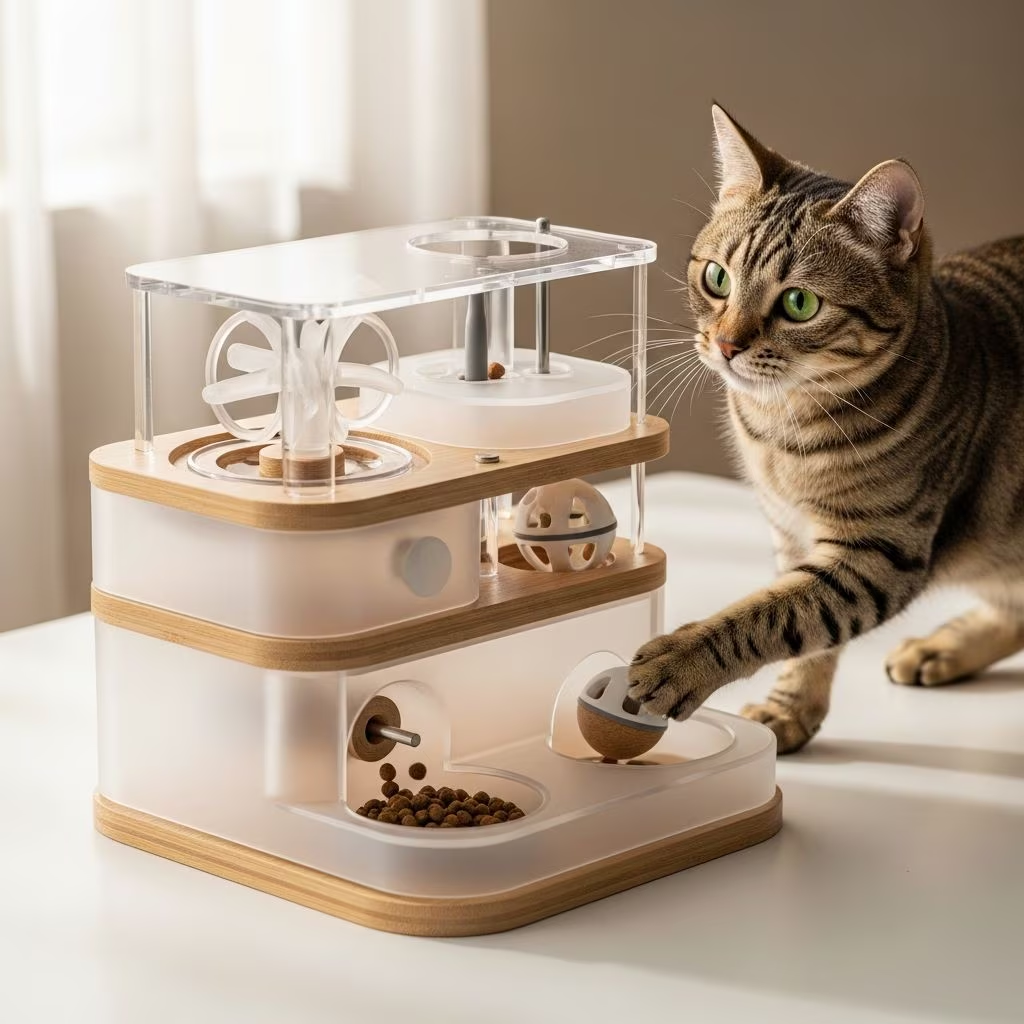
Feeding time represents more than just nutritional intake for domestic cats—it’s an opportunity to engage their inherent instincts and promote overall wellbeing. Traditional feeding methods, where cats eat from stationary bowls, don’t account for the behavioral and physiological needs that millions of years of evolution have ingrained in feline biology. Interactive feeding solutions and enrichment toys offer a modern approach to cat nutrition that bridges the gap between domesticity and natural feline behaviors. These tools transform mealtimes into engaging experiences that benefit cats physically, mentally, and emotionally.
Understanding Feline Feeding Instincts and Natural Behaviors
In the wild, cats are solitary hunters that spend significant portions of their day stalking, pouncing, and consuming small prey. This predatory behavior involves problem-solving, physical exertion, and mental engagement. When domestic cats eat from bowls, they miss these crucial behavioral outlets. The gap between their ancestral feeding patterns and modern domesticated routines can contribute to behavioral issues, weight gain, and reduced mental stimulation. Interactive feeding toys reconnect cats with these natural instincts by requiring them to work for their food, mimicking the effort and engagement of hunting.
Research indicates that cats typically prefer eating multiple small meals throughout the day rather than consuming large quantities at once. This eating pattern aligns perfectly with the design of many interactive feeding devices, which naturally encourage smaller, more frequent food portions as cats work to access each reward. By working with rather than against feline biology, interactive feeding solutions create a more satisfying and appropriate feeding experience.
Mental Enrichment and Cognitive Development
One of the most significant benefits of interactive feeding toys is the mental stimulation they provide. Puzzle feeders and food-dispensing toys require cats to problem-solve, strategize, and navigate obstacles to access their food. This cognitive engagement combats boredom, which is a common issue in indoor cats with limited environmental stimulation.
A bored cat is more likely to develop behavioral problems, including excessive vocalization, destructive scratching, inappropriate elimination, and aggression. By engaging cats’ problem-solving abilities during meals, interactive feeding toys help redirect this energy toward positive activities. The mental challenge of figuring out how to manipulate puzzle elements or activate food dispensers provides the type of intellectual engagement that contributes to a healthier, more balanced emotional state.
Studies published in peer-reviewed veterinary literature have documented that environmental enrichment, including interactive feeding methods, reduces signs of stress in cats and contributes to their overall psychological wellbeing. The sense of achievement and satisfaction that cats experience upon successfully obtaining their reward reinforces positive behaviors and creates a more fulfilling daily routine.
Digestive Health and Eating Speed
Many cats are naturally fast eaters, consuming their meals within minutes or even seconds. Rapid eating can lead to several digestive concerns, including incomplete mastication of food, reduced nutrient absorption, and increased likelihood of gastrointestinal discomfort. Interactive feeding toys inherently slow down eating speed by requiring cats to engage in multiple actions to access small quantities of food.
When cats eat slowly, they have more time to properly chew and process their food, which enhances digestive efficiency. The extended feeding duration allows digestive enzymes to work more effectively and reduces the incidence of vomiting and regurgitation that often accompanies rapid consumption. Additionally, slower eating promotes better satiety signals, as the brain has adequate time to register fullness cues from the stomach and gastrointestinal tract.
The mechanical action of cats working to obtain food from interactive feeders also engages their natural biting and chewing instincts, which provides additional benefits for dental health and jaw muscle development.
Weight Management and Metabolic Support
Obesity has become an increasingly prevalent health concern in domestic cats, contributing to diabetes, joint disease, heart complications, and reduced lifespan. Interactive feeding toys address weight management through multiple mechanisms. First, the increased physical activity required to work for food burns additional calories throughout the day. Even cats with limited mobility can benefit from the mental and light physical engagement that interactive feeders provide.
Second, these feeding devices naturally portion-control food intake, as cats typically can only access small quantities at a time. This prevents the overeating that commonly occurs when food is freely available or presented in large bowls. Third, the extended eating duration and increased engagement with food promotes greater feelings of satiety, reducing food-seeking behaviors and requests for additional meals between scheduled feeding times.
Research conducted at veterinary institutions has demonstrated that cats on weight loss programs can achieve significant reductions in body condition scores when dietary changes are combined with increased physical activity and environmental enrichment. While interactive feeding alone may not be sufficient for dramatic weight loss, it functions as an effective component of comprehensive weight management strategies.
Behavioral Modification and Anxiety Reduction
Beyond physical health benefits, interactive feeding toys can address various behavioral concerns. Cats that engage in attention-seeking behaviors—such as excessive meowing, following owners constantly, or interrupting activities—sometimes do so because they lack adequate stimulation and engagement. Providing regular opportunities for cats to work for their food helps satisfy their need for mental engagement and reduces these disruptive behaviors.
Additionally, anxiety and stress-related behaviors can diminish when cats have consistent outlets for natural behaviors. Interactive feeding provides this outlet during a regular, predictable part of the day. Cats that previously displayed signs of anxiety or fear often show measurable improvements in confidence and relaxation once interactive feeding becomes part of their routine. The routine nature of the activity also helps establish a sense of predictability and security.
For multi-cat households, interactive feeding toys can reduce tension and aggression related to food competition, as each cat can work independently on their own puzzle or feeder without feeling threatened by housemates.
Types of Interactive Feeding Solutions
The market offers numerous options for interactive feeding, each with distinct characteristics and appropriate applications:
| Feeder Type | Mechanism | Best For | Considerations |
|---|---|---|---|
| Puzzle Feeders | Cats must manipulate, flip, or slide components to access kibble compartments | Mental stimulation and problem-solving engagement | Requires adequate space; may need supervision initially |
| Food Balls | Kibble dispenses gradually as cats bat and roll the ball | Active play combined with feeding | Works best with dry food; can be used for treats |
| Slow Feeders | Built-in obstacles and ridges slow eating pace | Reducing eating speed; digestive support | Can be used with wet or dry food |
| Lick Mats | Textured surface encourages licking; food spreads in grooves | Wet food; sensory engagement; anxiety reduction | Can be refrigerated; requires cleaning |
| Automated Dispensers | Scheduled or on-demand release of portioned meals | Multiple small meals; owner absence; portion control | Requires batteries or electricity; regular cleaning needed |
| Food Trees | Multiple levels with compartments accessed through climbing and exploration | Vertical enrichment; extended foraging experience | Requires adequate vertical space in home |
Selecting the Appropriate Interactive Feeder for Your Cat
Choosing an interactive feeding solution requires consideration of several individual factors specific to each cat. Age plays an important role, as kittens and very elderly cats may have different physical capabilities than adult cats in their prime. A kitten might enjoy challenging puzzles that engage their developing coordination, while a senior cat might benefit more from slow feeders that reduce eating speed without requiring significant physical manipulation.
Physical capabilities and mobility status should influence feeder selection. Cats with arthritis or limited mobility may struggle with feeders requiring substantial pouncing, climbing, or precise paw coordination. For these cats, gentler options like slow feeders or lick mats provide engagement without physical strain.
Personality and play style also matter. Some cats are naturally inquisitive and enjoy complex problem-solving, making elaborate puzzle feeders ideal. Other cats prefer simpler interactions and might be overwhelmed by highly complex devices. Observing your cat’s natural play preferences and problem-solving tendencies can guide selection of appropriate interactive feeding tools.
Household composition affects feasibility as well. In multi-cat homes, individual feeding stations can prevent competition and ensure each cat receives adequate nutrition. Households with dogs or other pets may need to position feeders in locations accessible only to cats, requiring elevated placement or enclosed feeding areas.
Implementation Strategies and Gradual Introduction
Successfully transitioning from traditional bowl feeding to interactive feeders requires a thoughtful, gradual approach. Cats are creatures of habit, and sudden changes to established routines can cause stress and resistance. The implementation process should begin with familiarization, allowing the cat to explore the new feeder without food rewards. Placing the empty feeder in the feeding area lets your cat become comfortable with its presence and appearance before expecting behavioral changes.
Initial feeding sessions should include a mixture of traditional bowl feeding and interactive feeder use. Start by placing a small amount of the cat’s regular food in the interactive feeder alongside their regular bowl, allowing them to choose. Some cats will immediately engage with the new device, while others may require several days or weeks before showing interest. Patience and positive reinforcement are essential during this transition phase.
As your cat becomes more confident and skilled with the interactive feeder, gradually increase the proportion of meals delivered through this method. Eventually, you may transition to complete reliance on interactive feeders, though many cat owners find benefit in maintaining a mix of feeding methods to prevent boredom and provide variety.
Addressing initial resistance requires patience and problem-solving. If a cat refuses to engage with an interactive feeder, try using their favorite treats or high-value foods to increase motivation. You can also manually demonstrate how the feeder works, making the food release mechanism obvious before expecting independent problem-solving. Some cats benefit from feeding at times when they’re naturally hungrier, such as early morning or before their regular activity periods.
Important Precautions and Considerations
While interactive feeding toys offer numerous benefits, certain precautions help ensure safe and effective use. Regularly inspect feeders for damage, as broken pieces could present choking hazards or sharp edges. Interactive feeders accumulate residual food particles and moisture, creating potential environments for bacterial growth if not cleaned properly. Establish a routine cleaning schedule appropriate to the specific feeder type—daily washing for lick mats and slow feeders, regular inspection and cleaning for puzzle feeders.
Monitor your cat’s behavior during the transition period, watching for signs of frustration or anxiety. While some cats thrive on the challenge of interactive feeders, others may experience stress if they cannot successfully access their food. If a cat shows prolonged frustration, consider choosing a less challenging feeder type or reverting to a mixed feeding approach.
Cats with certain medical conditions may require special considerations. Cats with oral disease or dental concerns might struggle with feeders requiring significant manipulation. Cats with gastrointestinal sensitivities need careful monitoring to ensure interactive feeders don’t exacerbate their conditions. Consult your veterinarian if your cat has underlying health conditions before making significant feeding changes.
For households with multiple cats, ensure each cat has access to an appropriate feeding location and receives adequate nutrition. Interactive feeders should be placed where subordinate cats aren’t prevented from accessing food by more dominant housemates.
Addressing Common Concerns and Myths
Some cat owners worry that interactive feeders might frustrate their cats or cause them to go hungry. In reality, properly selected and introduced interactive feeders are designed to be achievable, providing appropriate challenge without creating anxiety or preventing adequate food intake. Most cats quickly learn how to use interactive feeders and actually enjoy the process.
Another common concern involves time efficiency—some owners worry that interactive feeders require too much time or attention. Modern automated dispensers address this concern by releasing portions on schedules, eliminating the need for constant manual feeding. Even manual interactive feeders typically require only slightly more time setup than traditional bowl feeding, and the behavioral benefits far outweigh minor time investments.
Some individuals believe that feeding from bowls is somehow more natural or appropriate for cats. However, the opposite is actually true—in natural environments, cats spend considerable time and effort obtaining food through hunting and foraging. Interactive feeders more closely mimic natural feeding patterns than stationary bowls ever could.
Frequently Asked Questions
- Can kittens use interactive feeders?
- Yes, with appropriate selection. Choose age-appropriate feeders with simpler mechanisms. Interactive feeding during the kitten stage can establish positive associations with enrichment and help prevent obesity later in life.
- Will my cat get frustrated and stop eating?
- Properly selected and introduced interactive feeders are achievable for cats. Most cats quickly learn to use them and actually prefer the enrichment. Gradual introduction and appropriate difficulty level prevent frustration.
- Can I use interactive feeders for both wet and dry food?
- Different feeders accommodate different food types. Puzzle feeders typically work best with dry kibble, while lick mats excel with wet food. Slow feeders accommodate both. Choose feeders suited to your cat’s preferred food type.
- How do I clean interactive feeders?
- Cleaning methods vary by feeder type. Most can be hand-washed with warm soapy water. Some are dishwasher safe. Check manufacturer recommendations and establish a regular cleaning routine to prevent bacterial growth.
- Should I feed my cat only through interactive feeders?
- Many cat owners find benefit in combining interactive feeders with occasional bowl feeding to provide variety and prevent boredom with any single method. This mixed approach keeps feeding interesting while maintaining enrichment benefits.
Conclusion
Interactive feeding toys and enrichment solutions represent a significant evolution in feline nutrition and care. By aligning feeding practices with cats’ natural instincts and biological needs, these tools enhance both physical and psychological wellbeing. Whether addressing weight management concerns, combating behavioral issues, or simply enriching your cat’s daily life, interactive feeders offer evidence-based benefits supported by veterinary professionals and feline behavior specialists. The key to success lies in selecting appropriate options for your individual cat, introducing new feeding methods gradually, and maintaining consistency in implementation. As you explore these solutions, you’ll likely discover that your cat not only enjoys meals more but demonstrates improved overall health and contentment.
References
- Food puzzles for cats: Feeding for physical and emotional wellbeing — National Center for Biotechnology Information (NCBI). 2024. https://pmc.ncbi.nlm.nih.gov/articles/PMC11148901/
- Do food toys improve cats’ quality of life? — Virginia Tech College of Veterinary Medicine. Published in Journal of the American Veterinary Medical Association (JAVMA). https://whatyourcatwants.com/do-food-toys-improve-cats-quality-of-life
- Enrichment Feeders for Cats — Elk Lake Veterinary Hospital. 2024. https://elvh.ca/cat-enrichment-feeders/
- Feeding enrichment for cats — UK Pet Food Association. https://www.ukpetfood.org/pet-care-advice/cat-health-nutrition-advice/feeding-enrichment-for-cats.html
- Feeding Puzzles for Nutrition and Enrichment — Today’s Veterinary Nurse. https://todaysveterinarynurse.com/nutrition/feeding-puzzles-for-nutrition-and-enrichment/
- The Benefits of Cat Puzzle Toys: Mental Stimulation — Petdirect. https://petdirect.co.nz/blog/benefits-of-cat-puzzle-toys



