

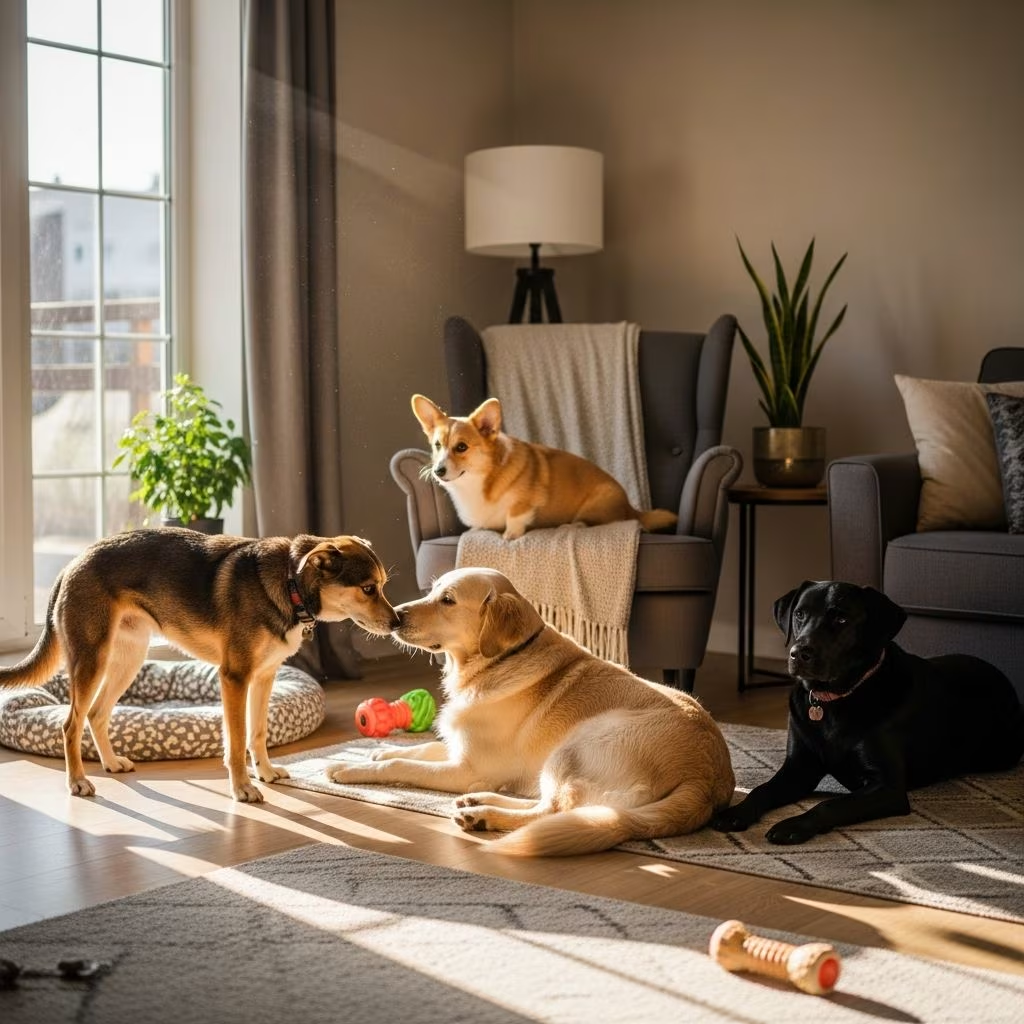
Adding a new dog to a home with established canine companions represents one of the most challenging transitions a pet owner can navigate. The success of this integration depends not on luck but on careful planning, deliberate introductions, and ongoing management strategies that prioritize the comfort and safety of all animals involved. This comprehensive guide explores the essential steps and considerations for welcoming a new canine family member into a multi-dog household.
Understanding the Challenges of Multi-Dog Integration
When multiple dogs share a living space, territorial behaviors and resource competition can emerge naturally. Resident dogs may view a newcomer as an intruder encroaching on their established territory, leading to confrontations or stress-related behavioral issues. The dynamics between dogs depend on numerous factors, including individual temperament, age, size, prior socialization experiences, and existing pack hierarchies within the home.
Research from animal behavior specialists emphasizes that introducing dogs haphazardly significantly increases the likelihood of conflict and can damage the relationship between the new dog and residents permanently. The process requires intentional sequencing, strategic environmental management, and patience that extends well beyond the initial meeting.
Pre-Introduction Preparation and Planning
Successful integration begins weeks before the new dog arrives home. Strategic preparation establishes the foundation for positive interactions and reduces the stress experienced by all household members.
Timing Your New Addition
Schedule the new dog’s arrival during a period when you can dedicate significant time to supervision and management. Ideally, plan the introduction during a weekend or when you have at least two to three days available for observation. This extended timeframe allows you to monitor interactions closely and intervene if necessary before returning to work or regular commitments.
Gathering Essential Supplies
Before bringing your new dog home, acquire the following items:
- Separate food and water bowls for each dog
- Individual bedding areas positioned in different rooms
- Multiple toys distributed throughout the home
- Crates, baby gates, or exercise pens for containment and management
- High-value treats for positive reinforcement during introductions
- Leashes suitable for controlled walking with both dogs
Environmental Modifications
Prepare your home before the new dog arrives by removing potential conflict triggers. Pick up toys, chews, bones, and food bowls that might generate competition or territoriality. Check under furniture and between cushions for hidden items that could cause disputes. Establish separate feeding stations in different areas of your home, and ensure multiple comfortable resting spots exist for each dog to claim space without competition.
The Critical First Introduction
The initial meeting between dogs establishes the trajectory for their future relationship. Conducting this meeting properly prevents negative associations and sets expectations for appropriate interaction.
Selecting Neutral Territory
Never introduce dogs in your own home or yard, as resident dogs typically defend their familiar spaces more vigorously. Instead, choose a neutral location such as a park, open field, quiet neighborhood street, or even a shelter environment if adopting from a rescue facility. Neutral ground removes territorial instincts and allows dogs to meet without the psychological barrier of home invasion.
Preparation and Energy Management
Before the dogs meet, ensure both have burned excess energy through appropriate outlets. Schedule a sniff walk, interactive play session, training exercise, or brain game for each dog independently prior to introduction. Dogs with high arousal levels tend to engage more intensely, potentially escalating minor conflicts into serious confrontations. Calming dogs through physical and mental exercise promotes peaceful interactions.
Structured On-Leash Walking
When the dogs first meet, keep both on leash with separate handlers managing each animal. Begin the introduction with the dogs approximately 10 to 15 feet apart, allowing them to walk parallel to each other. This configuration permits the dogs to observe, sniff the air, and become accustomed to each other’s presence without forcing direct interaction. Gradually allow them to move closer as their body language indicates comfort. Throughout the walk, use simple commands and offer frequent food rewards to create positive associations with the other dog’s presence.
Reading Canine Body Language
Understanding what dogs communicate through their body postures and expressions enables handlers to recognize when interactions are proceeding positively and when intervention becomes necessary.
Positive Indicators
Favorable body language signals include play-bows, where one dog crouches with front legs extended and rear elevated in invitation to play. Appropriate investigative behaviors encompass sniffing the air toward the other dog, low and loose tails wagging in broad arches, and calm forward movement. These signals suggest the dogs are developing comfort with each other’s presence.
Warning Signs Requiring Immediate Intervention
Watch carefully for escalating body postures that indicate tension or aggression. Red flags include teeth-baring, deep growls, stiff-legged gaits, prolonged stares, raised hackles, and forward-facing body orientation. If you observe these signs, calmly interrupt the interaction by having handlers back away while calling their dogs, requesting sit or down commands, and rewarding compliance with treats. Resume walking after the dogs have reset.
Managing Appropriate Corrections
It is entirely appropriate and healthy for resident dogs to communicate boundaries to newcomers through growls, barks, lip curls, or even air snaps. These communication tools help establish social norms and should not be immediately interrupted. However, physical contact, lunging, or sustained aggressive displays require immediate handler intervention to prevent escalation.
Transitioning to the Home Environment
After the neutral territory introduction, the transition into your home requires deliberate phasing and continued management.
Individual Exploration Time
Rather than bringing both dogs into the home simultaneously, allow the new dog to explore independently first. This exploration period lets the newcomer become familiar with the new environment, establish a sense of place, and relax from the intensity of the initial meeting. During this time, occupy your resident dog with high-value enrichment such as chews or puzzle toys in a different area of your home.
Structured Home Introduction
When both dogs enter the home, conduct the meeting in a large open room rather than narrow hallways or entryways where dogs feel trapped or cornered. Keep both dogs on leash initially to prevent uncontrolled encounters. Once the dogs appear focused on the environment rather than each other, drop the leashes and allow them to investigate the space and each other more naturally.
Managing Multi-Dog Households Over Time
Integration extends far beyond the first meeting and requires ongoing management strategies that prevent conflict while allowing the dogs to develop a stable relationship.
The Crate, Gate, Tether, and Rotate Strategy
Long-term management of multiple dogs benefits from utilizing barriers and confinement tools strategically. Crates, baby gates, exercise pens, and tethers allow you to manage dogs in separated spaces while still providing exposure to each other. This approach enables gradual familiarity without requiring constant direct supervision. The new dog might occupy a penned area while resident dogs access other parts of the home, or less tolerant dogs remain gated off while others interact with the newcomer. This flexible management system reduces stress and increases successful integration timelines.
Resource Management Protocols
During the initial weeks, remove all toys, chews, and enrichment items except during supervised play or when dogs are separated by barriers. Resource guarding represents a common source of conflict in newly integrated households. Provide each dog with separate water and food bowls in different locations, and feed them in isolation using crates or gates to prevent competition. As the dogs develop trust over weeks, you can gradually reintroduce shared toys and less valuable items.
Avoiding Triggering Situations
Refrain from subjecting either dog to restraint-based activities such as grooming, bathing, or nail trimming in front of the other dog during the early integration phase. A dog may attack a restrained companion if experiencing anxiety or discomfort about the emerging relationship. Similarly, avoid activities that excite or stress one dog when the other is present, such as doorbell rings or window stimuli, until the dogs have developed genuine comfort together.
Supervision and Timeline Expectations
Never leave newly introduced dogs unsupervised until you have confidently observed their behavior under various circumstances and are certain they are getting along. Test their compatibility during exciting or stressful situations such as doorbell rings, squirrel sightings through windows, and meal times. It is entirely acceptable to crate your new dog when you cannot supervise, even if resident dogs roam freely. Place the crate in a closed room away from other dogs to prevent communication through the crate door.
Building a comfortable relationship between dogs takes time. Some pairings achieve harmony within days, while others require weeks or months of careful management. Patience and consistent application of these strategies significantly improve success rates and create peaceful multi-dog households where all animals thrive.
FAQ
How long does it typically take for dogs to adjust to each other?
Adjustment timelines vary considerably depending on individual dog temperaments and prior experiences. Some dogs develop compatibility within several days, while others require several weeks or longer. Continue management strategies until you observe consistently peaceful interactions across various situations.
Should I introduce one resident dog at a time to the new dog?
If you have multiple resident dogs, introducing them individually to the new dog prevents them from forming a unified front or appearing to gang up on the newcomer. This approach allows each resident dog to establish individual relationships with the new dog at their own pace.
What should I do if the dogs show signs of aggression?
Immediately interrupt any escalating interactions by calmly redirecting each dog’s attention, requesting obedience commands, and rewarding compliance. If aggression persists despite careful management, consult a certified professional dog behaviorist or trainer specializing in multi-dog aggression.
References
- Introducing a New Dog to your Dog at Home — Dogs Playing for Life. https://dogsplayingforlife.com/introducing-new-dog-dog-home/
- Introducing a New Dog to Your Current Dog — Indoor Pet Initiative, Ohio State University. https://indoorpet.osu.edu/dogs/new_additions_dogs/introducing-new-dog-your-current-dog
- Introducing Dogs at Home: The Complete Guide — San Diego Humane Society. https://sdhumane.org/resources/introducing-dogs-at-home-complete/
- How to Welcome a New Dog Into My Home — BC SPCA. https://spca.bc.ca/faqs/welcome-new-dog-home/
- Introducing New Dogs Into Multi Dog Households — Aggressive Dog. https://aggressivedog.com/2022/07/26/introducing-new-dogs-into-multidog-households/



