

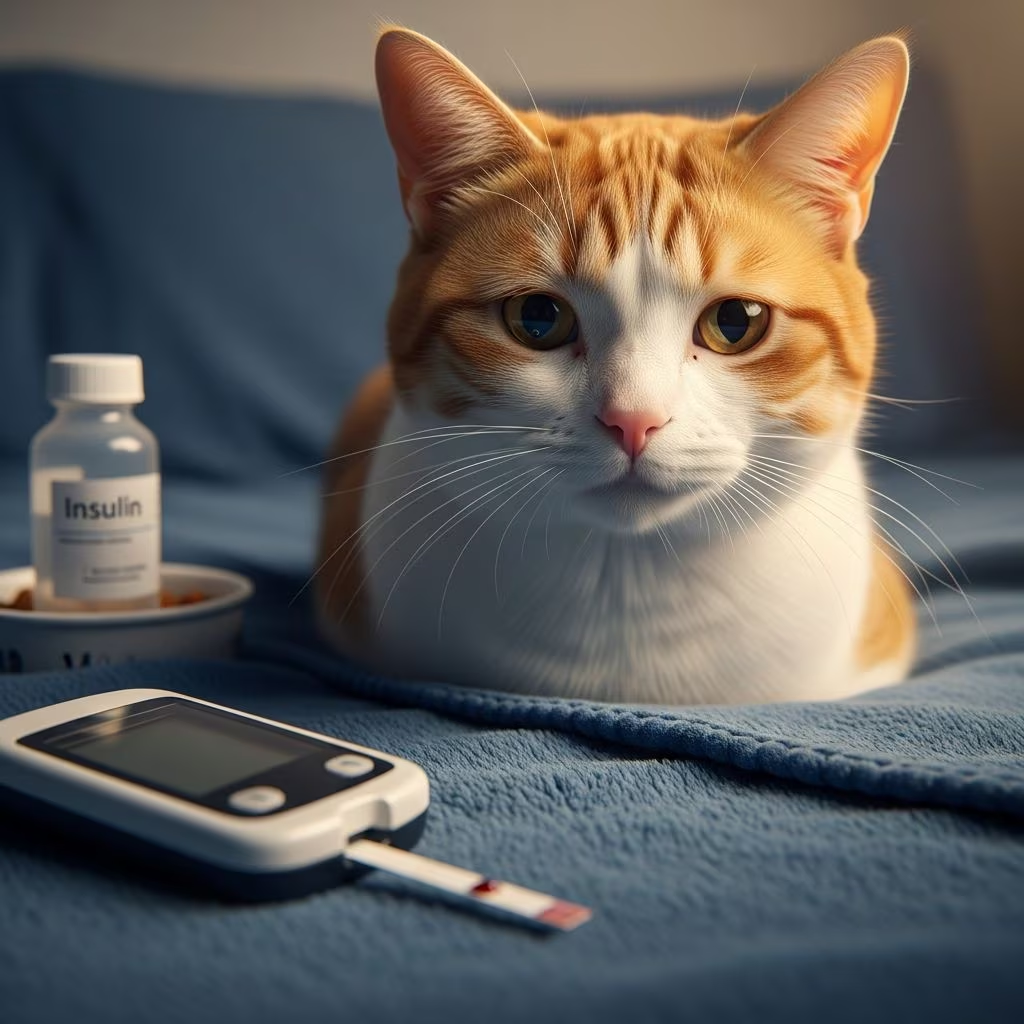
Insulin therapy represents the cornerstone of diabetes management in cats, with injectable insulin serving as the standard treatment approach for feline diabetes mellitus. While insulin is essential for controlling blood glucose levels and managing the symptoms of this metabolic disorder, the therapeutic window is narrow. Administering too much insulin can create a potentially life-threatening condition known as hypoglycemia, where blood sugar drops to dangerously low levels. Understanding the risks, recognizing the warning signs, and implementing proper monitoring protocols are critical responsibilities for cat owners managing their pet’s diabetes.
The Role of Insulin in Feline Diabetes Treatment
Feline diabetes develops when a cat’s body cannot effectively use glucose from food as fuel, typically due to insulin resistance. The pancreas fails to produce adequate quantities of insulin or the body’s cells become resistant to insulin’s effects, resulting in elevated blood glucose levels. Injectable insulin injections work by helping the body maintain normal blood sugar concentrations, which in turn reduces or eliminates clinical signs such as excessive thirst, increased urination, and unexplained weight loss.
Veterinarians typically prescribe insulin injections administered subcutaneously, usually twice daily, though some cats respond well to once-daily dosing. Multiple insulin formulations exist for feline diabetes treatment, including lente insulin (Vetsulin), ProZinc, and glargine insulin. Finding the appropriate insulin type and dosage for each individual cat requires careful assessment and adjustment, as different cats respond variably to different preparations and concentrations.
Understanding Hypoglycemia: When Insulin Becomes Dangerous
Hypoglycemia occurs when blood glucose levels drop below normal physiological ranges. While the exact threshold varies, most veterinarians consider glucose levels below 70 mg/dL as potentially problematic, with severe hypoglycemia typically defined as levels below 40 mg/dL. This condition represents one of the most serious complications of insulin therapy and requires immediate intervention to prevent neurological damage or death.
The risk of insulin overdose exists for several reasons. Initial insulin dosing often involves a trial-and-error process where veterinarians establish a starting dose and then adjust based on the cat’s response. Some cats are more sensitive to insulin than others, meaning they require smaller doses to achieve glucose control. Additionally, as cats respond positively to insulin therapy combined with dietary modifications, their insulin requirements may decrease over time. Failing to adjust the dose downward can result in insulin accumulation and overdose.
Other factors that increase hypoglycemia risk include missed meals, reduced food intake due to illness or appetite changes, increased physical activity, and concurrent medications that enhance insulin sensitivity. Any significant change in a cat’s routine, health status, or diet should prompt careful blood glucose monitoring and potential dose adjustments.
Recognizing the Warning Signs of Insulin Overdose
Early recognition of hypoglycemia is essential for preventing serious complications. The symptoms of insulin overdose in cats progress through distinct stages, with early intervention preventing advancement to severe manifestations.
Initial symptoms include behavior changes that may seem subtle but represent the brain’s response to low blood sugar. Affected cats often exhibit anxiety, restlessness, or unusual nervousness. Some cats become unusually vocal or demanding for attention. Weakness or lethargy frequently develops as the body struggles to function without adequate glucose. Trembling or shaking may occur, particularly in the limbs or jaw. Hunger may become pronounced, with cats seeking food more insistently than normal.
Moderate hypoglycemia symptoms become more pronounced and concerning. Cats may display confusion or disorientation, becoming unresponsive to familiar commands or showing loss of awareness of their surroundings. Incoordination and stumbling indicate neurological involvement. Some cats experience dizziness or loss of balance. Dilated pupils and rapid or irregular heart rate may be observed. Excessive drooling or lip smacking sometimes occurs as the cat experiences neurological disturbances.
Severe hypoglycemia represents a medical emergency requiring immediate veterinary intervention. Cats may experience seizures, characterized by muscle rigidity, jerking movements, and loss of consciousness. Loss of consciousness or unresponsiveness indicates critical glucose deprivation of the brain. Some cats may enter a coma-like state. Without rapid treatment, severe hypoglycemia can result in permanent neurological damage or death.
Risk Factors and Circumstances Contributing to Insulin Overdose
Several circumstances increase the likelihood of insulin-related hypoglycemia in cats receiving diabetes treatment:
- Inappropriate dose escalation: Some veterinarians may increase insulin doses too aggressively without allowing sufficient time for the cat to adjust to previous dosage levels. Doses should typically remain stable for several days before adjustment to allow accurate assessment of effectiveness.
- Failure to account for dietary improvements: Cats receiving high-protein, low-carbohydrate prescription diets combined with insulin often show rapid improvement in blood glucose control. If insulin doses are not reduced proportionally, overdose becomes likely.
- Weight loss during treatment: Obese cats often lose weight as diabetes treatment becomes effective. Since obesity itself contributes to insulin resistance, weight loss increases insulin sensitivity, potentially causing previously appropriate doses to become excessive.
- Concurrent illness or medication changes: Conditions affecting appetite, metabolic rate, or insulin clearance alter insulin requirements. Similarly, starting or stopping other medications may interact with insulin effects.
- Owner error in insulin administration: Accidentally administering double doses or injecting insulin twice due to confusion about previous doses can rapidly produce hypoglycemia.
- Stress or activity level changes: Increased physical activity or stress responses can enhance glucose utilization, reducing blood glucose levels even with consistent insulin doses.
Immediate Response to Suspected Insulin Overdose
If hypoglycemia is suspected, immediate action is required. If the cat is alert and able to eat, providing a rapidly absorbable carbohydrate source can quickly raise blood glucose. Honey, corn syrup, or commercial glucose gels should be rubbed on the gums or offered to eat. These simple sugars enter the bloodstream quickly and can prevent progression to severe hypoglycemia.
For cats displaying neurological symptoms such as seizures, loss of consciousness, or severe disorientation, emergency veterinary care is mandatory. Intravenous glucose administration is often necessary to rapidly restore normal blood glucose levels. Hospital-based monitoring allows veterinarians to track glucose recovery and adjust treatment as needed.
Never attempt to force feed an unresponsive cat, as this risks aspiration of food into the lungs. Instead, transport the cat to an emergency veterinary facility as quickly as possible while ensuring the cat’s airway remains clear.
Prevention Through Careful Monitoring and Dose Management
Preventing insulin overdose requires vigilant monitoring and systematic dose adjustment. Home blood glucose monitoring using portable glucometers allows owners to track their cat’s glucose levels throughout the day. Most veterinarians recommend checking blood glucose before and 4-6 hours after insulin injection to assess the medication’s effectiveness and timing of peak action.
Regular veterinary follow-up appointments are essential, particularly during the initial weeks of insulin therapy. These appointments typically include blood glucose testing and assessment of clinical response. Veterinarians can identify patterns suggesting the need for dose adjustments before dangerous hypoglycemia develops.
Maintaining consistent meal timing and portion sizes supports stable blood glucose levels. Feeding the cat approximately 30 minutes before insulin injection provides glucose availability when the insulin begins working. Consistency in feeding patterns prevents the blood sugar fluctuations that might necessitate dose adjustments.
Dietary management significantly impacts insulin requirements. Prescription diets formulated for diabetic cats, particularly those emphasizing high protein and low carbohydrate content, improve insulin sensitivity and may reduce required insulin doses. Canned food is generally preferred over dry food due to its lower carbohydrate content and higher moisture, supporting better glucose control.
The Phenomenon of Diabetic Remission and Dose Adjustment
One of the most encouraging aspects of feline diabetes treatment is the potential for remission. Some cats, particularly those diagnosed early in the disease process and started on glargine insulin combined with appropriate dietary intervention, may experience reversal of insulin resistance and return to normal insulin production. In these cases, insulin requirements decrease over time and may eventually be discontinued altogether.
However, remission requires careful dose management to prevent hypoglycemia during the transition. As the cat’s pancreas recovers and begins producing more endogenous insulin, the exogenous insulin dose must be systematically reduced to prevent overdose. This process demands close monitoring and frequent glucose assessments to identify the optimal reduced dose without causing recurrent hyperglycemia.
Cats achieving remission must continue receiving appropriate diet and maintaining healthy weight, as the underlying insulin resistance can recur if preventive measures are abandoned. Continued monitoring even after insulin discontinuation helps identify any relapse in glucose control before serious complications develop.
When Multiple Insulin Types Are Being Used
Occasionally, veterinarians may recommend combinations of different insulin types or switching between formulations during treatment. These transitions create temporary periods of increased hypoglycemia risk as the body adjusts to the new medication profile. During insulin switches, more frequent glucose monitoring is advisable to detect any dangerous blood glucose fluctuations.
Diabetes Management as a Partnership
Successful insulin therapy depends on strong communication between cat owners and veterinarians. Owners must report any changes in the cat’s appetite, behavior, thirst, or urination frequency, as these observations help guide dose adjustments. Regular clinic visits and home monitoring ensure that insulin therapy achieves glucose control while remaining safely within the therapeutic window.
Education about insulin administration technique, proper storage, and recognition of hypoglycemia symptoms empowers owners to manage this complex condition effectively. While insulin therapy requires commitment and careful attention, most cats tolerate injections well and respond positively to treatment, with many achieving improved quality of life and potential remission of their diabetes.
Frequently Asked Questions
How often should I monitor my cat’s blood glucose while on insulin?
During initial insulin therapy adjustment, veterinarians typically recommend home glucose monitoring 2-3 times weekly, with checks before and 4-6 hours after insulin injection. Once stable, monitoring may decrease to weekly or as recommended by your veterinarian.
What should I do if I accidentally give my cat a double dose of insulin?
Contact your veterinarian immediately. They may recommend bringing the cat in for monitoring and frequent glucose checks, or they may advise watching for hypoglycemia symptoms and providing readily available carbohydrate sources at home. Never attempt to correct a double dose with additional food without veterinary guidance.
Can insulin doses be reduced or discontinued?
Yes, cats achieving remission through effective treatment may have doses gradually reduced and eventually discontinued. This process requires veterinary supervision and frequent glucose monitoring to ensure safe dose adjustments.
Are there alternatives to insulin injection therapy?
Oral medications that improve insulin sensitivity are available, though these are not appropriate for all cats. Dietary management and weight loss often accompany these medications. Your veterinarian can discuss whether oral medications are suitable for your cat’s specific situation.
How long does insulin last in the cat’s system?
Different insulin formulations have different durations of action, typically ranging from 8-24 hours depending on the specific type prescribed. Your veterinarian will specify the duration for your cat’s particular insulin preparation.
References
- Feline Diabetes — Cornell University College of Veterinary Medicine. 2025. https://www.vet.cornell.edu/departments-centers-and-institutes/cornell-feline-health-center/health-information/feline-health-topics/feline-diabetes
- Diabetes in Cats: Symptoms, Causes, and Treatments — GoodRx Pet Health. 2025. https://www.goodrx.com/pet-health/cat/diabetes
- Symptoms, Diagnosis, and Caring for Your Diabetic Cat — Animal ER Volusia. 2025. https://animalervolusia.com/blog/feline-diabetes/
- Diabetes in Cats: Signs, Treatment, and Prognosis — PetMD. 2025. https://www.petmd.com/cat/conditions/endocrine/c_ct_diabetes_mellitus
- Cat Diabetes: Symptoms, Diagnosis, Treatment — Best Friends Animal Society. 2025. https://bestfriends.org/pet-care-resources/cat-diabetes-symptoms-diagnosis-treatment
- Diabetes Mellitus in Cats – Overview — VCA Animal Hospitals. 2025. https://vcahospitals.com/know-your-pet/diabetes-mellitus-in-cats-overview
- Feline Diabetes Overview Fact Sheet — Davies Veterinary Specialists. 2025. https://www.vetspecialists.co.uk/fact-sheets-post/feline-diabetes-overview-fact-sheet/



