

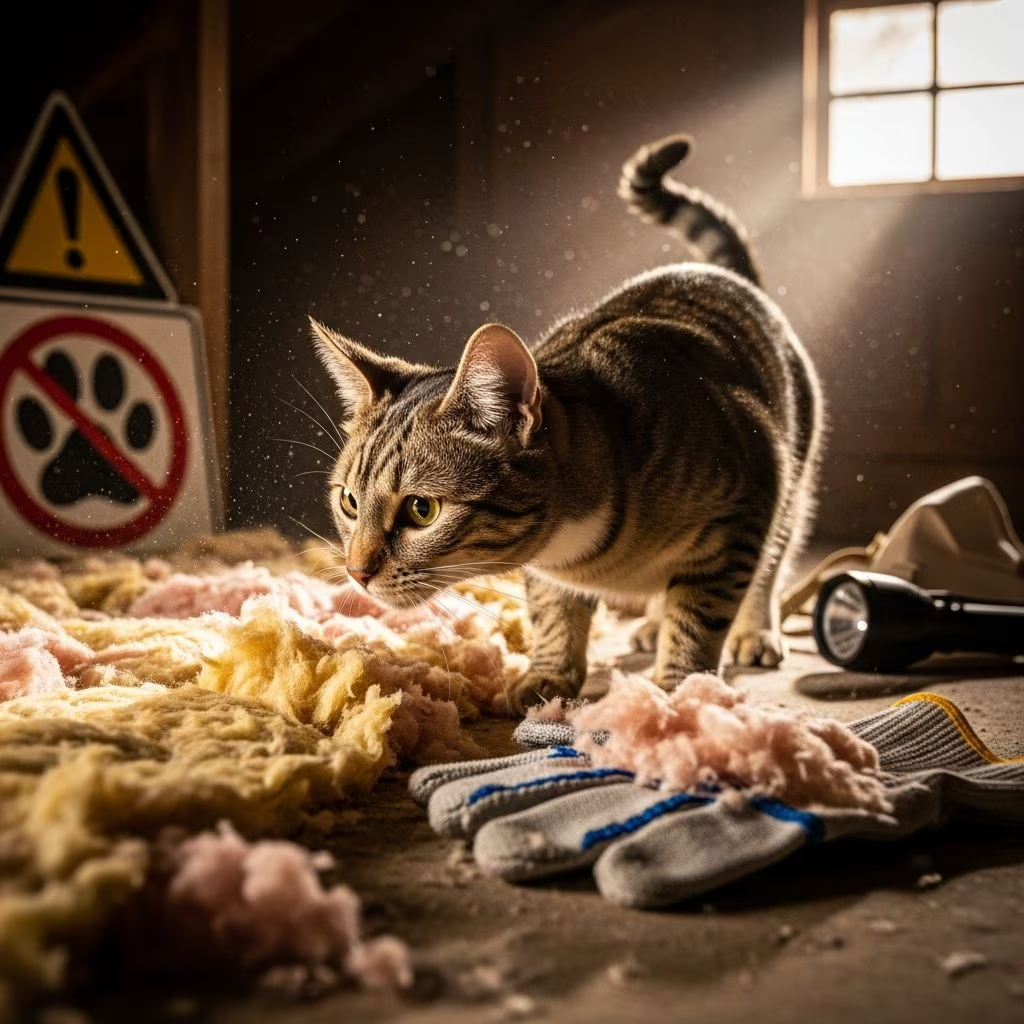
Household insulation remains one of the most frequently overlooked hazards in homes with cats. While many cat owners focus on obvious dangers like toxic plants or medications, the materials used to regulate temperature and soundproof walls can pose significant health risks to curious feline companions. Understanding these dangers empowers pet owners to make informed decisions about home safety and take appropriate preventive measures.
The Nature of Insulation Materials and Their Composition
Insulation serves a critical function in modern homes by maintaining comfortable temperatures and reducing energy costs. However, the materials that accomplish these goals vary considerably in their potential impact on pet health. Modern insulation products are engineered from different base materials, each with distinct properties and potential hazards when encountered by domestic animals.
The composition of contemporary insulation has evolved significantly over the decades. Manufacturers have developed various formulations designed to improve thermal efficiency while addressing safety concerns that have emerged over time. Nevertheless, many of these materials retain properties that can irritate or harm pets if exposure occurs under certain conditions.
Contact Exposure: Distinguishing Between Touching and Ingestion
The distinction between simple contact and actual consumption is crucial when evaluating insulation safety for cats. Mere physical contact with most standard insulation materials typically does not result in toxicity, though it can still cause localized irritation depending on the insulation type and the extent of exposure. Cats exploring their environment naturally investigate textures and materials, and incidental contact with insulation particles represents a different risk category than intentional consumption.
However, the proximity required for physical contact creates additional hazards that deserve serious attention. When a cat touches insulation, they simultaneously expose themselves to airborne dust and particles suspended in the immediate vicinity. This dust inhalation represents the primary concern associated with contact exposure, as respiratory tissues are particularly sensitive to fibrous materials and chemical residues. The irritation caused by inhaled particles can affect the nasal passages, throat, lungs, and eyes, producing observable discomfort that may persist even after removing the cat from the exposure area.
Respiratory Irritation and Airborne Particulates
The respiratory system of cats possesses remarkable sensitivity to airborne irritants. When insulation dust is inhaled, inflammatory responses can develop in the delicate tissues lining the respiratory tract. Common signs of respiratory irritation include persistent coughing, sneezing episodes, and ocular discharge. Some cats may experience transient symptoms that resolve naturally after exposure ends, while others develop prolonged reactions requiring veterinary intervention.
The severity of respiratory symptoms depends on multiple factors including the duration and intensity of exposure, the specific insulation composition, and the individual cat’s predisposition to respiratory sensitivity. Cats with pre-existing respiratory conditions face heightened vulnerability to complications from dust inhalation. Additionally, repeated or cumulative exposures can result in chronic irritation rather than temporary discomfort.
Environmental factors amplify these risks significantly. Areas with poor ventilation concentrate insulation particles, creating higher exposure levels. Construction or renovation activities disturb settled dust, generating increased airborne particle concentrations that cats may inhale involuntarily.
Ingestion Hazards: Understanding Gastrointestinal Complications
The scenario most concerning to veterinarians involves actual insulation consumption rather than superficial contact. Because insulation materials are not digestible, ingestion creates potential for serious gastrointestinal complications including blockages and chemical toxicity. These scenarios constitute genuine medical emergencies requiring prompt professional intervention.
When cats consume insulation materials, the indigestible fibers and foam cannot pass naturally through the digestive system. Instead, they accumulate and potentially form obstructions that prevent normal passage of digestible food and waste. Gastrointestinal blockages represent life-threatening conditions that frequently require surgical intervention to resolve.
Beyond physical obstruction, insulation materials contain chemical compounds incorporated during manufacturing that may cause toxic reactions when exposed to the stomach and intestinal environment. The severity of chemical toxicity depends on the insulation type and the quantity consumed. Some formulations present mild gastrointestinal upset, while others trigger more serious systemic reactions.
Comparing Different Insulation Material Types
| Insulation Type | Primary Concern | Contact Risk | Ingestion Risk |
|---|---|---|---|
| Fiberglass | Sharp fibers causing irritation | Skin and respiratory irritation | Blockage and fiber damage |
| Polyurethane Foam | Expansion and toxic chemicals | Chemical irritation | Severe blockage, emergency surgery |
| Asbestos (older homes) | Carcinogenic properties | Chronic respiratory disease | Cancer development, fatal outcomes |
| Mineral Wool | Irritating particles | Respiratory and skin irritation | Blockage potential |
Fiberglass Insulation Characteristics
Fiberglass represents one of the most commonly installed insulation materials in residential construction. Its popularity derives from cost-effectiveness and reasonable thermal performance. However, fiberglass insulation creates specific hazards related to its physical structure. The fine glass fibers that provide insulating properties are inherently sharp at microscopic levels, capable of causing irritation when they contact sensitive tissues.
Contact with fiberglass fibers can result in skin irritation, particularly in areas with minimal fur coverage such as the belly and inner legs where contact is most likely to cause visible inflammation and redness. Cats may develop persistent itching responses, leading to excessive grooming that can worsen skin irritation. Additionally, fiberglass particles can become trapped in the fur coat, requiring manual removal to prevent ongoing discomfort.
Foam Insulation Dangers
Polyurethane and similar foam insulation products present escalated concerns compared to fiberglass alternatives. Foam insulation possesses the ability to expand significantly after ingestion, potentially causing rapid intestinal obstruction. The chemical compounds used in foam production can generate toxic reactions independent of physical blockage, creating compounded health threats. Emergency surgical intervention frequently becomes necessary when cats consume foam insulation, representing a costly and traumatic experience for both pet and owner.
Asbestos in Older Properties
Historic homes and buildings constructed before asbestos bans contain this mineral fiber insulation, which represents perhaps the most serious long-term threat to feline health. While asbestos insulation may appear harmless, exposure can trigger development of mesothelioma and other serious cancers, often manifesting years after initial exposure. Additionally, asbestos exposure causes chronic respiratory disease that progressively worsens over time, potentially resulting in fatal complications.
Cats in homes undergoing renovation require special protection if asbestos contamination is suspected. Professional assessment of older insulation is essential before undertaking any renovation or repair activities that might disturb asbestos-containing materials. The microscopic nature of asbestos fibers means that disturbance generates widespread contamination that remains dangerous long after visible dust settles.
Recognizing Symptoms of Insulation Exposure in Cats
Cat owners should familiarize themselves with warning signs indicating potential insulation exposure. Early recognition enables prompt veterinary intervention before serious complications develop.
Respiratory symptoms include persistent coughing, sneezing, labored breathing, or wheezing. These signs suggest inhalation of insulation particles or dust.
Gastrointestinal symptoms include vomiting, loss of appetite, lethargy, diarrhea, or abdominal pain. These indicate possible ingestion and potential blockage formation.
Behavioral changes include unusual lethargy, decreased activity levels, reluctance to eat, or obvious discomfort. These non-specific signs warrant veterinary evaluation when concurrent with possible insulation exposure.
Dermatological symptoms include unexplained itching, skin redness, excessive grooming, or localized inflammation. These suggest direct contact with irritating fibers.
Neurological symptoms including seizures or loss of coordination can occur with certain insulation types and warrant immediate emergency evaluation.
Initial Response Protocols for Suspected Exposure
Appropriate immediate response following suspected insulation exposure significantly impacts outcomes. Pet owners should understand proper procedures rather than relying on intuition, which often leads to counterproductive actions.
If your cat has contacted insulation dust, gentle brushing or bathing can remove visible particles from the coat before grooming ingests them. Avoid rough handling that might drive fibers deeper into the fur.
If ingestion is suspected, do not induce vomiting, as this can cause additional damage to the digestive tract. Instead, contact a veterinarian immediately and provide details about the insulation type and approximate quantity consumed if known.
Keep the cat calm and quiet to minimize respiratory exertion while awaiting veterinary evaluation. Stress can exacerbate breathing difficulties if respiratory irritation has occurred.
Document the timing and circumstances of exposure to provide veterinarians with essential context for diagnosis and treatment planning.
Professional Veterinary Evaluation and Treatment
Veterinary professionals employ multiple diagnostic approaches to assess insulation exposure severity. Physical examination combined with detailed history provides initial assessment. Depending on suspected exposure type, radiographic imaging may be recommended to identify potential blockages. Blood work can identify systemic toxicity indicators, and respiratory evaluation assesses lung function when inhalation exposure is suspected.
Treatment varies based on exposure type and severity. Mild respiratory irritation may resolve with supportive care and time away from exposure sources. Gastrointestinal blockages typically require surgical intervention to remove obstructing material and prevent tissue damage. Chemical toxicity may require specific antidote administration or intensive supportive care.
Creating a Protective Home Environment
Proactive prevention remains the most effective approach to insulation-related health hazards. Several practical strategies significantly reduce exposure risks.
Seal and cover any areas with exposed insulation, ensuring cats cannot access attics, crawl spaces, or wall cavities. Use appropriate barriers and secure sealing materials to prevent cat intrusion.
Monitor renovation activities carefully, confining cats to separate areas during construction or insulation work. Professional contractors should understand pet presence and take additional precautions.
Maintain regular home inspections to identify areas where insulation has become exposed or damaged. Degraded insulation poses heightened risks compared to intact, sealed material.
Have professional assessments performed on older homes to identify potential asbestos contamination before undertaking any renovation work. Professional removal by certified contractors is mandatory if asbestos is confirmed.
Provide enrichment alternatives that satisfy cats’ natural curiosity in safe ways, reducing the likelihood they will investigate insulation as an exploratory activity.
Understanding Different Age and Risk Factors
Certain cat populations face elevated risks from insulation exposure. Kittens and younger cats possess greater curiosity and less developed judgment regarding hazardous materials, making them more prone to investigating insulation. Senior cats with existing respiratory conditions develop more serious complications from dust inhalation.
Outdoor cats transitioning to indoor living may be particularly drawn to unfamiliar textures like insulation. Additionally, cats with pica tendency—the behavioral condition involving consumption of non-food items—require heightened vigilance regarding insulation access.
Frequently Asked Questions
Can simple touching of insulation materials cause lasting harm to cats?
Most standard insulation materials do not cause toxicity through simple contact alone. However, dust inhalation during contact exposure can trigger respiratory irritation with potential lasting effects, and fiberglass contact can cause skin irritation. The real danger emerges when touching provides proximity for dust inhalation and when ingestion occurs incidentally during investigation.
What distinguishes safe from unsafe levels of insulation exposure?
Brief, accidental contact with sealed, undisturbed insulation presents minimal risk. Problematic exposure involves direct contact with airborne particles, unsealed or disturbed insulation, intentional consumption, or repeated/prolonged contact. Activities like attic exploration or contact with loose insulation create hazardous scenarios requiring intervention.
How quickly should emergency care be sought after suspected insulation ingestion?
Suspected ingestion warrants immediate veterinary contact during business hours or emergency clinic evaluation after hours. Gastrointestinal blockages can deteriorate rapidly, and delayed treatment reduces survival probability and increases surgical complexity.
Are all cats equally susceptible to insulation health effects?
Individual cats vary in sensitivity based on age, existing health conditions, prior exposure history, and genetic predisposition. Cats with respiratory disease, allergies, or compromised immune function develop more severe complications from equivalent exposure levels compared to healthy cats.
Can insulation-related health effects appear months or years after exposure?
Acute irritation from dust inhalation typically manifests immediately or within days. However, chronic health effects—particularly from asbestos exposure—can develop or become apparent months or years later, making historical exposure documentation important for veterinary reference.
References
- Can Insulation Kill a Cat? Understanding the Hidden Risks — PetsCare. 2024. https://www.petscare.com/news/post/can-insulation-kill-cat
- Can Exposed Insulation Make My Cat Sick? — Dial A Vet. 2024. https://www.dialavet.com/ask-a-vet/can-exposed-insulation-make-my-cat
- Will Insulation Hurt My Cat If They Touch It? Vet-Reviewed — Catster. 2024. https://www.catster.com/cat-health-care/will-insulation-hurt-my-cat-if-they-touch-it/
- Home Repairs and Pet Safety — VCA Animal Hospitals. 2024. https://vcahospitals.com/know-your-pet/home-repairs-and-pet-safety
- Is Attic Insulation Safe for Pets? — Attic Projects Company. 2024. https://www.atticprojectscompany.com/blog/is-attic-insulation-safe-for-pets/
- Is Spray Foam Insulation Safe for Families and Pets? — DMV Foam. 2024. https://dmvfoam.com/blog/spray-foam-insulation-safe-families-pets/



