

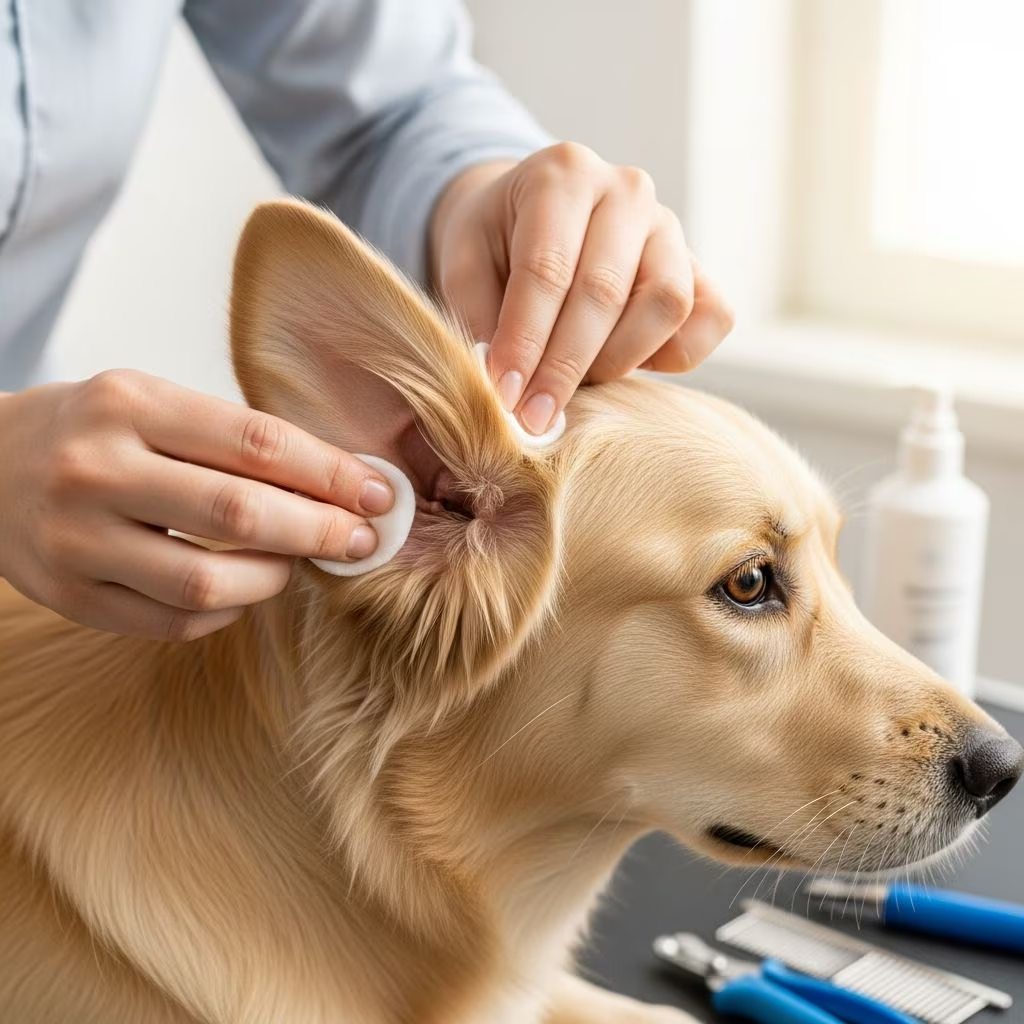
Instructions for Ear Cleaning in Dogs
Maintaining your dog’s ear health is a crucial part of responsible pet ownership. Regular ear cleaning can prevent infections, reduce odor, and help you identify potential health issues early. However, improper ear cleaning techniques can potentially damage your dog’s ears or introduce infection. This comprehensive guide provides step-by-step instructions for safely cleaning your dog’s ears at home, along with important information about when to seek veterinary care.
Why Regular Ear Cleaning Matters
Dogs’ ears are prone to accumulating wax, debris, and moisture, which can create an ideal environment for bacteria and yeast to flourish. Certain breeds with floppy ears or those that spend time in water are especially susceptible to ear problems. Regular cleaning helps maintain a healthy ear environment and can significantly reduce the frequency of ear infections. Additionally, routine ear cleaning allows you to monitor your dog’s ears for signs of infection or other abnormalities that may require veterinary attention.
When to Clean Your Dog’s Ears
The frequency of ear cleaning depends on your individual dog’s needs and ear health status. For dogs with healthy ears and no history of infections, cleaning once every two to four weeks is generally sufficient. However, if your dog is prone to ear infections or has certain risk factors, more frequent cleaning may be necessary.
After each cleaning session, examine the cotton ball or gauze you used to wipe the ears. If it comes away clean, you can wait until the next scheduled cleaning. If debris remains visible, you may need to repeat the cleaning process the following day. If your dog requires cleaning more than two to three times consecutively before the debris clears, consult your veterinarian, as this may indicate an underlying condition requiring professional treatment.
When NOT to Clean Your Dog’s Ears
While regular ear maintenance is beneficial, certain situations require veterinary attention instead of home cleaning. Do not attempt to clean your dog’s ears if any of the following conditions are present:
- Discharge that is cream-colored, yellow, or green in appearance
- Visible sores or inflamed skin inside the ear
- Bleeding from the ear
- Significant swelling of the ear canal or flap
These signs may indicate an infection or other medical condition that requires professional evaluation and treatment. Using ear cleaner on compromised skin can cause pain and potentially worsen the condition. When in doubt, contact your veterinarian before attempting home ear cleaning.
Choosing the Right Ear Cleaning Solution
Selecting an appropriate ear cleaning product is essential for safe and effective ear maintenance. Veterinarian-recommended ear cleaning solutions are formulated specifically for canine ear health and are designed to be gentle yet effective.
Avoid using water-based ear cleaners, as these can weaken the skin barrier and make ears more susceptible to infection. Similarly, never use vinegar or hydrogen peroxide, as these substances are too harsh and can cause excessive drying and irritation of delicate ear tissue. Saline solutions and commercial dog ear cleaners are generally safe choices when used as directed.
While ear cleaning wipes may seem convenient, they are generally insufficient for thorough ear cleaning. These wipes only clean the outer portions of the ear, while the ear canal—which is long and bent—requires deeper cleaning to be effective.
Preparation Before Cleaning
Proper preparation helps ensure a smooth and stress-free ear cleaning experience for both you and your dog. Begin by gathering all necessary supplies before starting the process:
- Veterinarian-recommended ear cleaning solution
- Cotton balls or gauze squares
- Optional: gloves for hygiene
- Optional: treats for positive reinforcement
- Optional: a helper to gently restrain your dog
Choose a quiet, comfortable location away from other pets and distractions. Having a second person to gently hold your dog can be helpful, as it allows you to use both hands during the cleaning process. Alternatively, you can position your dog in a corner to discourage movement. Some dogs respond well to treats or praise during and after the cleaning process, which can make future cleanings easier.
Step-by-Step Ear Cleaning Instructions
Step 1: Examine the Ears
Before applying any cleaning solution, visually inspect both ears. Gently lift the ear flap and look for any signs of wounds, scratches, excessive redness, or discharge. This preliminary inspection helps you identify any concerns that might require veterinary attention before proceeding with cleaning.
Step 2: Apply the Cleaning Solution
Hold the ear flap up with one hand to expose the ear canal opening. With your other hand, position the bottle nozzle at the entrance to the ear canal. Gently squeeze the bottle to allow the cleaning solution to slowly fill the canal. Be generous with the amount of solution—the ear canal is long and bent and can accommodate a significant volume of liquid. Continue squeezing until you see the solution overflowing or pooling in the ear canal opening.
Step 3: Massage the Ear
After applying the solution, place a cotton ball or gauze plug into the ear opening. Gently massage the base of the ear—the area just below where the ear flap connects to the head. You should hear and feel a squishy sound as you massage, which indicates that the cleaning solution is moving through the ear canal and coating the horizontal portion. Continue massaging for approximately 30 seconds to allow the solution to break down debris and wax.
Step 4: Allow Your Dog to Shake
After massaging, release your dog and allow them to shake their head vigorously. This natural shaking motion brings loosened debris to the surface of the ear canal, making it easier to remove. It’s normal for some cleaning solution and debris to be expelled during this process.
Step 5: Remove Debris and Excess Solution
Remove the cotton ball from the ear and use fresh cotton balls or gauze squares to wipe away excess cleaning solution and debris. Gently wipe the inside of the ear flap and the entrance to the ear canal. If visible debris remains on the cotton, repeat the wiping process until the cotton comes away clean or nearly clean.
Step 6: Repeat on the Other Ear
Once you’ve completed the cleaning process on one ear, repeat all steps on the other ear using fresh cotton balls or gauze squares to prevent cross-contamination.
Important Cleaning Tips
Never Use Q-tips in the Ear Canal: Cotton-tipped applicators (Q-tips) should only be used on the outer cartilage areas of the ear flap, never inserted into the ear canal. Q-tips can push debris deeper into the canal or potentially damage the delicate structures of the ear.
Visualize the Nozzle: Always ensure you can see where the bottle nozzle is positioned. You never want the nozzle to go too far down into the ear canal, and you should never squeeze the solution forcefully. Applying too much pressure or inserting the nozzle too deeply risks damaging the eardrum (tympanum).
Use Generous Amounts of Cleaner: Don’t be shy with the cleaning solution. The ear canal is long and complex, and using an adequate amount of cleaner ensures that the solution reaches all areas that need cleaning.
Handle with Care: Be gentle throughout the entire process. Your dog’s ears are sensitive, and rough handling can cause discomfort and make future cleanings more difficult.
Managing Dogs with Painful or Infected Ears
If your dog’s ears are painful, inflamed, or actively infected, a complete professional cleaning may be necessary. Veterinarians often recommend sedation or general anesthesia to safely and thoroughly clean and treat infected ears without causing additional pain or fear. Once the ears have been professionally cleaned and medication has begun to take effect, the pain typically decreases, making at-home maintenance easier.
Your veterinarian may prescribe pain relief or anti-inflammatory medications to be used alongside topical ear treatments. In some cases, oral medications may be recommended for several days before beginning topical applications. This multimodal approach helps ensure your dog’s comfort while treating the underlying infection.
Desensitizing Your Dog to Ear Cleaning
If your dog is anxious or resistant to ear cleaning, gradual desensitization can help. While staying within your dog’s comfort zone, slowly introduce them to ear handling by:
- Gently touching their head and ears during calm moments
- Touching the ear flap and outer ear structures
- Briefly touching near the ear canal opening
- Wiping ears with dry cotton balls
- Wiping ears with slightly damp cotton balls
- Gradually introducing the sight and smell of ear cleaning solution
These small, incremental steps can help your dog become accustomed to the ear cleaning routine, making the process less stressful for everyone involved.
When to Contact Your Veterinarian
Seek immediate veterinary care if your dog shows any of the following signs:
- Persistent head shaking or tilting
- Excessive scratching at the ears
- Foul odor coming from the ears
- Visible discharge or pus
- Signs of pain or sensitivity when ears are touched
- Loss of balance or coordination
- Changes in hearing or responsiveness to sounds
If you’ve cleaned your dog’s ears multiple times over consecutive days and debris continues to accumulate, or if you’re unsure whether your dog’s ears are healthy enough for home cleaning, contact your veterinarian for professional evaluation.
Frequently Asked Questions
Q: How often should I clean my dog’s ears?
A: For dogs with healthy ears, cleaning every two to four weeks is generally sufficient. Dogs prone to ear infections may benefit from cleaning every one to two weeks. Monitor your dog’s individual needs and consult your veterinarian for personalized recommendations.
Q: What is the best ear cleaning solution to use?
A: Use a veterinarian-recommended ear cleaning solution specifically formulated for dogs. Avoid water-based cleaners, vinegar, and hydrogen peroxide, as these can damage ear tissue. Ask your veterinarian for product recommendations suitable for your dog’s specific needs.
Q: Is it safe to use Q-tips in my dog’s ears?
A: Q-tips should never be inserted into the ear canal, as they can push debris deeper or damage sensitive structures. Q-tips may be used gently on the outer ear flap and cartilage areas only.
Q: What should I do if my dog’s ears smell bad?
A: A foul odor typically indicates an infection or accumulation of debris. If regular ear cleaning doesn’t resolve the odor within a few cleanings, contact your veterinarian. The smell may indicate a bacterial or yeast infection requiring professional treatment.
Q: Can I use regular water to clean my dog’s ears?
A: No, regular water is not appropriate for ear cleaning. Water-based solutions can weaken the skin barrier and increase infection risk. Always use a veterinarian-recommended ear cleaning solution.
Q: How do I know if my dog needs professional ear cleaning?
A: Seek professional cleaning if you notice discharge, swelling, bleeding, visible sores, or if home cleaning hasn’t resolved debris accumulation after three consecutive days of cleaning. Painful or infected ears typically require professional care and possibly sedation for thorough treatment.
References
- Applying Ear Drops to Dogs — VCA Animal Hospitals. 2024. https://vcahospitals.com/know-your-pet/applying-ear-drops-to-dogs
- Dog Behavior and Training – Cleaning Ears — VCA Animal Hospitals. 2024. https://vcahospitals.com/know-your-pet/dog-behavior-and-training-cleaning-ears
- How to Clean a Dog’s Ears: Step-by-Step Expert Guide — Petful. 2024. https://www.petful.com/pet-health/how-to-clean-a-dogs-ears/
- Top Tips to Clean Your Pet’s Ears with Confidence — VCA Animal Hospitals. 2024. https://vcahospitals.com/shop/home/articles/top-tips-to-clean-your-pet-s-ears-with-confidence



