

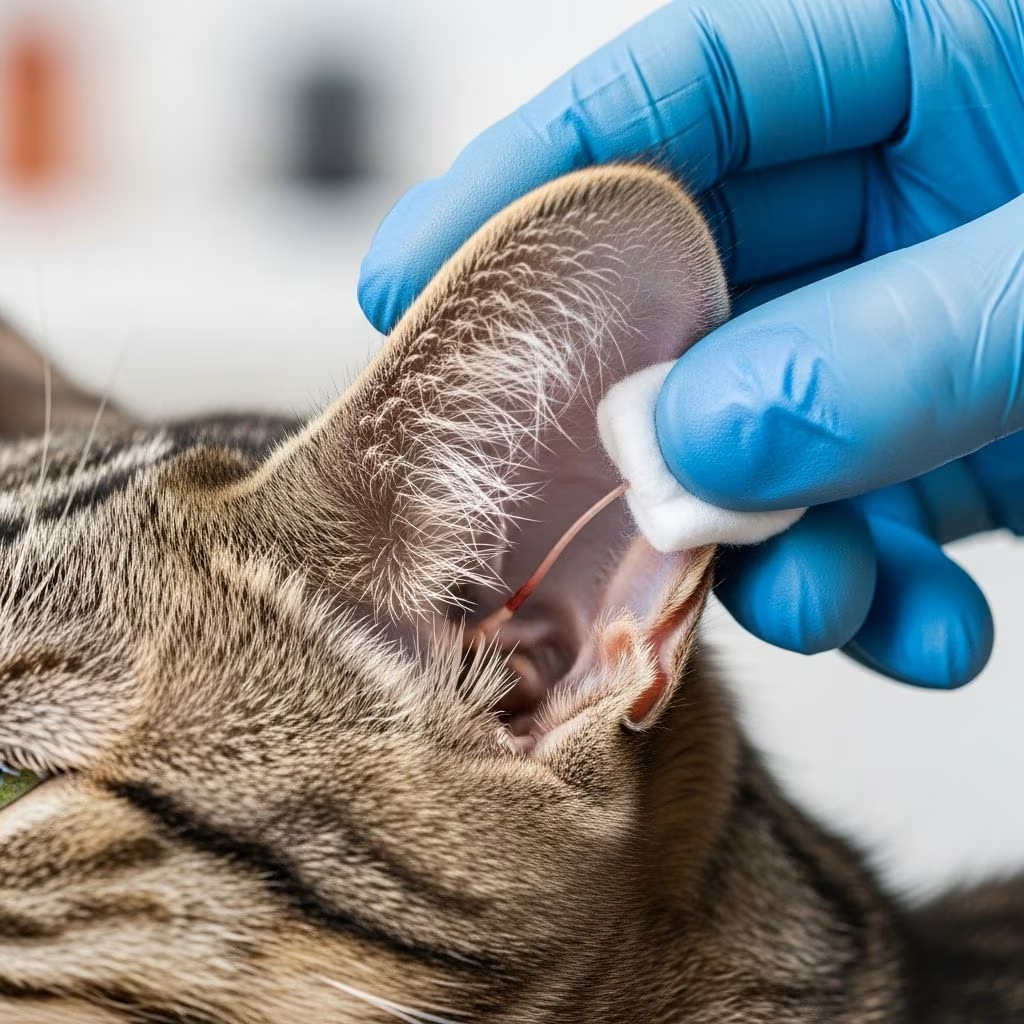
Instructions for Ear Cleaning in Cats
Regular ear cleaning is an important part of maintaining your cat’s overall health and hygiene. While many cats naturally keep their ears clean, some may benefit from periodic ear cleaning, especially if they have excess wax buildup, debris, or are prone to ear infections. Understanding the proper technique for cleaning your cat’s ears is essential to prevent injury and ensure a comfortable experience for your feline companion. This comprehensive guide will walk you through everything you need to know about safely cleaning your cat’s ears at home.
Why Clean Your Cat’s Ears?
Cats’ ears are delicate structures that can accumulate wax, debris, and dirt over time. While many cats are self-cleaning to a significant degree, certain situations may warrant ear cleaning. Cats with long hair, those prone to ear infections, or cats living in particularly dusty environments may benefit from occasional ear cleaning. Additionally, if you notice signs of ear problems such as excessive scratching, discharge, odor, or visible debris, cleaning may be necessary to maintain ear health and prevent complications.
Supplies You’ll Need
Before you begin the ear cleaning process, gather all necessary supplies to ensure a smooth and efficient experience:
- Veterinarian-recommended ear cleaning solution specifically formulated for cats
- Soft cotton balls or gauze pads
- Clean cotton balls soaked in alcohol (for sanitizing the bottle tip if needed)
- A towel for wrapping your cat if necessary
- Optional: treats for positive reinforcement
It is crucial to consult with your veterinarian before purchasing an ear cleaning solution, as they can recommend products suited to your cat’s specific needs and health status.
Step-by-Step Instructions for Cleaning Your Cat’s Ears
Step 1: Position Your Cat Comfortably
Begin by sitting in a comfortable position and holding your cat in your lap, ideally facing away from you. This positioning allows you easy access to both ears while keeping your cat calm and secure. If your cat is particularly wiggly or anxious, gently wrap her in a towel, leaving only her head exposed. The towel provides a sense of security and helps prevent sudden movements that could lead to injury. If you’re having difficulty controlling your cat, don’t hesitate to ask another person to help hold her while you perform the cleaning.
Step 2: Hold the Cleaning Solution
Hold the ear cleaning solution in your dominant hand, keeping it easily accessible. Make sure the bottle is not too cold, as applying cold solution directly into the ear can startle or upset your cat. If needed, you can warm the solution slightly by holding the bottle in your hand for a few moments before application.
Step 3: Expose the Ear Canal
With your non-dominant hand, gently but firmly grasp the tip of the ear and pull back slightly. This action helps expose the ear opening and straightens the ear canal, making it easier to apply the cleaning solution effectively. Be careful not to pull too hard, as this can cause discomfort or injury to your cat’s delicate ear structures.
Step 4: Apply the Cleaning Solution
Squeeze the appropriate amount of ear-cleaning solution into your cat’s ear. Use enough cleaner to completely fill the ear canal, though it is perfectly acceptable if some of the cleaner spills out. Do not insert the tip of the bottle directly into the ear canal, as this increases the risk of accidentally damaging the delicate structures or forcing debris deeper into the canal. If the bottle tip accidentally touches your cat’s ear, immediately wipe it clean with a cotton ball soaked in alcohol to prevent the spread of bacteria or yeast.
Step 5: Massage the Ear Base
Continue holding the ear flap and gently massage the base of the ear below the ear opening for approximately 30 seconds. This massage action is crucial as it helps distribute the cleaning solution throughout the ear canal and breaks up stubborn debris and wax buildup. You will likely hear a distinctive “squishing” sound as the cleaning solution moves around inside the ear canal—this is completely normal and indicates that the solution is working effectively to loosen debris.
Step 6: Wipe Away Debris
While continuing to hold the ear flap, use a soft cotton ball or gauze to gently wipe away loosened debris from the inner part of the ear flap and the upper ear canal. Be gentle during this step to avoid causing discomfort or irritation to your cat’s sensitive ear tissue.
Step 7: Clean the Ear Canal Carefully
Remove any remaining debris and cleaning solution from inside the ear canal using a cotton ball or gauze. Only go as far into the canal as your finger will reach—this ensures you don’t accidentally push debris or the applicator too deeply into the ear. Never attempt to reach all the way to the bottom of the vertical ear canal.
Step 8: Repeat if Necessary
If your cat’s ears are particularly dirty or debris-filled, you may need to repeat the cleaning process. Use a fresh cotton ball with additional cleaning solution and follow the same steps until the cotton ball comes away relatively clean. However, avoid over-cleaning, as excessive cleaning can irritate the ear canal and potentially lead to infection or discomfort.
Step 9: Reward Your Cat
Once you’ve finished cleaning, reward your cat with treats, praise, or gentle petting. Creating a positive association with the ear cleaning process makes it easier to perform routine cleanings in the future and helps your cat remain calm and cooperative during the procedure.
Critical Safety Precautions
Never Use Cotton-Tipped Applicators
One of the most important safety rules when cleaning your cat’s ears is to never use cotton-tipped applicators, commonly known as Q-tips. These applicators pose serious risks to your cat’s ear health. Using Q-tips can damage the delicate ear canal tissue, puncture the eardrum, or push debris further into the canal rather than removing it. The risk of causing permanent hearing damage or serious injury to your cat’s ear makes cotton swabs an absolute no-go for ear cleaning. Always use only soft cotton balls or gauze pads for safe debris removal.
Avoid Using Inappropriate Cleaning Solutions
Never use household items or human products to clean your cat’s ears. Common mistakes include using hydrogen peroxide, vinegar, alcohol, or other astringent solutions not formulated specifically for cats. These substances can dry out the ear canal, cause irritation, or disrupt the natural pH balance of your cat’s ears, potentially leading to infection or increased sensitivity. Always use a veterinarian-recommended ear cleaning solution designed specifically for feline use.
Be Gentle and Patient
Your cat’s ears are extremely sensitive, and the structures within them are delicate and easily damaged. Use gentle, careful movements throughout the cleaning process. Aggressive or rough handling can traumatize the ear canal, cause pain, or lead to serious complications. If your cat appears particularly stressed or resistant during the cleaning, it’s better to stop and try again another time rather than force the process.
Avoid Over-Cleaning
Cleaning your cat’s ears too frequently can actually cause problems rather than prevent them. Over-cleaning can irritate the ear canal, disrupt the natural protective mechanisms of the ear, and potentially introduce bacteria or yeast infections. Only clean your cat’s ears when you notice visible debris, buildup, discharge, or when recommended by your veterinarian.
When to Seek Veterinary Care
While regular ear cleaning can maintain ear health, certain situations warrant professional veterinary attention. Contact your veterinarian if your cat exhibits signs of ear problems including excessive scratching or head shaking, foul odor coming from the ears, visible discharge (brown, yellow, or bloody), swelling or redness of the ear flap or canal, or signs of pain or sensitivity when ears are touched. These symptoms may indicate ear mites, infections, allergies, or other medical conditions that require professional diagnosis and treatment rather than home cleaning alone.
Tips for Success
To make the ear cleaning experience as smooth and successful as possible, consider these helpful tips. Choose a calm time of day when your cat is relaxed and in a good mood. Have all supplies prepared and within arm’s reach before you begin so you’re not fumbling around looking for items during the process. Work with a helper if available, as having someone else hold your cat can make the process much easier and safer. Keep the ear cleaning solution at a comfortable temperature before application. Use positive reinforcement such as treats and praise both before, during, and after the cleaning to build positive associations with the experience. If your cat becomes particularly stressed or resistant, it’s acceptable to pause and try again later rather than creating a negative experience.
Frequently Asked Questions
Q: How often should I clean my cat’s ears?
A: There is no set schedule for ear cleaning. Most cats don’t require frequent ear cleaning if they’re healthy. Only clean your cat’s ears when you notice visible debris, wax buildup, or discharge, or as recommended by your veterinarian for cats prone to ear problems.
Q: Can I use plain water to clean my cat’s ears?
A: While some sources suggest warm water on a cotton ball can rinse residue after cleaning, you should not pour water directly into your cat’s ear canal as this can cause harm. Always use a veterinarian-recommended ear cleaning solution designed for cats as the primary cleaning agent.
Q: What should I do if my cat shakes her head during the massage?
A: Head shaking during the massage is completely normal and actually helpful. The shaking helps loosen debris and distribute the cleaning solution throughout the ear canal. This is a natural response and indicates the cleaning process is working effectively.
Q: What if the bottle tip touches my cat’s ear?
A: If the bottle tip accidentally makes contact with your cat’s ear, immediately wipe the tip clean with a cotton ball soaked in alcohol to prevent bacterial or yeast contamination. Do not apply alcohol directly to your cat’s ear.
Q: Can I clean deeper into my cat’s ear canal?
A: No, you should only clean as far into the ear canal as your finger will reach. Attempting to clean deeper risks damaging the delicate eardrum or pushing debris further into the canal, potentially causing injury or infection.
Q: Are there any signs I should look for that indicate my cat needs ear cleaning?
A: Yes, clean your cat’s ears if you notice visible dirt or wax buildup, discharge of any color, a foul odor coming from the ears, or if your cat excessively scratches or shakes her head. These signs suggest ear cleaning or veterinary evaluation is needed.
Q: Should I use treats to help with the ear cleaning process?
A: Yes, using treats and praise before, during, and after ear cleaning helps create a positive association with the experience. This makes your cat more cooperative and less stressed during future ear cleaning sessions.
References
- Instructions for Ear Cleaning in Cats — VCA Animal Hospitals. 2025. https://vcahospitals.com/know-your-pet/instructions-for-ear-cleaning-in-cats
- How to Clean Your Cat’s Ears Safely and Effectively — Skout’s Honor. 2025. https://blog.skoutshonor.com/how-to-clean-your-cats-ears-safely-and-effectively
- Safe Pet Ear Care: Follow Your Vet’s Advice Before Cleaning Your Pet’s Ears — My Vet Ireland. 2025. https://www.myvet.ie/news/210-safe-pet-ear-care-follow-your-vets-advice-before-cleaning-your-pets-ears
- How to Clean Cat Ears: A Step-by-Step Guide — Hill’s Pet US. 2025. https://www.hillspet.com/cat-care/routine-care/how-to-clean-cats-ears
- The Best (and Safest) Ways to Clean Your Cat’s Ears — GoodRx Pet Health. 2025. https://www.goodrx.com/pet-health/cat/how-to-clean-cat-ears
- Cleaning Your Cat’s Ears — Virbac. 2025. https://us.virbac.com/home/cat/ear-health/cleaning-your-cats-ears.html
- Cat Ear Cleaning – Green Valley Veterinary Care — Green Valley Veterinary Care. 2025. https://www.greenvalleyveterinarycare.com/services/cat-ear-cleaning



