

What Instagram Pet Parents Learned During Quarantine
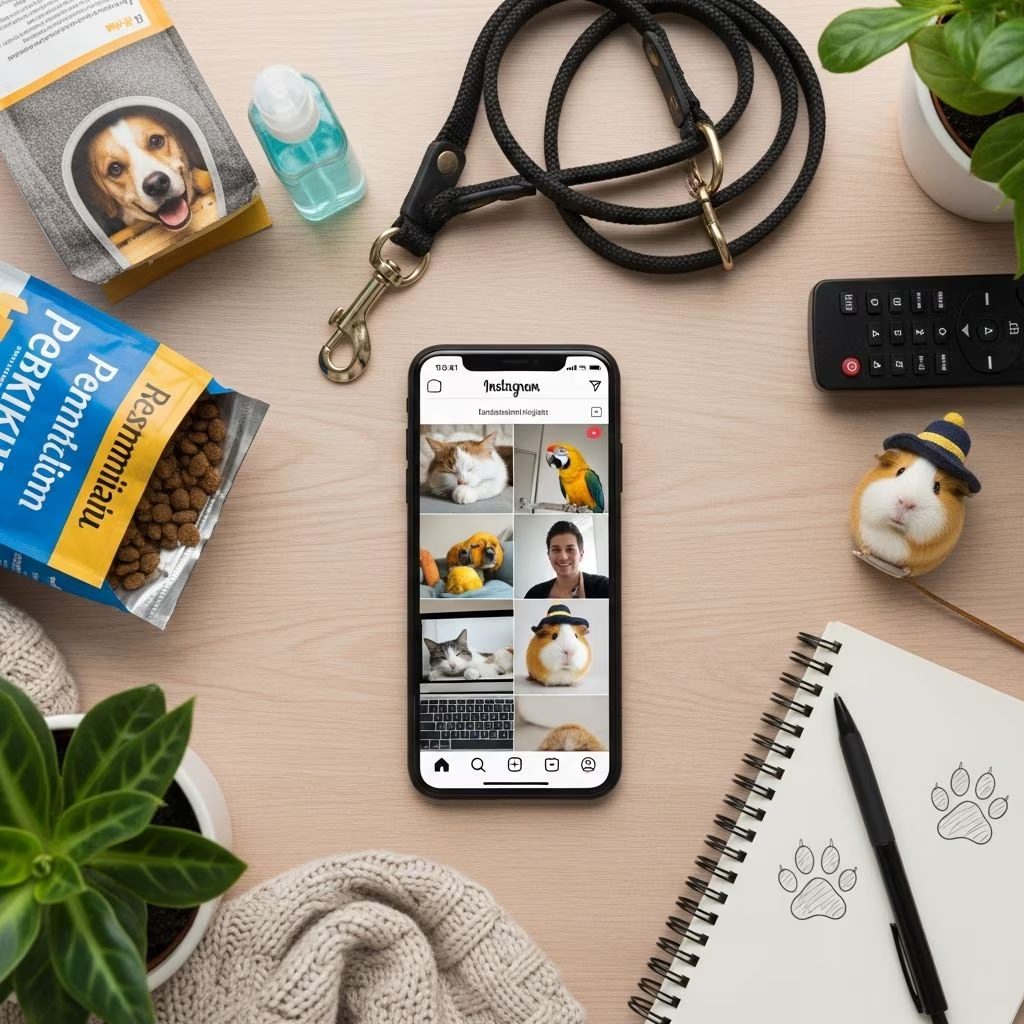
The global pandemic fundamentally changed how millions of people interact with their pets. As lockdowns kept people home and social connections moved online, Instagram pet parents—those who share their furry, feathered, and scaly companions on social media—discovered profound insights about pet parenting, mental wellness, and the human-animal bond. Their collective experiences during quarantine revealed valuable lessons that continue to reshape how we care for our beloved companions today.
During unprecedented times of isolation, pets became more than just animals living in our homes. They transformed into essential sources of comfort, routine, and joy. Instagram pet accounts, which had grown exponentially in popularity, became windows into how people were adapting to quarantine life with their four-legged friends. From simple daily walks to elaborate home setups, these social media chronicles documented the intersection of human needs and pet care in ways that resonated with millions of followers worldwide.
The Power of Daily Bonding and Companionship
One of the most significant lessons Instagram pet parents learned during quarantine was the transformative power of consistent daily bonding with their animals. With remote work becoming the norm and social outings restricted, pet parents discovered they had unprecedented opportunities to spend quality time with their companions. This increased interaction led to deeper connections and stronger relationships than many had experienced before.
Pet owners found that their animals thrived when given consistent attention and engagement throughout the day. Dogs who previously spent hours alone while owners worked in offices suddenly had constant companionship. Cats began to develop new behaviors and habits as they adjusted to having their humans home full-time. Instagram accounts showcased this phenomenon through photos and videos of pets engaging in activities with their owners—from home workouts to meal preparation, with pets as enthusiastic participants and observers.
The increased bonding time revealed that many pets had been understimulated in their previous routines. Pet parents realized that their animals had untapped potential for learning, play, and interaction that had been limited by traditional work schedules. This discovery prompted many to commit to maintaining higher levels of engagement even as some normal routines began to resume.
Establishing Healthy Routines and Structure
Quarantine taught Instagram pet parents the critical importance of maintaining consistent daily routines, even during chaotic circumstances. While many humans struggled with blurred lines between work and home life, pet owners recognized that their animals needed structure more than ever. Dogs required regular feeding times, exercise schedules, and bathroom breaks to maintain physical and mental health.
Pet parents documented how establishing predictable routines helped reduce anxiety in both themselves and their animals. Morning walks became sacred rituals, not just opportunities for bathroom breaks but also mental health practices for humans and enrichment for pets. Feeding times provided anchors throughout the day, and playtime slots became moments of joyful anticipation for animals and stress relief for their owners.
Instagram posts revealed creative solutions for maintaining exercise routines indoors when outdoor activities were limited. Pet parents shared videos of indoor obstacle courses, fetch games in hallways, and interactive puzzle toys that kept their animals mentally stimulated. These innovations demonstrated that with intentionality and creativity, pet parents could provide adequate enrichment regardless of external circumstances.
The lesson extended beyond just pets’ needs—pet parents learned that their own mental health improved when they maintained structure and routine. The act of caring for another creature with specific needs provided purpose and organization during an otherwise uncertain time. This mutual benefit of routine became one of quarantine’s most valuable insights.
Mental Health Benefits of Pet Companionship
Instagram pet parents widely shared their experiences of how their animals became essential to their mental health during quarantine. As isolation deepened and anxiety about the pandemic grew, pets provided unconditional comfort and grounding presence. Unlike humans, animals didn’t worry about politics, economics, or social challenges—they simply offered companionship and the simple acts of living in the present moment.
The mental health benefits of pet companionship became increasingly documented and discussed. Studies confirmed what pet parents intuitively knew—that petting an animal, hearing a cat’s purr, or playing with a dog releases stress-reducing hormones and provides measurable psychological benefits. Instagram accounts celebrating these connections resonated deeply because they validated what countless people were experiencing in their homes.
Pet parents also discovered that caring for another living being provided structure and purpose during a time when many felt adrift. The responsibility of meeting an animal’s needs gave daily life meaning and direction. This caretaking role became therapeutic, offering a sense of control and accomplishment in an otherwise uncontrollable situation.
The social media connection amplified these benefits even further. Pet parents who followed Instagram accounts of other animals felt less alone, connected to a global community of people navigating similar experiences. The act of sharing their own pet stories online created opportunities for connection and mutual support with strangers who understood the unique joy and responsibility of pet parenting.
Adapting to New Pet Ownership Challenges
Quarantine presented unique challenges for pet parents that required creative problem-solving and adaptation. Many people adopted pets during lockdowns, discovering that bringing a new animal into the home during such uncertain times presented both rewards and difficulties. Instagram accounts documented these learning curves, with new pet parents sharing their successes and challenges with followers who offered advice and encouragement.
Supply chain disruptions meant that pet parents sometimes couldn’t find their preferred foods, toys, or medications. This limitation forced creative adaptation and taught people to be more flexible in their pet care approaches. Many discovered that their animals were less particular about specific brands than expected, or that homemade enrichment toys were just as effective as expensive store-bought alternatives.
Veterinary care became complicated as some clinics limited in-person visits or extended wait times. Pet parents learned to conduct more thorough health observations at home, recognize when professional care was truly necessary, and build stronger communication with their veterinary providers through virtual consultations. This closer attention to their animals’ health often led to earlier detection of problems and more proactive healthcare management.
For pet parents working from home, new behavioral challenges emerged. Animals accustomed to quiet, empty homes during workdays sometimes struggled with constant human presence and the boundary-setting required for remote work. Pet parents learned to create designated spaces for themselves and their animals, establish work-time routines that gave pets appropriate independence, and recognize signs of separation anxiety developing as they anticipated returning to outside work.
Financial Lessons and Budget Adaptations
Economic disruption during quarantine forced many pet parents to reassess their pet care spending and priorities. Instagram accounts sometimes reflected the tension between wanting to provide the best for beloved animals and needing to manage household budgets during uncertain employment situations. This reality check led to valuable lessons about distinguishing between needs and wants in pet care.
Pet parents discovered that quality of life for their animals didn’t require the most expensive products or services. Many learned to shop thoughtfully, compare options, and invest in items that provided lasting value rather than novelty. Some found that the products they thought were essential were actually luxuries, while others realized that investing in certain items—like quality food or preventive healthcare—truly mattered for their animals’ wellbeing.
The financial constraints also sparked creativity. Pet parents shared DIY enrichment ideas, homemade treat recipes, and free or low-cost play activities that their animals loved just as much as expensive alternatives. This democratization of pet care demonstrated that loving and properly caring for an animal didn’t require substantial financial resources.
Recognizing the Importance of Professional Veterinary Care
While quarantine forced limitations on in-person veterinary visits, it also reinforced the irreplaceable value of professional pet healthcare. Pet parents who attempted to manage health concerns at home learned when they needed professional guidance and expertise. Instagram stories of animals requiring emergency care during lockdowns highlighted the importance of maintaining preventive care relationships with veterinarians.
Pet parents became more proactive about scheduling regular check-ups once veterinary clinics returned to normal operations. They recognized that professional oversight caught problems early and prevented more serious complications later. The quarantine period taught the lesson that convenience and cost-cutting measures shouldn’t compromise essential healthcare for beloved companions.
Social Media Connection and Community Support
Instagram pet accounts became more than entertainment during quarantine—they became vital sources of community and support. Pet parents found themselves turning to online pet communities for advice, encouragement, and connection with others navigating similar challenges. The comments sections of pet posts became spaces where people offered suggestions, shared experiences, and provided emotional support to strangers.
This global community aspect revealed that pet parenting challenges were universal. Whether someone lived in a large city apartment or a suburban home, whether they were new pet parents or experienced caretakers, the fundamental joys and struggles of pet ownership transcended geographic and cultural boundaries. This realization fostered compassion and understanding among people who might never have connected otherwise.
Frequently Asked Questions
Q: What was the most important lesson pet parents learned during quarantine?
A: The most significant lesson was understanding the profound mental health benefits of consistent pet companionship and the importance of establishing daily routines and bonding with animals for mutual wellbeing.
Q: How did quarantine change pet care approaches?
A: Pet parents developed more intentional engagement strategies, prioritized preventive veterinary care, adapted to supply chain challenges, and created more structured daily routines that benefited both themselves and their animals.
Q: What role did Instagram play in quarantine pet parenting?
A: Instagram provided community connection, allowed pet parents to share experiences and advice, offered entertainment and emotional support, and created a sense of shared experience among people worldwide navigating pet ownership during challenging times.
Q: Did quarantine change long-term pet care practices?
A: Yes, many pet parents maintained higher levels of engagement, more consistent routines, and stronger veterinary relationships even as normal routines resumed, reflecting permanent positive changes in their approach to pet parenting.
Q: How can pet parents maintain quarantine-era lessons going forward?
A: By continuing to prioritize daily bonding time, maintaining structured routines, staying connected with pet communities, investing in preventive healthcare, and remembering that consistent presence and attention are more valuable than expensive products or services.
References
- The Psychological Effects of Pets on Mental Health — American Psychological Association. 2023. https://www.apa.org/science/about/psa/pets
- Pet Ownership and Stress Reduction: A Systematic Review — Journal of Veterinary Behavior, Elsevier. 2023. https://www.sciencedirect.com/journal/journal-of-veterinary-behavior
- COVID-19 and Pet Adoption Trends — American Pet Products Association. 2024. https://www.americanpetproducts.org
- The Human-Animal Bond During Crisis — International Society of Feline Medicine. 2023. https://www.isfm.net
- Pet Care During Lockdown: A Global Perspective — World Small Animal Veterinary Association. 2023. https://www.wsava.org



