

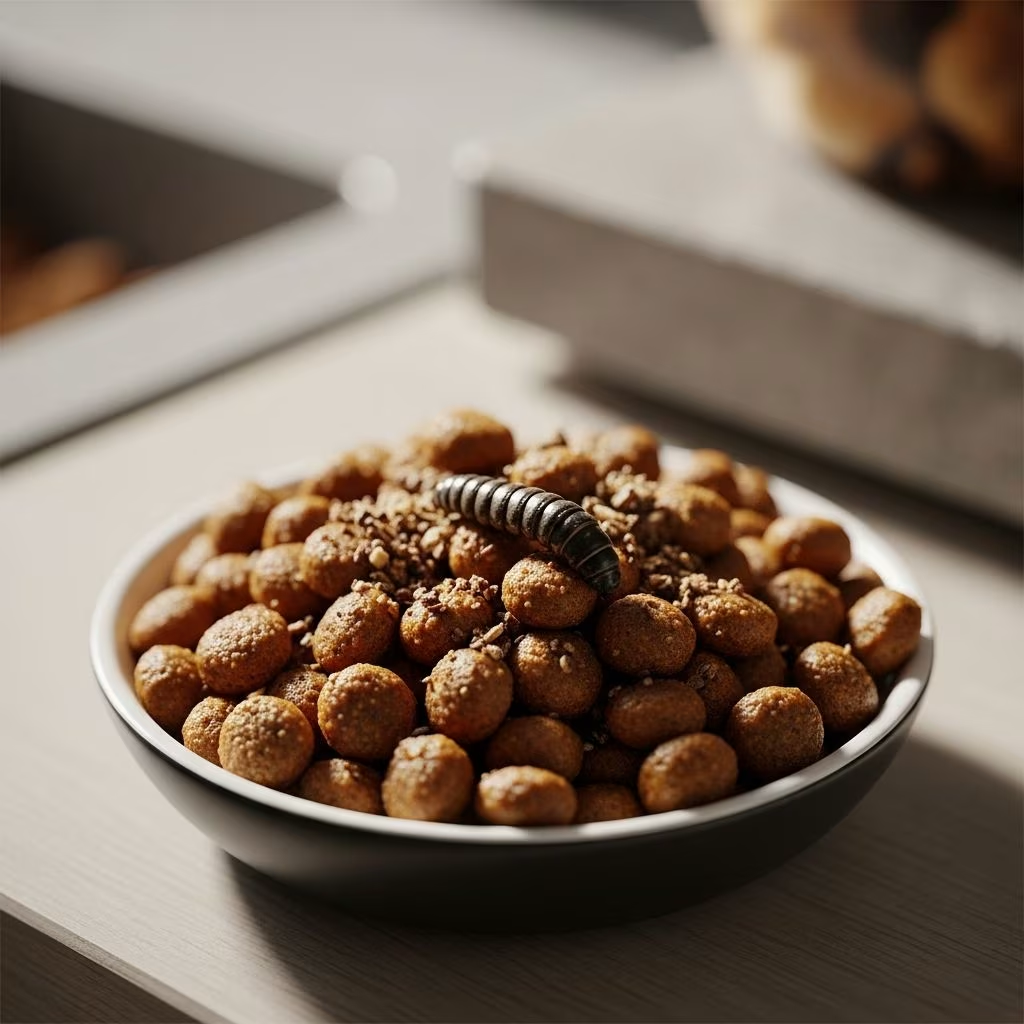
Insect-derived proteins are gaining traction as a high-quality, eco-friendly alternative in cat food formulations. These ingredients, particularly from black soldier fly larvae (BSFL), offer complete amino acid profiles comparable to traditional meats while promoting digestive health and palatability in cats.
The Nutritional Powerhouse of Insects for Cats
Insects stand out for their dense nutrient composition, making them ideal for obligate carnivores like cats. On a dry matter basis, insect meals typically contain 40-60% protein, aligning closely with conventional sources such as poultry or fish meal. This high protein level supports muscle maintenance and overall vitality in felines.
Essential amino acids like lysine and methionine are abundant in insects, with digestibility rates ranging from 76% to 98%, similar to animal-based proteins. Cats require taurine for heart and eye health, and while insects may not provide it directly, they complement fortified formulas effectively. Fats in insects, including omega-6 fatty acids and lauric acid, contribute to brain function and antimicrobial protection.
Micronutrients further enhance their appeal: iron, zinc, calcium, and magnesium bolster immunity and bone health. Chitin, a natural fiber in insect exoskeletons, acts as a prebiotic, fostering beneficial gut bacteria. Antioxidants in mealworms and crickets rival those in fruits like apples, combating oxidative stress.
| Nutrient | Insect Meal (Avg.) | Poultry Meal (Comparison) |
|---|---|---|
| Protein (% DM) | 40-60 | 40-50 |
| Amino Acid Digestibility | 76-98% | 85-95% |
| Key Minerals (Iron, Zinc) | High | Moderate |
| Chitin (Prebiotic Fiber) | Present | Absent |
This table highlights how insect proteins match or exceed traditional options in key areas, based on peer-reviewed analyses.
Scientific Evidence on Digestibility and Health Impacts
Studies confirm insects’ suitability for cat diets. In a trial with adult cats, a diet featuring 37.5% BSFL meal showed good acceptance and maintained optimal fecal consistency, meeting FEDIAF nutritional guidelines despite slightly lower digestibility than poultry-based controls. Dry matter digestibility was nutritionally adequate, supporting healthy digestion.
Gut microbiome research reveals nuanced effects: BSFL inclusion boosted short-chain fatty acids and beneficial bacteria like Bifidobacterium, indicating enhanced microbial activity. However, reduced microbial diversity warrants further study, particularly for cats with sensitivities.
Another study tested cockroach, hissing cockroach, and superworm meals at 4% inclusion in cat diets. Digestibility of dry matter (86.5-88.1%), organic matter (88.9-90.6%), fat (90.1-92.3%), and protein (86.3-89.4%) matched chicken meal controls, with no changes in fecal quality. These findings affirm insects as safe, digestible protein sources.
- High palatability: Cats consumed BSFL diets eagerly, on par with poultry.
- Functional benefits: Chitin and lauric acid promote immunity and joint health via glucosamine-like effects.
- Antioxidant boost: Levels comparable to antioxidant-rich produce.
Sustainability Advantages Over Traditional Proteins
Insect farming addresses pressing environmental challenges in pet food production. BSFL require 90% less land and water than beef, emitting fewer greenhouse gases while converting organic waste into valuable protein. This closed-loop system minimizes resource strain, ideal for sustainable pet nutrition.
Unlike livestock, insects thrive on food waste, reducing landfill contributions. Their rapid life cycle—BSFL mature in weeks—enables efficient scaling without antibiotics or hormones, yielding ‘clean’ protein. For cat owners prioritizing eco-impact, insect-based foods lower the carbon pawprint of feeding pets.
Addressing Common Concerns: Allergies and Safety
A major draw is hypoallergenicity. Insect proteins like entoprotein are low-molecular-weight and easily absorbed, serving as alternatives to scarce novel meats (e.g., lamb, rabbit). Cats with poultry or beef sensitivities often tolerate them well, thanks to novel protein status.
Safety profiles are robust: No adverse health markers in blood biochemistry or hematology from trials. Regulatory bodies like FEDIAF endorse insect ingredients in complete pet foods when properly processed. Chitin’s fiber content may cause minor digestibility dips but enhances long-term gut resilience.
Practical Guide: Transitioning Cats to Insect-Based Diets
Introduce gradually over 7-10 days to avoid digestive upset: mix 25% new food with 75% old on day 1, increasing incrementally.
- Monitor stool: Expect firmer feces from chitin.
- Observe appetite: High palatability minimizes refusal.
- Consult vets: Ideal for allergies or sustainability goals.
Available as kibble, wet food, or toppers, brands use BSFL, mealworms, or crickets. Complete diets meet AAFCO standards when labeled accordingly.
Potential Drawbacks and Ongoing Research
Challenges include higher costs from emerging production and variable nutrient profiles based on insect feed. Lower energy digestibility in some formulations requires balancing. Long-term studies on microbiome diversity and taurine stability are needed.
Despite this, momentum builds: Insect proteins fit ancestral diets, mimicking prey insects in wild cat meals.
FAQs on Insect Protein Cat Food
Is insect-based cat food safe for daily feeding?
Yes, trials show it’s digestible and supports health when part of balanced formulas.
Do cats like the taste?
Palatability tests confirm equal acceptance to meat-based foods.
Can it help with allergies?
Its hypoallergenic nature makes it suitable for sensitive cats.
What’s the environmental benefit?
Far lower resource use than traditional proteins.
Are there functional health perks?
Chitin aids gut health; lauric acid offers antimicrobial effects.
Future Outlook for Feline Insect Nutrition
As research advances, expect wider adoption. Insects bridge nutrition, sustainability, and innovation, promising healthier, greener cat diets. Pet owners can embrace this shift confidently, backed by science.
References
- Black soldier fly larvae meal in cat food influenced gut microbiome — Petfoodindustry.com. 2023. https://www.petfoodindustry.com/insect-based-cat-and-dog-food/news/15704864/black-soldier-fly-larvae-meal-in-cat-food-influenced-gut-microbiome
- The advantages and disadvantages of insect-based pet food — Globalpetindustry.com. 2024. https://globalpetindustry.com/news/the-advantages-and-disadvantages-of-insect-based-pet-food/
- Insects as Feed for Companion and Exotic Pets: A Current Trend — PMC (Peer-reviewed). 2022-05-31. https://pmc.ncbi.nlm.nih.gov/articles/PMC9179905/
- Why Insect-Based Pet Food Is the Solution the NYT Missed — Bugible.com. 2025-08-04. https://bugible.com/2025/08/04/insect-based-pet-food-solution/
- Insect-based ingredients in pet food — European Pet Food Industry (FEDIAF). 2024-10. https://europeanpetfood.org/wp-content/uploads/2024/10/FEDIAF_Fact-Sheet_Insect-Based-Ingredients.pdf
- Impact of Insect Protein Meals on Pet Food Palatability — Kemin.com. 2024. https://www.kemin.com/na/en-us/blog/petfood-rendering/insect-protein-meals-pet-food-palatability



